


How to bridge education and employment in Bangladesh


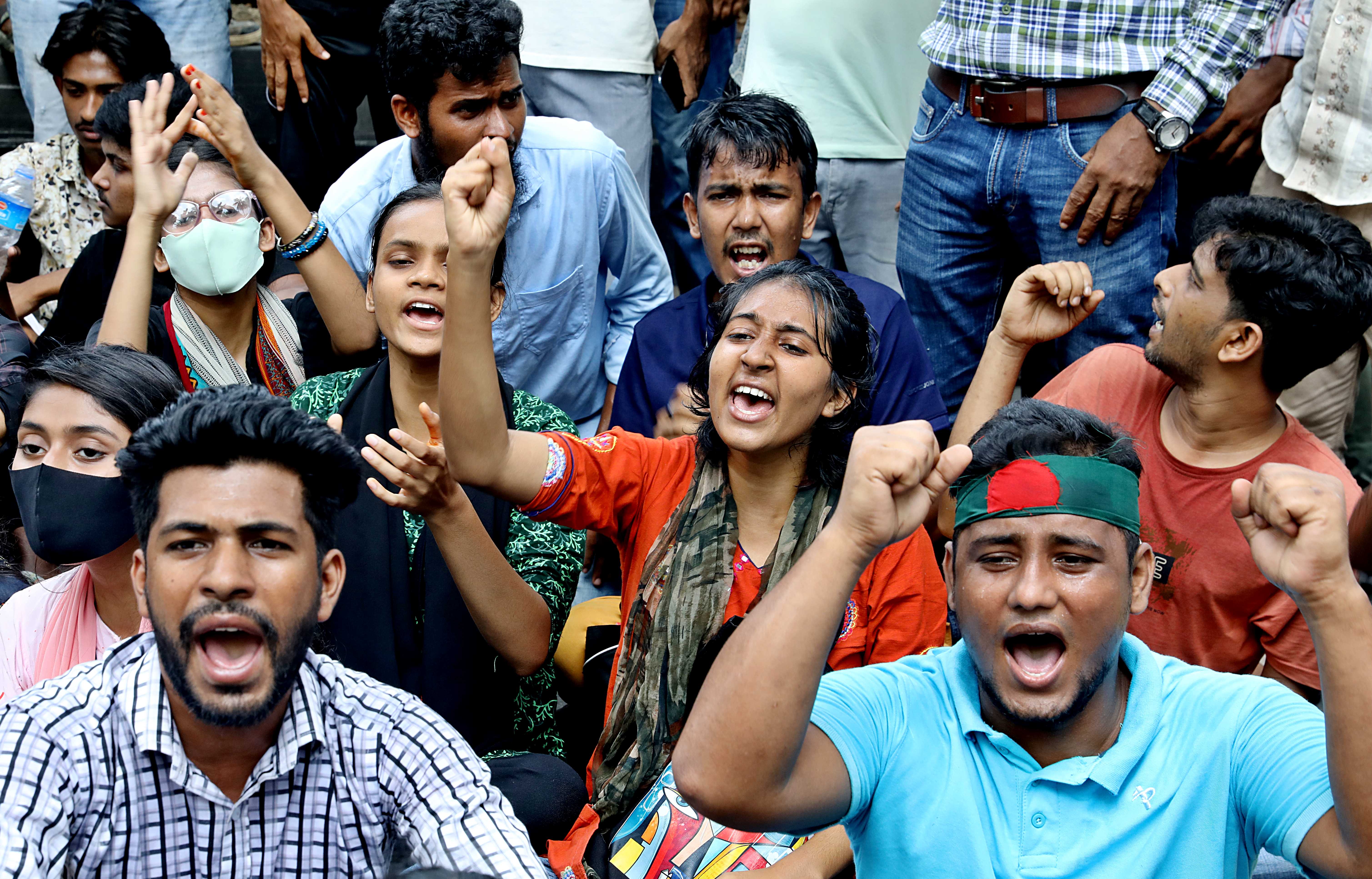
Bangladesh's inability to create adequate opportunities for its young population has moved far beyond an economic concern. It represents a significant social and political challenge for the country. Persistent and high rates of youth unemployment expose deep structural weaknesses in an economy that has failed to translate its growth into more jobs. Instead of benefitting from the country's development gains, crores of young people find themselves excluded from productive work, which creates frustration and undermines weakened social cohesion. If this disconnect continues, it will jeopardise Bangladesh's long-term development trajectory and erode the very demographic dividend that should have been one of its greatest strengths.
The statistics paint an even starker picture of the employment situation. The Labour Force Survey 2024 of the Bangladesh Bureau of Statistics (BBS) indicated that in 2024, the unemployment rate was 3.66 percent compared to 3.35 percent in 2023. Of this, the rate of literate unemployment is 4.17 percent and of non-literate 1.39 percent. Unemployment among the educated is higher, indicating greater competition for jobs among educated people. Another striking fact is, although the unemployment rate appears low, youth unemployment and youth inactivity are very high. Unemployment rate among youth aged 15-29 years is 8.07 percent. However, the share of young people aged 15-29 years who are not in education, employment, or training (NEET) is 20.3 percent. The distribution of unemployment by educational level shows that, among the 26.24 lakh unemployed, graduates account for the highest share at 8.85 lakh.

The roots of Bangladesh's youth unemployment crisis lie in a longstanding mismatch between education and labour-market needs. The education system continues to emphasise degrees rather than practical, job-ready skills, which leaves many graduates without the competencies employers expect. Employers often report a shortage of candidates with technical abilities, digital literacy, or industry-specific training. Technical and vocational institutes, which should fill this gap, remain underfunded, outdated, and weakly linked to industry. As a result, young people are unprepared for emerging opportunities in a changing economy.

Another critical issue is the immense pressure on public-sector employment. For many young Bangladeshis, government jobs are considered the only viable route to stability, recognition, and social prestige. Moreover, the private sector has not been able to generate enough high-quality jobs to absorb new entrants since private investment remained stagnant for over a decade due to various policy and regulatory shortcomings. Most youth who find work end up in informal, low-paying, insecure employment. They earn too little to build a future and receive none of the benefits or protections that come with formal work. High informality, weak social protection, gender disparities, and significant rural-urban inequality hamper Bangladesh's labour market. Young women face additional structural barriers related to mobility, social norms, and unpaid care responsibilities.
Global changes in the nature of work also complicate the situation. Automation, digitisation, and artificial intelligence are reshaping labour markets everywhere. Globally, employers struggle to find workers with the right technical skills, even though large numbers of young people remain unemployed. Though Bangladesh is far behind in technological advancement, some industries are moving quickly to adopt technology in their workplace. Without a significant shift in skills upgradation, not only will the existing jobs be lost, but employers will find it challenging to find a technologically equipped workforce.
Unfortunately, the interim government has not introduced any major employment programme, increased investment in skill development, or redesigned the vocational training system. The absence of a proactive, visible change in the approach to youth employment reflects the government's reluctance and lack of urgency in addressing this pressing issue.
However, if the country is to harness its demographic dividend, it must change its approach to youth employment. Reforming the skill-development ecosystem is essential. Technical and Vocational Education and Training (TVET) institutions must be modernised, equipped with industry-standard technology, and guided by curricula shaped in collaboration with employers. Training should focus on sectors where both global and domestic demand are growing rapidly. These include information and communication technology, healthcare and caregiving services, renewable energy and green technologies, logistics, transport and supply chain management, and advanced manufacturing. Bangladesh also has expanding opportunities in agro-processing, pharmaceuticals, tourism and hospitality, construction, and digital financial services, all of which require a skilled young workforce. By aligning training with these emerging job-rich sectors, the country can equip its youth for modern labour markets and ensure that new graduates possess the competencies employers are actively seeking. Without such targeted reforms, young people will continue to struggle to find meaningful employment.
Reforms within public-sector hiring are equally urgent. Recruitment must be strictly merit-based, transparent, and completed on predictable timelines so people can trust the system. A credible and fair process would ease frustration, restore confidence in state institutions, and significantly improve government service delivery by ensuring that qualified and competent individuals, rather than political favourites, occupy important administrative and technical positions.
The private sector needs to play a much larger role in creating jobs for young people. Of course, this will only happen if the government makes it easier and more attractive for firms to hire and train youth. Tax incentives can lower recruitment costs, while subsidised apprenticeship programmes would allow companies to train fresh graduates without bearing the full financial burden. While the government will be a major supporter, it may approach development partners and bilateral agencies to fund skills and employment initiatives.
In parallel, youth entrepreneurship should be nurtured to generate employment. This requires accessible and affordable financing for young innovators, business incubators that provide technical and strategic support, mentorship networks connecting new entrepreneurs with experienced professionals, and structured access to domestic and export markets. These initiatives can help young people build their own enterprises, create jobs for others, and participate more productively in the economy.
Finally, Bangladesh must commit to evidence-based policymaking, especially regarding youth employment. Reliable labour market data, regular outcome evaluations, and continuous monitoring are essential for understanding which programmes actually create jobs for young people and which do not. Without accurate information, policies become fragmented, resources are wasted, and well-intentioned initiatives fail to reach the youth who need them most. Effective data systems would enable the government to identify emerging skills shortages, track employment trends, design targeted training programmes, and adjust interventions based on real results.
Dr Fahmida Khatun is executive director at the Centre for Policy Dialogue.
Views expressed in this article are the author's own.
Follow The Daily Star Opinion on Facebook for the latest opinions, commentaries, and analyses by experts and professionals. To contribute your article or letter to The Daily Star Opinion, see our guidelines for submission.
 For all latest news, follow The Daily Star's Google News channel.
Comments