


Victory Day and the republic we owe ourselves

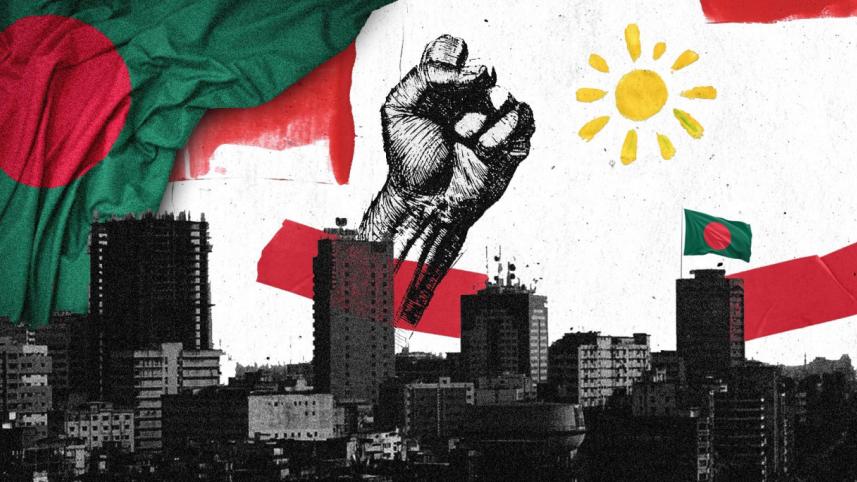
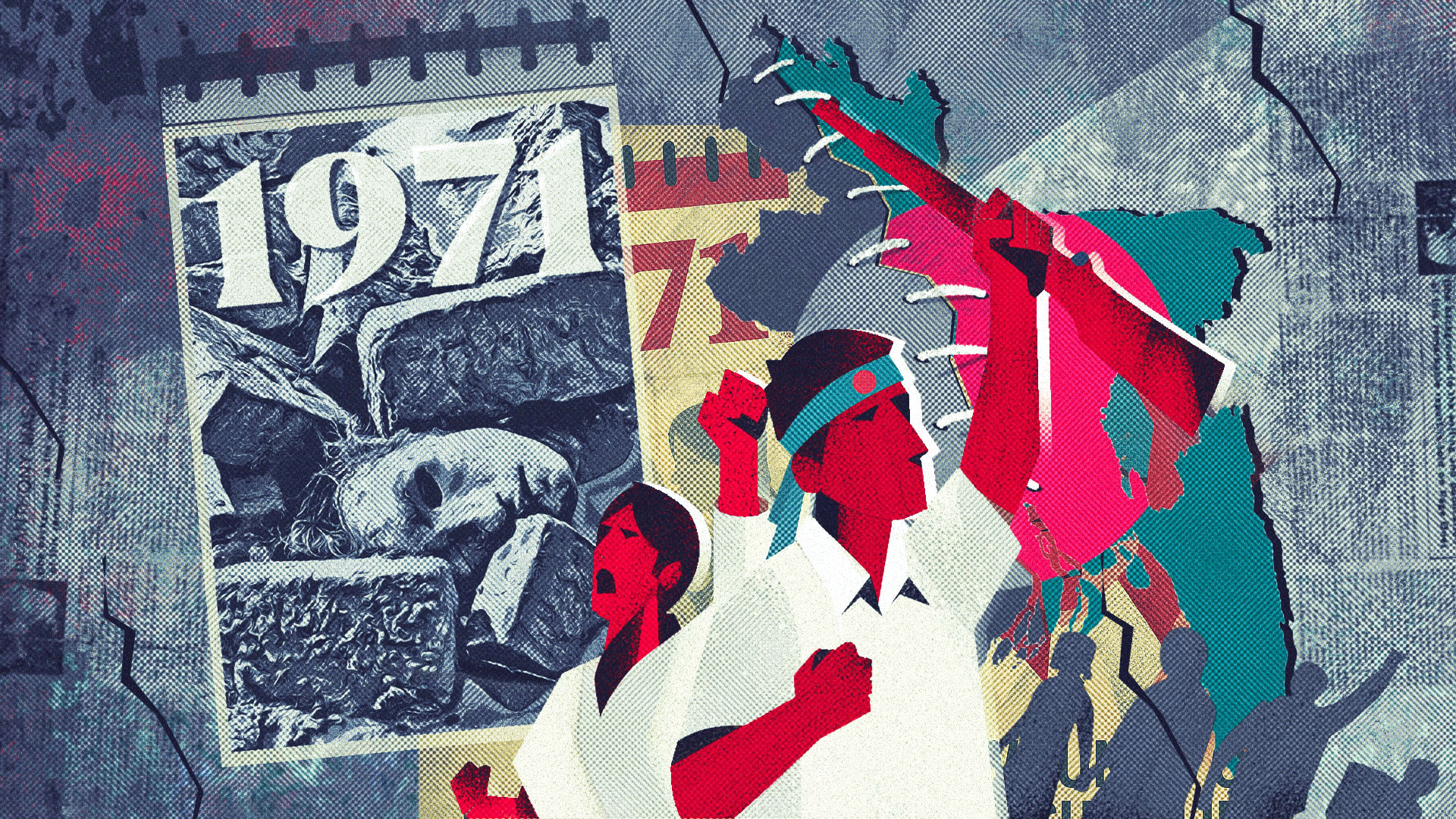
December 16 returns each year as a solemn river of memory, carrying the sound of marching feet across muddy fields, the echo of gunfire, whispered prayers, and the tears of mothers who waited, uncertain whether their sons would return. Victory Day marks the moment when people long denied dignity rose to claim their place in history, declaring they would no longer live as subjects but as citizens. The 1971 Liberation War was fought for the right to speak, to choose, to dream, and to live with justice. It was the culmination of a long struggle against economic exploitation, political exclusion, and cultural repression under Pakistani rule.
From the 1952 Language Movement to the 1969 mass uprising and the denial of the 1970 electoral verdict, each injustice reinforced the conviction that emancipation could no longer be deferred. When independence finally came after nine months of bloodshed, it was infused with an extraordinary vision: Bangladesh would be a republic founded on democracy, equity, social justice, and respect for human dignity.

Fifty-four years later, that vision remains incomplete. Bangladesh has endured, advanced, and surprised the world in many ways. At the same time, the road from 1971 to 2025 has been uneven and often painful. The years following independence were marked by deep instability. Assassinations, coups, counter-coups, and long stretches of military and quasi-military rule disrupted the democratic experiment. Governance weakened, corruption deepened, and institutions failed to develop the resilience needed to withstand political shocks. Time and again, the promises of liberation have been repeatedly tested by political turbulence, institutional fragility, and missed opportunities.
The restoration of parliamentary democracy through the 1991 election offered a moment of collective hope. Yet, that hope proved fragile. Politics failed to mature into a system governed by rules rather than rivalries. Elections increasingly became winner-takes-all contests, in which power meant exclusion rather than accountability.
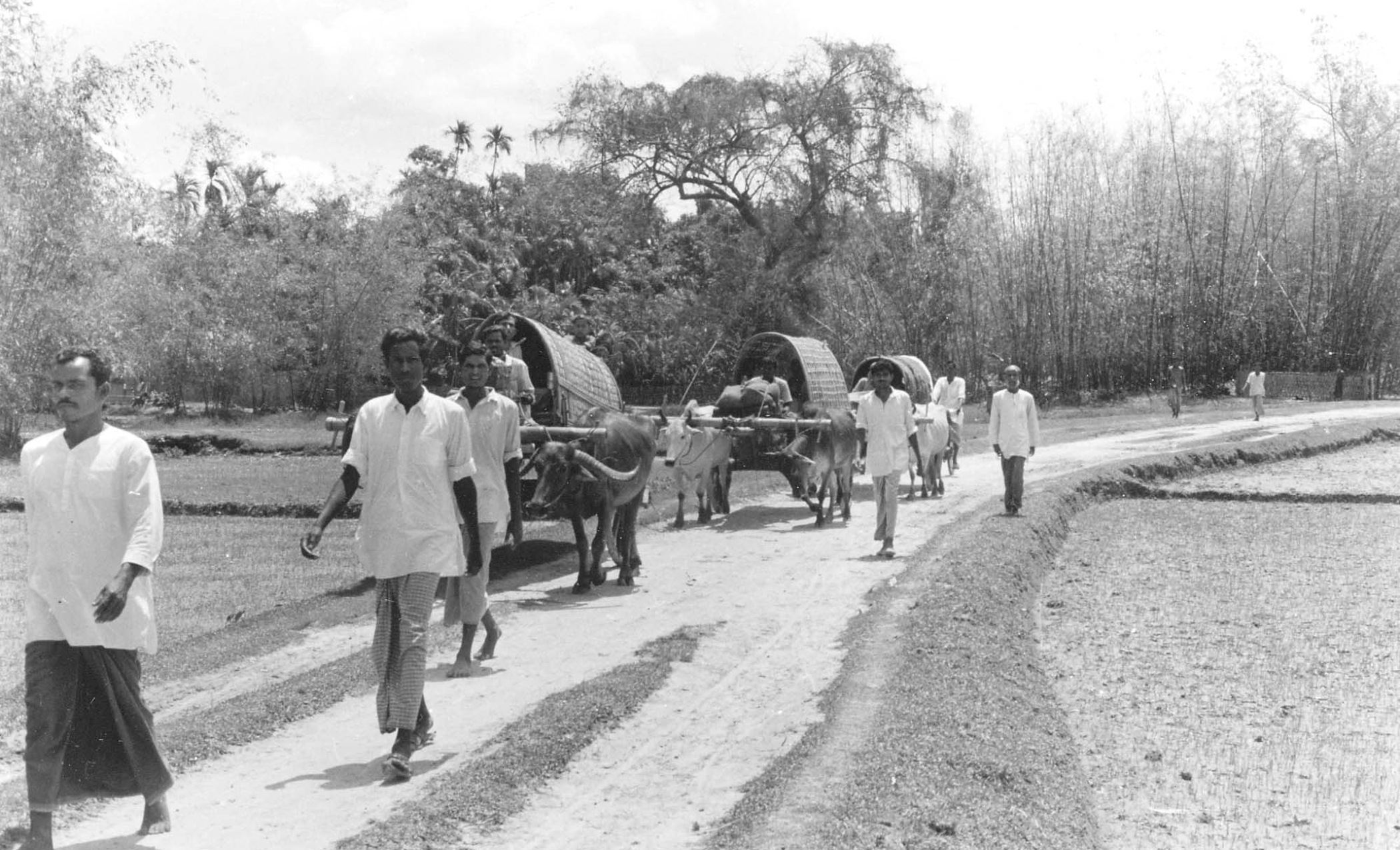
The erosion of democracy became most pronounced between 2014 and 2024. Elections continued, but genuine participation steadily diminished, and voting lost its meaning for millions. Power grew increasingly centralised, dissent was constrained, and fear displaced public debate. Accountability weakened as institutions were reshaped to serve those in authority. As democratic space narrowed, public trust eroded. Rising hardship, especially among unemployed and frustrated youth, eventually transformed quiet disillusionment into open resistance.
The 2024 July uprising was, therefore, neither accidental nor sudden. Citizens across generations and social groups returned to the streets not for partisan advantage but to reclaim agency and dignity. The fall of the former regime raised expectations that the accumulated governance distortions would finally be addressed through genuine reforms.
The aftermath, however, has been complex and sobering. The interim government inherited an economy under strain and a deeply polarised polity. It succeeded in stabilising key macroeconomic indicators. Foreign exchange reserves has improved, the exchange rate stabilised, and inflation has begun to ease, albeit slowly. Some steps have been taken to address long-standing weaknesses in the financial sector, preventing further deterioration and restoring stability.
However, the state struggles to contain mob violence and maintain public order, raising concerns about citizens' safety and security. Investment has failed to recover, businesses continue to face high operating costs, and policy uncertainty has dampened confidence. Job creation, particularly for young people, remains elusive, despite youth unemployment having been a central trigger of the July uprising.
Economic growth has slowed to around four percent in fiscal year (FY) 2025 (provisional), down from 4.2 percent in FY2024. Private investment has remained stagnant for years, with its share of GDP falling from 24 percent in FY2024 to 22.5 percent in FY2025 (provisional). Employment generation has stalled, and unemployment rose to 3.66 percent in 2024 from 3.35 percent a year earlier. Domestic resource mobilisation has weakened as the tax-to-GDP ratio declined from 7.4 percent in FY2024 to 6.8 percent in FY2025. Poverty has begun to rise again, according to World Bank estimates. Social stresses are also deepening, with progress on ending child marriage remaining alarmingly slow.
Still, Bangladesh's longer-term achievements deserve recognition. Over the five decades since independence, the economy has expanded substantially. Per capita income has risen, exports have strengthened, and remittance inflows have remained robust. Dependence on foreign aid has declined significantly and for many poverty was going down. These accomplishments were built on sustained investments in human development, the labour of millions of workers, particularly women, and the perseverance of households, striving for better lives.
However, institutional problems remain a huge challenge. Regulatory reforms remain unfinished, accountability systems are fragile, and public institutions often fail to serve citizens fairly. Development driven mainly by growth targets, without strengthening institutions accordingly, has reached its limits.
The political moment ahead is therefore critical. The announcement of the national election on February 12, 2026, has brought cautious relief. After more than 17 months of unelected rule, a return to electoral legitimacy is essential. However, early incidents of violence have raised doubts about whether the election can be conducted freely, fairly, and peacefully. The interim government faces its most critical test not in managing economic indicators but in safeguarding the democratic process itself, because without democracy, economic growth is meaningless for the majority.
As Bangladesh celebrates its 55th Victory Day this year, the commitment of future leaders must be evident. Democracy must be restored not only through elections, but through institutions that ensure accountability and inclusion. Economic reforms must prioritise job creation, fairness, and resilience. Social progress, especially for women and girls, must be protected and deepened. Politics must rediscover restraint, dialogue, and respect for dissent.
The martyrs of 1971 did not sacrifice their lives for managed participation or selective justice. They fought for a republic where citizens would be sovereign, power would be held accountable, and progress would be shared. Victory Day urges us to honour that legacy not just with remembrance but with determination.
Dr Fahmida Khatun is executive director at the Centre for Policy Dialogue.
Views expressed in this article are the author's own.
Follow The Daily Star Opinion on Facebook for the latest opinions, commentaries, and analyses by experts and professionals. To contribute your article or letter to The Daily Star Opinion, see our guidelines for submission.
 For all latest news, follow The Daily Star's Google News channel.
Comments