

How the education vacuum is fuelling crimes in Rohingya camps

Today, more than one million refugees live in the Rohingya camps in Cox's Bazar—the largest refugee settlement in the world. Over 700,000 people from the community fled to Bangladesh following a violent military crackdown in August 2017, joining other refugees from previous raids. I was among the thousands.
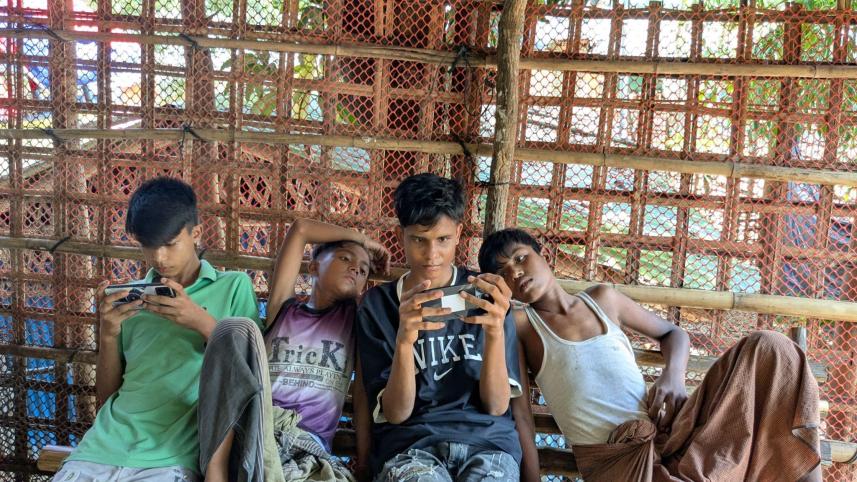
The families in the camps struggle to survive with limited resources, and without access to education, the youth are among the most vulnerable. Lack of learning opportunities fuels hopelessness and pushes many young people towards risky behaviours, including joining gangs, drug use and gambling. Solving the education crisis would have deep ripple effects on camp safety, health, and prosperity.

The education system in the Rohingya refugee camps has suffered a major setback from the USAID funding cut. Many learning centres were forced to shut, leaving nearly 230,000 Rohingya children without access to education, according to Unicef. This closure has deeply affected both students and teachers, creating social and moral challenges within the camps.
Currently, classes from only grades 2-9 are operating at partial capacity, whereas before the crisis, all grades from 1 to 11 were operational. The disruption has led many students to drop out and join the workforce. Without classes to attend, youths spend more time outside of classrooms, where they are vulnerable to exploitation. As a result, cases of kidnapping, gambling, and child marriage have increased.
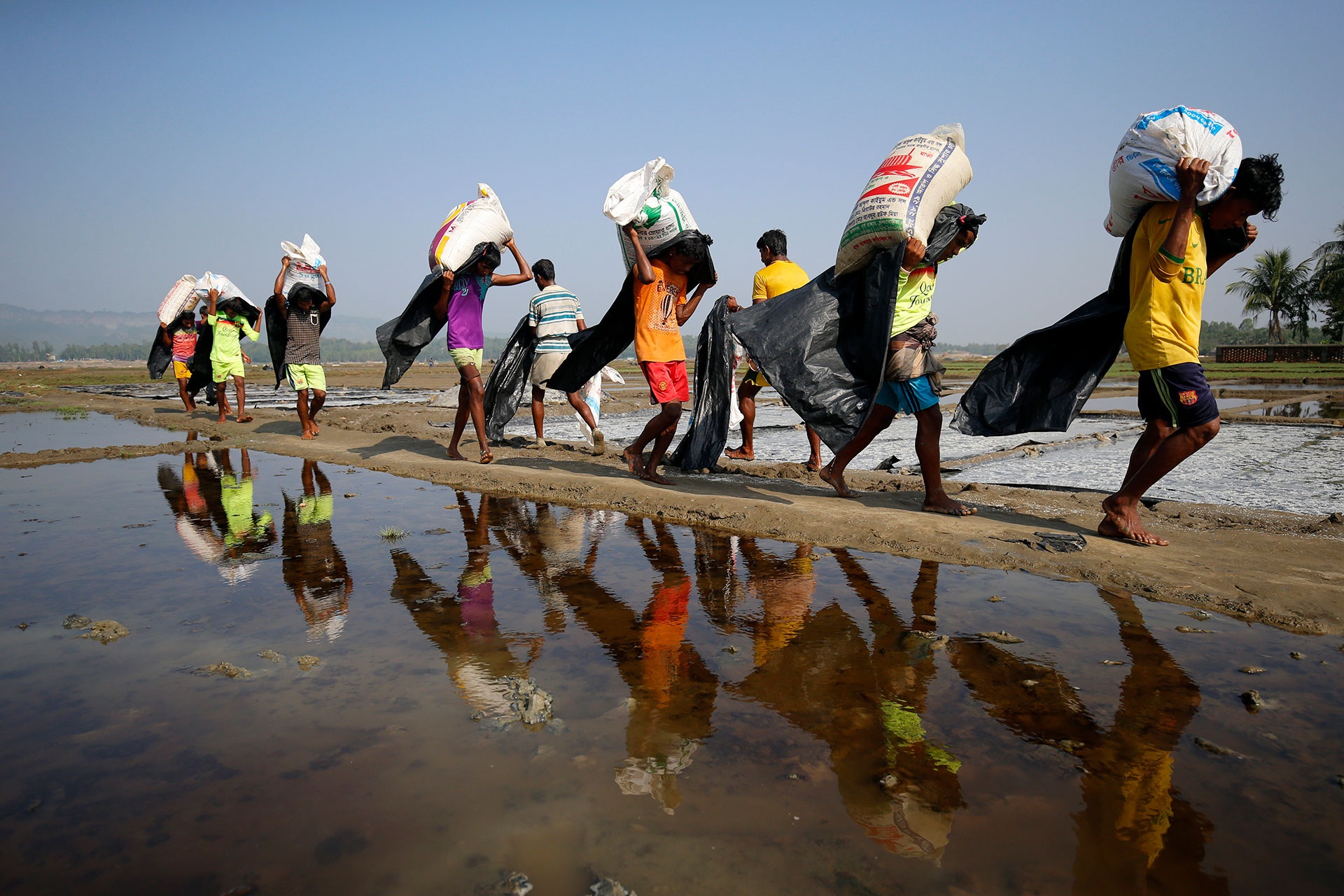
Budget cuts also mean loss of qualified teachers. As it is, camp teachers earn very low salaries—not more than Tk 12,000 per month. Those who can earn Tk 20-30,000 are forced to find other work, leaving schools no choice but to hire unqualified teachers.
Even after the UN conference on Rohingya issues, we saw no sustainable solutions to the education crisis. The discussions mainly focused on food and humanitarian aid rather than long-term plans. Meanwhile, the situation in Myanmar worsened, with the Arakan Army (AA) controlling most of Rakhine State. Justice for the Rohingya remains stalled in the ICC, ICJ, and Argentine Court, leaving our community without hope or progress since the 2017 genocide.
I, myself, am a victim of the education crisis in the camps. The NGO-based education system is neither formal nor well-organised; most teachers are unable to properly guide or inspire students. Many learning centres feel more like play areas rather than real classrooms, with little follow-up or care for students' academic progress. Because of this, I decided to study in a community-based school, which is run and funded by camp residents and where qualified teachers provided me with a more structured and meaningful education.
After completing my 10th grade, I faced another barrier: there were no means for higher education. According to government policy, we are refugees and therefore not allowed to pursue formal higher studies. Even those who complete their 10th grade find no real job or livelihood opportunities, as "volunteer" is almost the only job available in the camps. Seeing no other path forward, many youths lose hope, drop out of school, and eventually are drawn towards unethical activities.
I was fortunate to have the support of my family, which helped me stay motivated, complete my schooling, and establish my own community organisation—the Rohingya Youth Empowerment Network (RYEN). I founded it to make a difference for my community through quality initiatives. Today, through dedication and teamwork, our organisation runs various programmes focused on education, youth empowerment, and community services.
In the seven years since the exodus, thousands of young refugees like myself have grown up without access to proper schooling and higher education. When the learning centres remained closed for months, children turned them into playgrounds, and criminal groups used them as gambling compounds.
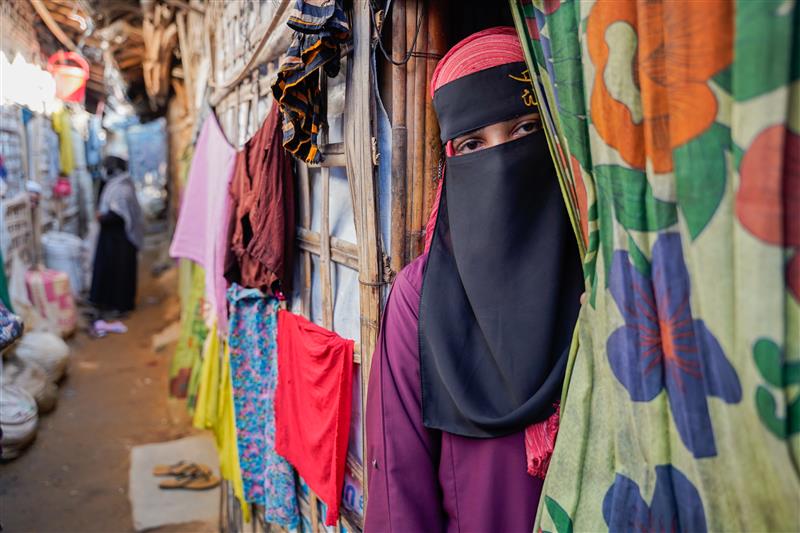
Girls face a different set of challenges due to societal norms and safety concerns. Many parents stop their daughters from attending classes after puberty, fearing harassment or social criticism. As a result, female literacy rates remain significantly lower than those of boys.
The 2022 youth report by the United Nations High Commissioner for Refugees (UNHCR) found that 78 percent of Rohingya youth "see no future," and this frustration often leads to depression, anxiety, and loss of ambition. In 2024, Human Rights Watch (HRW) warned that the community is on the verge of becoming a "lost generation" without access to secondary or higher education.
To reverse this crisis, education in the camps must be prioritised and better funded. Expanding access to formal education, vocational training, and digital learning can help the Rohingya youth build skills and hope. National and international stakeholders can provide livelihood programmes for both teachers and learners to ensure stability and sustainability. Community-led awareness campaigns against drugs and exploitation can further protect young people from unethical paths.
The Rohingya community continues to call for sustainable, dignified repatriation with full citizenship rights in Myanmar. Until that becomes possible, improving education and youth empowerment in the camps is the most powerful tool to prevent a generation from being lost to despair and unethical activities.
Yeasor Arfat is a Rohingya youth activist, poet, and founder of the Rohingya Youth Empowerment Network (RYEN), a nonprofit youth-led organisation and community-based school. He can be reached at princearfatlucky@gmail.com.
Views expressed in this article are the author's own.
Follow The Daily Star Opinion on Facebook for the latest opinions, commentaries, and analyses by experts and professionals. To contribute your article or letter to The Daily Star Opinion, see our guidelines for submission.
 For all latest news, follow The Daily Star's Google News channel.



Comments