


July’s promise cannot belong to the few who inherited its power

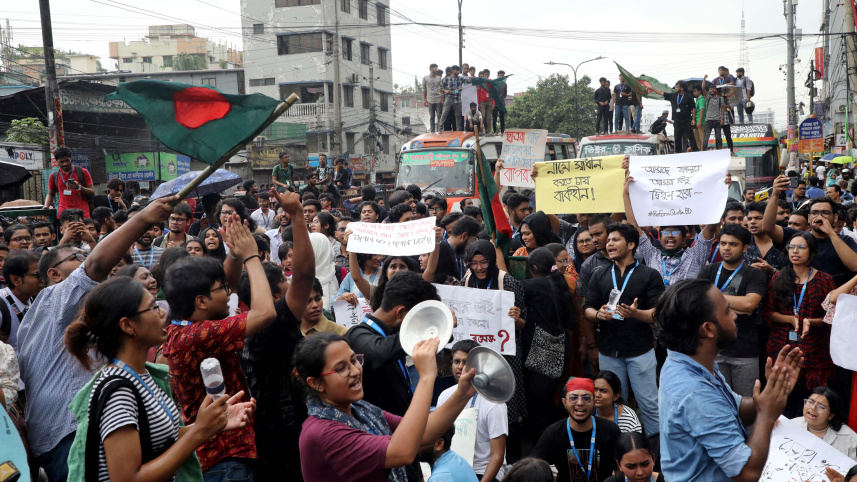
Every July, memories of the uprising return with renewed force. They evoke more than nostalgia, serving instead as a reminder of a journey still unfinished. For the democratic promise that “July” unleashed has been gradually absorbed into a narrower political project reproducing many of the old exclusionary practices it sought to overcome.
The story of Noor Mostafa, a 17-year-old Rohingya refugee, who was officially recognised by the interim government as a July martyr, almost a year after his death, captures the ethical core of this sentiment. His death was one among countless sacrifices that transformed scattered grievances into a nationwide movement. July’s significance, however, lies less in martyrdom than in the coalition it created. Rickshaw pullers, garment workers, day labourers, hawkers, shopkeepers, school, madrasa and university students, women across class divisions, hijra communities, and Indigenous peoples entered the streets together. Their participation briefly dissolved many of the social boundaries that ordinarily fragment life in Bangladesh. July was therefore more than an anti-government movement; it was a democratic convergence in which ordinary people collectively asserted themselves as political subjects.

This distinction matters because the meaning of July has increasingly been reduced to regime change. But replacing rulers is not the same as transforming politics. July’s democratic spirit lay not just in removing an authoritarian government, but in challenging multiple forms of discrimination: class hierarchy, gender exclusion, religious discrimination, and entrenched political power. For a brief moment, it suggested that politics could again be accountable to those long kept at its margins.
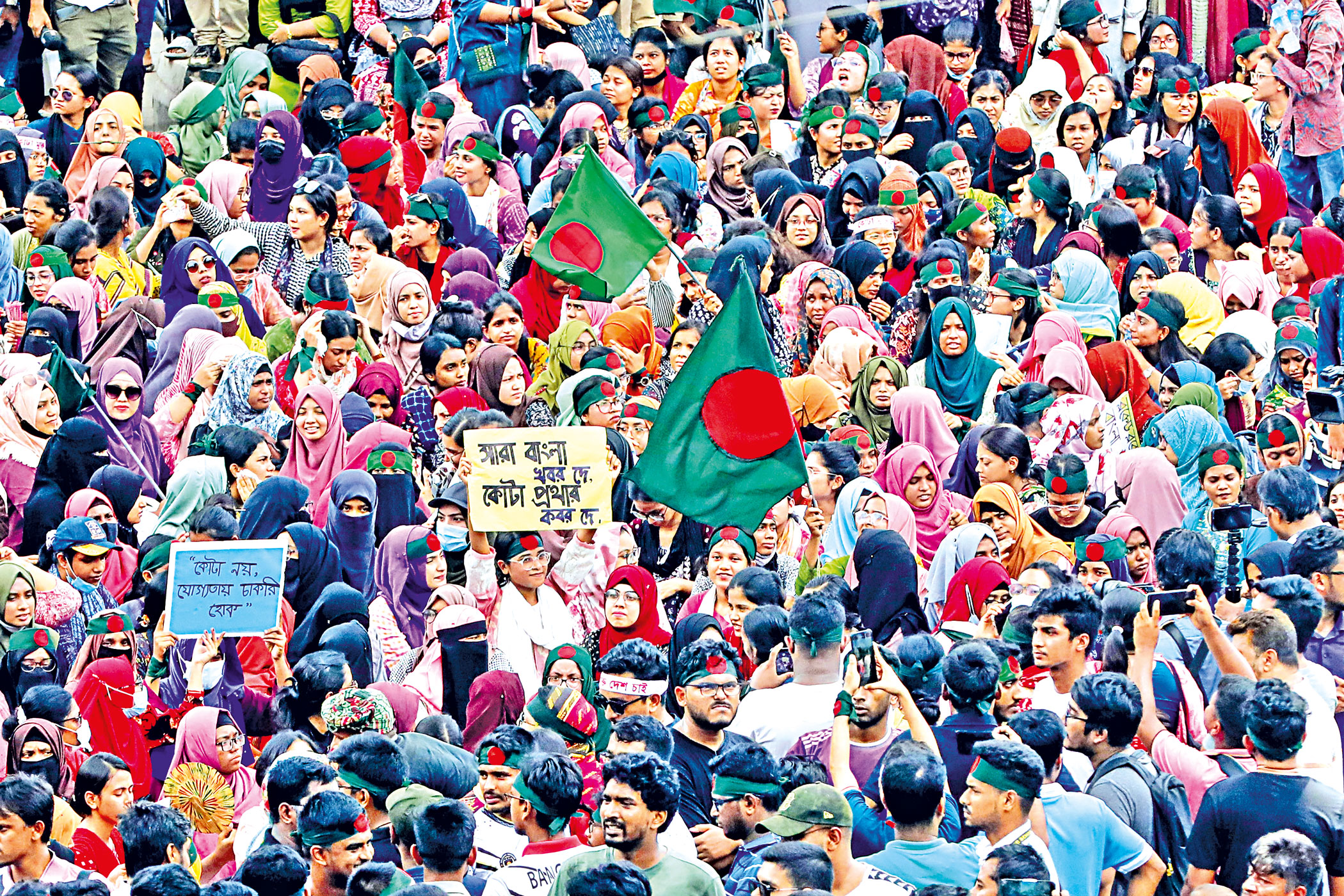
But if July represented such an expansive democratic moment, how did its political horizon narrow so quickly? How did the collective agency that animated the streets become displaced by a language centred on authority, stability, and normalisation? Answering these questions requires examining how the democratic energy of a mass uprising was gradually reorganised into a different political project.
The first signs of this reverse transformation appeared not in constitutional debates but in the everyday reproduction of political authority. July unfolded along two increasingly contradictory trajectories. On the streets, workers, students, women, Indigenous peoples, and ordinary citizens created the democratic force of the uprising. Later, behind the scenes, political leaders and student representatives negotiated the terms of transition. While the streets sought to expand popular sovereignty, negotiations increasingly focused on managing state power.
The events of August 5 exposed this contradiction. As Sheikh Hasina fled, political leaders and student representatives entered Bangabhaban to negotiate the formation of a new government. Politics shifted from the streets to the state. From that moment, the central question was no longer how people would shape the future of the uprising, but how power would be reorganised within the existing order. Power gradually shifted away from those who had made the uprising possible. The attacks on sculptures across the country on August 5 and later further signalled an early attempt to redefine the cultural and ideological boundaries of the post-July order.
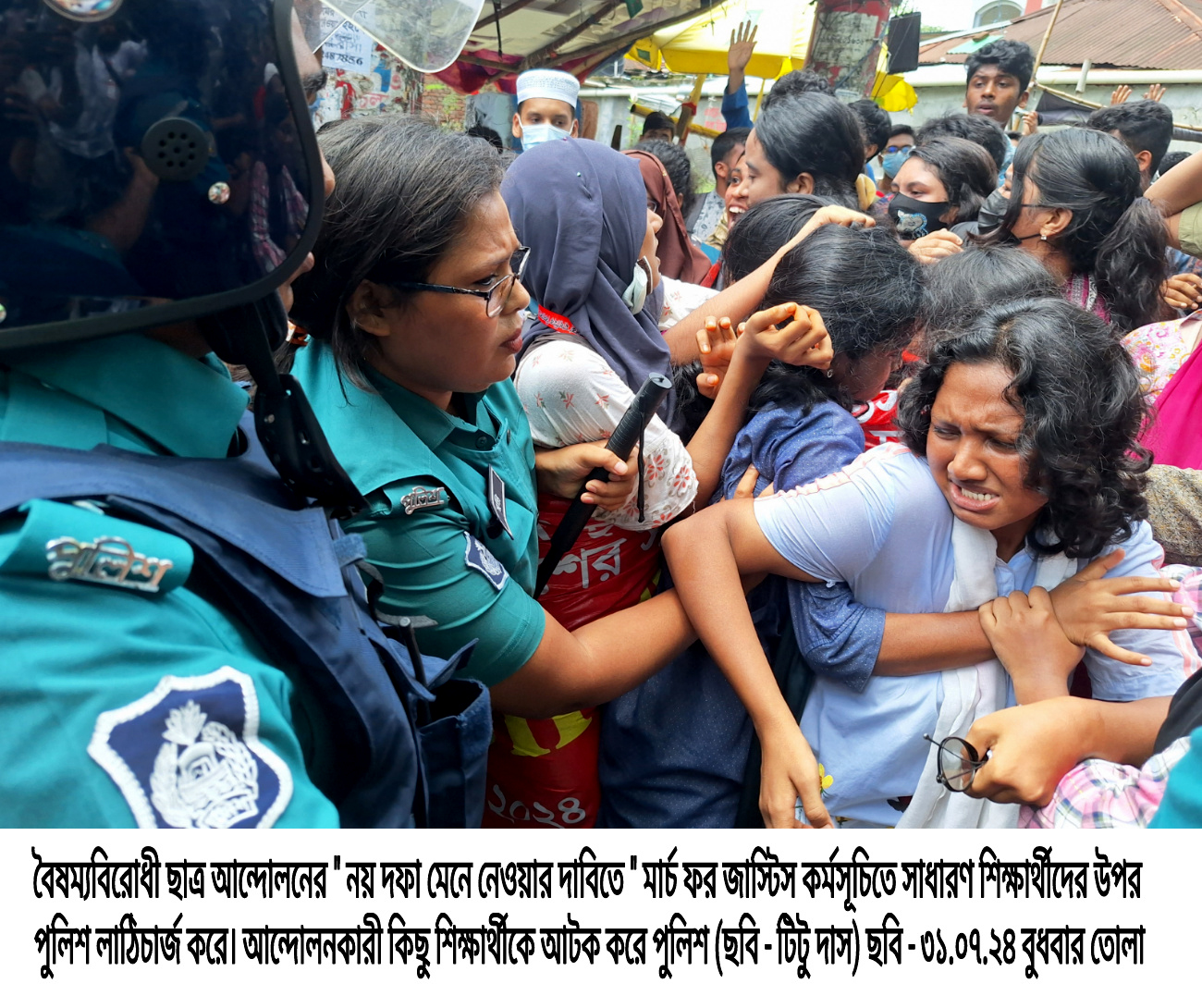
One of the earliest manifestations of this shift appeared at Dhaka University. The killing of Tofazzal Hossain inside Fazlul Huq Muslim Hall on September 18, 2024 and the killing of Chhatra Dal leader Shahriar Alam Shammo on May 13, 2025 come to mind. These and other incidents around that time revealed a disturbing continuity. Although the circumstances differed, the institutional response to both incidents displayed little urgency in pursuing accountability.
The significance of these events lies less in the violence itself than in the political logic surrounding them. During the uprising, legitimacy was rooted in the resistance to authoritarianism. In the post-uprising period, it increasingly became dependent on defending new centres of authority. As criticism of the interim administration grew, student groups aligned with power responded with coordinated online attacks, disinformation, and cyberbullying to delegitimise dissent.
Like many mass uprisings, July entered a second struggle after victory: who would define its meaning. Revolutionary legitimacy gradually shifted from the streets to institutions and emerging political elites, and what had belonged to the people increasingly came to be represented on their behalf.
The post-July transformation became most visible in the treatment of women. This was not because misogyny suddenly emerged after the uprising, but because women had occupied an unprecedented political position in the uprising itself. They broke open the locked gates of their residential halls, occupied the streets alongside workers and students, challenged authoritarian rule, and helped redefine who could legitimately claim political space. Perhaps because they had become visible political subjects, they became some of the first targets in the struggle over the meaning of post-July politics.
Women students documented degrading online abuse, identified perpetrators, and called for preventive action. Yet, no effective anti-harassment mechanism was established, and meaningful accountability never followed. Institutional silence signalled that protecting politically active women was not a priority. Misogyny thus became more than social prejudice; it became an instrument of discipline, quietly redrawing the boundaries of legitimate political participation.
This logic became even more visible in the months that followed. At the Hefazat-e-Islam rally in Dhaka’s Suhrawardy Udyan on May 3, 2025, women were publicly denounced in explicitly sexualised language. The same women who had challenged fascism were now being reminded that their place in politics remained conditional. The then administration’s silence suggested that conservative gender politics was becoming more and more compatible with the emerging political order.
Although women continued to appear prominently in public marches and official events, visibility often masked political marginalisation. A few women were placed at the front of demonstrations while remaining excluded from meaningful decision-making. Participation substituted for representation, turning inclusion into performance.

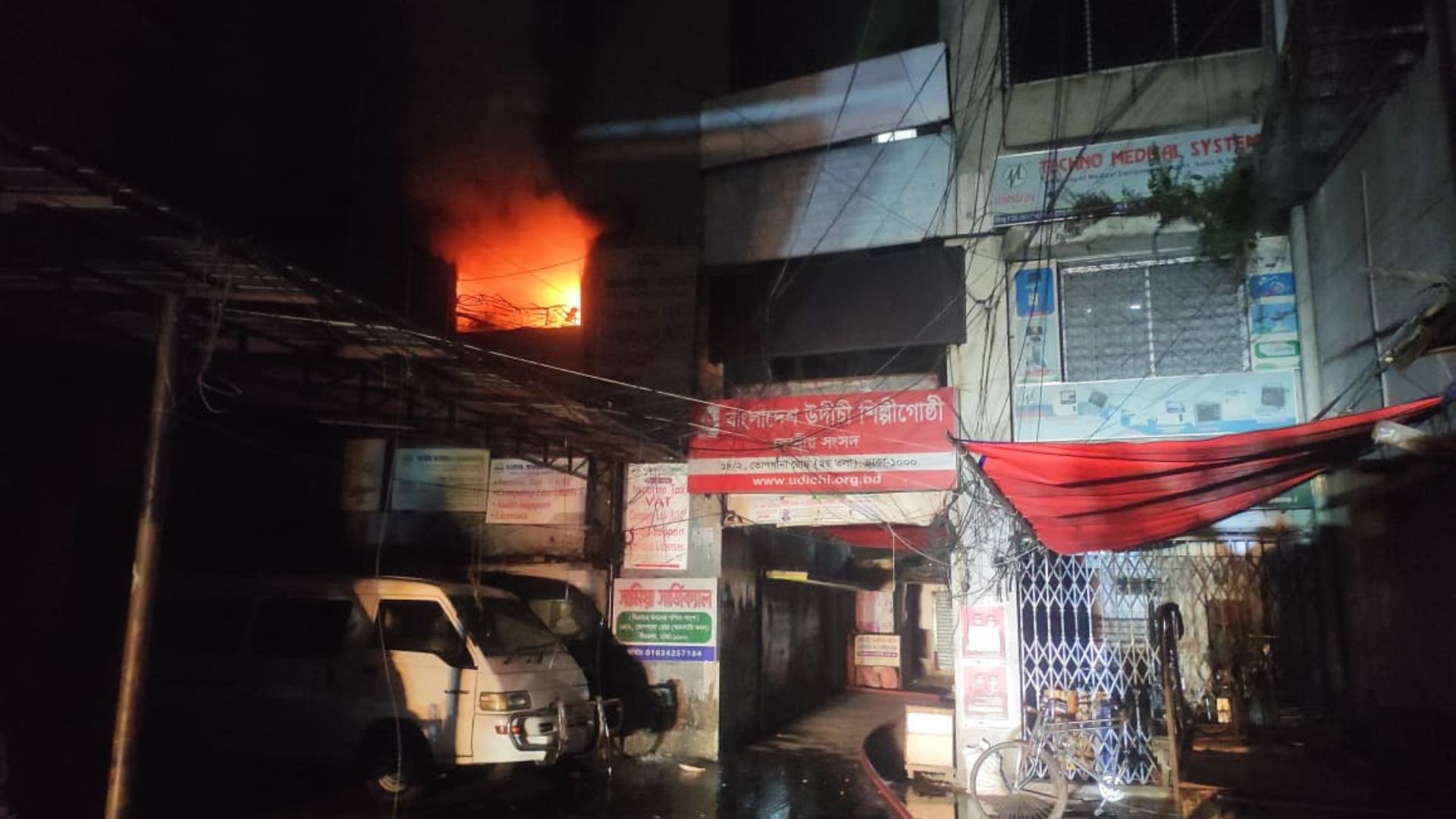
July’s strength lay in the convergence of diverse social groups around democratic freedom rather than any single ideological identity. The post-uprising period, however, saw an increasing attempt to redefine that pluralistic legacy through an exclusionary religio-nationalist political vocabulary. The attack on Indigenous students by members of Students for Sovereignty, vandalism of Chhayanaut, and arson attack on Bangladesh Udichi Shilpigosthi after branding them allies of the Awami League were not isolated incidents. Together, they reflected an effort to narrow the democratic boundaries that July had briefly expanded.
The consequence was not simply disappointment. It was the gradual separation of July from many of the people who had made it possible. The uprising generated extraordinary democratic energy through collective participation, yet its leadership failed to channel that energy towards a genuinely non-discriminatory Bangladesh. The movement survived as a symbol even as its democratic promise faded.
 For all latest news, follow The Daily Star's Google News channel.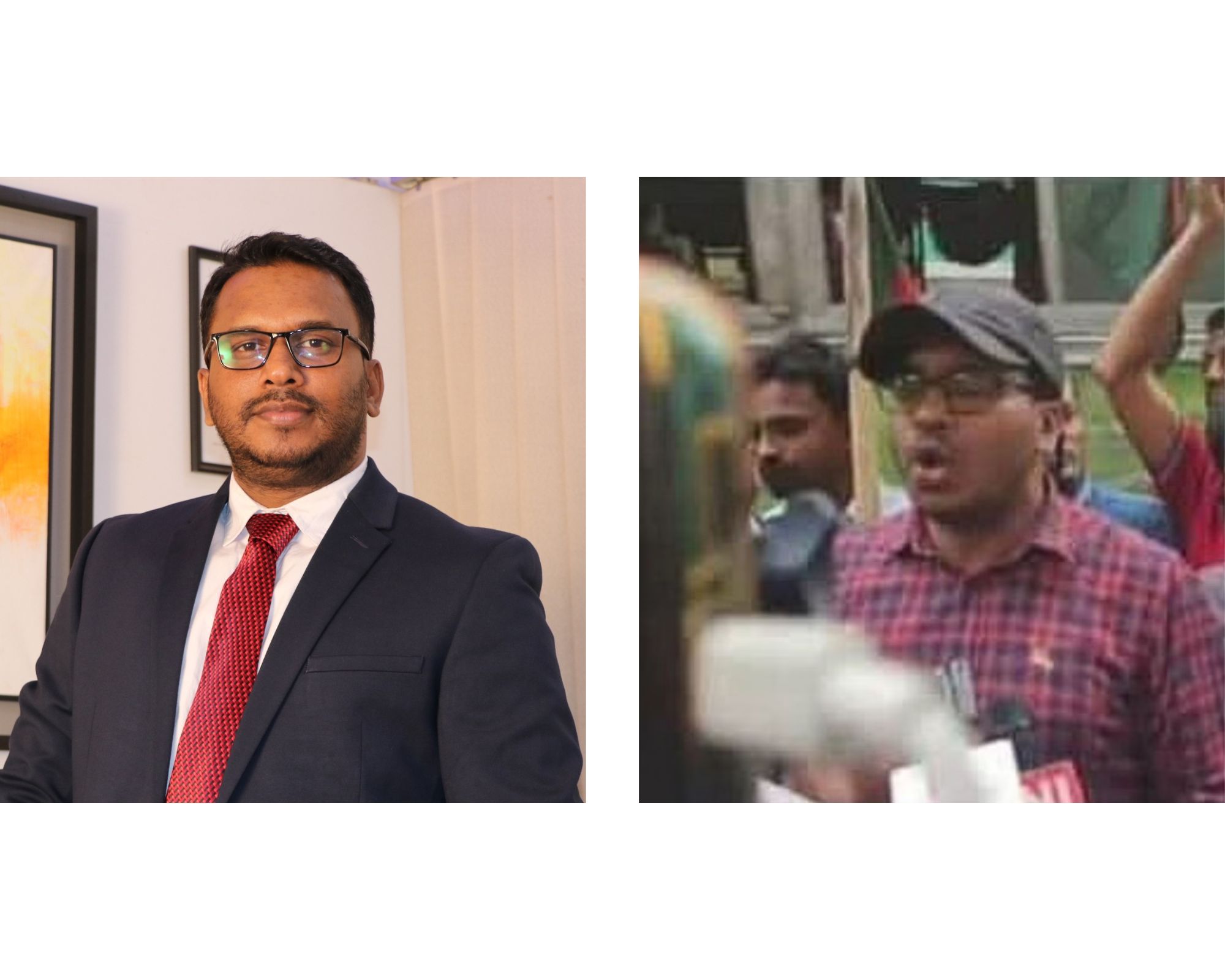
The repression of workers, attacks on Indigenous students, violence against religious minorities, destruction of shrines, coordinated attacks on the offices of the country’s leading newspapers, and persistent inequalities in educational institutions point to a broader political shift. Viewed together, they reveal a common pattern: the struggle that defined July gradually gave way to a political order organised, again, around hierarchy and exclusion.
It is in this sense that the post-July period can be understood as largely a process of right-wing restructuring. This refers not simply to electoral alignments or religious conservatism, but to the redirection of a mass uprising’s democratic energy towards stabilising the existing power structures. The language of reform remained, but the structures of inequality endured. Such restructuring also explains the coexistence of neoliberal governance and moral conservatism. Economic inequality is preserved through policies that protect existing concentrations of power, while moral regulation redirects political frustration towards culture, religion, and gender. The politics of “saving youth” or “ethical reform” thus becomes compatible with the normalisation of inequality. Rather than transforming the conditions that produced the uprising, the new political order risks reproducing them under a different vocabulary.
July belongs to the people whose collective action briefly transformed the boundaries of political possibility. But as long as the structures that produced the uprising endure, it remains unfinished. For true revolution means creating a political space in which those who made history are no longer excluded from shaping the future course.
Nuzia Hasin Rasha is freelance writer, student activist, and Finance Secretary of Biplobi Chhatra Maitree.
Views expressed in this article are the author's own.
Follow The Daily Star Opinion on Facebook for the latest opinions, commentaries, and analyses by experts and professionals. To contribute your article or letter to The Daily Star Opinion, see our guidelines for submission.
Comments