


Let's uplift the women who build Dhaka brick by brick

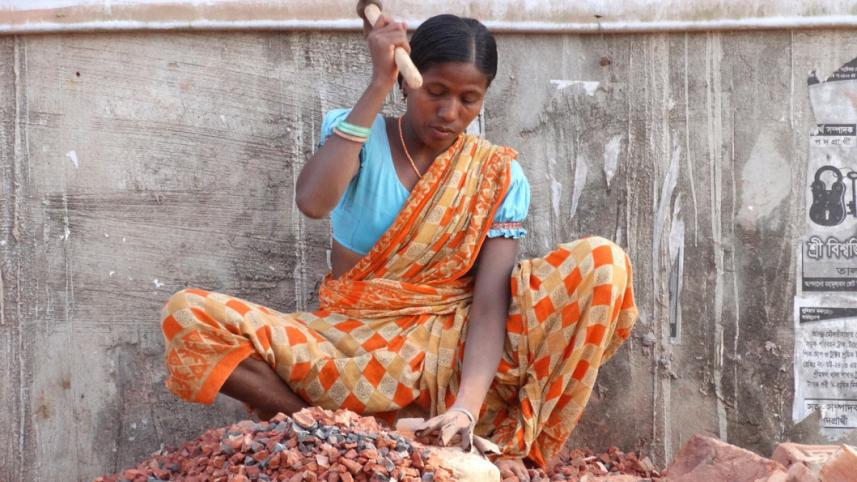
Each morning, long before the city awakens, I envision the women who bear its bones—the bricks, the sand, the mortar—in their hands and upon their heads, walking into the dawn of Dhaka. They are the unseen architects of our skyline, yet so frequently overlooked in every discussion of the city's future. Their faces are weary, their backs bear the load of society's disregard. Yet they rise—sisters, mothers, daughters—constructing not merely buildings, but hope. How may Dhaka truly flourish without nurturing those who hold it up?
The difficulties these women endure are daunting. A whopping 78 percent toil under verbal agreements without contracts or protection, and nearly none enjoy proper sanitation, safety equipment, or maternity leave—according to researchers at South Asian Network on Economic Modelling (Sanem). Almost none of these workplaces have toilets, which forces women to endure unimaginable discomfort, jeopardising their physical well-being, and stripping them of dignity. Added to this, the sun burns them mercilessly, with no respite given even in the most sweltering heat.

Sorrow calls for action, not sympathy. It is within our power to change their lives with tangible measures that are equal parts straightforward and humane.
Let us first formalise their work. Start by registering all women on construction sites, even under a rudimentary ID system. This acknowledgement is not symbolic: it opens doors to healthcare, accident compensation, decent wages, and access to labour protections. Bangladesh's Industrial Policy promotes formalising the informal sector; this is the time to apply it to them.

Second, render worksites gender-responsive. Each site must have a hygienic toilet, shaded resting area, drinkable water, and private corners where women may take a breather. These are not indulgences; they are rights.
Third, offer heat relief and mobile health care. When the heat rises, cooling centres or shaded rest areas with first aid close to work sites can be lifesavers. Even simple water stations would be the difference between falling apart and continuing to construct our city.
Fourth, create childcare options. These women often juggle bricks and babies. Trusted, community-run daycare centres near construction hubs can give them the peace of mind to work without guilt or distraction—and their children the security they deserve.
Fifth, we need to provide training and upward mobility skills. Most come into the industry as unskilled workers and thereby decreasing their bargaining potential and options. Classes could be conducted in evenings or on weekends by women trainers so that the women can earn while they learn.
Sixth, provide social protection and representation. Workers are threatened with eviction, irregular payment, and harassment. Their representation in labour unions must be strengthened and their voices heard in policymaking.
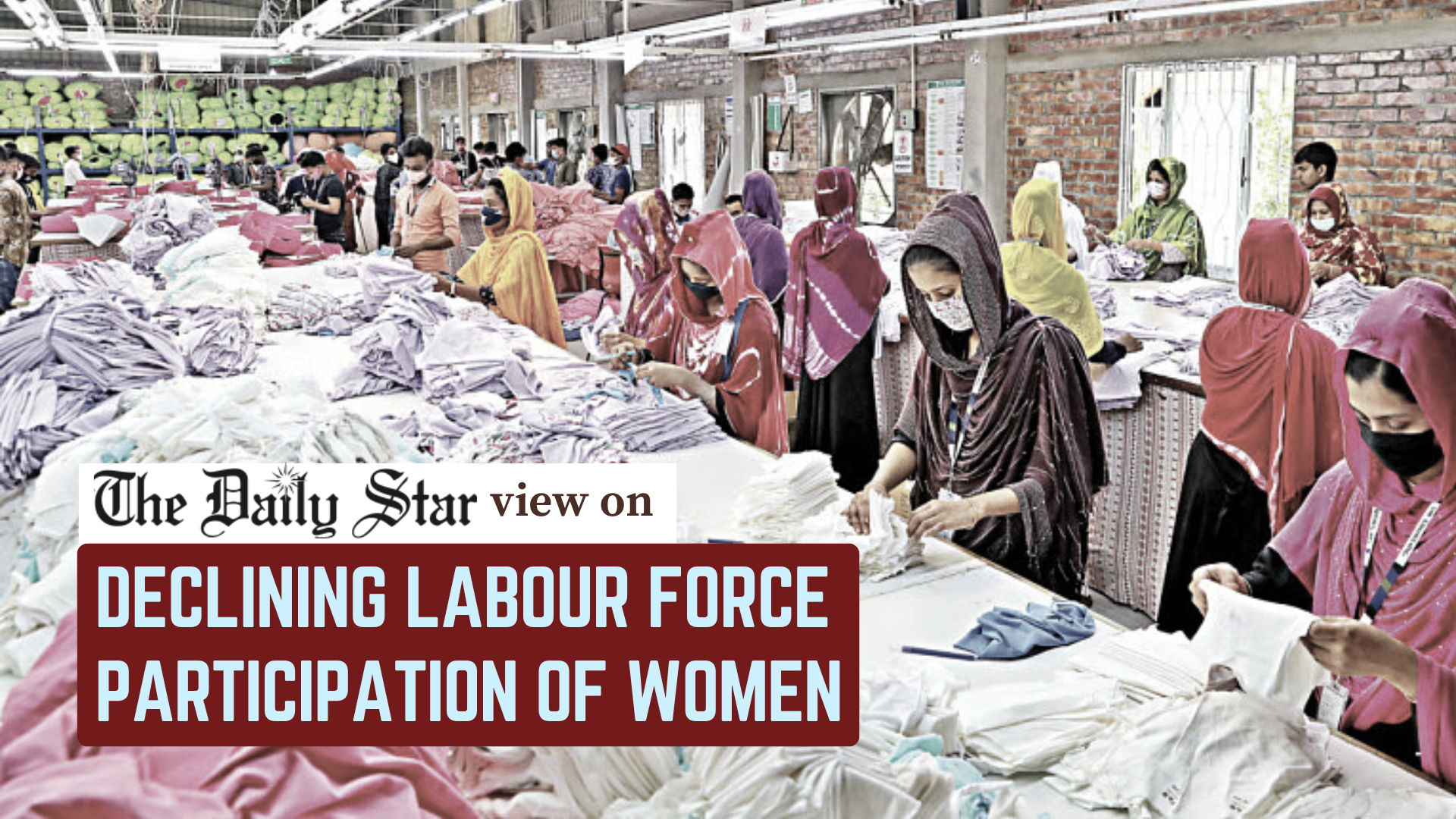
Seventh, change public perceptions through storytelling. Social stigma still surrounds women in male-dominated spaces. Let's make their presence normal through stories and media—a mother working for her child's education, a daughter saving for tuition fees, a neighbour providing shade and water. These stories can create empathy and respect, not sympathy.
Eighth, utilise NGOs and microfinance networks. Institutions such as the Bangladesh Homeworkers Women Association (BHWA) have a long history of organising informal sector women workers. Collaboration with them can promote micro-credit schemes, health funds, and community savings groups—all based on trust and local accountability.
Ninth, it is necessary to integrate them into gender policy structures. Informal women construction workers must be included in all reports, strategies, and budgeting decisions.
Dhaka cannot be built on bones that break. Let us not only recognise these women's labour, but uplift it through dignity, safety, and opportunity. Encourage collaboration between city planners, health departments, labour ministries, and women's wings to ensure their inclusion in every relief plan, design proposal, and training initiative.
Such actions should not be categorised as acts of charity; rather, they represent investments. These investments result in more robust, healthier, and inclusive growth. When women construct Dhaka under equitable circumstances, they create not merely housing but also resilience. When they are recognised, safeguarded, and empowered, they serve as the cornerstone of our collective future.
Major Shajeda Akter Moni is deputy director at Research Centre of Bangladesh University of Professionals (BUP).
Views expressed in this article are the author's own.
Follow The Daily Star Opinion on Facebook for the latest opinions, commentaries, and analyses by experts and professionals. To contribute your article or letter to The Daily Star Opinion, see our guidelines for submission.
 For all latest news, follow The Daily Star's Google News channel.
Comments