


Markets abroad balance profit and festival spirit, why can’t we?

There is something remarkable about how markets operate abroad during major festivals, especially in the final weeks preceding a holiday. Instead of hiking prices, retailers slash them significantly.
For instance, Christmas in the UK—the biggest festival in the West—triggers massive retail discounts. A kilogramme of carrots, a staple of the Christmas roast, that usually sells for one pound (approximately Tk 165) is sold for as low as 15 pence (Tk 24) during the festive week. Similarly, a 2kg bag of potatoes or parsnips, usually priced around one pound per kg, can be found for under 20 pence. Even the traditional six-pack of mince pies, which usually costs two to three pounds, is often offered for one pound or less in December.

This trend isn’t exclusive to Christmas. In Muslim-majority neighbourhoods in the UK, the same phenomenon occurs before Ramadan. Where I live, big discounts on Asian groceries began a month ago. Cooking oil that was two pounds is now 1.50 pounds. Rice prices have been slashed by half. Significant price reductions are evident in chickpeas, onions, and other iftar essentials.
In the developed world, festivals are seen as an opportunity for “volume sales,” earning profit by selling more at a lower price. This system is not only affordable for consumers but also ensures that the joy of the festival reaches everyone.
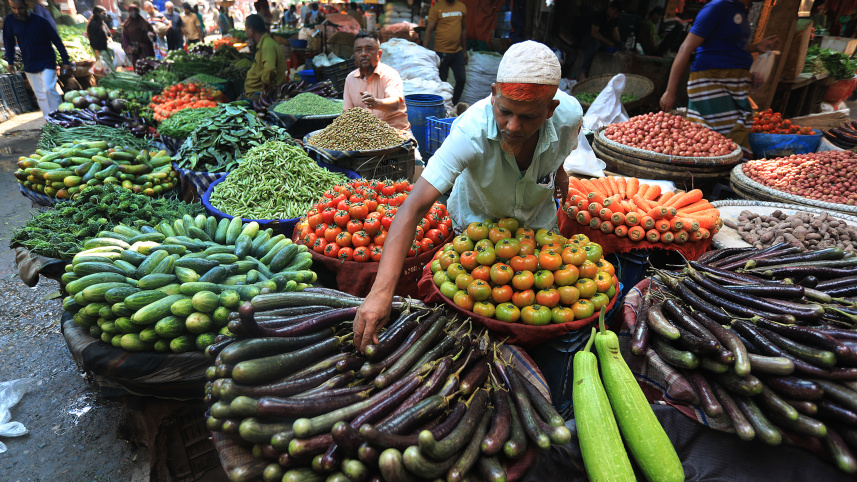
Contrast this with Bangladesh, where a culture of excessive profit dominates festivals. As soon as Ramadan approaches, prices of essentials skyrocket. For instance, the cost of lemons and limes rose by Tk 20-30 on average this year; in some kitchen markets, four pieces of this fruit were selling for around Tk 150-200 on the second day of the Islamic holy month. A similar price hike is seen for other Ramadan essentials such as cucumber, dates, certain varieties of bananas, and papayas. Even dresses originally priced at Tk 1,000 are sold for Tk 3,000.
Why such a stark difference? Let’s look at the economics first. Abroad, businesses purchase in bulk; import costs are low; most food items are exempt from import taxes; and logistics are fast and inexpensive, with low-cost cold storage. By keeping prices low when demand is high, they move more inventory. Total revenue remains stable because of price elasticity. This ensures businesses’ profitability during the festive season.
In Bangladesh, however, we face high import duties, bureaucratic delays, a lack of cold storage, a faulty agricultural supply chain, and the notorious “syndicates.” Then there are the issues of extortion and the archaic system of “leasing” out kitchen markets. In the digital age, registered traders should be able to pay fees directly to the government treasury, thereby drastically reducing market-based corruption.
Two major structural flaws contribute to our market instability. First is the “multi-layered middleman” crisis. In Bangladesh, a vegetable changes hands five to seven times before reaching the urban consumer. Each “faria” or middleman adds a margin without adding any value to the product, often inflating the price by 300 percent from the farm gate.
To solve this, we must establish direct farmer-to-consumer channels. By creating government-backed digital platforms, or “farmers’ markets,” where growers can sell directly to retailers or consumers, we can bypass the exploitative intermediaries that thrive during Ramadan.
Second is the absence of “real-time market intelligence.” In the UK, supermarkets use sophisticated data to predict demand and manage stock. In Bangladesh, our authorities often work with outdated or fabricated data on local production and stock. This information gap allows syndicates to create “artificial crises” even when supply is abundant. The solution lies in a national digital food dashboard. By tracking the movement of every tonne of onion or sugar from the port or farm to the warehouse in real-time, the government can intervene the moment a hoarders’ syndicate tries to choke the supply.
Beyond economics lies the issue of moral bankruptcy. Some traders hoard, overcharge, and adulterate food, ignoring the true spirit of Ramadan. True humanity requires integrity. One cannot be a “good believer” while actively deceiving the public. Claiming to be devout but acting as an opportunist does not make a person a good follower of any faith, let alone a good human being.
To curb this, we need the strict application of the law to bring dishonest traders to heel. If the Directorate of National Consumer Rights Protection and law enforcement agencies maintain the same vigour throughout the year as they often do for a few photo-ops, these moral hazards can be kept in check.
It is time for the Bangladeshi market to evolve. In the West, the “spirit of giving” is reflected in the price tag. In our country, a “spirit of greed” unfortunately takes over. We must realise that a sustainable economy is built on the happiness of the masses, not the bulging pockets of a few hoarders. Let the blessings of Ramadan be reflected in our fairness and our humanity.
Mahtab Uddin is a doctoral researcher at the University of Manchester and assistant professor of economics at the University of Dhaka. He can be reached at mahtab.ud@gmail.com.
Views expressed in this article are the author's own.
Follow The Daily Star Opinion on Facebook for the latest opinions, commentaries, and analyses by experts and professionals. To contribute your article or letter to The Daily Star Opinion, see our guidelines for submission.
 For all latest news, follow The Daily Star's Google News channel.
Comments