


The darker side of Bangladesh's World Cup fever

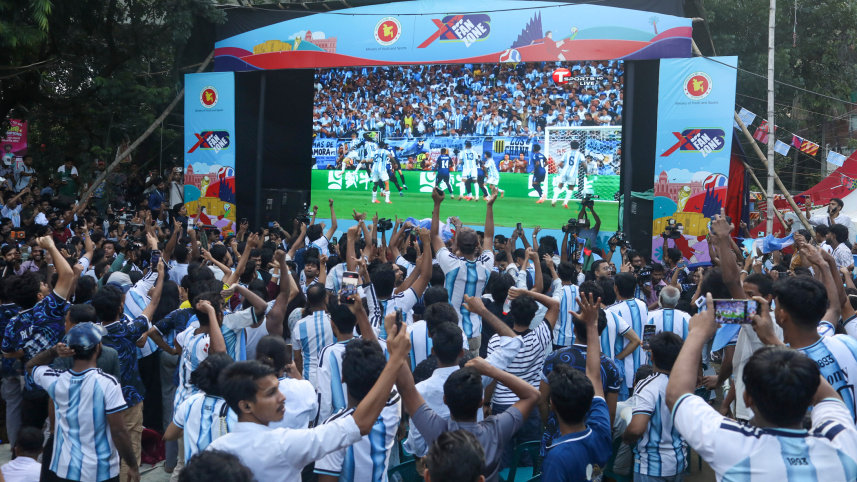
The fierce battle of the FIFA World Cup 2026 kicked off in June, and Bangladesh has already witnessed its share of violence. On June 3, a friendly local match between the supporters of Argentina and Brazil in the Kashipur village of Habiganj resulted in many people getting injured in a violent confrontation. Although winning the World Cup may be a distant dream for Bangladesh, the country becomes passionately divided during the World Cup season. The streets and every locality are draped in blue and white stripes of Argentina or the green and yellow of Brazil. Neighbours, relatives, and friends who share meals together become rivals overnight.
This passion for football runs deep. It began when satellite television reached Bangladeshi households. People have grown up idolising some of the greatest football players from Brazil and Argentina. Loyalty to Brazil and Argentina has become a matter of identity. The FIFA World Cup has turned into a month-long celebration. Television, mobile, and public and community screens have become places for friends and family to gather and support their favourite team.

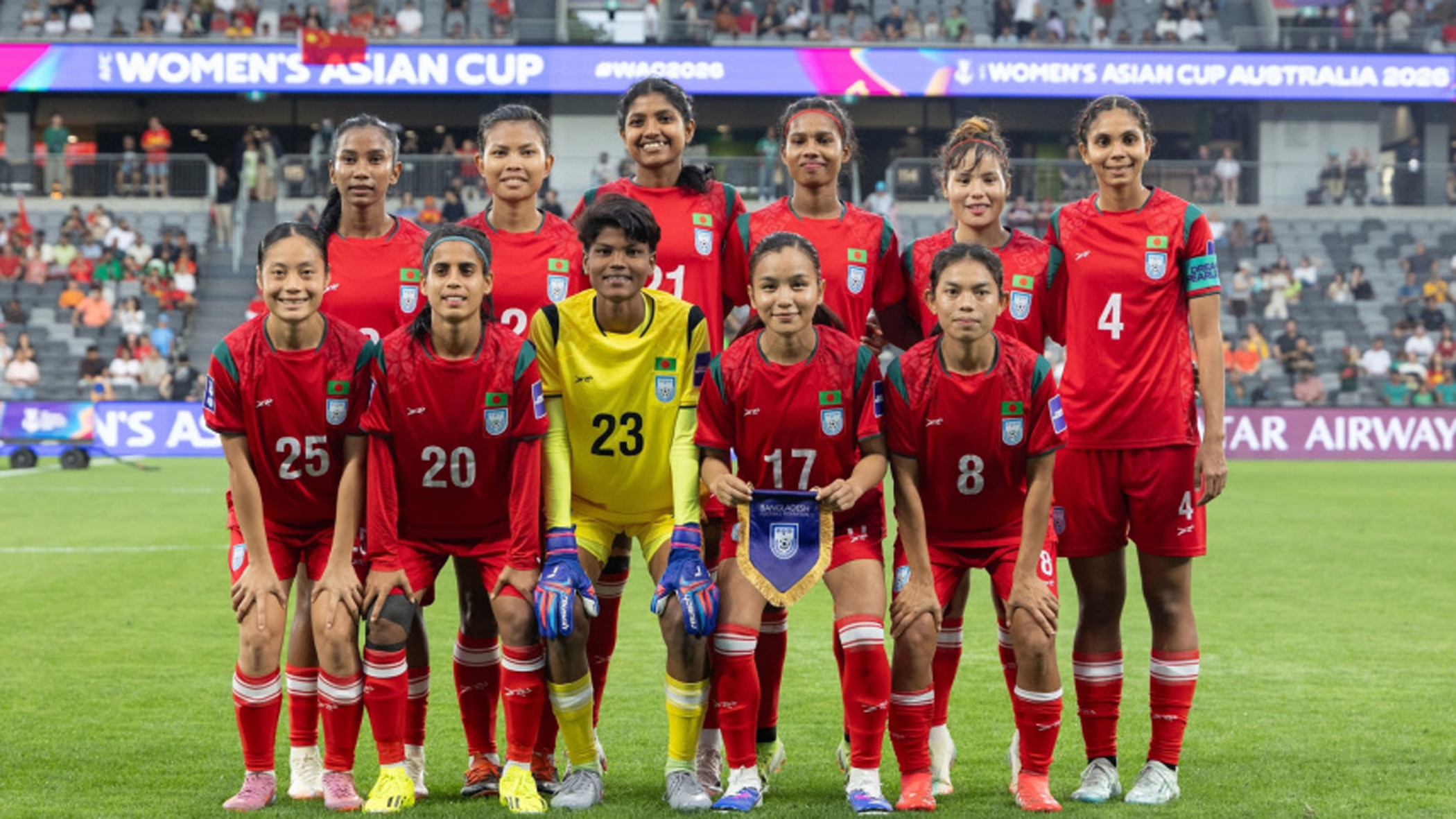
However, this passion can quickly turn into violence. The incident in Kashipur is not an isolated event but rather the latest chapter in a pattern that has recurred during every World Cup over the last few decades. During the 2022 World Cup, five people were killed during altercations among rival fans. There were also 35 hospitalisations and 45 injuries. A particularly shocking event that happened the same year was when 300 people clashed, injuring at least seven.
The violent behaviour of fans and why sports rivalries escalate so rapidly can be explained with the Bedouin syndrome. It refers to a socialisation concept based on four premises of social alliances: i) a friend of my friend is my friend; ii) a friend of my enemy is my enemy; iii) an enemy of my friend is my enemy; and iv) an enemy of my enemy is my friend. When reading it, it seems a harmless concept, even logical, but when it is applied to hundreds of youth in a charged sports rivalry, it becomes a blueprint for mass violence. As a criminology student and researcher, I view this recurring violence during the FIFA World Cup as a manifestation of group identity and collective aggression. A single argument between two rivals becomes a confrontation between two entire communities. In Bangladesh, closely knit communities and deep neighbourhood roots create the perfect environment for the Bedouin syndrome, making football fandom a matter of territorial loyalty rather than personal choice.
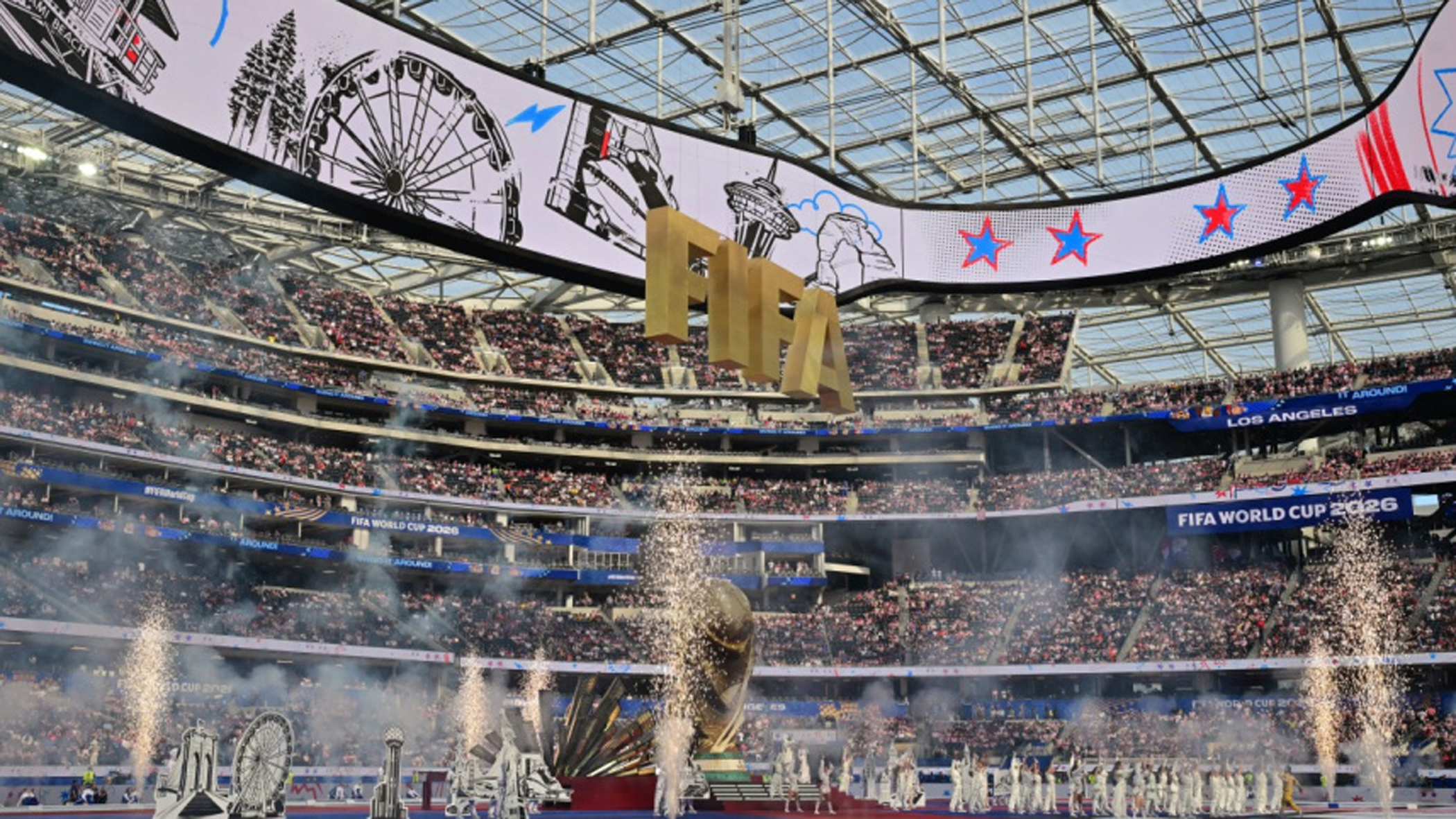
It is a predictable recurrence during the FIFA World Cup, yet the institutional response has always been reactive rather than predictive. Although the authorities have four years to prepare, no national framework exists to manage fan behaviour during the World Cup. First, police should conduct risk mapping of localities and neighbourhoods with a history of violence. Community policing should be initiated by engaging youth groups and community leaders. Secondly, local authorities should organise supervised public screenings of emotionally charged matches. The authorities, volunteers, and community leaders can curb tension and manage public behaviour. Thirdly, the promotion of sportsmanship among supporters on social media, television, and in schools, colleges, and universities should be carried out through an awareness programme. This should remind fans that loyalty should not turn into rivalry with supporters of other teams. Finally, online bullying, insults, rumours, and provocative content intensify rivalry and often escalate into offline confrontation. So during major tournaments, social media should be closely monitored by the authorities.
The FIFA World Cup has weeks to run after the knockout, with the most emotionally charged matches of the tournament yet to come. The youth would gather in thousands to watch the game on screen, armed with colourful jerseys bound with fierce loyalties. The challenge is not that our people are passionate about football, but whether the authorities can ensure this passion remains a celebration rather than a source of violence.
Most. Farhana Azad Shanta is MSS student of criminology at Dhaka University. She can be reached at shantaazad6920@gmail.com.
Views expressed in this article are the author's own.
Follow The Daily Star Opinion on Facebook for the latest opinions, commentaries, and analyses by experts and professionals. To contribute your article or letter to The Daily Star Opinion, see our guidelines for submission.
 For all latest news, follow The Daily Star's Google News channel.
Comments