


Time to build on the NHRC momentum to protect human rights

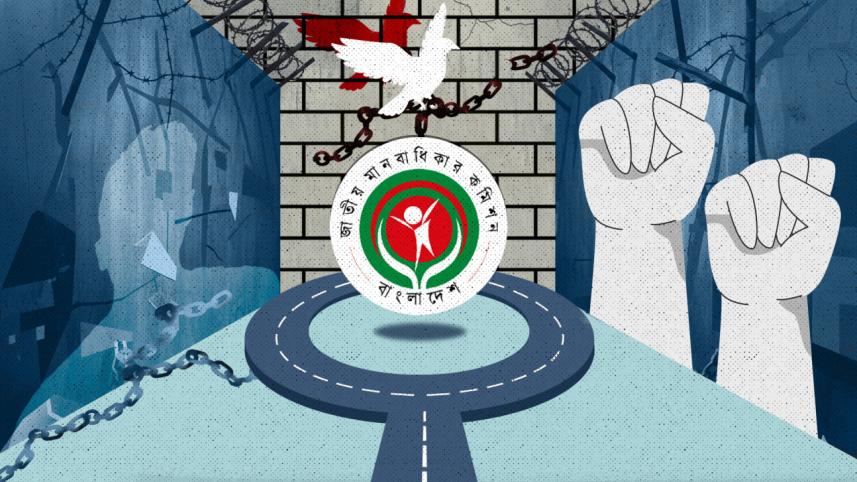
On December 10, the world pauses to commemorate Human Rights Day, recalling the adoption of the Universal Declaration of Human Rights in 1948. That landmark text enshrined dignity, equality, and justice as universal values. For Bangladesh, this year's observance carries a particular weight. It comes at a moment when recent reforms—including the adoption of a new legal framework for the National Human Rights Commission (NHRC)—offer a rare chance to move beyond aspirations and begin building institutions that can deliver real protection every day. This opportunity must not be missed. It is a mandate to government, civil society, and human rights defenders alike, and one that international partners stand ready to support.
The urgency of reform is underscored by wounds that remain raw. Violence against protesters in the summer of 2024 shook the nation's conscience. A fact-finding report by the Office of the United Nations High Commissioner for Human Rights (OHCHR) documented killings, life-altering injuries, and arbitrary detentions. The Commission of Inquiry on Enforced Disappearances reviewed hundreds of cases, exposing patterns of abuse that have scarred families and communities. Behind these reports are the lives of ordinary people: parents searching for disappeared children; survivors carrying the physical and psychological marks of arbitrary detention and torture; a media landscape bruised by repression; and civil society structures tested by attempts at silencing. Trust in institutions cannot be rebuilt overnight, but disillusionment should not deter reform aspirations.

The revision of the NHRC's legal basis marks a departure from past practice. More than 600 voices—victims, human rights defenders, and community representatives from Cox's Bazar to Rajshahi—contributed to consultations in person and online. Their accounts were painful, their scepticism palpable, yet their willingness to engage demonstrated remarkable resilience. Expert input from the United Nations and others enriched the process. For the first time, Bangladesh witnessed human rights legislation shaped by those it is meant to protect. The result is the new 2025 NHRC Ordinance that replaced the long-criticised NHRC Act, 2009. It strengthens independence, revamps the appointment process for commissioners, expands investigative powers, and authorises the NHRC to act as a torture prevention mechanism through visits to detention facilities. While still not satisfying everyone's expectations, it is a genuine attempt to empower an institution long criticised as ineffective.
Of course, implementation of the ordinance will be the true measure of the success of this reform, and the moment to act is now. As a first and most urgent step, commissioners must be appointed transparently to start the required internal reforms of the NHRC, and the necessary resources must be allocated. The NHRC can become a platform for civil society, human rights defenders, and victims who have waited too long for credible protection. But its strength will depend on collective will. The new parliament will be called upon to endorse the ordinance and give the NHRC a constitutional footing.
Human Rights Day 2025 can be more than a commemoration. It can be the turning point when Bangladesh moves from reflection to action, when the new National Human Rights Commission and other reformed institutions established on paper are also empowered to deliver justice, accountability, and protection. The interim government, incoming leadership, and every citizen share this responsibility. These reforms are not an end in themselves but the foundation for a prosperous and peaceful future. At UNDP, we remain steadfast in our commitment to walk with Bangladesh on this journey—from painful lessons to a hopeful future, where rights are both declared and delivered.
Stefan Liller is resident representative of the United Nations Development Programme (UNDP) in Bangladesh.
Views expressed in this article are the author's own.
Follow The Daily Star Opinion on Facebook for the latest opinions, commentaries, and analyses by experts and professionals. To contribute your article or letter to The Daily Star Opinion, see our guidelines for submission.
 For all latest news, follow The Daily Star's Google News channel.
Comments