


Last-minute study strategies that actually work
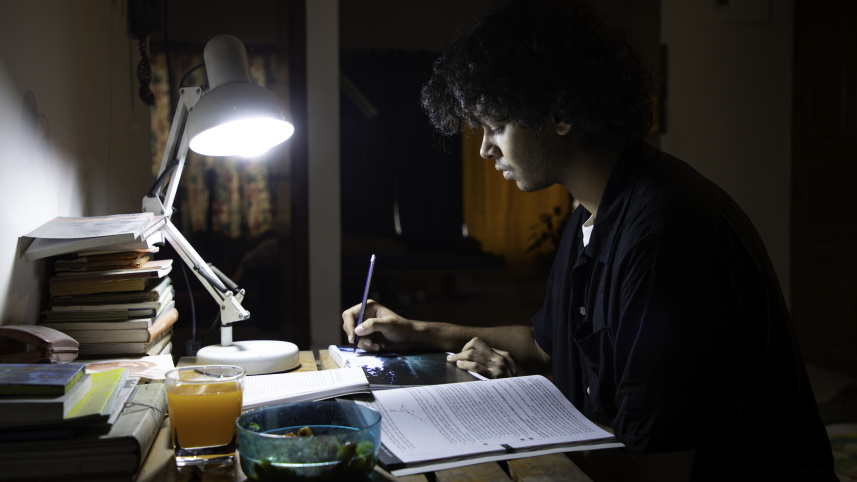
There’s a reason everybody recommends studying before the test instead of doing it at the last minute. There’s also a reason there are so many strategies for studying effectively without leaving everything to the night before. It’s the simplest way to avoid brain overload, stress, and the lack of sleep that usually comes before an exam. But if you find yourself in that predicament – barely one night or less left before a dreadful exam, and wondering whether you can even pass – there are still a few strategies you can pull off. You’ll only need a lot of audacity, some caffeine, and an almost unreasonable amount of determination.
The first thing is your mindset. Don’t overthink the number of hours left or countdown to them; you need to believe that you can absolutely do it. Instead of overthinking the marks you can get, you need to focus on trying your absolute best in the time left. Try to make the environment as comfortable as possible, like having lo-fi beats, lighting a candle, and creating a space where you won’t be disturbed. Try to reduce distractions and de-stress, and put yourself on a Pomodoro timer to stay focused.

Before studying, it helps to pull up the syllabus. It sounds basic, but there’s a specific way to study smart once you know exactly what you have to study. Right away, you need to accept there’s a chance you may not be able to cover everything, so from the syllabus, you need to analyse everything critically. If it’s mathematics, figure out which topics form the foundation for the others. If it’s a theory, make a list of the biggest chunks of the syllabus or the parts the teacher focused on most. Often, there’s a central topic that acts as the backbone for everything else. Learning that foundation first, or focusing on the largest and most emphasised sections, should be your priority. When you’re short on time, you need to use your brain while it’s still functioning, so targeting what is most likely to appear on the exam is essential.
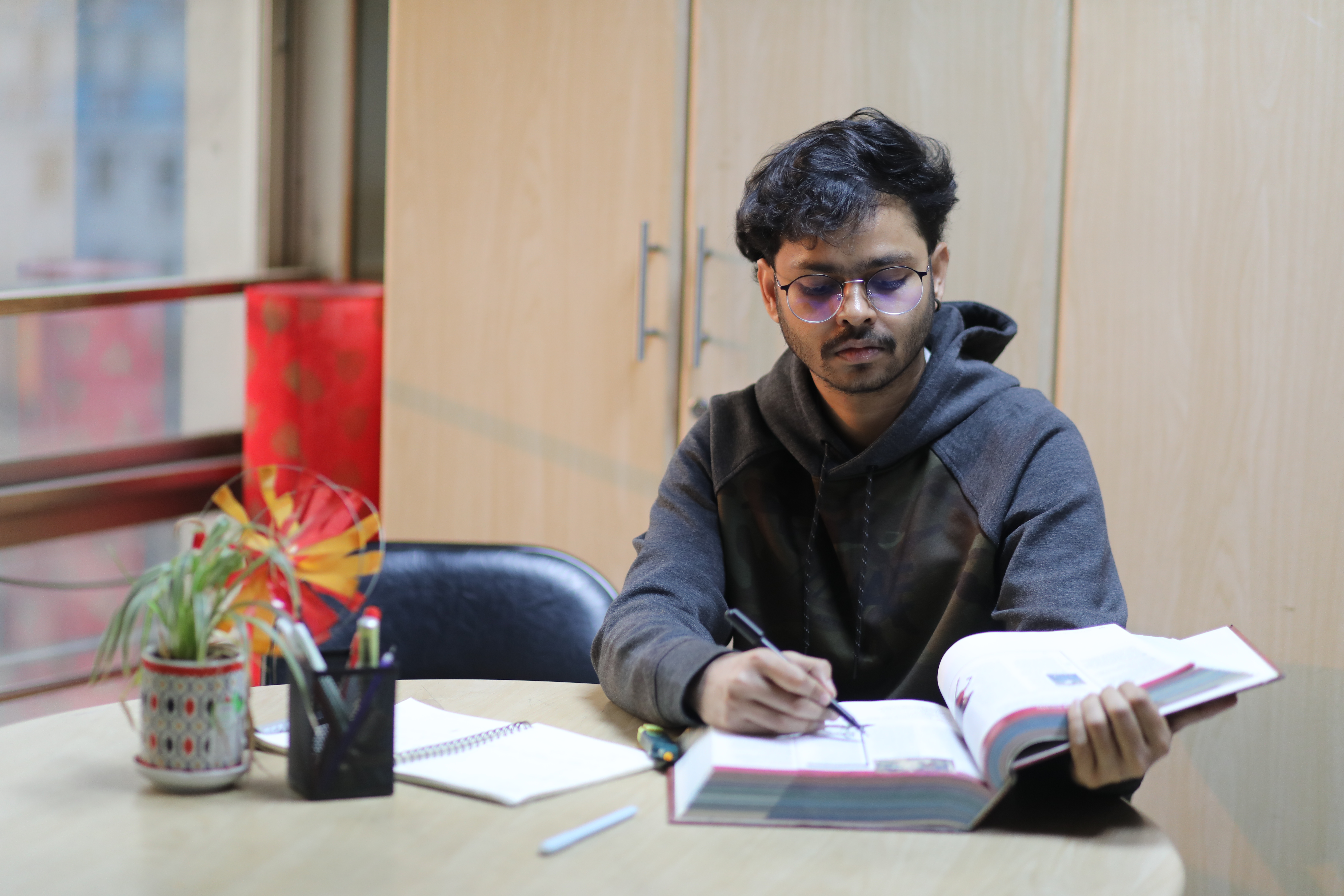
Trying to complete the entire syllabus with no sleep can easily lead to a worse performance and a lot of wasted hours. Instead, figure out how much time you have and divide the syllabus across that time. If it’s maths, focus on only one or two problems from each chapter, preferably the hardest ones, and keep the solution book handy; use the solution book to understand the problem-solving process to follow. If it’s theory, your best bet is to organise ideas through simple flowcharts, connecting concepts logically rather than trying to memorise everything.
This is also not the time to make perfect notes; it’s the time to maximise actual learning. This means using active recall, talking through ideas out loud, and quizzing yourself constantly. You also need to recognise whether something truly needs memorisation or whether understanding it once is enough to reproduce it later in your own words.
Another thing during cramming is that we often end up in a strange daze after a few hours, where we’re reading it but not retaining it. Reading the same pages again might feel productive, but it rarely sticks under pressure. If it’s maths, actually solve problems without looking at the answers first. If it’s a theory, close the book and try to explain the topic from memory, then check what you missed. The goal is to simulate the exam as closely as possible, because struggling a little while practising helps your brain remember far more than simply rereading.
Regardless of the time crunch, try to aim for a minimum of five hours of sleep; create flowcharts before you sleep to revise as soon as you wake up. If there’s any part of the syllabus left, utilise each minute to understand definitions so that the premise of the topics is at least familiar if it does end up showing at your exam. Caffeine and, if possible, a shower before the exam will help; if you can, try to do a fast go-through of the syllabus with your friend before the exam.
It’s not impossible to do well with less time on your hands. It’s just incredibly challenging, awfully stressful, and a huge risk to take; there’s nothing quite like the draining exhaustion that hits as soon as the exam ends. The biggest thing is that this is all avoidable, so while it could be a one-time thing, try not to make it a habit.
Tinath Zaeba is an optimistic daydreamer, a cat mom of five, and a student of Economics at North South University. Get in touch via tinathzaeba25@gmail.com.
 For all latest news, follow The Daily Star's Google News channel.
Comments