


Combatting Violence Against Women: Translating Evidence to Actions
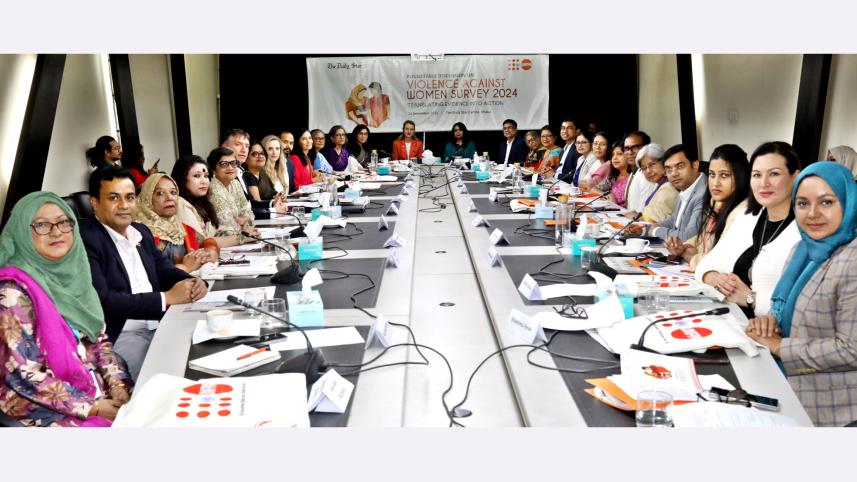
A roundtable titled "Violence Against Women Survey 2024: Translating Evidence Into Actions" was held on 24 November 2025, at The Daily Star Centre, Dhaka. Jointly organised by United Nations Population Fund (UNFPA) and The Daily Star.

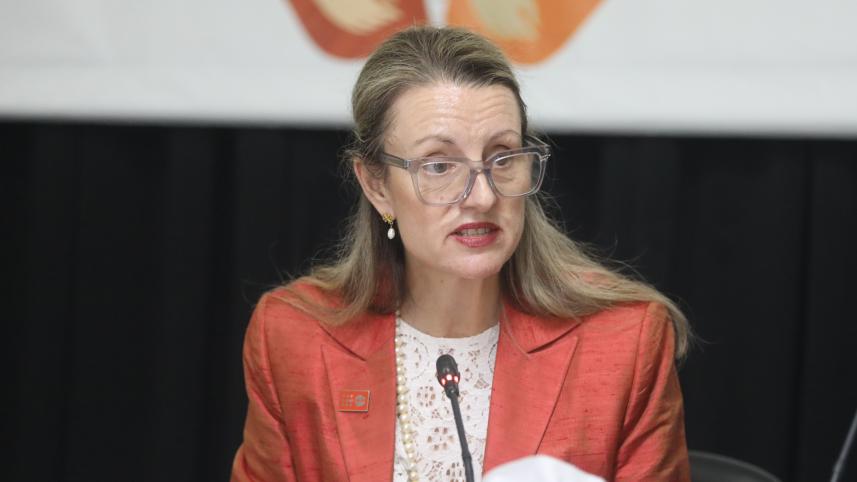
Catherine Breen Kamkong
Country Representative
UNFPA Bangladesh
Violence against women continues to become increasingly normalised, while existing prevention measures remain insufficient to address the growing crisis. This survey, which UNFPA is proud to support, provides a robust evidence base that places Bangladesh on the map for generating this in-depth data. But the statistics are alarming: three in four women experience violence in their lifetime, and one in two currently faces intimate partner violence. Technology-facilitated abuse is rapidly emerging. This data creates an absolute urgency we must all share. To translate it into action, we need everyone here and beyond better coordination, pooled resources, and collective will. I am reminded of a midwife in Papua New Guinea who faced severe violence simply for returning home late from training; we must ensure the brave women who shared their stories for this survey see real difference from their courage.
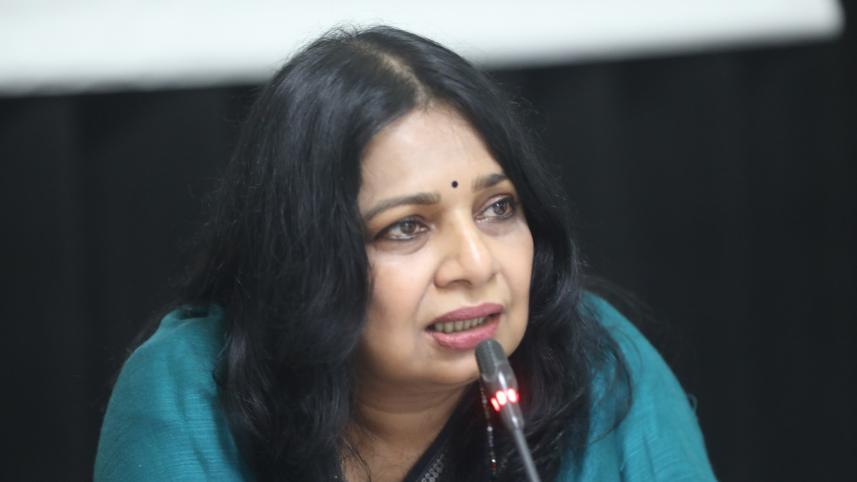
Aasha Mehreen Amin
Joint Editor
The Daily Star
Reading this report is a profoundly grim experience. We see these devastating statistics annually, yet they only seem to worsen. I appreciate everyone's presence to address this immediate crisis. Your relentless advocacy is crucial, but we face formidable obstacles from various quarters. We must push harder. For media like us, such evidence is vital for accurate, impactful reporting. The insights are horrifying: unbelievable levels of intimate partner violence, vulnerable adolescents with little protection, and a shocking silence where even helplines see only 50% engagement. The problem is enormous. While grassroots work and discussion are essential, we must ultimately hold our political, religious, and governmental leaders directly responsible. Sustainable change hinges on their commitment.
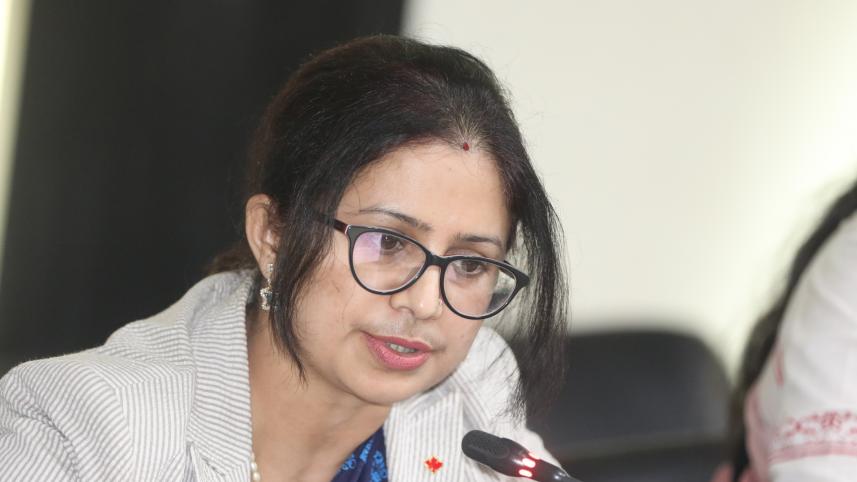
Minakhi Biswas
Project Director
Bangladesh Bureau of Statistics (BBS)
(Keynote Presenter)
This third round Violence Against Women Survey, led by BBS with UNFPA support, offers expanded, deeper insights. It measures Intimate Partner Violence: physical, sexual, psychological, economic and Non-Partner Violence. We surveyed 28,800 households nationally. While lifetime IPV has decreased from 83% (2015) to 76% (2024), the reality remains severe: 49% experienced it in the past year. Psychological control is most prevalent at 67.6%. Adolescents are most vulnerable. Disturbingly, 7% faced violence during pregnancy. A new focus is technology-facilitated GBV, reported by 8% of women. Critically, 64% of survivors tell no one, and only 7% seek legal help. Barriers include stigma, fear, and institutional distrust. Education is a key protective factor. Our recommendations include a dedicated GBV workforce, better mental health support, and institutionalising this survey every 5-10 years.
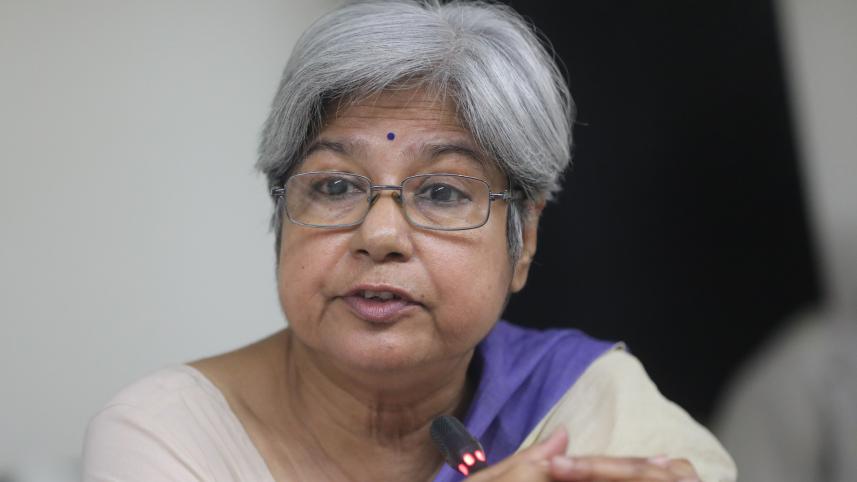
Dr Ruchira Tabassum Naved
Emeritus Scientist
ICDDR,B
We need dedicated studies for issues like economic violence, which aren't fully captured here. This BBS survey is welcome and needed. The data confirms known patterns: violence is a behavioural pattern, not a single incident, with significant overlap between types. Help-seeking progress is virtually nil; survivors see it as futile. While prevention is paramount, we must strengthen support. Some trends concern me. The reported decline in IPV seems stark against global estimates and felt reality. Including tech-facilitated violence is timely.
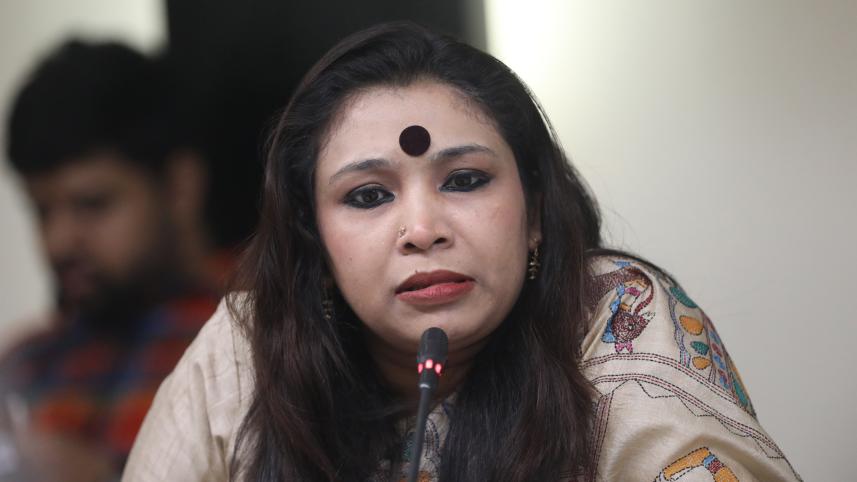
Dr Rezwana Karim Snigdha
Associate Professor
Jahangirnagar University
This empirical data is invaluable, providing the documented proof we need when our advocacy is questioned. On youth and academia, we must understand that intimate partner violence is intrinsically linked to culturally constructed masculinity; unless we intervene in how boys learn to 'be men', we cannot address the root cause. Furthermore, violence is now 'hybrid', occurring in overlapping forms, from digital spaces to reproductive coercion, exacerbated by factors like caste or disaster vulnerability. A critical practical gap is knowledge: in a casual survey of my own students, not one knew where to seek help. We urgently need survivor-centred counselling pathways and robust legal guidance. Breaking norms requires media engagement and a collective, intersectional approach, moving beyond rhetoric to tangible support systems women can actually access and trust, bridging the chasm between experience and justice.
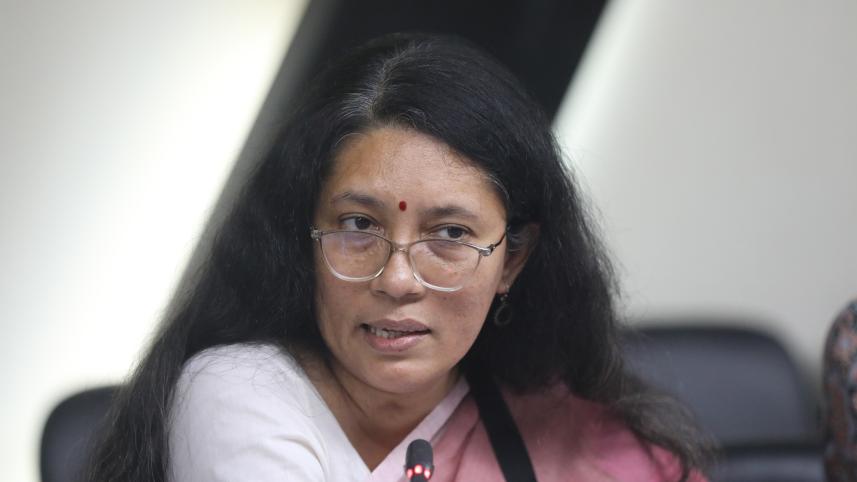
Dr. Samina Luthfa
Professor – Department of Sociology
University of Dhaka
This survey powerfully reinforces what we've long asserted with data. I caution against one finding: stating working women face more violence risks creating access barriers. We must unpack intervening variables. Education appears protective, but under what conditions? At the macro level, we must scrutinise state mechanisms: are DNA labs and One-Stop Crisis Centres truly accessible? A major gap exists between legal-judicial and law enforcement processes; they lack a shared perspective on VAW. In higher education, harassment cells are underfunded and overwhelmed. Furthermore, media's glorified portrayal of violence normalises it. Finally, severe cyberbullying targets vocal women and young activists, potentially driving them from public life back into hazardous domestic spaces, fuelling more violence.
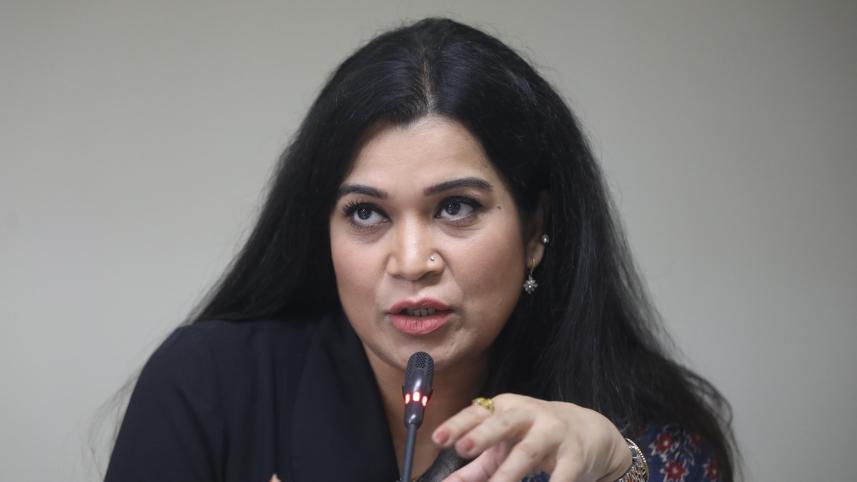
Kazi Jesin
Journalist & Media Personality
Current data is disturbing, and a new survey would likely be worse. Beyond traditional violence, tech-facilitated GBV is an alarming new trend. Politically, we anticipated greater emancipation, but women in politics face derogatory labels with no state condemnation. In media, women speaking out are similarly smeared. When the state sides with harassers, as with the smoking girls incident, it sends a dangerous message. Proposed policies rewarding women for staying at home ignore the violence within homes. We now fight online mobs. Tech violence is direct or indirect (anonymous trolling). We must engage platforms like Meta to develop country-specific policies and legal accountability for harassment. We must also combat 'information autocracy' wielded by powerful groups through relentless dialogue.
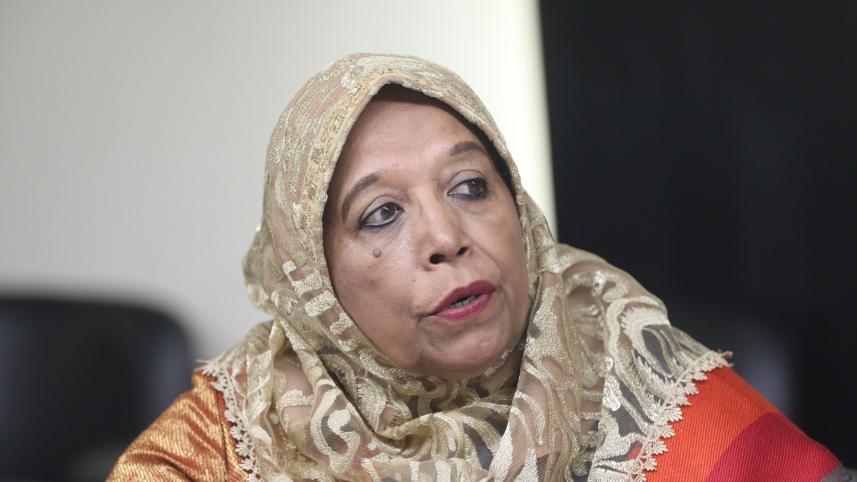
Professor Firoza Begum
President
Obstetrical and Gynaecological Society of Bangladesh (OGSB)
In our male-dominated society, violence will continue for the foreseeable future. As medical professionals at the Dhaka Medical College One-Stop Crisis Centre, we treat survivors, but most never reach us. Fear, poverty, and lack of options force silence. Many victims are poor and cannot afford disclosure. Some, with husbands abroad, face violence from others. Our primary role is raising awareness within communities and among women themselves, empowering them with knowledge of legal rights and support pathways. Treatment alone is insufficient; prevention through education and accessible legal aid is critical. We must make women aware that help exists and that they need not suffer in isolation.
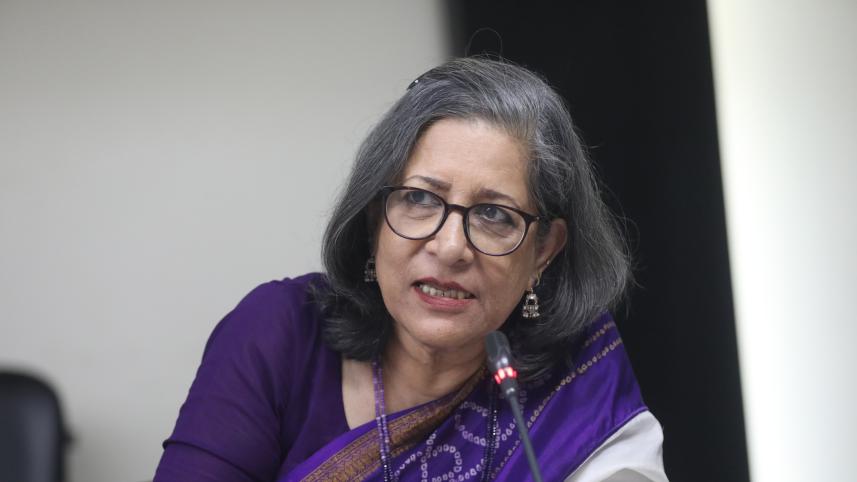
Farah Kabir
Country Director
ActionAid Bangladesh
The report's findings are sadly unsurprising; the pain lies in our persistent failure to solve this. Violence has become normalised, and self-sacrifice expected of women. A core issue is institutional mistrust if people don't trust systems, they won't use them. We must change the mindset that a woman's purpose is defined by marriage. Economic empowerment alone isn't a shield; it can even trigger new violence. Notably, violence in affluent homes is often hidden to maintain 'respectability'. Our approach must be multifaceted: increase investment in education and health, address digital violence, and crucially, focus on men's mental health and relationship management. We must foster self-worth in women and educate our sons. We need a connected, comprehensive plan, not ad-hoc projects.
 For all latest news, follow The Daily Star's Google News channel.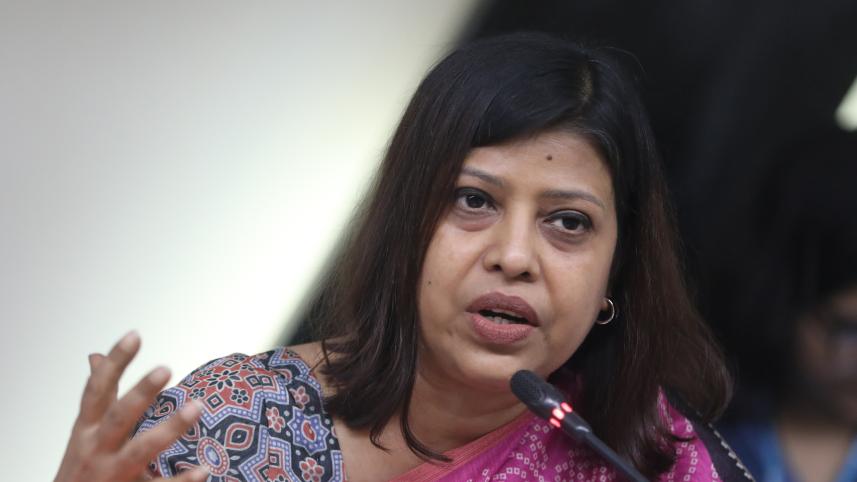
Shashwatee Biplob
Associate Director
SELP & Gender, Justice and Diversity (GJD) Programme - BRAC
Our ground experience at BRAC sometimes contradicts survey findings, especially on education. While we discuss cyber harassment, a small, vocal segment faces this. The real crisis is elsewhere. A horrific new trend sees rape videos made and circulated proudly by perpetrators: a team effort. Social media platforms fail to block this content. We provide legal aid and awareness, but it's insufficient. Government must step up; not one OCC functions properly. Helplines often give no real help. After years of work, why has violence increased? Why has shame vanished? We need research on why interventions fail and must engage in serious self-criticism. Regardless of politics, women's fate doesn't change. We need strong gender politics and must counter the invisibilisation of women in all sectors.
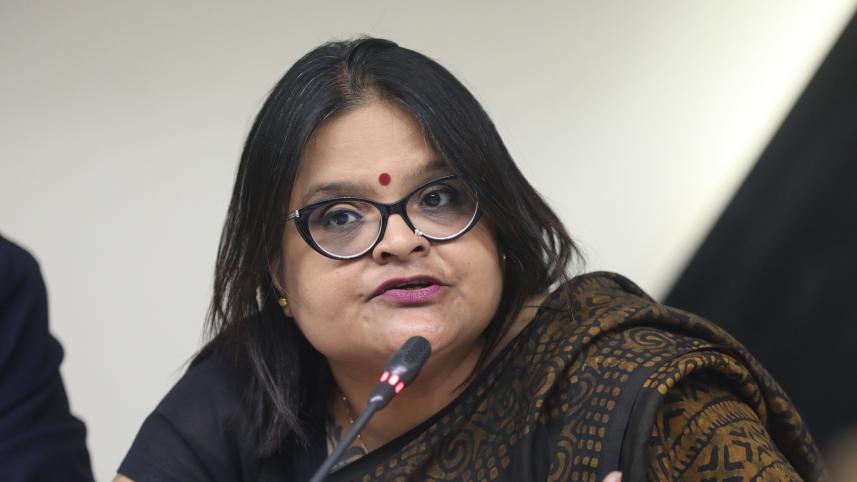
Nasheeba Selim
Senior Social Development Officer (Gender)
ADB Bangladesh Resident Mission
The survey's true value lies not in telling a new story, but in the deeper narrative within the data, which can guide actionable pathways. From a development partner perspective, this is not a one-organisation task. Our role, as institutions like ADB, is to leverage our comparative advantage by partnering with on-ground actors. We can mainstream awareness into our investments in urban or health projects and support infrastructure like One-Stop Crisis Centres. Moving forward, we should fund focused studies on emerging dimensions like technology-facilitated violence. The goal is to help build a coherent, government-led prevention framework and strengthen the survivor-centred response system, while also improving data collection methodologies.
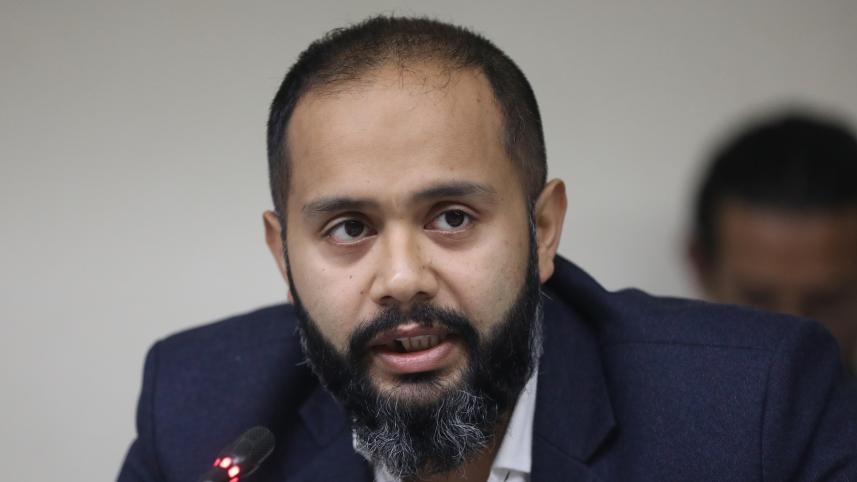
Asif Kashem
Senior Program Manager
Australian High Commission
Listening today, a key principle for us as a development partner is alignment and complementarity with others. For the Australian Government, gender equality is a core objective integrated across all our investments. Evidence like this survey is critical to identify focus areas. Our approach is evolving from service delivery towards influencing policy change. We must promote positive masculinity, carefully examining the messages media sends to young people. Engaging new groups, like religious leaders, is essential. A pressing priority is technology-facilitated GBV, requiring strong regulation and a 'digital duty of care' holding platforms accountable. We are committed to unified action and common messaging on these fronts.
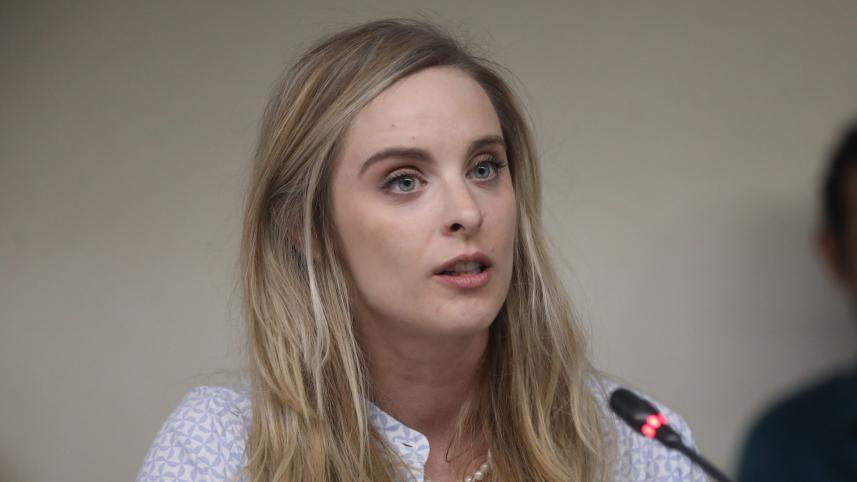
Stephanie.St-Laurent- Brassard
Second Secretary (Development – Gender Equality)
Canada High Commission
This data reminds us that violence is not a distant statistic; it touches countless lives, often in silence. Breaking that silence is paramount. While we continue strong advocacy, we must also create economic opportunities for women and girls, as empowerment is multifaceted. Our Women Voice and Leadership initiative provides flexible funding to build the capacity of women's rights organisations, supporting 16 groups here in Bangladesh. Sometimes, even small, targeted grants can achieve transformative leadership results at the community level. We also know that investments in preventing issues like child marriage are not only right but economically smart. Collaboration is key in this landscape, and we remain committed to collective action, because this violence, while widespread, is not inevitable.
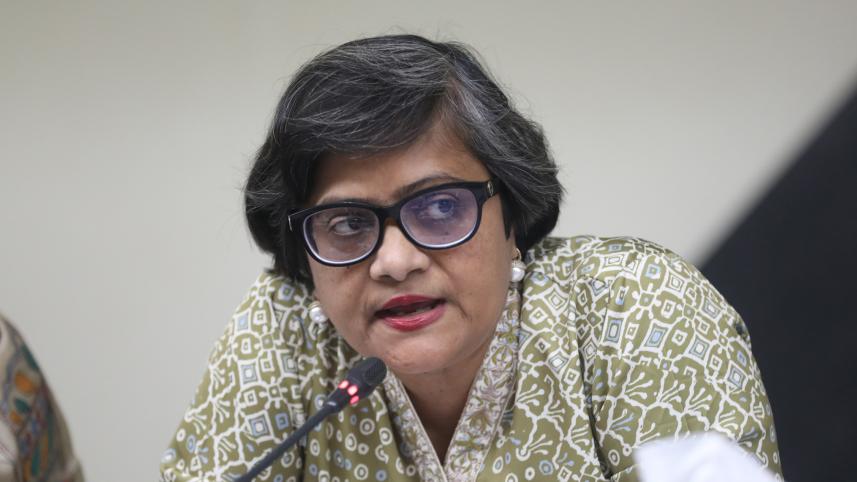
Tahera Jabeen
Social Development Advisor
British High Commission
The UK's global commitment to ending violence against women and girls rests on evidence-based programming, system integration, and innovation for scale, aligned with high-level ministerial priorities. This year we co-lead All In, a High-Level Panel launched during the 16 Days of Activism, and the Ministerial Taskforce on Ending Violence in and around Schools, launched at the Education World Forum and now endorsed by 11 countries. Through our flagship What Works to Prevent Violence programme, evidence-based interventions have achieved up to 50% reductions in violence. We also lead the Partnership for Action on Gender-Based Online Harassment and Abuse, joined by over 15 countries. In Bangladesh, we support school-based guidelines to address gender-based violence and work with partners on technology-facilitated abuse, particularly against women in politics. Looking forward, development partners must prioritise capacity building for women's organisations, pooled resources for scale, investment in digital safety, and systematic use of data for planning and adaptive programming, embedding these into national policies and budgets to drive sustainable change.
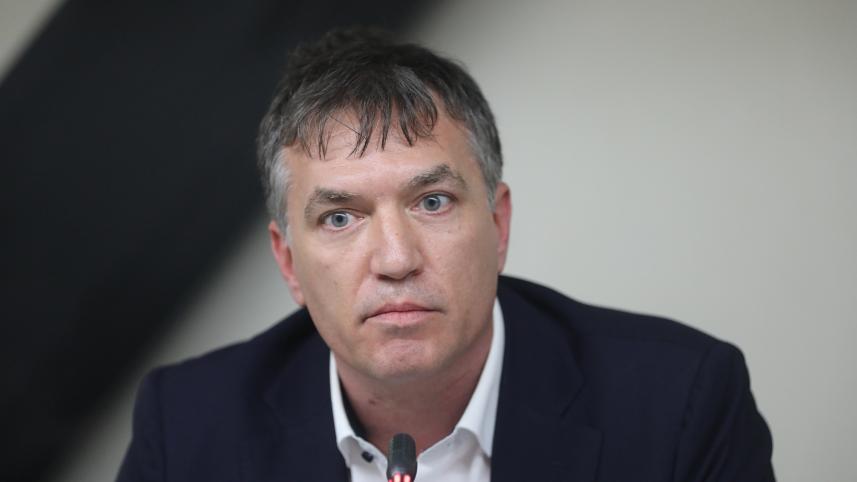
Jules Seitz
Programme Manager
EU Delegation
This survey importantly underscores that violence against women is a profound crisis, a governance failure, and a major economic barrier: a stark reality both here and in Europe. The EU remains a long-standing, committed partner on gender; our funding is not decreasing but increasing, with an ambitious target to mainstream gender across 85% of our programming. In Bangladesh, we support a comprehensive approach through UN Women, BRAC, and others, focusing on prevention, protection, justice, and economic empowerment. We work via a 'Team Europe' approach for coordinated action. The solutions are known: strong legal frameworks, survivor protection systems, political will, and the leadership of women's organisations. We must now collectively increase our resources and efforts to implement what works.
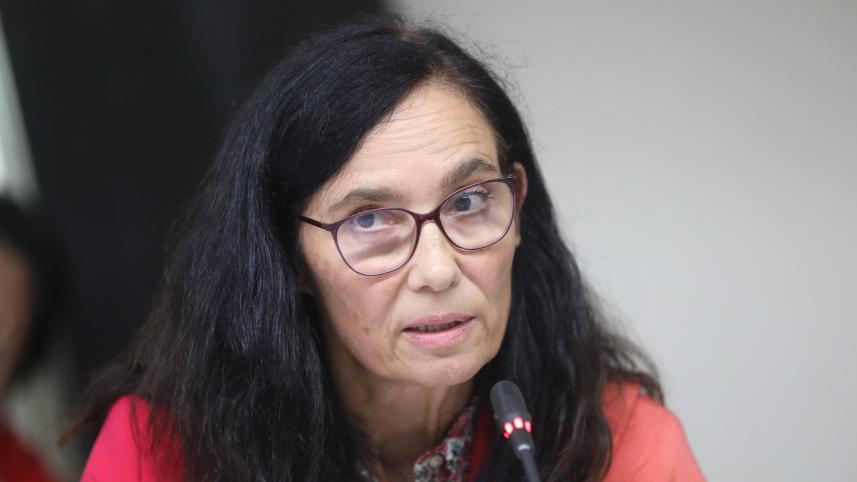
Corinne Thevoz
Deputy Head of Cooperation
Embassy of Switzerland
Firstly, we value this survey as gender-disaggregated data remains a critical need for informed policy in Bangladesh. We encourage the BBS to produce such data regularly and support strengthening their capacity in this regard. Empowering women requires ensuring their access to quality education, decent work, and essential services for safety and autonomy. Concurrently, we must engage male community leaders to challenge harmful social norms justifying violence. We have supported projects enabling rural women's participation in local governance and leadership. Underlying issues must be addressed: breaking taboos so women and girls can speak up, scaling up survivor services, and crucially, enforcing existing protective laws while reducing the cost of seeking justice. As in Switzerland, which also runs prevention campaigns, this is a universal challenge requiring persistent, multi-faceted action.
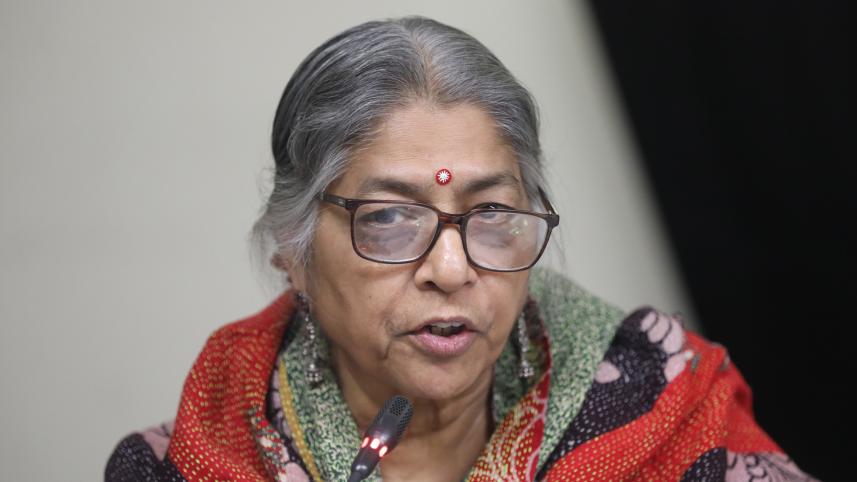
Shireen Pervin Huq
Chair of Women's Affairs Reform Commission & Founder
Naripokkho
We must recognise that violence is merely the endpoint of a deep curve of discrimination; unless we eradicate that root cause, we will not succeed. Our Women's Issues Reform Commission made 41 concrete recommendations on violence; the roadmap exists. A key failure has been our fragmented approach; the multisectoral programme we advocated for in 2000 became piecemeal, losing vital components like the 'Respect Women' campaign. We must seriously address persisting adolescent marriage and deconstruct the societal concept of male 'ownership' over women. Our perpetrator study, interviewing convicted men in prison, yielded crucial insights into toxic masculinity, yet the policy space remains reluctant to engage. We need courage, systemic commitment, and a willingness to challenge the traditions that perpetuate this violence.
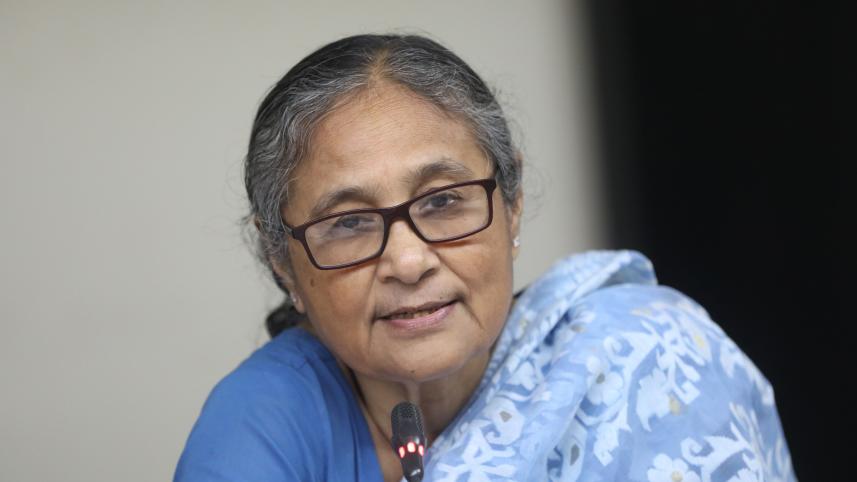
Dr Maleka Banu
General Secretary
Bangladesh Mahila Parishad
This data confirms a severe human rights crisis, yet it is still not acknowledged as such. Our own monitoring shows an alarming, rising number of cases. While we welcome BBS's evidence, data alone is insufficient. We need profound analysis into why decades of intervention have failed. A dangerous shift is occurring: intimate partner violence is now spilling into the public sphere, manifesting as mob violence and moral policing, effectively doubling women's vulnerability. We must read society's mindset and that of perpetrators to drive change through education, media, and legal reforms. Crucially, we must protect hard-won rights from regression and build a broad social movement inclusive of men and youth to uphold gender equality and the commitment to end violence.
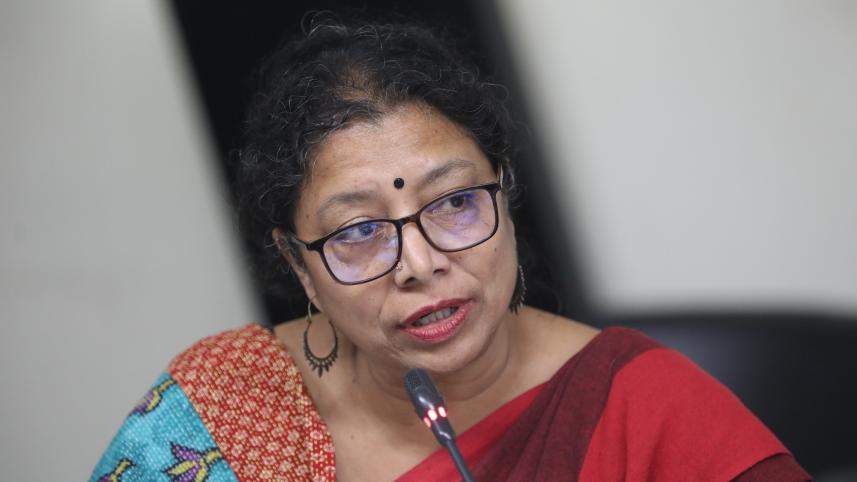
Kamrun Nahar
Member - Naripokkho
We must vigilantly ensure 'protection' discourses don't create new discrimination. The survey reveals our collective failure: only 36% seek help, and what help they get is questionable. Our major task is reaching the silent 64%. We need a thorough analysis of past measures and their outcomes. The hotline findings are dismal. We recommended a unified, well-known number like 999, but instead, multiple uncoordinated lines exist. Above all, we need accountability. Why are responsible ministries ineffective? As development partners and CSOs, what is our role in ensuring they are held to account? The seven-plus ministries working on VAW must be made functional. Building broad social awareness through collective action is essential.
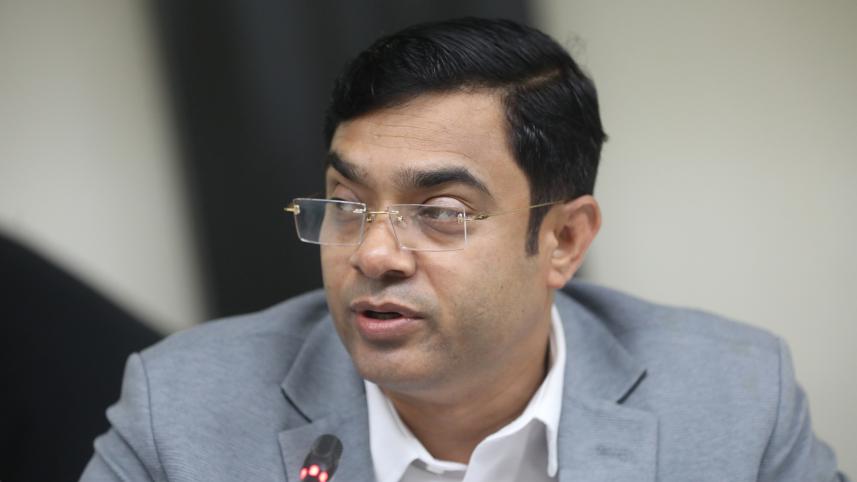
Md Alamgir Hossen
SDG Focal Point - BBS
Textbooks are fundamental for instilling values of respect and non-violence in children, a key preventive measure. As BBS, our gender work predates this 2011 survey. We've integrated gender-sensitive questions across surveys and established a Gender Cell. When discussing percentages, consider the scale: 11% financial violence is nearly 8 million cases annually. This report offers extensive disaggregated data to target interventions. We will open microdata for deeper researcher analysis. The qualitative component revealed unexpected insights. Looking to 2030, we could plan the next survey as an SDG endline. I urge all political parties to incorporate these findings into their agendas, using this data as a baseline for future action.
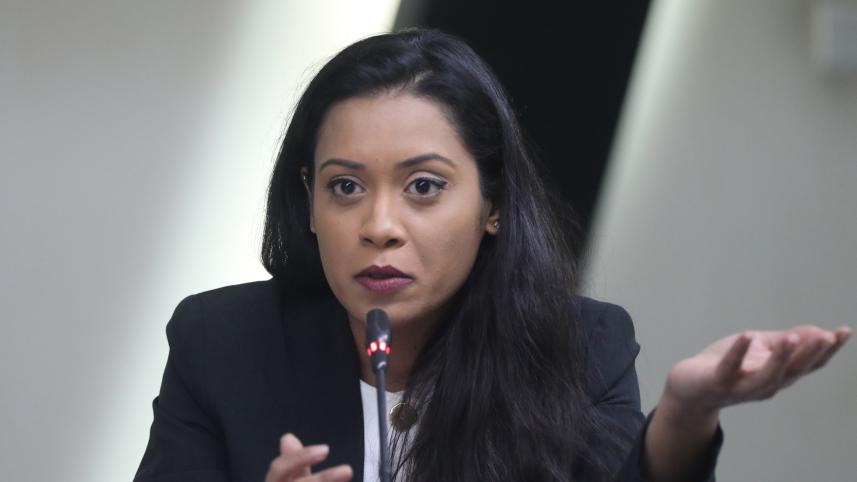
Esha Aurora
Business Editor
New Age
My work reveals two converging crises: rising male unemployment and declining education quality. This fuels toxic masculinity, easily disseminated online and reinforced at home, school, and religious institutions, entities often appeased by successive governments. We see this in public harassment, where women are blamed for societal ills. Media language often disempowers survivors. My core recommendation is for a powerful, sustained public campaign akin to the UN's 'Meena' cartoon, which successfully shifted attitudes on child marriage. We need a similar culturally resonant initiative to challenge deep-seated norms about gender, masculinity, and violence, targeting the root ideologies that legitimise abuse.
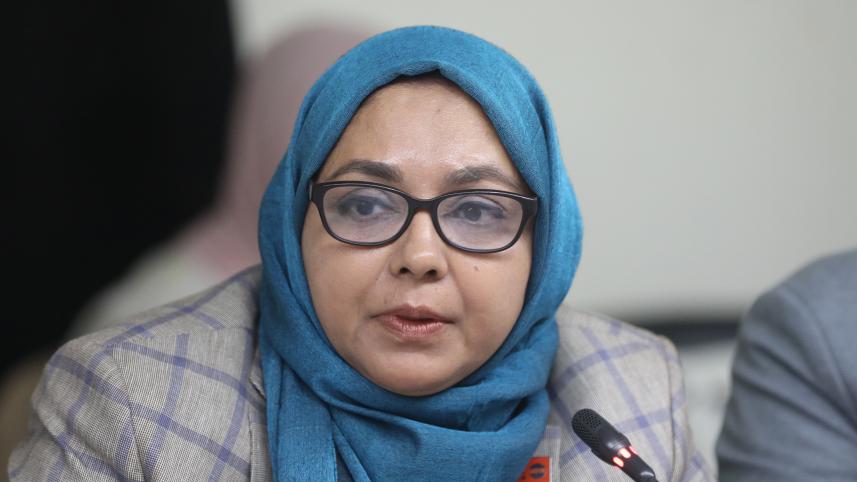
Shamima Pervin
Chief of Gender Unit
UNFPA
To clarify: BBS validated data collected after August 5th, finding no significant change; social norms don't shift overnight. This survey captures the 'tip of the iceberg'; severe cases ending in hospitalisation or death are not included, yet it remains the best scientific estimate. While 5.2% for tech-facilitated GBV seems low, it represents 3.3 million women annually. The climate change analysis showed higher prevalence in affected areas (81% vs 74%), but in regression modelling, other risk factors like education and wealth were more prominent, necessitating further secondary analysis. Our responsibility is to present this nuanced data clearly to avoid public confusion.
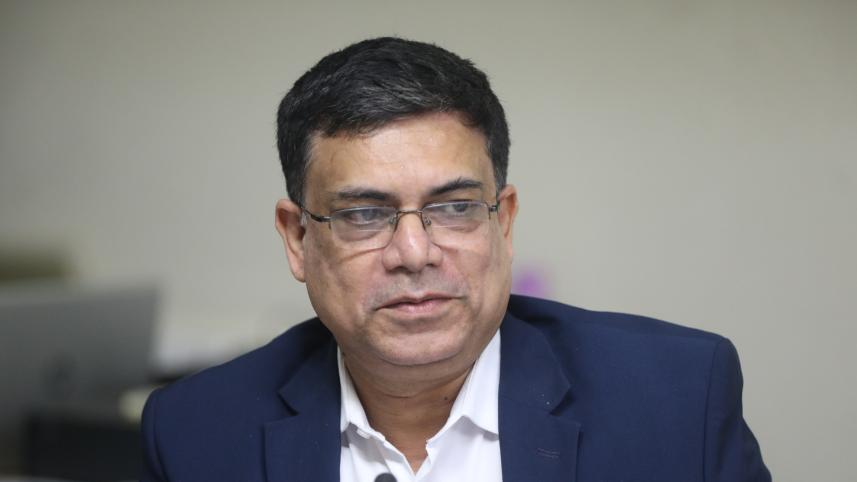
Dr Shoeb Reaz Alam
Deputy Inspector General, Special Security and Protection Battalion
Bangladesh Police
From a police perspective, these percentages tell only part of the story. The existing laws, hard-won by activists, have undoubtedly reduced the frequency and severity of abuse for many women. The core, intractable challenge is intimate partner violence. Filing a case often means a woman has chosen divorce, as continuing cohabitation after legal action is profoundly difficult. Many seek informal mediation, but its deterrent effect is usually temporary against deep-seated behaviour. The lower incidence of non-partner violence is legally simpler to address. Strengthening the Domestic Violence Act is therefore crucial to cover the routine domestic abuse currently outside legal recourse. Our role requires navigating the fraught intersection where law meets entrenched social and familial bonds, demanding patience and nuance beyond mere enforcement.
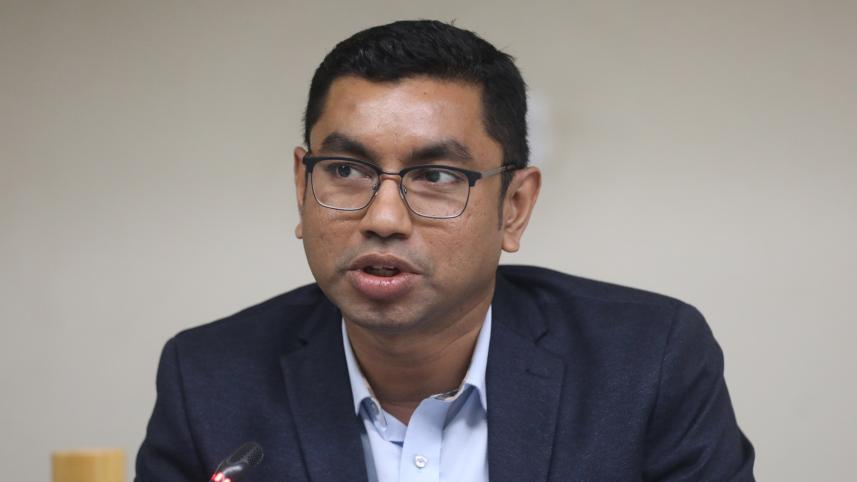
Tanjim Ferdous (Moderator)
In-Charge - NGOs & Foreign Missions
The Daily Star
This survey provides a critical, decade-long view, illuminating patterns and introducing vital new dimensions like survivors' costs and technology-facilitated violence. It deliberately includes marginalised voices of women with disabilities, slum dwellers, disaster-affected communities, alongside men, boys, and service providers. This inclusive approach underscores that real change requires everyone's involvement. Our task now is to translate this robust evidence into concerted, actionable strategies. This moment calls for a unified commitment to move from analysis to tangible actions that will alter the lived realities of women across Bangladesh. The data is here; the imperative to act is clear.
Recommendations
1) Adopt a High-Level, Multi-Sectoral National Plan
Move beyond fragmented, ad-hoc projects by establishing a coordinated framework led from the highest governmental office, integrating action across all relevant ministries for a unified response.
2) Launch Targeted Programmes on Positive Masculinity
Develop educational and community initiatives that engage men and boys to deconstruct toxic masculinity, promote respectful relationships, and address men's mental health.
3) Enact a 'Digital Duty of Care' Law
Create robust regulations and an independent regulator to hold technology platforms legally accountable for preventing and removing technology-facilitated gender-based violence.
4) Link Economic Empowerment to Norms Change
Design economic programmes with parallel components that shift community power dynamics and protect women's autonomy to prevent earnings from triggering retaliatory violence.
5) Strengthen the Domestic Violence Act
Reform and proactively implement the law to provide accessible legal recourse for the spectrum of routine domestic abuse, offering women justice beyond the extreme choice of divorce.
6) Institutionalise Gender-Disaggregated Data Systems
Build the permanent capacity of the BBS to regularly produce and utilise high-quality data for policy planning, monitoring, and adaptive programming to ensure accountability.
7) Integrate Gender & Consent into National Curricula
Embed comprehensive gender education, including concepts of respect and bodily autonomy, into school systems to foster a generational shift in attitudes and prevent violence.
Comments