


Electoral Commitments on Addressing Discrimination against Women and Family Rights
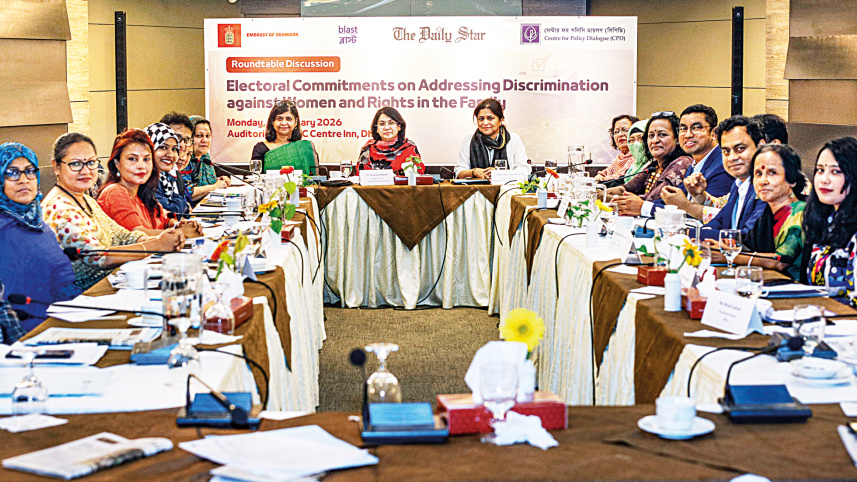
A roundtable titled “Electoral Commitments on Addressing Discrimination against Women and Family Rights” was held on Monday, 2 February 2026, organised by the Centre for Policy Dialogue (CPD), The Daily Star, Bangladesh Legal Aid and Services Trust (BLAST), and the Danish Embassy. Political leaders, legal experts, and civil society representatives came together to discuss about the urgent need to improve family laws, protect women’s safety, improve inclusion, and provide better legal aid for women. The discussion focused on what political parties plan to do about these issues in their election plans. Speakers urged political parties to make clear promises to end discrimination against women and ensure they have equal rights and access to justice within families.
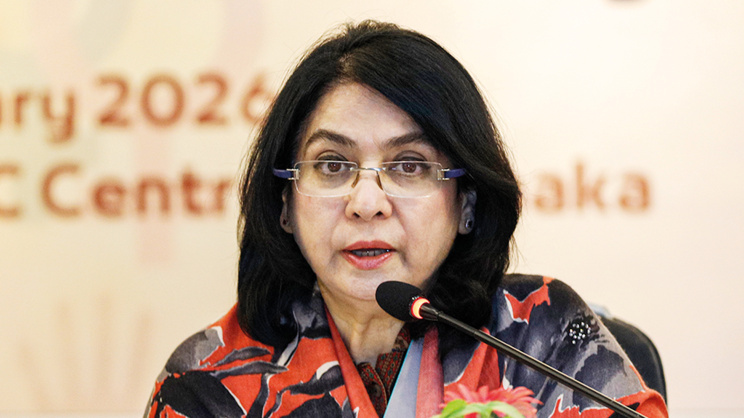
Dr Fahmida Khatun
Executive Director
Centre for Policy Dialogue (CPD)

Electoral commitments to address discrimination against women and ensuring women’s rights within the family carry particular significance as the national election approaches. The focus remains on four critical areas: remedies for violence against women, access to justice and family courts, legal discrimination within the existing family laws, and women’s representation in judicial institutions. Despite existing laws and policies, weak implementation, limited survivor-centric support, and inadequate compensation mechanisms continue to hinder justice for women. Access to family courts, legal aid, and support services remains constrained, especially for marginalised groups. Persistent structural inequalities in inheritance, maintenance, guardianship, and child custody highlight the need for evidence-based legal reform and strong political will. Ensuring inclusive, gender-sensitive institutions with meaningful participation of women across the justice system is essential to achieving equality, dignity, and accountability for women and families in Bangladesh.
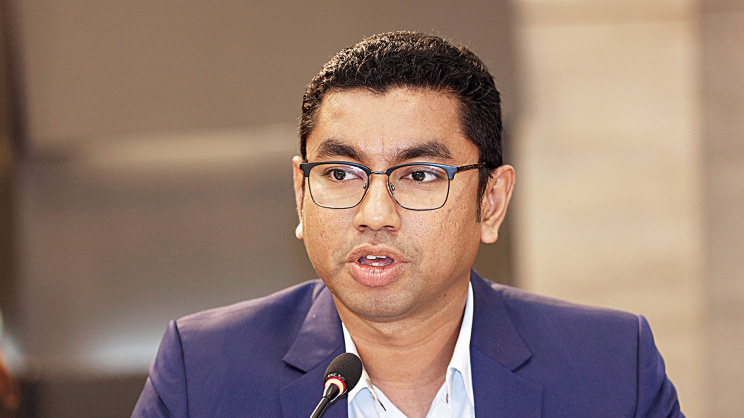
Tanjim Ferdous
Head of Strategic Partnerships
The Daily Star
Electoral commitments on addressing discrimination against women and ensuring women’s rights within the family demand urgent scrutiny. Despite decades of laws against violence, domestic abuse, acid attacks, and cyber harassment, many women still struggle to access timely justice, and accountability remains inconsistent. Discriminatory family laws on divorce, inheritance, maintenance, child custody and guardianship continue to undermine women’s safety, dignity, and economic security throughout their lives. The focus now must be on concrete actions rather than rhetoric. The responsibility now lies with political parties to deliver effective remedies for survivors, ensure accessible justice and health services for all women, eliminate legal discrimination within family laws, and guarantee women’s meaningful representation across courts, police, justice institutions and decision-making process.
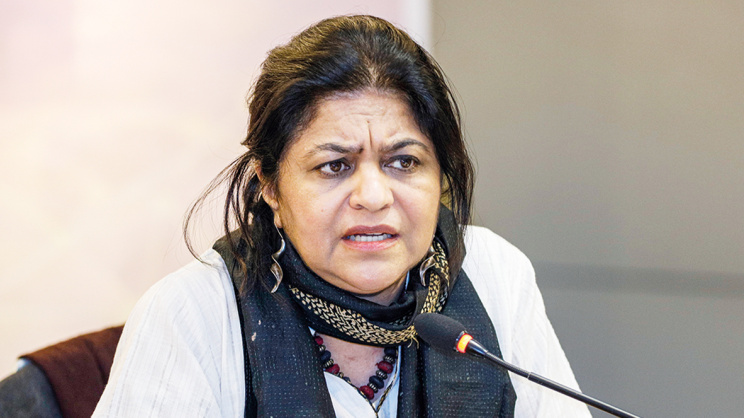
Barrister Sara Hossain
Honorary Executive Director
Bangladesh Legal Aid and Services Trust
This roundtable discussion was held on political commitments to eliminating discrimination, with a focus on women’s rights. While parties have announced election promises and manifestos, clarity remains limited on concrete plans to address inequality highlighted during the July mass movement. The Constitution guarantees non-discrimination, equal rights for women and men, and special measures for marginalised groups, yet gaps exist between laws and practices. Recent ordinances on violence against women, sexual harassment, and witness protection were examined, alongside questions about their future implementation. Persistent discrimination in personal and family laws across religious communities, particularly in marriage, divorce, maintenance, custody, and inheritance, remains a critical concern. Women’s underrepresentation in institutions also needs consideration from political parties. From today’s discussion, it’s clear that we need political will, data-driven policymaking, and sustained engagement with women across communities to advance equality.
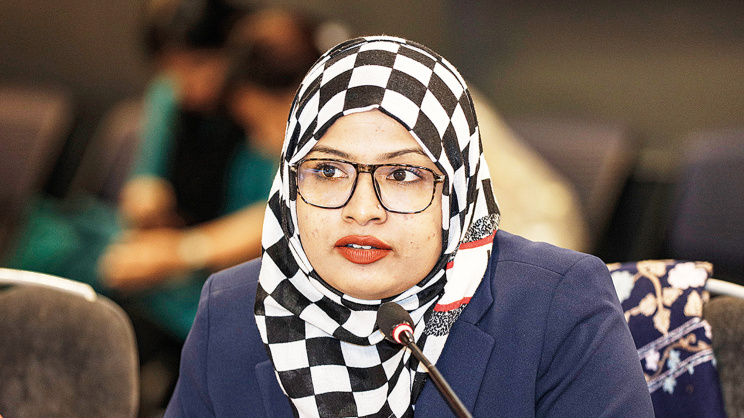
Humayra Noor
Member
National Citizen Party (NCP)
Despite constitutional guarantees, multiple protection laws, and Bangladesh’s international commitments including CEDAW, effective protection for women remains weak due to gaps in implementation. Survivors of violence often face barriers when seeking justice, including reluctance at police stations to record complaints or general diaries, alongside discouraging attitudes that undermine access to remedies. NCP highlighted several commitments to strengthen protection and accountability. These include establishing dedicated cells in police stations staffed by women officers, ensuring fast-track justice for cases of violence against women with necessary legal ratification, and safeguarding survivors’ confidentiality and security throughout legal proceedings. Broader priorities also include improving workplace support such as maternity leave, childcare facilities, safer public transport for working women, and expanding opportunities for women entrepreneurs. The emphasis remains on translating legal commitments into practical protection through stronger implementation and sustained political will.
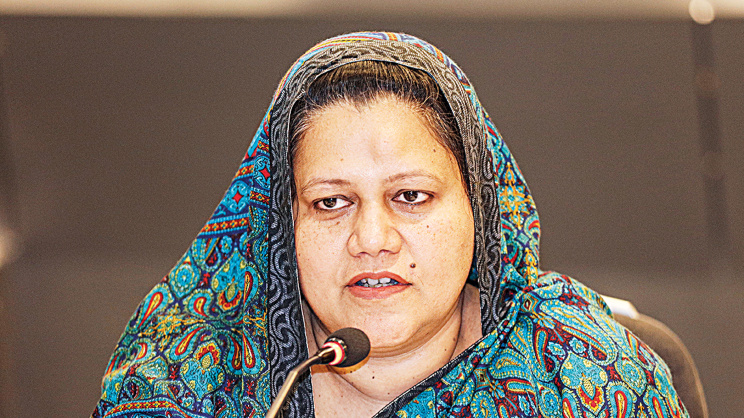
Mahmuda Habiba
Member
BNP Media Cell
Women’s safety today demands action on two parallel fronts: physical violence and the rapidly expanding threat of online abuse. Digital harm spreads instantly and publicly, so removing content alone cannot undo the damage. Effective enforcement of existing laws must be the starting point to protect women. Punishment by itself is not enough. Victims require rehabilitation, psychological support, and long-term protection. Training girls from school age on online safety is as necessary as teaching physical self-defence. Beyond awareness, women must be embedded across every decision-making layer, from police and healthcare to professions and the judiciary. Without balanced representation, systems fail victims repeatedly. Community-level, one-stop solutions with dedicated budgets are essential, particularly in marginalised regions. Legal reform, especially through accessible civil law options, must proceed carefully with community engagement. Education remains a strong equaliser, alongside transparent political processes and support for women entrepreneurs. Even moments of political transition reveal how deeply women’s exclusion is rooted, underscoring the urgency for structural change rather than symbolic discussion.
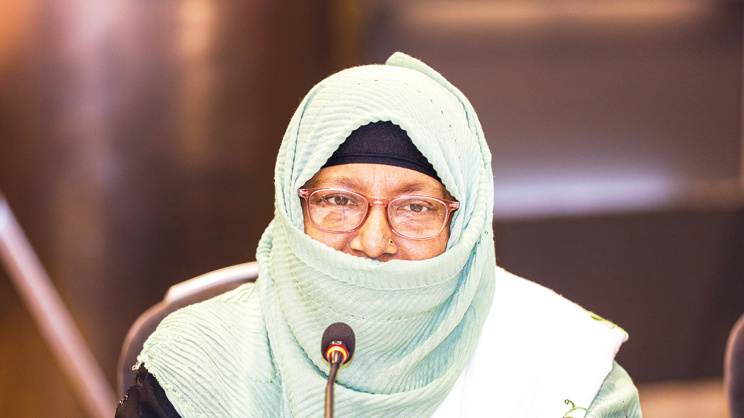
Dr. Habiba Akter Chowdhury
Central Working Council Member and Political Secretary
Bangladesh Jamaat-e-Islami
Women’s suffering appears in many forms, such as financial insecurity, social exclusion, abuse, and prolonged mental distress. At the core lies a crisis of identity. Despite forming half of the population, women continue to be perceived as weak, economically dependent, and lacking authority, especially within male-dominated systems of justice. This mindset must change. Education remains the most powerful instrument, beginning within the family. Moral education for children should begin with parents acting as role models at home from an early age. Matters like property or divorce should be settled under Muslim family law, while other religious communities may follow their own legal systems. Women’s representation across professions and leadership spaces is essential, and no field should be closed to them. Our political support and cooperation for women candidates through alliances reflects our commitment to inclusion.
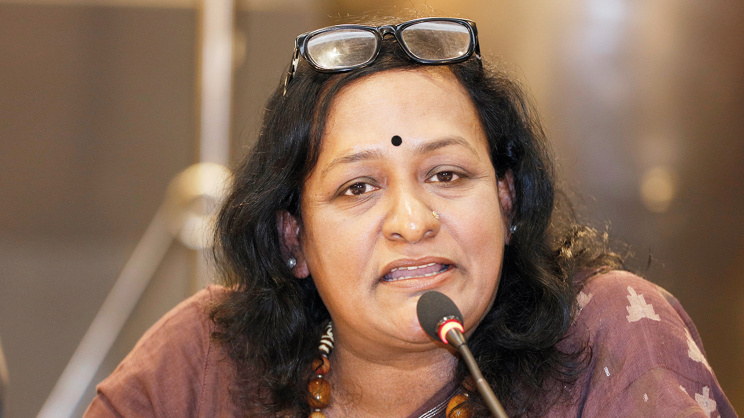
Luna Noor
Central Committee Member
Communist Party of Bangladesh
Communist Party of Bangladesh emphasised its commitment to building an equal society by addressing both gender and class discrimination and ensuring equal rights for all. The party reiterated its longstanding support for the full implementation of the CEDAW Convention and the introduction of a uniform family code grounded in civil law to address persistent legal and family-based discrimination. While acknowledging the presence of progressive laws and constitutional guarantees, it was stressed that enforcement remains a major gap, limiting real progress for women. Alongside legal reform, the party highlighted the importance of strengthening institutions that support survivors, including Violence Suppression Cells (VSC) and One-Stop Crisis Centres (OCC), to improve access to protection and justice. The discussion also underscored that legal and institutional reform must be accompanied by broader social change, with political commitment needed to challenge discrimination embedded in economic, social, familial, and cultural structures.
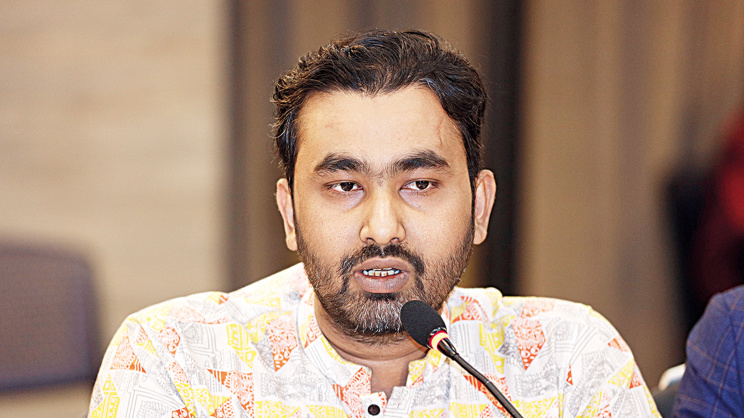
Saikat Arif
Ganosanhati Andolon
Gender equality and women’s rights are fundamental, and all individuals must have equal rights. Following the July uprising, women who actively participated have faced severe political harassment. In universities, debate over freedom of dress has intensified. Women who do not wear explicitly religious attire, such as the burqa or hijab, are being singled out online through harassment, moral policing, and distorted portrayals, causing significant trauma. An election to form a reform council is critical to ensure that laws are democratic and equitable for all. While participants in the campus quota reform movement initially supported a 5 per cent quota for women in government recruitment, the broader movement made discussion of quotas difficult. Nevertheless, quotas remain essential for women, ethnic minorities, and other marginalised groups, and structural improvements are necessary. Positive action, including quotas for indigenous and ethnic minorities, is vital to achieving social equity.

M Niaz Asadullah
Visiting Professor of Economics
University of Reading, UK
Child marriage remains one of the most persistent structural challenges to women’s empowerment in Bangladesh. It continues to restrict women’s life choices, despite progress in education and poverty reduction. While political commitments to women’s higher education are common, they can appear contradictory when regressive norms around the age of marriage persist. Legal reform, particularly the 2017 amendment to the Child Marriage Restraint Act, marked an important step; however, evidence from the field shows significant backlash, with families often accelerating marriages rather than complying. This highlights the limits of criminalisation when the law confronts entrenched social practices without broader social readiness. Meaningful change therefore requires political preparedness to manage conservative resistance, alongside innovative, community-based approaches that empower young people, especially girls, as local change agents.
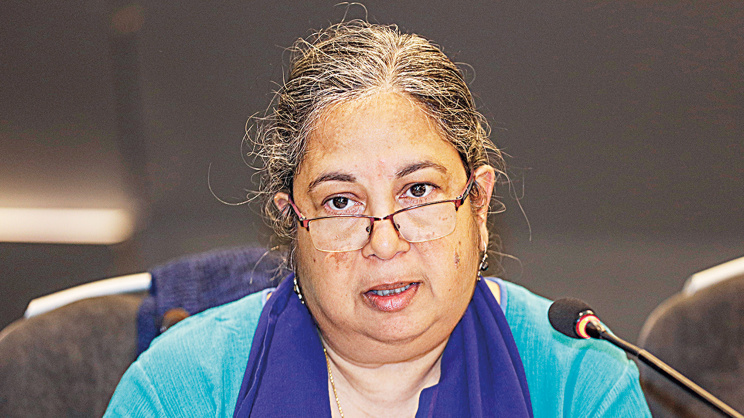
Maheen Sultan
Senior Fellow
BRAC Institute of Governance and Development
 For all latest news, follow The Daily Star's Google News channel.
 Research consistently shows that political and bureaucratic commitment weakens at the point of implementation, even when policies and laws appear progressive. Legal reform alone is only the first step; implementation faces different barriers and backlash. Studies on women’s justice journeys reveal critical gaps in information, guidance, and financial support. Moreover, rural women cannot navigate legal systems alone and rely on community facilitators and paralegals. Economic insecurity remains the greatest obstacle, forcing survivors of violence to return to abusive situations. Although social protection strategies and legal aid frameworks exist, they are rarely funded or implemented. Without sustained government financing and budgetary commitment, even the strongest laws will fail to protect women.
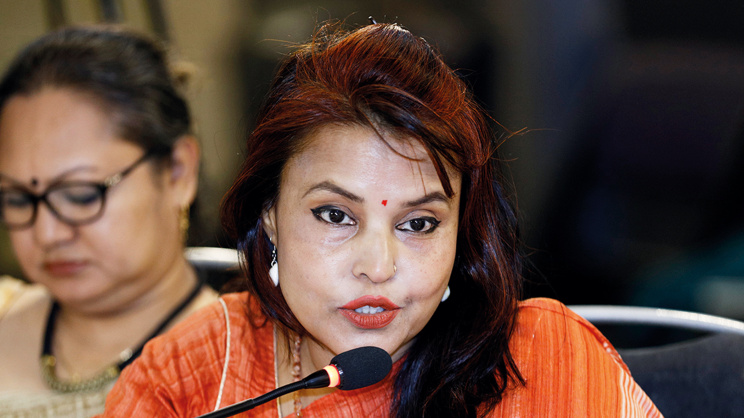
Banani Biswas
General Secretary
Bangladesh Dalit and Indigenous Women Federation
Political parties frequently invoke popular mandate and the will of voters, yet ignore the voices of Hindu women, who make up a significant portion of the electorate. Hindu women have long demanded equal inheritance, marriage registration, and divorce laws, but reforms are stalled at the behest of religious leaders rather than voters. Electoral support is given to parties, not to communal leadership, and grassroots voters decide independently. The promise of an anti-discrimination state remains unfulfilled, despite years of advocacy by marginalised communities. If equality truly guides governance, political parties must move beyond rhetoric and commit to concrete legal reforms that ensure justice, dignity, and equal rights for all citizens.
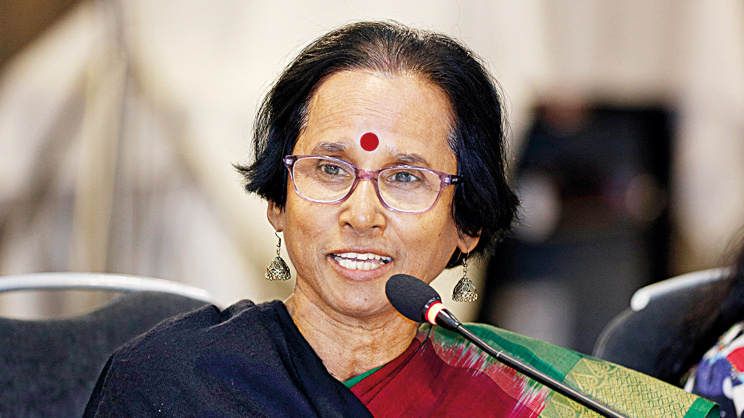
Rina Roy
Naripokkho
Political parties often argue that laws must align with religious beliefs, yet in reality many communities, especially Hindu and Buddhist women, have no effective legal protections at all. Women’s rights groups have raised these issues since the 1990s, but political parties have consistently ignored them. What is needed now is not rhetoric but clear written commitments in election manifestos to eliminate discriminatory laws. Citizenship, not community leadership, must be the basis of rights. Women should not have to depend on families or religious authorities for justice. A civil legal option must exist to guarantee equal inheritance and family rights. The state must lead this reform, grounded in existing research and decades of activism.
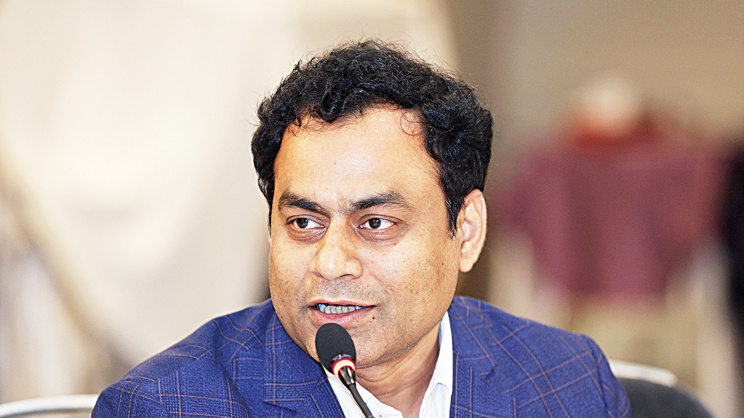
Md Amirul Huq Tuhin
Advocate
Supreme Court of Bangladesh, Panel Lawyer, BLAST
Political parties still hesitate to acknowledge legal discrimination against women fully. Ahead of the election, party manifestos should reflect concrete commitments to gender equality, yet few do so clearly and many do not publish a concrete manifesto at all. The NCP manifesto stands out by proposing inheritance reforms that protect parents’ freedom while ensuring children’s legal rights and expanding citizens’ choices beyond religious prescriptions, a positive step. However, explicit plans to address custody and guardianship remain absent, leaving women legally disadvantaged despite their central role in family and economic life. Political parties must translate their responsibilities into actionable policies by embedding anti-discrimination measures in their manifestos.
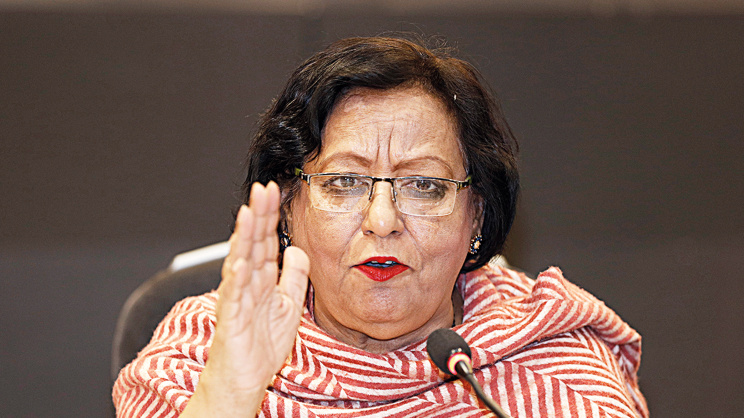
Fawzia Karim Firoze
Senior Advocate and Member
Women’s Commission
Political parties frequently speak of empowerment, yet fail to present measurable commitments or practical outcomes. As a lawyer, I witness daily how unclear laws, lack of judicial training, and poor access to information deny women justice. Victim Support Centres, once a point of national pride, are now collapsing due to the absence of budgetary support, staff protection, and sustained media attention. Decades after independence, women’s rights remain conditional and debated, while political parties delay publishing manifestos and avoid concrete agendas. Reports such as that of the Women’s Commission have been ignored, and religion continues to be misused to justify inequality despite progressive examples from other Muslim countries. Without clear policies, budgets, and accountability, women will continue to suffer systemic neglect, regardless of legal reforms.
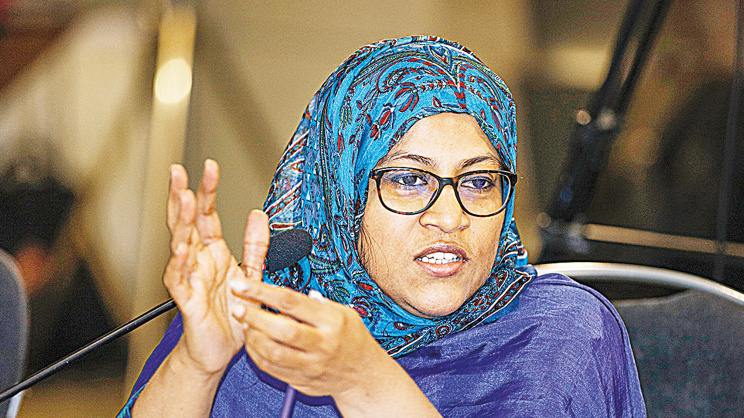
Karishma Jahan
Advocate
Supreme Court of Bangladesh
We speak often of gender equality, yet these principles remain abstract because there are no enforcement mechanisms or consequences for non-compliance. Commitments such as minimum representation are routinely ignored, resulting in alarmingly low participation of women across political parties, with the situation most severe in Jamaat-e-Islami despite its long history. The absence of binding requirements, whether in party constitutions or electoral laws, allows exclusion to exist unchecked. This failure extends beyond politics to institutions such as the judiciary and police, where no statutory framework ensures women’s inclusion. Until women are meaningfully integrated into all systems of power through enforceable measures, genuine improvement in their status in Bangladesh will remain impossible.
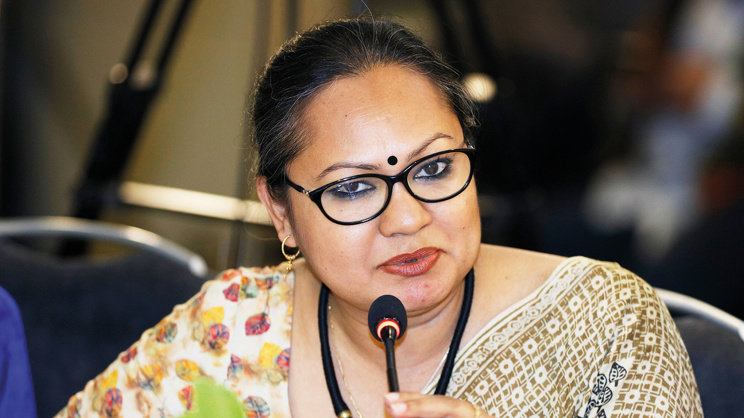
Ferdous Ara Rumee
Organiser
Sampriti Jatra
Political parties have yet to demonstrate the level of commitment expected in advancing women’s representation. Current figures show stark underrepresentation across parties, despite pledges to ensure a minimum of 5% representation. In some political parties, women are entirely excluded from leadership positions, raising serious constitutional concerns. At the same time, violence and harassment against women, both online and offline, have intensified since the July movement, particularly targeting women activists. Much of this abuse has come from religion-based political groups, yet political parties have largely failed to issue strong protests. Instead, civil society has borne the burden of resistance, often facing further cyberbullying, character assassination, and slut-shaming. Therefore, the need for clear accountability and concrete measures is urgent.
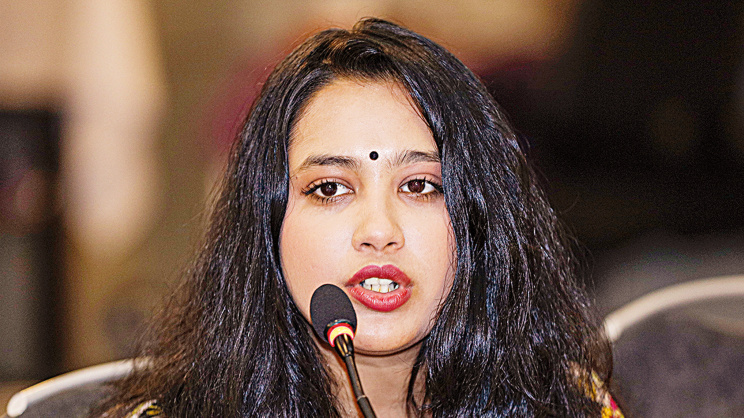
Prapti Taposhi
Organiser
Shekol Bhangar Podojatra
We need greater clarity from political parties regarding their commitments to women’s rights and legal reform. While some parties expressed positive intent on issues such as civil law reform, clarity was missing, particularly regarding a uniform family law. Critical concerns remain around women’s denial of legal guardianship of their children and the lack of reform of outdated custody laws. Encouraging initiatives like expanding One-Stop Crisis Centres must be matched with the enforcement of sexual harassment prevention mechanisms, long mandated by the courts but rarely implemented. Without firm political commitment and accountability, women’s rights will continue to remain rhetorical rather than real.
Recommendations
- Political parties should include clear, actionable commitments in their manifestos to eliminate legal discrimination against women in family laws, inheritance, maintenance, and custody.
- The government must ensure accessible, adequately funded legal aid, family courts, and support services for all women, especially marginalised groups.
- Women’s meaningful representation must be mandated across political parties, the judiciary, law enforcement, and decision-making institutions through enforceable mechanisms.
- Comprehensive measures are needed to protect women from physical and digital violence, including rehabilitation, education, and community-level support.
- Social and legal reforms, including a Uniform Family Code and enforcement of existing laws, should be accompanied by public awareness, community engagement, and targeted support for women.
Comments