


Violence Against Women and Children in Bangladesh: A Call for Strategic Action
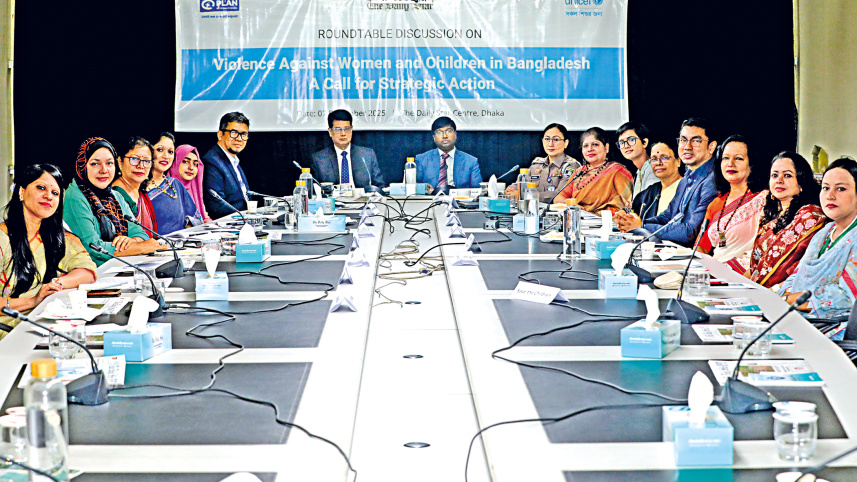
A roundtable titled “Violence Against Women and Children in Bangladesh: A Call for Strategic Action” was held on 07 December, 2025, at The Daily Star Centre, jointly organised by UNICEF, Plan International & The Daily Star. The dialogue brought together policymakers, frontline implementers, legal experts, civil society advocates, UN agencies and media to develop strategic and actionable recommendations for strengthening Bangladesh’s protection systems and justice mechanisms to effectively prevent and address violence against women and children.
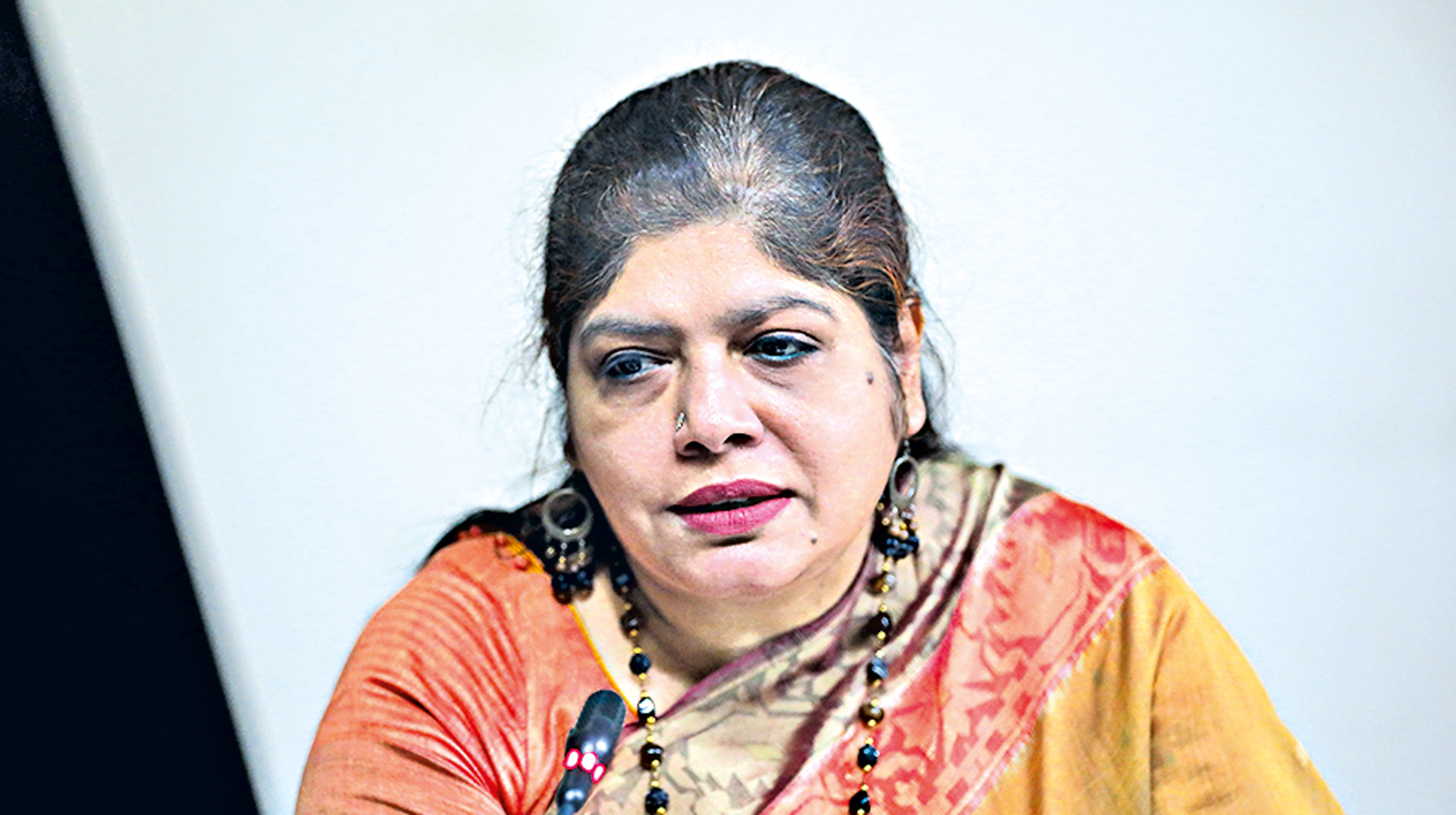
Shabnaaz Zahereen
Child Protection Specialist
UNICEF Bangladesh
Keynote Presenter)

Our systems failed the 11-year-old victim of rape in Magura. Analysing this reveals critical gaps: families lack sensitisation, community protection mechanisms like Child Welfare Boards are non-functional, and social workers are not mandated for protection. Alarming data shows 86% of children aged 1-14 experience violent discipline, and 47.2% of girls are married before 18. Furthermore, 70% of women face intimate partner violence in their lifetime. While we have laws and structures like 102 specialised tribunals and the 109 helpline, implementation is weak. For instance, of over 5,600 sexual violence cases (2013-2024), only 2% reached a verdict. We need immediate strategic action: establish a Department of Children Affairs, amend the Child Marriage Restraint Act, and create a professional, community-based child protection workforce. A coordinated, multi-sectoral working group with clear accountability is essential to transform this systemic failure.
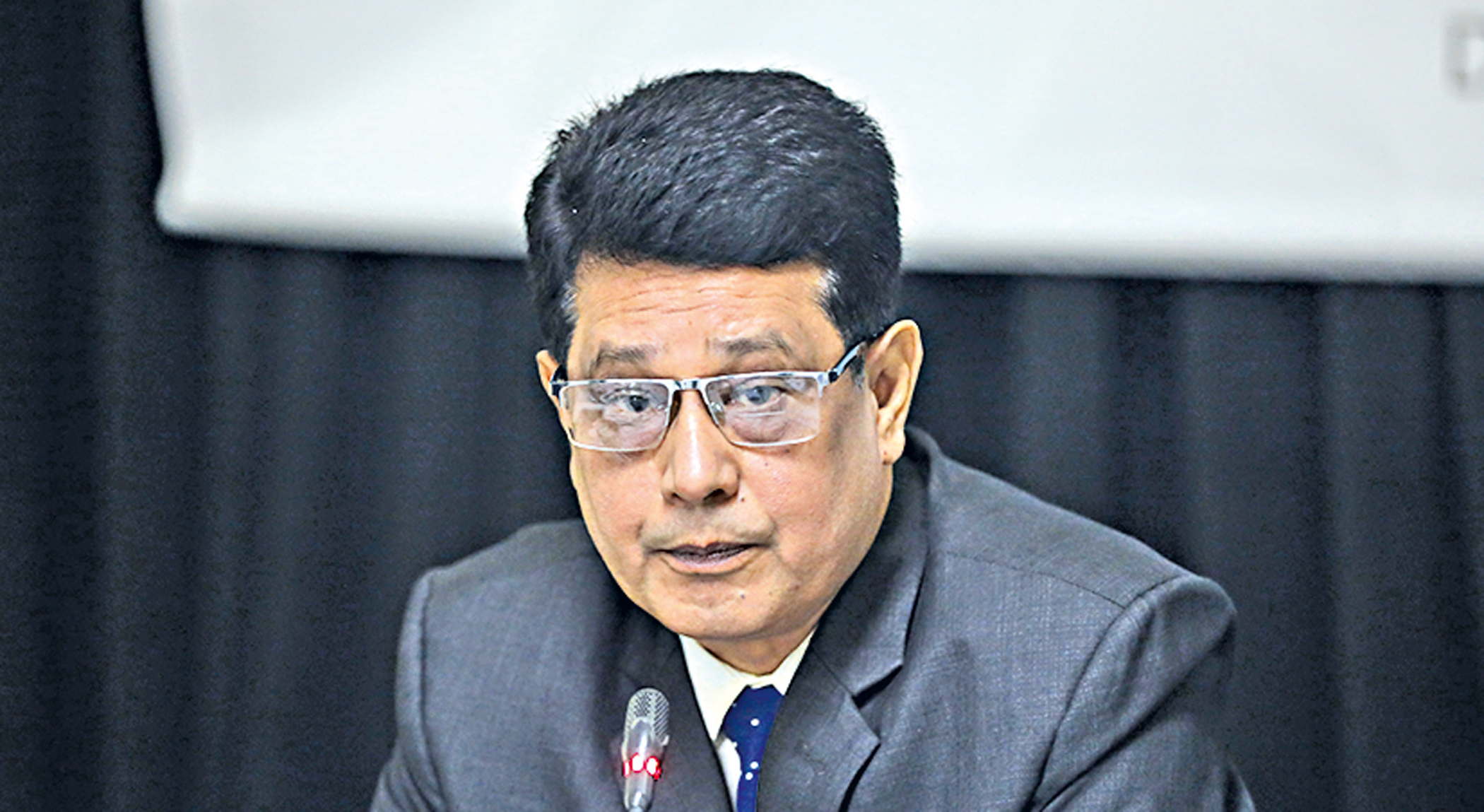
Mostafa Mostakur Rahim Khan
Director (Programme)
Department of Social Services, Ministry of Social Welfare
The creation of a dedicated Child Protection Wing within our department underscores our commitment. However, a major operational hurdle is the non-functionality of key committees. District and Upazila Child Welfare Boards rarely meet because their chairs: the DC and UNO, each oversee 150-200 committees. Our frontline is severely stretched: a single Union Social Worker manages over 54 social safety net programmes, including allowances and microcredit, leaving minimal capacity for proactive child protection. The CSPB project with UNICEF has shown progress in making committees functional. Our critical need is for dedicated child protection personnel at each tier. We have proposed creating specialised Child Protection Social Workers at the union level, a proposal currently with the Finance Ministry. Securing these positions is vital for a functional protection system.
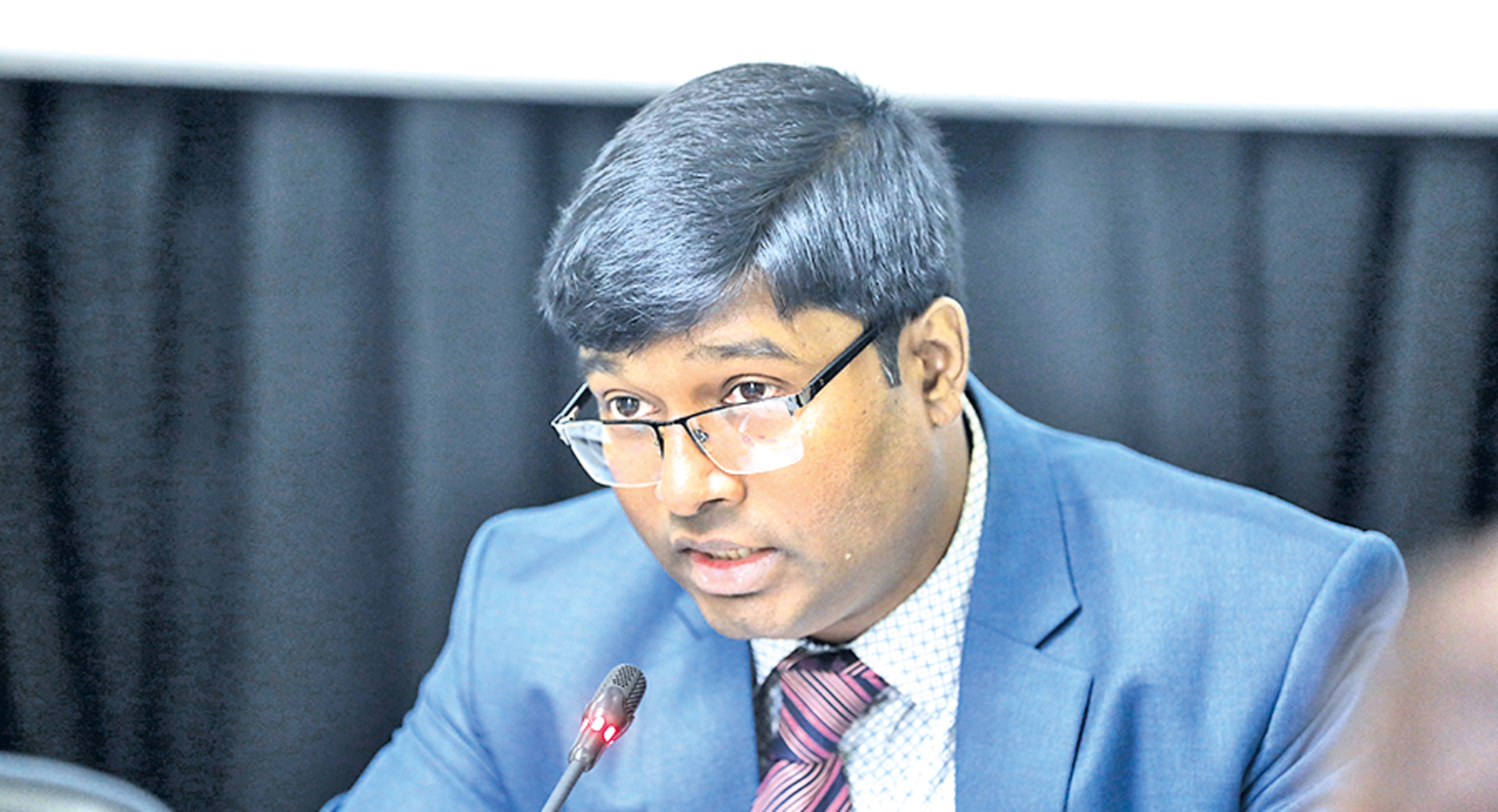
Dr. Abul Hasanat
Joint Secretary and District Judge
Law and Justice Division, Ministry of Law, Justice and Parliamentary Affairs
The central problem is not a lack of laws but ineffective enforcement, fostering a culture of impunity. We have amended laws, creating special tribunals for child rape and new cyber provisions penalising the non-consensual sharing of intimate images with fines up to 10 lakh Taka. Yet, the conviction rate for violence against women remains around 15%. The systemic bottleneck is clear: Bangladesh has approximately one judge per 100,000 people, compared to 1:10,000 in the US. An overburdened police and judiciary cannot deliver timely, credible justice. Without adequate courts and specialised investigating agencies to properly gather and present evidence, justice is delayed and denied. Strengthening these institutions is non-negotiable for the rule of law to act as a genuine deterrent.
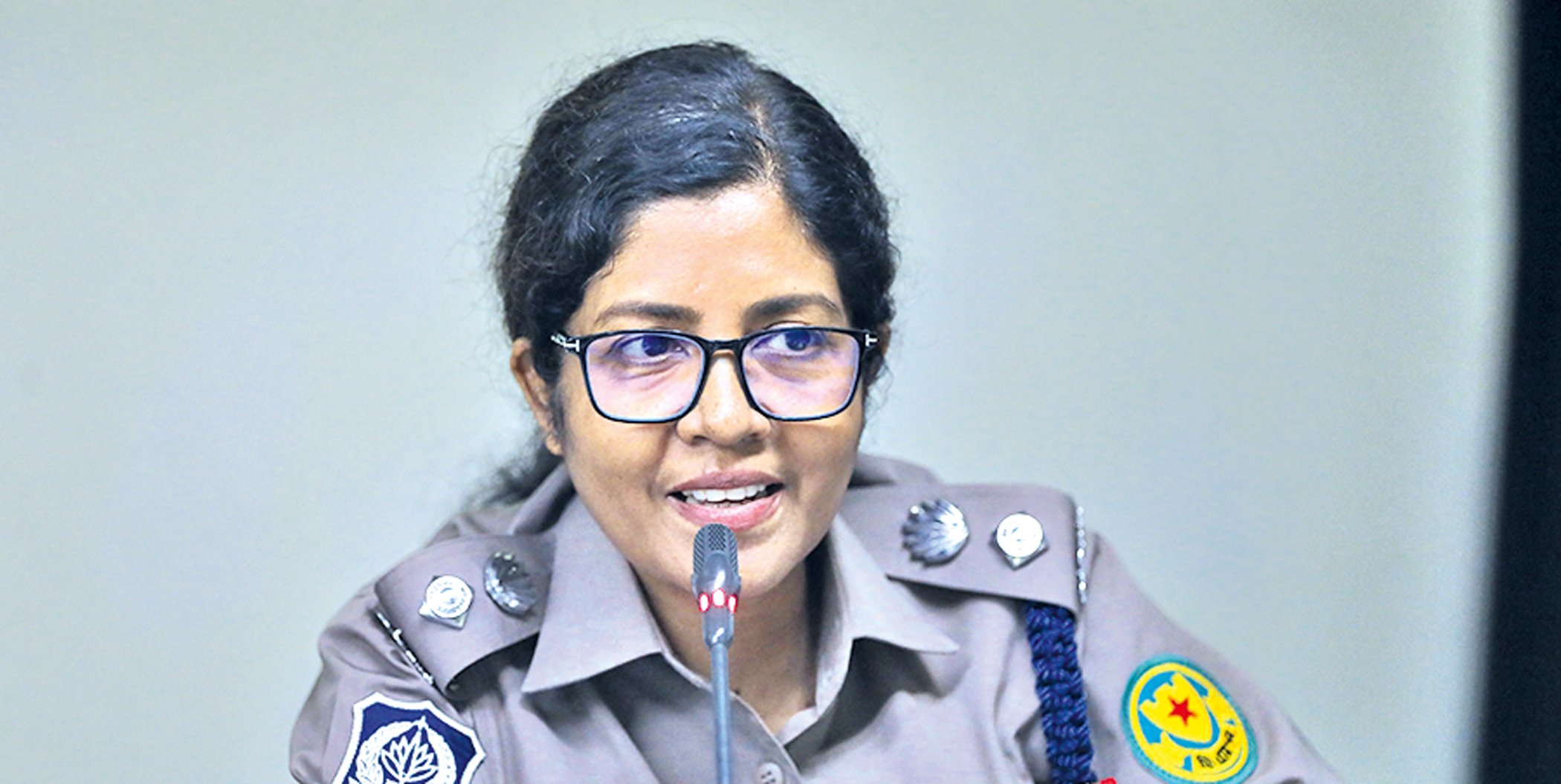
Farhana Yesmin
Deputy Police Commissioner
Women Support and Investigation Division, Dhaka Metropolitan Police
From working in the Women Support and Investigation Division, our caseload shows a dangerous shift: nearly 80% of intimate partner violence cases now involve digital elements like blackmail using private photos. While our disposal rate for cases is good, systemic delays cripple timely justice. Critical forensic and medical reports can take three months, as our female Investigating Officers must repeatedly plead with labs and doctors. This is unsustainable. Furthermore, the patriarchal mindset is entrenched within our own ranks. We must institutionalise gender-sensitisation and digital investigation training from the outset at the Sardah police academy. Empowering women financially is also crucial to reduce vulnerability. We require both a top-down policy approach and bottom-up social change to truly address this epidemic.
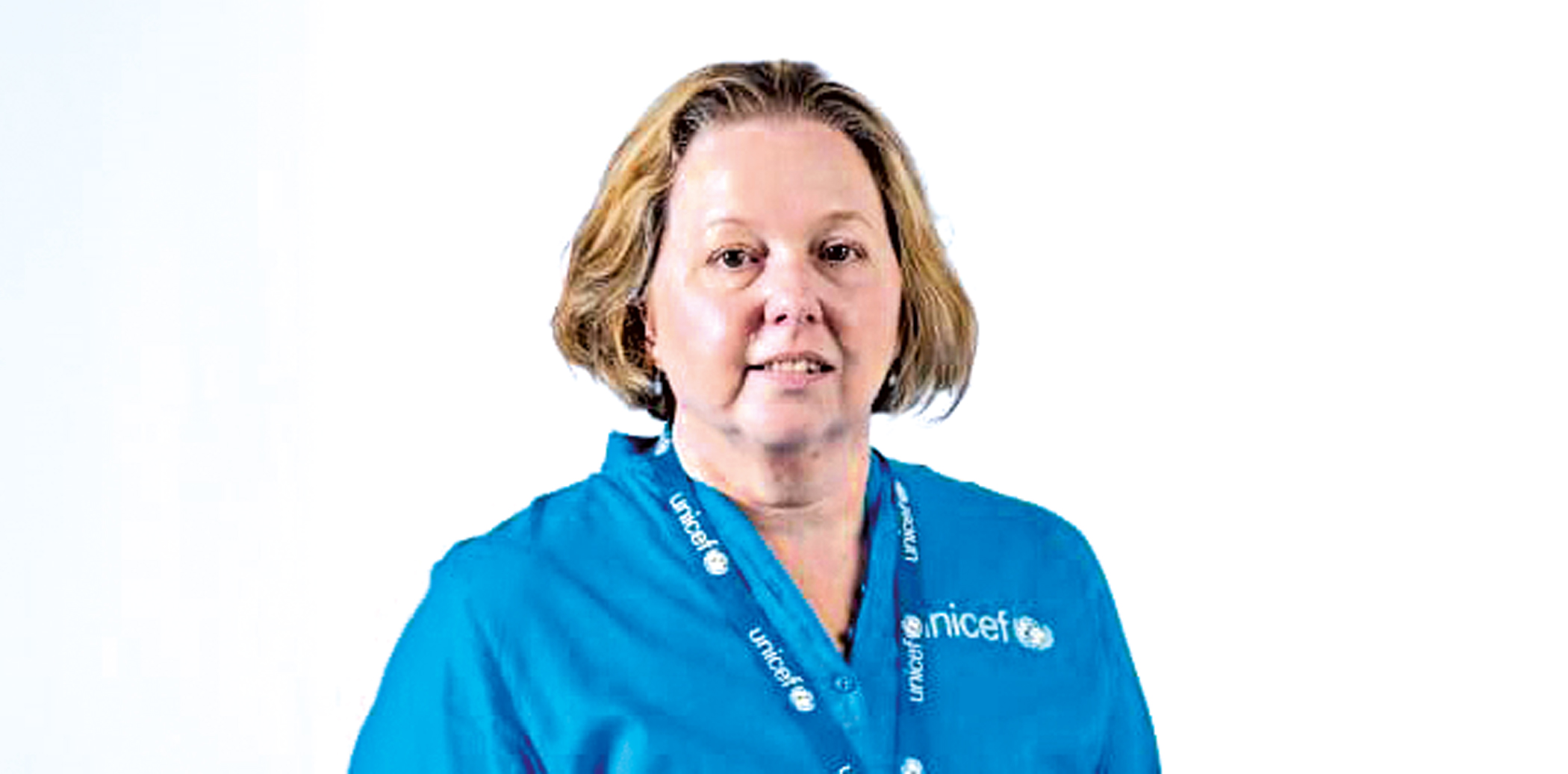
Natalie McCauley
Chief - Child Protection
UNICEF Bangladesh
The data is stark: nearly 9 out of 10 children in Bangladesh experience violent discipline: over 40 million children monthly. Half of women aged 20-24 were child brides. Intimate partner violence remains extremely high across all divisions, costing an estimated 2.1% of GDP annually. Conversely, evidence shows every dollar invested in child protection yields a $9-$15 return. Our proven solution is the community-based Child Protection Hub model, which has driven a sharp reduction in violence and child marriage in implementation districts, while increasing trust from 5% to 65%. To scale this nationally requires minimal investment: just 0.001% of GDP. I urge the establishment of a national multi-stakeholder working group, a Department of Children Affairs, and sustained government funding to professionalise the workforce and expand these hubs.
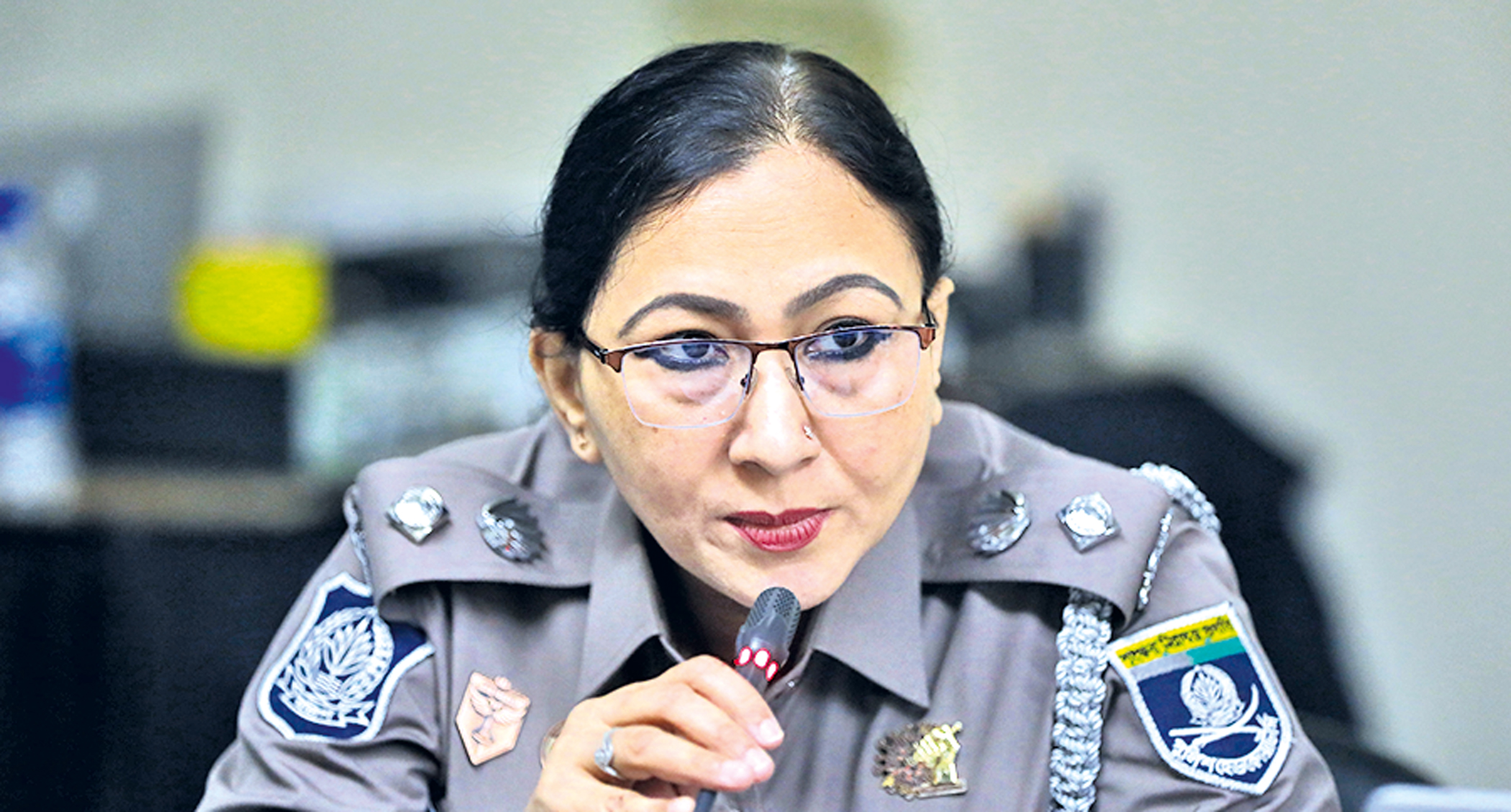
Sharmin Akter
Superintendent of Police
Police Headquarters
As part of the police headquarters, we are not idle. We have launched dedicated hotlines and a cyber support unit for women and children. Since 2021, we have trained 33,834 officers in child-friendly approaches and provided services in over a million instances. However, a major bottleneck remains in forensic evidence. The severe backlog at DNA labs means investigations into rape cases are routinely delayed, leaving Investigating Officers helpless. Beyond enforcement, the profound social stigma is devastating. The mother of the Magura victim prayed for her daughter’s death, knowing society would not accept her. This reveals our collective failure. Sensitisation must start within our own families and communities, recognising every girl’s safety as our personal responsibility.
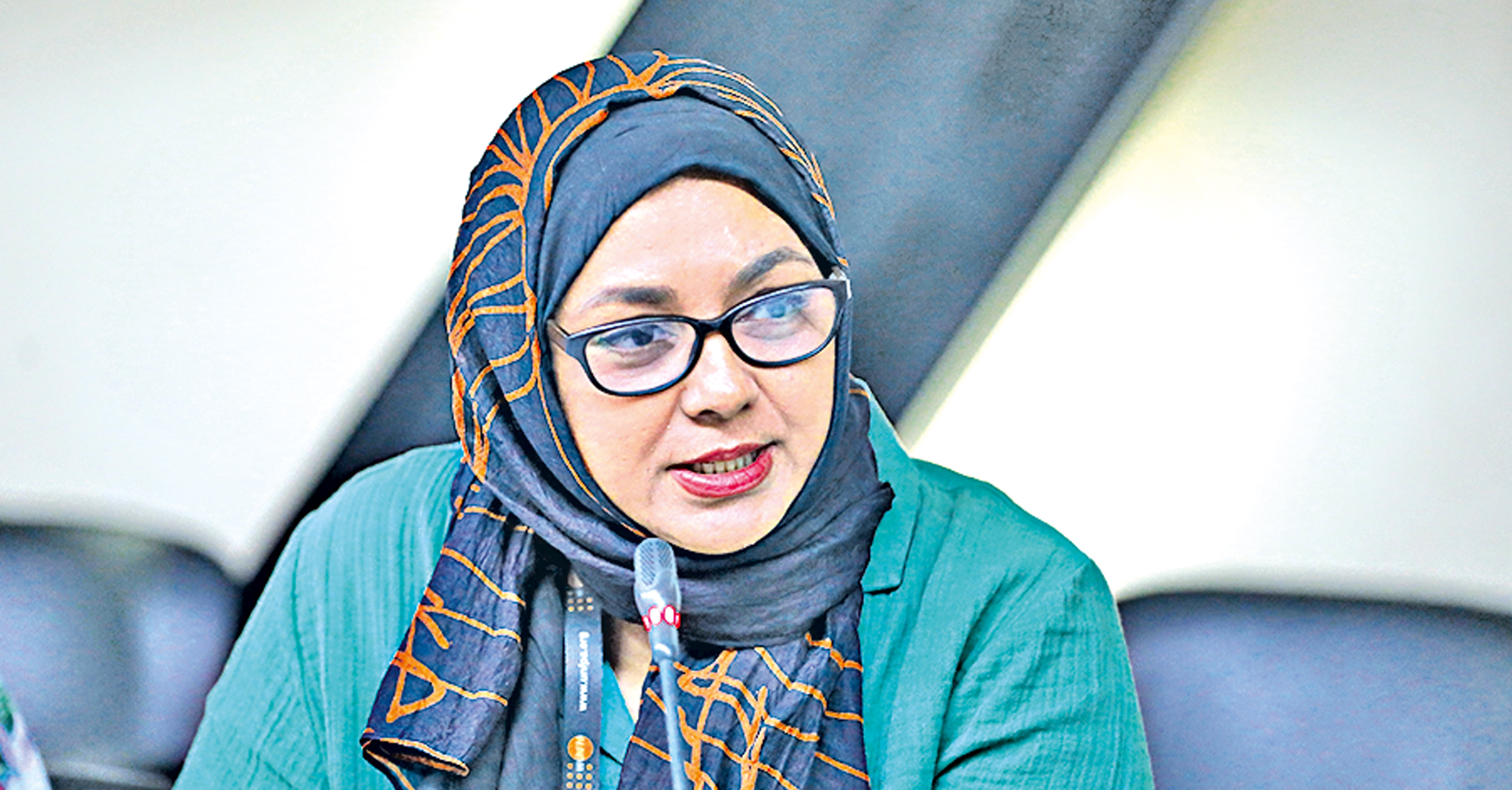
Shamima Pervin
Head of Gender Unit
UNFPA
The data reveals a hidden crisis. While a 0.5% survey statistic might seem small, it translates to over 300,000 women and children currently experiencing violence. For married adolescents (15-19), 62% face intimate partner violence. Our systems are failing them. In schools, mandated sexual harassment committees are non-functional due to inadequate training and unclear reporting mechanisms. The curriculum is another gap: less than 20% of the current health syllabus covers comprehensive sexuality education. While UNFPA runs skills-based programmes in 1,600 institutions, this is a drop in the ocean. We must mainstream this education; young people are already exposed to harmful content online. Consistent advocacy is needed to integrate these life-saving topics into the national curriculum.
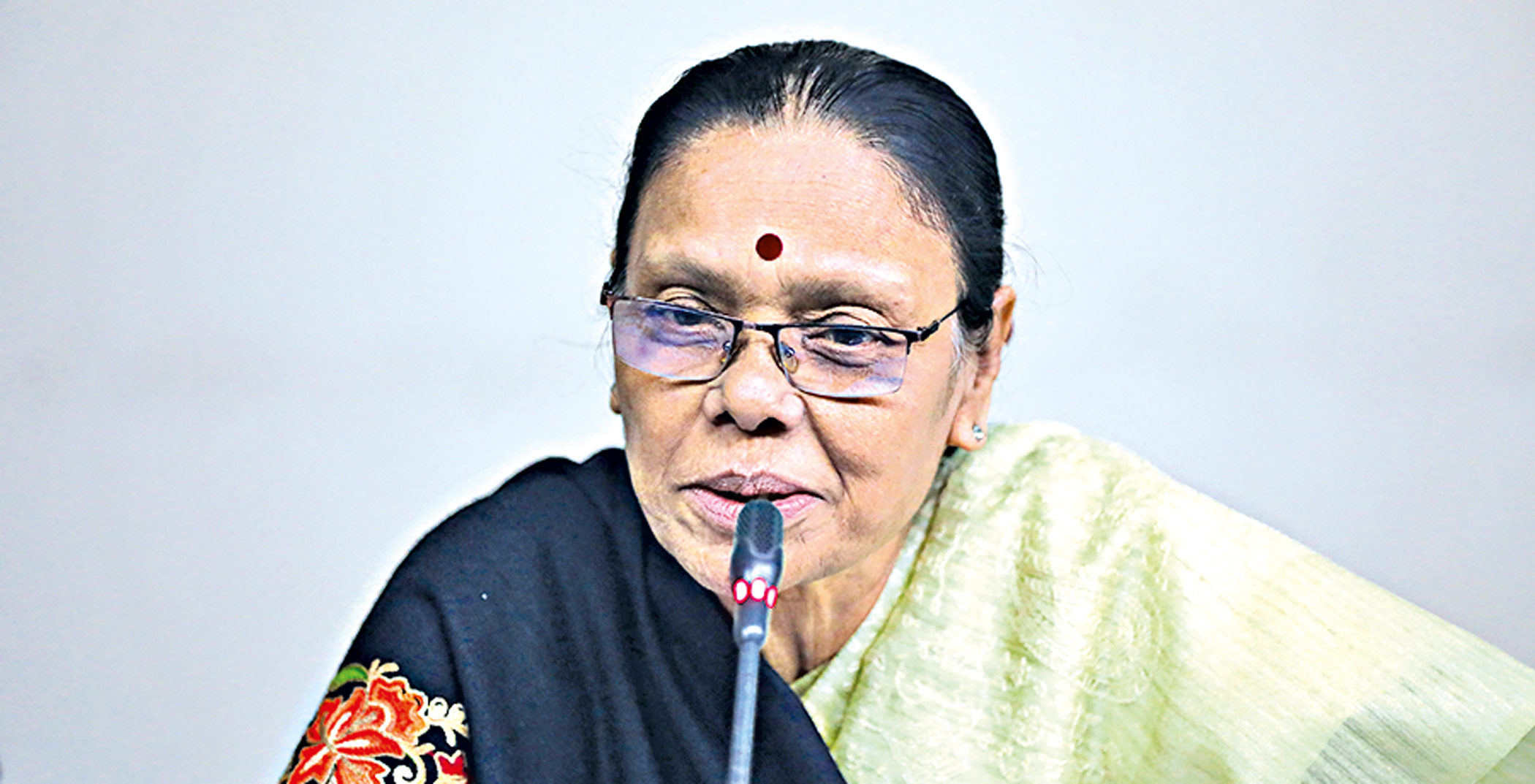
Rekha Saha
Legal Aid Secretary
Bangladesh Mahila Parishad
Our work at Bangladesh Mahila Parishad reveals a society cultivating violence. The mother of the Magura victim wishing for her daughter’s death, fearing social ostracism more, is a searing indictment. We receive constant distress calls, even from young girls reporting violence by parents, showing a disturbing trend. The violence is changing, becoming more crude and pervasive across all ages and classes. A holistic, gender-sensitive support system is non-negotiable. A survivor needs integrated legal aid, medical care, trauma counselling, and shelter, not fragmented services. My specific recommendation is to fully activate the High Court directives on sexual harassment and enact a standalone law. All public servants in support roles must be mandatorily trained in gender sensitivity.
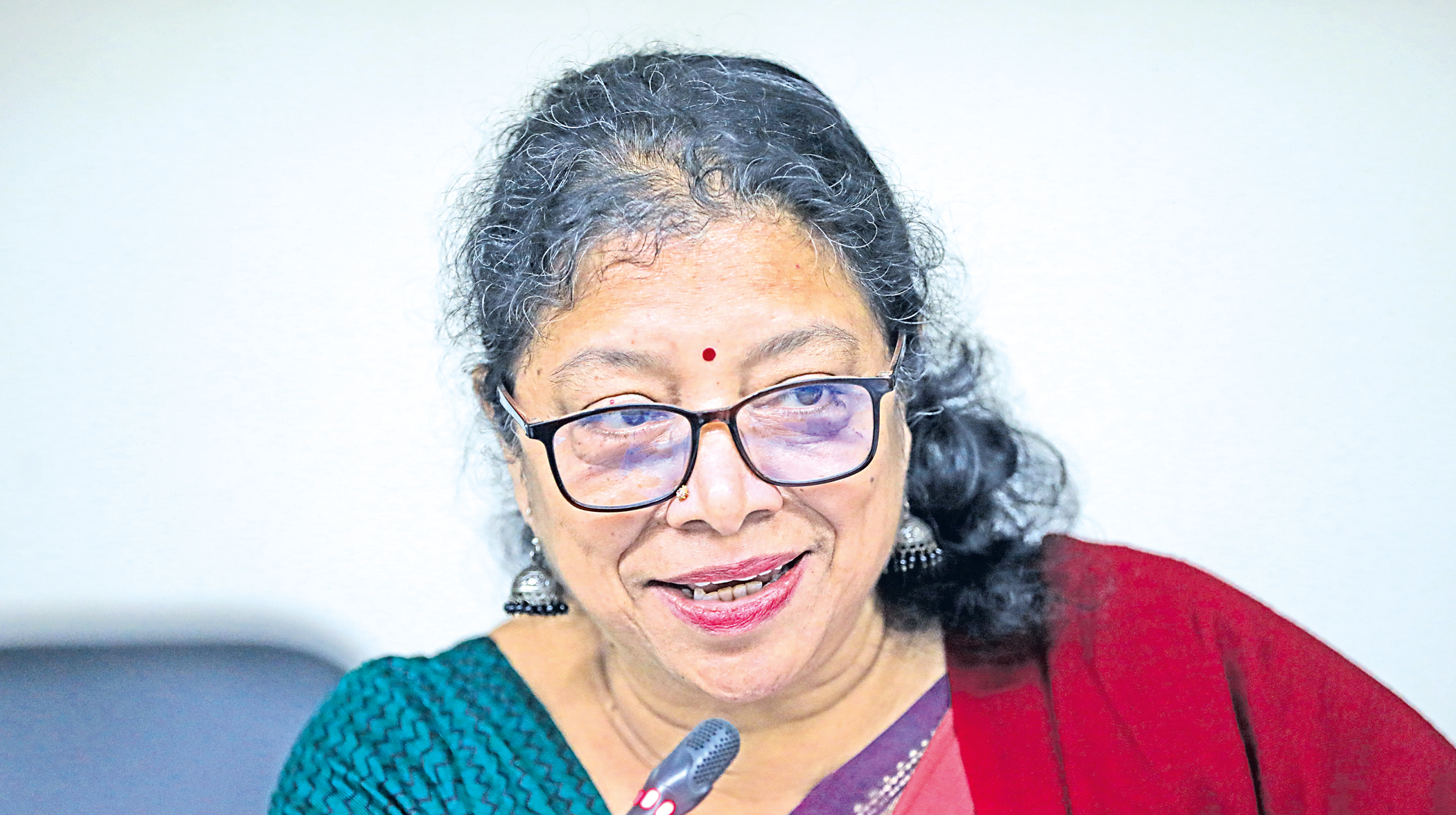
Kamrun Nahar
Programme Manager
Naripokkho
Laws like the sexual harassment legislation exist only as drafts; we must materialise these. We have normalised this violence. Even proven frameworks fail: the Multi-Sectoral Programme on Violence Against Women ran for 24 years but was shelved once donor funding stopped, with no state accountability to sustain it. We must urgently review and update the National Action Plan 2018-2030, ensuring clear roles and budgetary commitments for every ministry involved. Furthermore, discriminatory laws like the Guardianship Act force women to endure domestic violence due to unequal rights. We need a functional, time-bound multi-sectoral forum with mandatory bi-monthly reviews to translate rhetoric into actionable, funded work.
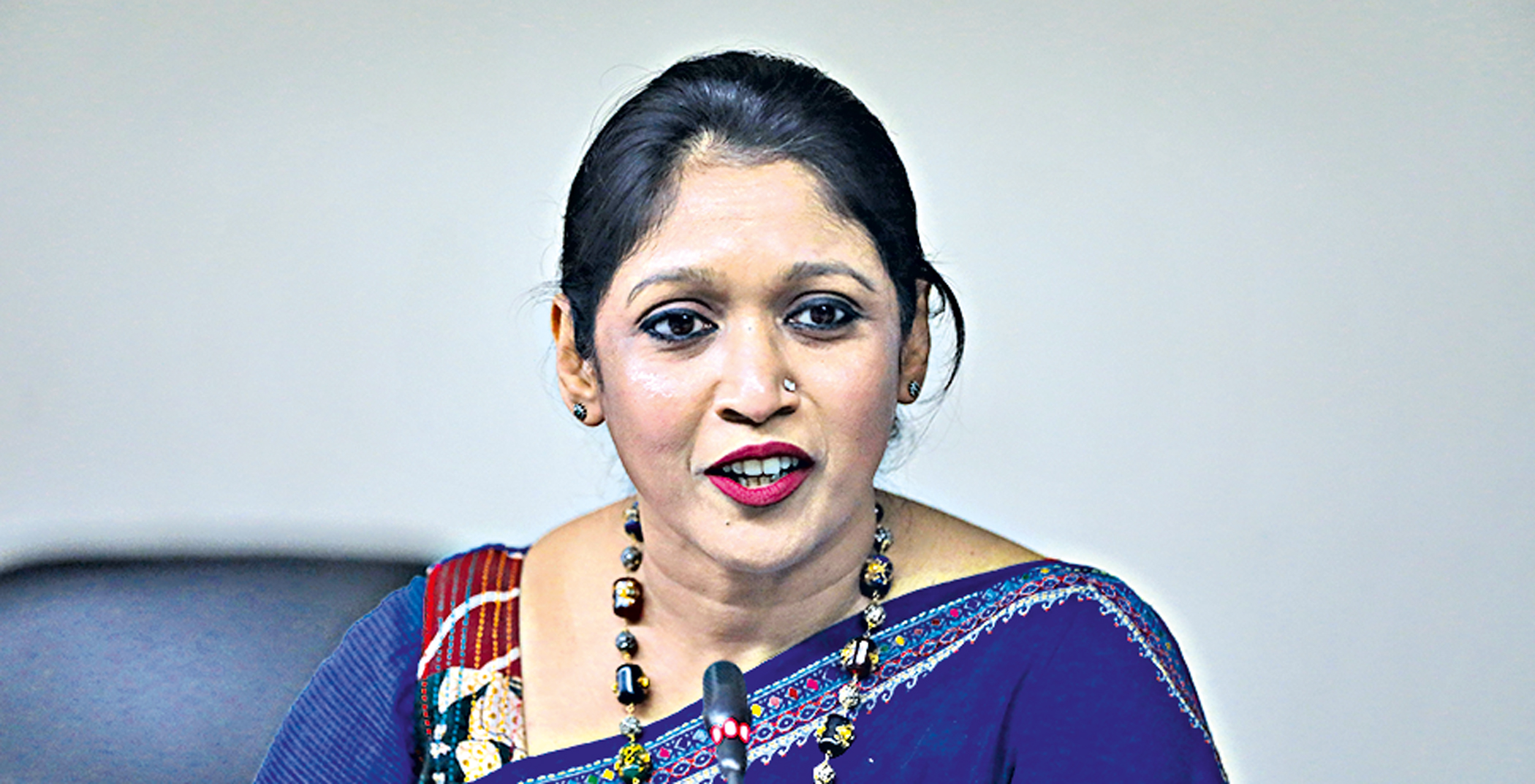
Dr. Tania Haque
Professor
Department of Women and Gender Studies, University of Dhaka
 For all latest news, follow The Daily Star's Google News channel.
 Violence persists because we have cultivated a deep-seated tolerance for it. Data shows 76% of women face intimate partner violence, meaning it is routinely negotiated and justified within the home. Our solutions are misaligned. First, we lack a national knowledge base for evidence-based policymaking. We desperately need a comprehensive family policy and parenting modules; the primary duty of care begins with families, yet we provide no guidance. Second, our segregated education systems require a curriculum overhaul. Beyond limited sexuality education, we must teach conflict resolution, ethics, and emotional literacy to dismantle aggression. Shockingly, 77% of youth now believe women shouldn’t work if men earn. We must add respect and dignity to the developmental ‘plate’ alongside physical growth.
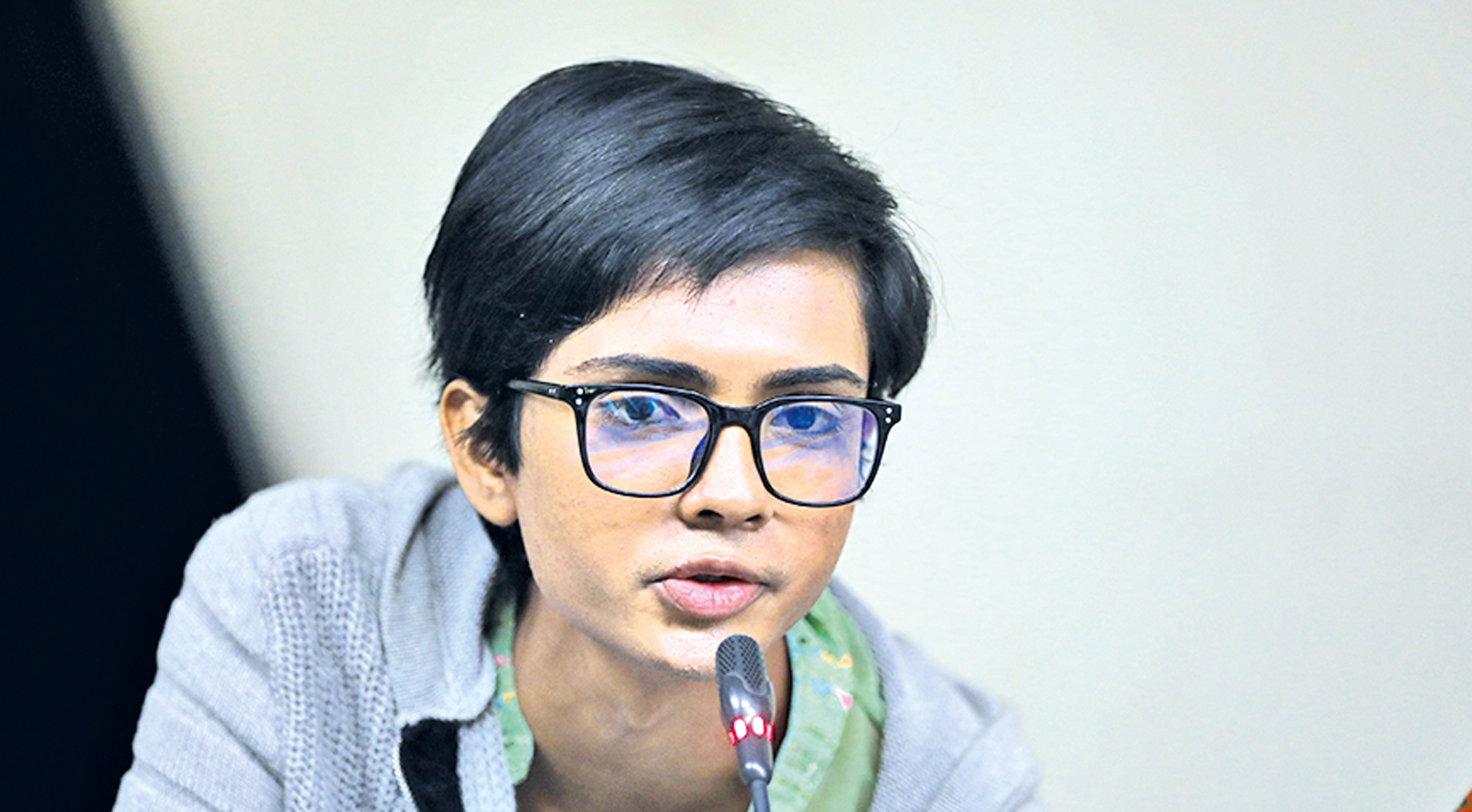
Deen Islam
Member
Global Youth Cohort - Plan International
As a youth representative, I see two critical avenues for change. First, we must leverage grassroots awareness. With over 130 million internet users, youth can use social media campaigns to spread crucial information on laws, services, and reporting mechanisms directly within communities. Many tolerate violence simply because they don’t recognise it as a crime. Second, policy must be informed by ground realities. When formulating action, the government must conduct need assessments that meaningfully consult community-level youth and survivors. Their lived experience ensures policies are effective. Furthermore, we must ensure youth and women’s representation in local union council meetings. Our collective voice and hyper-local activism are powerful tools to break the cycle of silence and violence.
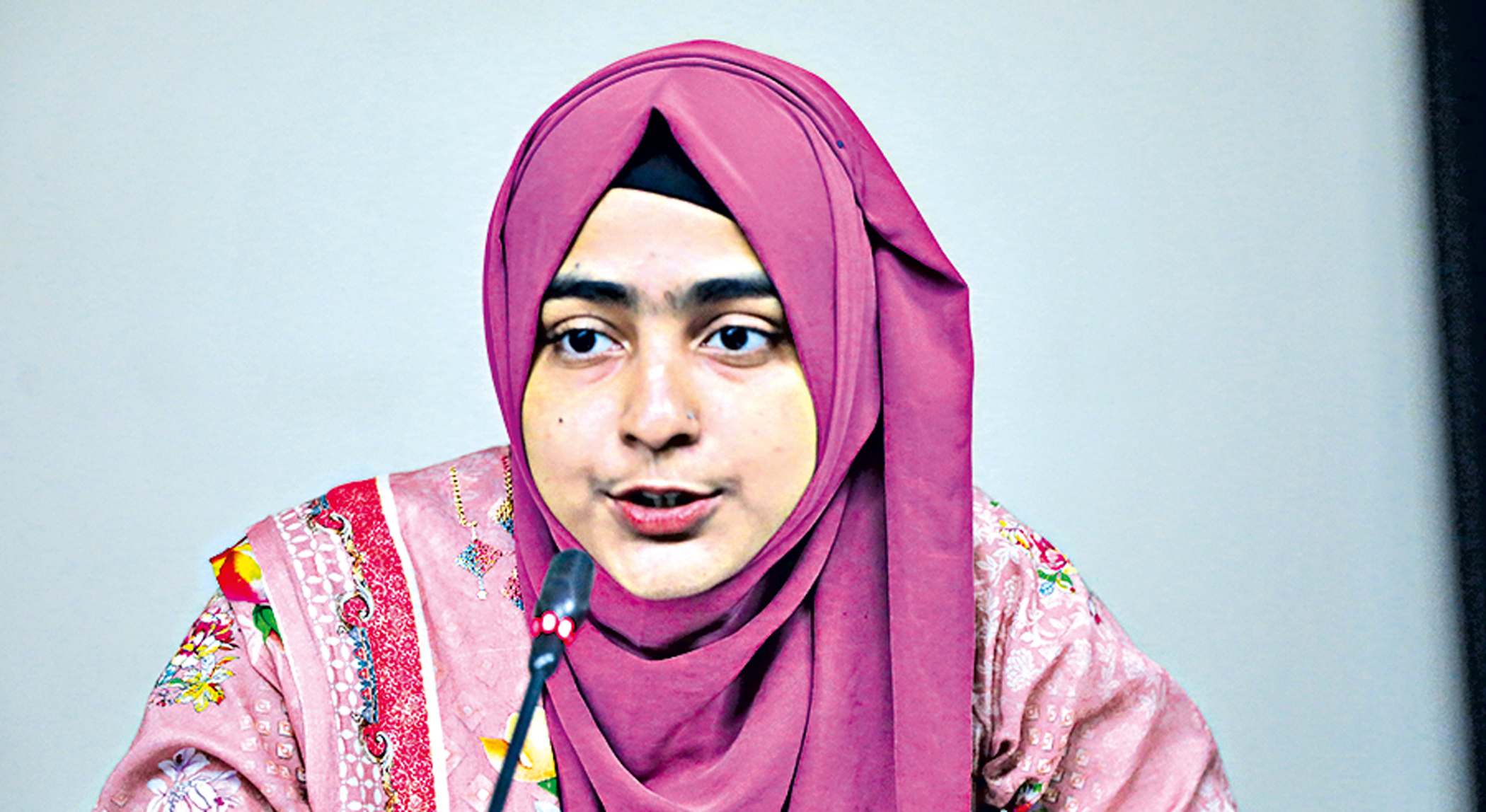
Sumaiya Akhter
Peer Leader
Child Protection Community Hub
As a peer leader in a Child Protection Hub, I get see firsthand why violence goes unreported. Children face physical, mental, sexual, and cyber violence, child marriage, and forced labour. Yet, young victims consistently hide their suffering due to fear, shame, and societal pressure. They are terrified of perpetrator retaliation, feel intense shame about social judgement, and worry about burdening their families. A deep mistrust in the system leads them to believe they won’t be believed, and they fear being blamed instead of the accused. Crucially, when the perpetrator is a close relative, even a father, the barrier to speaking up is insurmountable. We must create truly safe, believing, and blame-free channels for children to seek help.
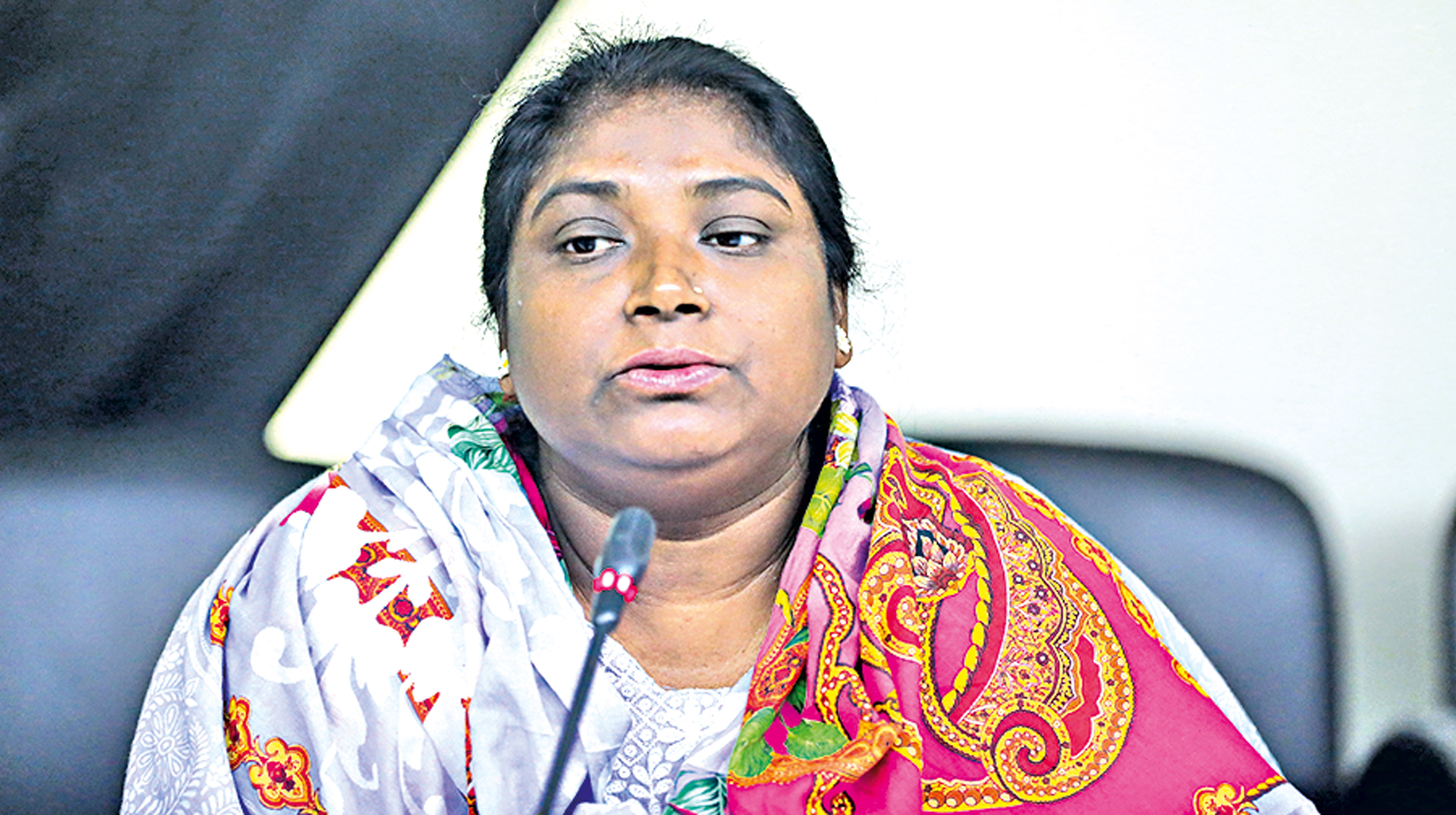
Fatema Begum
Parent
As a parent, I believe safety must begin with me. I must first be safe myself to protect my family. We must acknowledge that violence can originate from within our own homes, even from relatives. To prevent this, I am committed to building a friend-like, trusting relationship with my daughter so she feels no fear in confiding anything in me. I will educate my family, reject child marriage, and ensure my daughter completes her education. However, I cannot do this alone. We need concrete support. I urge community committees and government teams to provide regular training sessions for parents like me. We need to learn how to stay safe so we can return to our neighbourhoods and share this knowledge, creating a wider circle of protection and awareness.
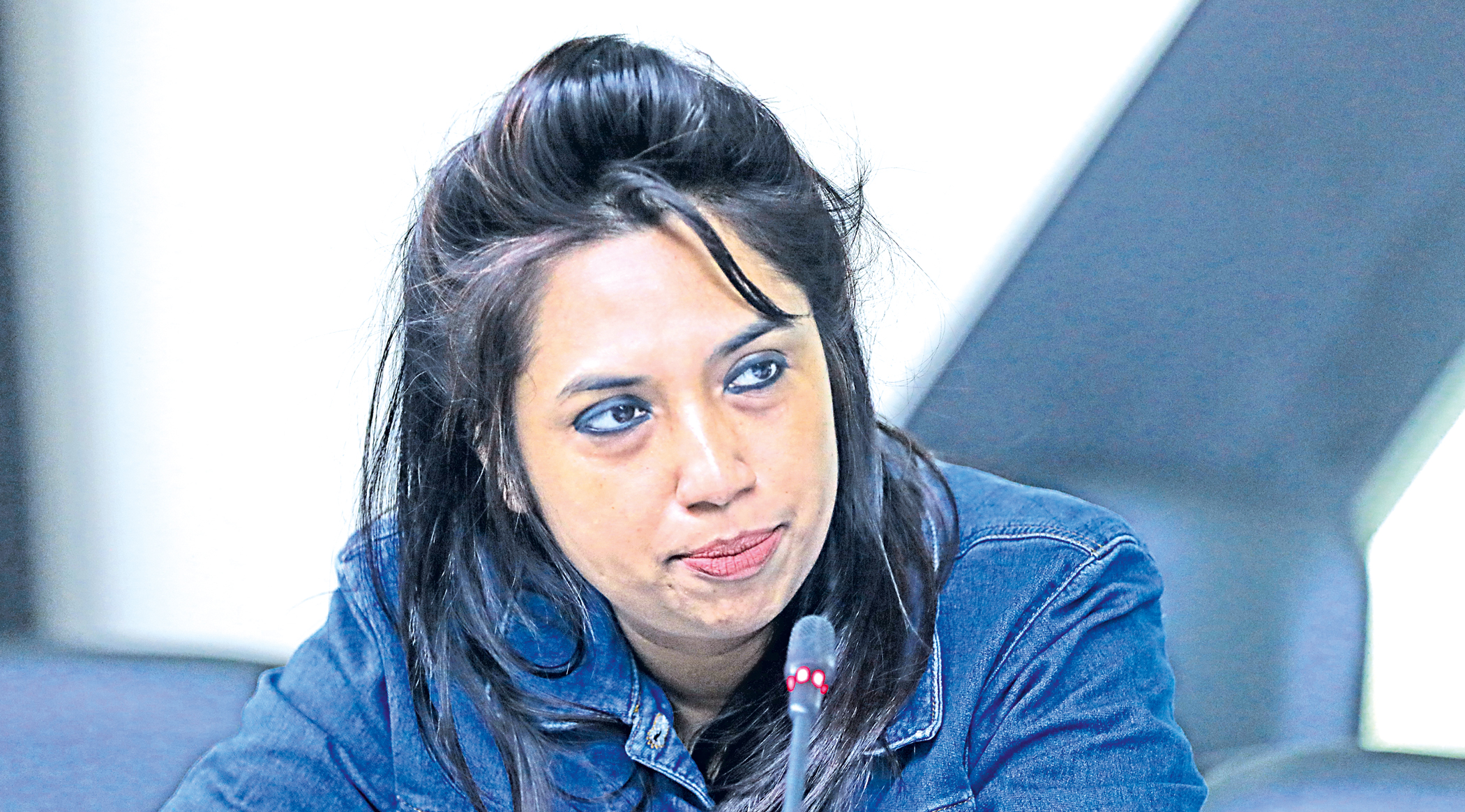
Jenia Kabir Shuchona
Senior Reporter
Channel 24
As a senior reporter, I see media playing a pivotal yet flawed role. Coverage of violence is often sidelined, treated as ‘off-track’ feature stories rather than mainstream reporting. This must change. Furthermore, why are stories on women’s rights or maternal health almost exclusively assigned to female journalists? Male journalists must also report on these issues; it is essential for normalising the conversation. Our reporting must also become more sensitive and ethical. Headlines that blame victims by detailing what they wore or why they were out at night are irresponsible and harmful. The focus must remain on the crime itself. We must move beyond reactive coverage of major incidents and consistently highlight the everyday violence that precedes them.
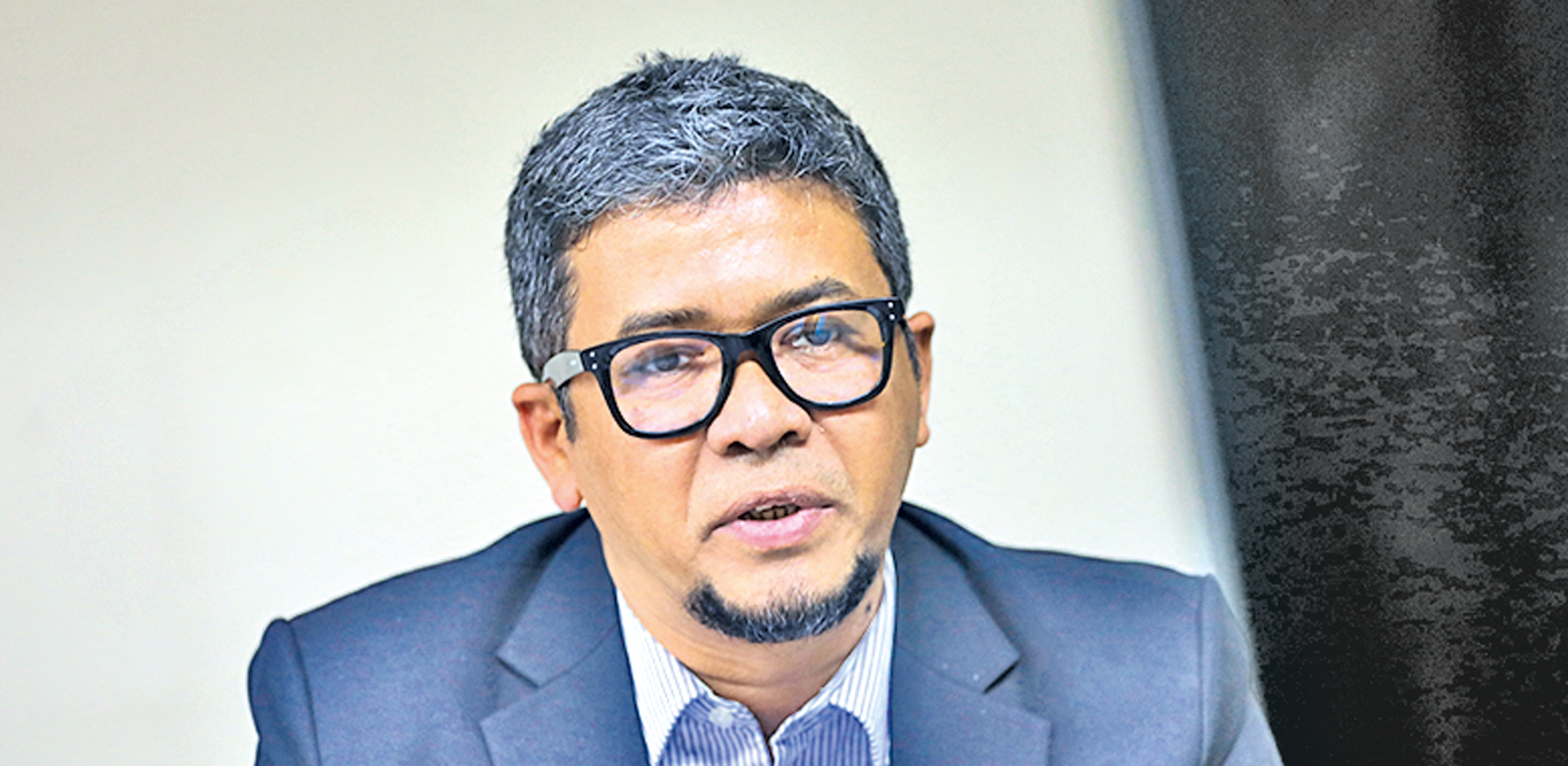
Mohammed Maheen Newaz Chowdhury
Director of Programmes
Plan International Bangladesh
A critical data point demands focus: in disaster-prone areas, which comprise most of Bangladesh, women face an 81% higher risk of violence. Climate change intensifies this vulnerability. While digital violence is rampant, digital solutions also offer hope. I strongly advocate for accelerating digital birth and marriage registration; this is a powerful tool to prevent child marriage and related abuse. Lasting change requires champions who push boundaries, not just routine work. Our experience shows engaging youth organisations is transformative. The government, police, and civil society should systematically involve the nationwide network of youth groups in this mission. The remarkable reduction in acid violence proves that with concerted, multi-sectoral effort, deep-rooted change is achievable.
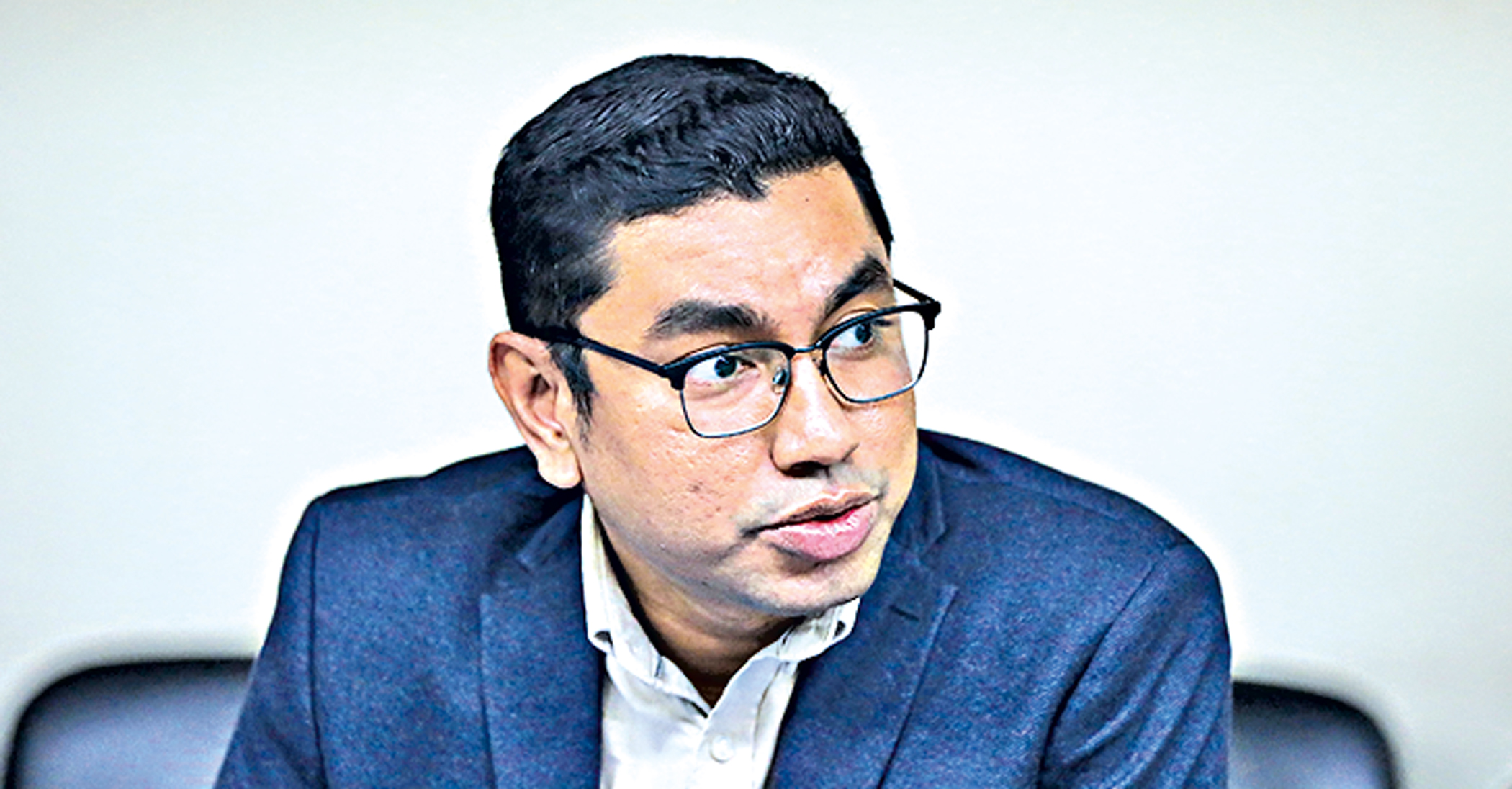
Tanjim Ferdous
In-Charge - NGOs & Foreign Missions
The Daily Star
(Moderator of the Session)
Today’s dialogue, convened under the National Child Protection Cluster, addresses a crisis at the heart of our progress. The evidence is stark: nearly half of our girls are married before 18, and violent discipline remains widespread. Most concerning is the justice gap: thousands of cases are reported, yet only a small fraction reach verdicts. Our goal is to move beyond discussion to identify actionable steps: strengthening legal and social systems, improving birth registration, and building a professional social service workforce. Crucially, we must centre the voices of children and adolescents in the solutions we design. This is a call for strategic, accountable action.
Recommendations
Establish a dedicated Department of Children Affairs to serve as a single, accountable government body for coordinating all child protection policies.
Professionalise and expand the national social service workforce by creating a dedicated cadre of government-trained child protection officers.
Enact the long-pending Sexual Harassment Prevention law and amend the Child Marriage Restraint Act to remove legal loopholes and discriminatory provisions.
Accelerate digital birth and marriage registration and modernise forensic evidence collection to prevent child marriage.
Institute a time-bound, high-level Multi-Sectoral Working Group with mandatory bi-monthly reviews to ensure inter-ministerial coordination.
- Launch a sustained, youth-led national awareness campaign and reform media guidelines to shift harmful social norms.
Comments