


Why I Stopped Reading Romance Novels
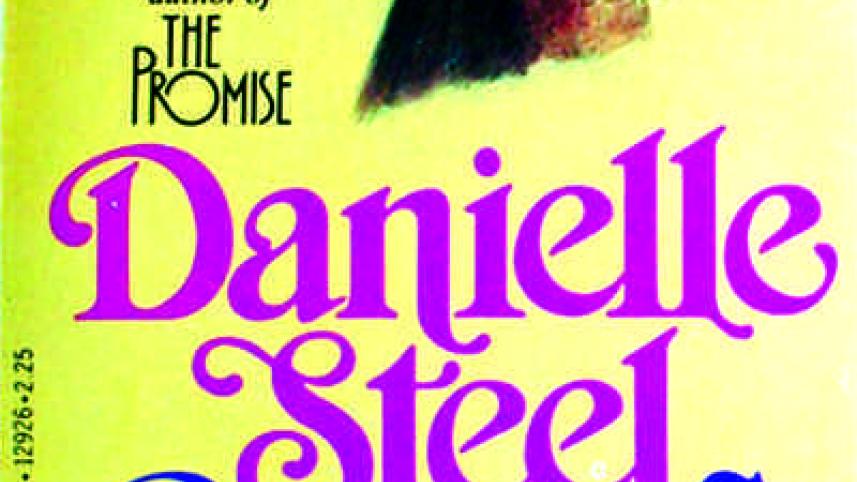
Romance is a giant among literary genres that churns out a huge readership base and profit world-wide. An article summed up the popularity of the genre as such- these 'romance' stories are to literature what hot dogs are to cuisine – quickly made, tasty, filling, temporarily satisfying, but with no nutritional value whatsoever .The problem with trying to sell romance like hot dogs is that romance is not fast food- quickly served and easily available.
Here is what I found after 55 novels and a few life lessons:
Romantic love is so much more flawed and ordinary than the glistening expectations most novels tend to create for it. It's easy to get caught up in the fantasy of finding The One, and it's even easier to get caught up in the world-wide obsession for 'coupling up'. We are all, in one way or the other, tired with life and its inexhaustible store of mistakes, heartbreaks and incompleteness. And these books make us believe, for a few hours, that romance is easy and right around the corner and that it lasts a lifetime. We refuse to believe that sometimes things fall apart and love, no matter how true and real, doesn't last a lifetime.
As for the story – plots are mass-manufactured, unrealistic tales of handsome, manly heroes falling in love with virginal women, breezing through a series of adventures, inevitably ending in a happily-ever-after.
The author fleshes out the characters only enough for a reader to fit into them and play the roles in their head. None of them make a lasting impression. They didn't have any substance, any thought other than just their daily lives and a sense of how they looked like. I need characters, struggles and thoughts that are human. Not just vague impressions of humans and a storyline that depends on the universal tropes of damsel-in-distress and hero's glory.
Let us take the feminist perspective: how many romance novels portray a not-so-perfect/non-virginal heroine? How many of them don't glorify the hero? The novels add to an underlying view in society that women should only discover the 'right' kind of love and their own sexuality only with one man for the rest of their lives. They reinforce social constructs. The romantic hero is usually a business tycoon or a muscled blue-collar worker, who emphasize the point that masculine power comes from economic and physical strength. The heroines are portrayed as passive virgins who discovered their sexual desire only after being seduced by a man.
That being said, today's novels do a much better job of depicting reality, where characters are not pigeon-holed into antiquated gender roles. But even now, a deep strand of idealization runs through the genre – this is how novels define romance. Idealism needs to go hand-in-hand with sensibility. Love demands hard work.

 For all latest news, follow The Daily Star's Google News channel.



Comments