After 1,000 days of war, why peace in Gaza remains out of reach

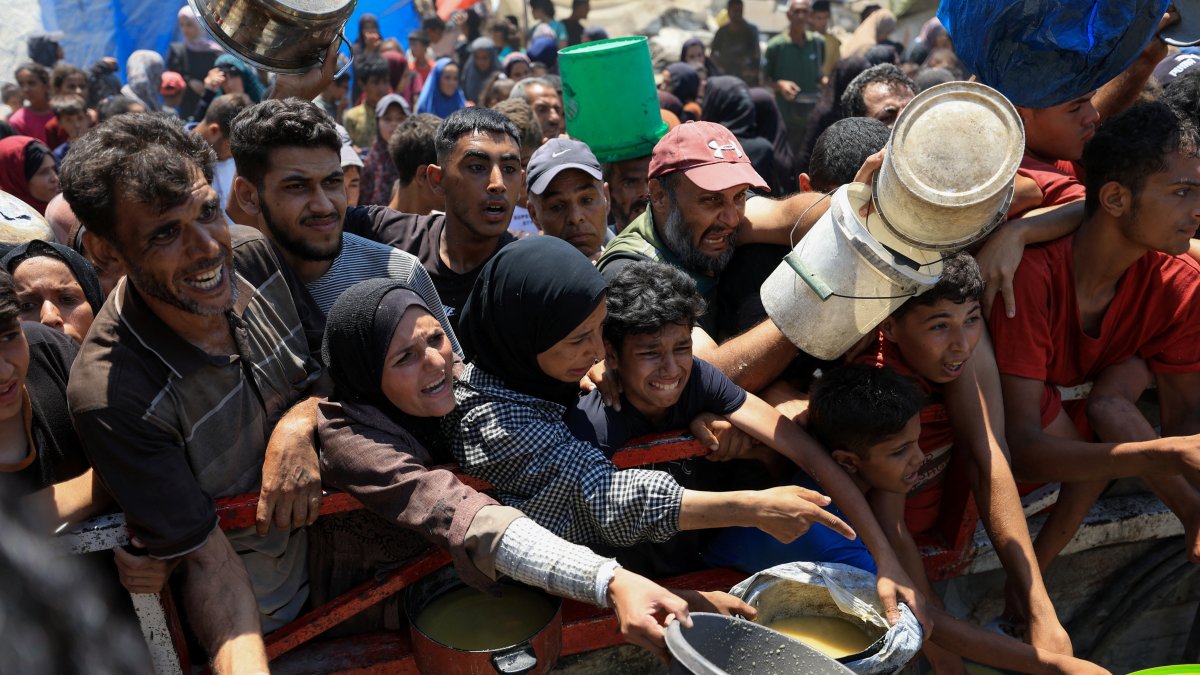
Israel’s genocidal war on Gaza has now exceeded a thousand days. It continues despite the ceasefire brokered by the US last October. Death and destruction have been on an epic scale. More than 73,000 Palestinians have been killed, including over 21,000 children. Thousands remain missing. Gaza lies in ruins with 80 per cent of it devastated. Over 200 journalists have been deliberately targeted and killed by the Israeli army. Israel has expanded its control of more territory in Gaza, ignoring UN warnings that “this increases deadly risks for Palestinians”.
The humanitarian crisis in Gaza is still catastrophic. Even as Israeli strikes continue in violation of the ceasefire, the world has moved on — its focus fixed instead on the US-Iran conflict and talks for a negotiated deal. Regional powers too have pulled away. Gaza has been relegated to the sidelines. This has left the peace plan in limbo and disarray.
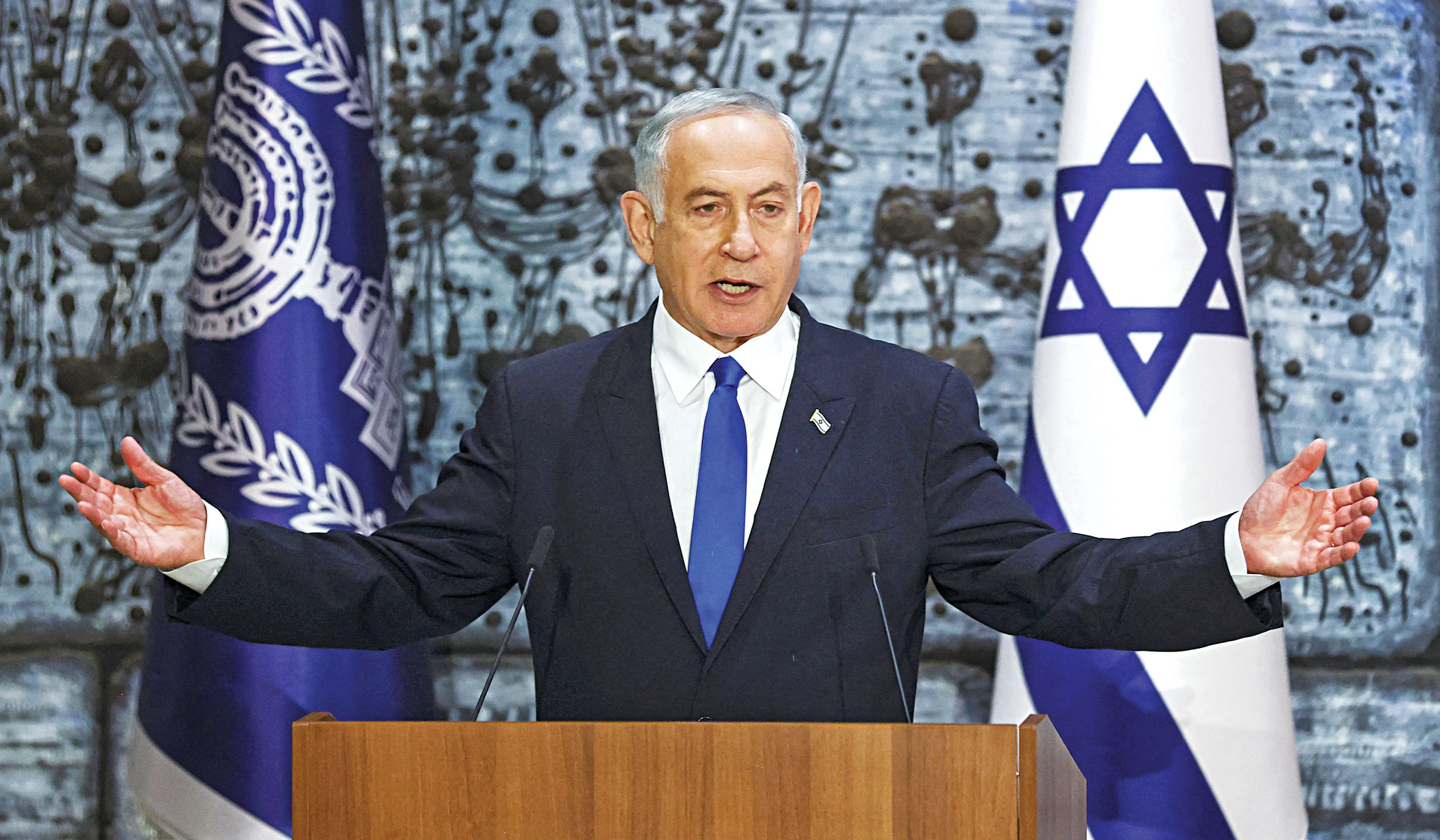
Now Hamas is trying to change that and seize the attention of the international community. Last week, it announced it would transfer power in Gaza, where it was a de facto government for two decades, to a committee of technocrats. Called the National Committee for the Administration of Gaza (NCAG), this transitional body of Palestinian technocrats was established in January under President Donald Trump’s peace plan. It was meant to assume governance in the Strip and work under the supervision of the Board of Peace (BoP). This, along with a gradual withdrawal of Israeli troops, Hamas’s disarmament and the Strip’s demilitarisation was to take place in the second phase of Trump’s 20-point plan. The first phase involved the exchange of Israeli hostages for Palestinian prisoners.
None of this happened. The NCAG was given no resources and remains stuck in Cairo in the face of Israeli opposition to its entry into Gaza. The international stabilisation force has yet to be deployed. The BoP has remained mostly inert and advanced little on any front. It has been mired in legal and political problems with the official fund for the Board having no cash. In an appalling move, the BoP announced last week that the UN agency for Palestinian refugees, UNRWA, “has no place in the new Gaza”. The Palestinian leadership condemned this as elimination of the refugee question. The Board also plans a ‘closed’ pilot ‘humanitarian zone’ in southern Gaza ostensibly to accommodate thousands of ‘vetted’ Palestinians. This controversial move is widely seen as incompatible with international humanitarian law and amounting to forced displacement of the population.
There is also the question of how much the US is prepared to press Israel to comply with its commitments under the plan. So far it has turned a blind eye to Israeli expansion of areas in its control and its continuing destruction of Gaza. Statements from Washington demand Hamas should disarm but say nothing about the almost daily Israeli strikes on Gaza, obstruction of humanitarian assistance or the gradual Israeli withdrawal from the enclave. The US also said nothing as Israel carried out de facto annexation of the West Bank, conducted deadly raids and engaged in ethnic cleansing of the Bedouin and herding communities. With Netanyahu facing re-election in fall amid dwindling public support, this makes him even less willing to push ahead with the peace plan.
Hamas says it will relinquish governance “to remove any pretexts for the occupation, which continues its aggression and war of extermination”. With this, the Palestinian resistance group disbanded its governing body. The aim is to mount pressure on Israel, expose the impediments it has placed in the path of any forward movement and kick-start the stalled peace process by pushing the BoP to move. Israel has dismissed Hamas’s announcement. Its foreign minister dubbed it “a trick” to avoid disarming.
The Board has taken note of it but said its assessment “will be guided by actions, not promises”. It added that all weapons in Gaza should be under the control of the NCAG. Hamas didn’t say anything about giving up weapons. It had made it clear from the very start it would only do that when Israel delivers on its commitment to withdraw from Gaza and end its occupation. Hamas also insists a Palestinian administration must be in place before it considers disarming. Disarmament cannot happen unless a civilian Palestinian authority is up and running in Gaza because otherwise who does Hamas hand over weapons to?
Israel now occupies around 60pc of Gaza. Recently, Israeli Prime Minister Benjamin Netanyahu ordered his military to seize 70pc of the Strip. Meanwhile, Israel’s Defence Minister Israel Katz declared Israeli forces would remain in what he described as “security zones” in Gaza for an indefinite period, with no timetable for withdrawal.
The move by Hamas may be symbolic but it can easily be tested by allowing the transitional 13-member Palestinian technocratic committee, headed by Ali Shaath, to enter Gaza and take over the enclave’s day-to-day governance. It is Israel that is blocking that. Talks in Cairo have taken place between Palestinian factions including Hamas and BoP representatives, as well as mediators Qatar and Turkiye. But the Hamas-Israel deadlock continues over implementation of the second phase of the peace plan.
Hamas says it will relinquish governance “to remove any pretexts for the occupation, which continues its aggression and war of extermination”. With this, the Palestinian resistance group disbanded its governing body. The aim is to mount pressure on Israel, expose the impediments it has placed in the path of any forward movement and kick-start the stalled peace process by pushing the BoP to move. Israel has dismissed Hamas’s announcement. Its foreign minister dubbed it “a trick” to avoid disarming.
What happens next depends on several factors. The most important is how engaged and interested the Trump administration is in pushing the Gaza plan forward. For now, it is entirely preoccupied with the latest flare-up of tensions with Iran. The US and Iran traded military strikes last week and Washington rescinded the licence allowing sales of Iranian oil. Trump declared the ceasefire with Iran is over. But he also said talks will continue. Nevertheless, the US-Iran Memorandum of Understanding hangs in the balance. Trump’s impatience, Iran’s hardened position after Ayatollah Ali Khamenei’s funeral and the clash over control of the Strait of Hormuz are contributing to the escalation of tensions. This won’t revive Washington’s focus on Gaza. The longer the US-Iran confrontation drags on, attention will be diverted from Gaza.
There is also the question of how much the US is prepared to press Israel to comply with its commitments under the plan. So far it has turned a blind eye to Israeli expansion of areas in its control and its continuing destruction of Gaza. Statements from Washington demand Hamas should disarm but say nothing about the almost daily Israeli strikes on Gaza, obstruction of humanitarian assistance or the gradual Israeli withdrawal from the enclave. The US also said nothing as Israel carried out de facto annexation of the West Bank, conducted deadly raids and engaged in ethnic cleansing of the Bedouin and herding communities. With Netanyahu facing re-election in fall amid dwindling public support, this makes him even less willing to push ahead with the peace plan.
These developments are undermining the prospects for advancement on the Gaza plan. Once again, Palestinians were promised peace, but instead got death, destruction and endless suffering.
This article was first published under the title “Thousand-day war" in Dawn, an ANN partner of The Daily Star, on July 13, 2026.
Maleeha Lodhi is a former ambassador to the US, UK and UN.
Send your articles for Slow Reads to slowreads@thedailystar.net. Check out our submission guidelines for details.

From the Carter Doctrine to the Mecca Pact: A changing Gulf security order
More capability, less autonomy? Bangladesh’s emerging security dilemma
An anti-West network is emerging: How should Bangladesh respond?
The Mecca Pact: Deterrence, Israel, and the new Gulf security equation
What Nepal’s flood devastation means for Bangladesh, India and China
Five reasons why Bangladesh shouldn’t join the Mecca Pact
Why Gaza peace deals keep falling apart
Rohingya genocide: Will the ICJ verdict bring justice?

Should Bangladesh join the Mecca Pact?