Beyond Acacia and Eucalyptus: Rethinking forest restoration in Bangladesh
Bangladesh is part of one of the world’s richest biodiversity regions, yet its natural forests continue to shrink and degrade. In response, plantation programmes using fast-growing exotic species such as Acacia and Eucalyptus are often promoted as quick solutions to restore tree cover and meet timber demand. But an important question remains: can monoculture plantations truly replace the ecological functions of natural forests? The answer to that question will shape the future of Bangladesh’s forests and wildlife.
A legacy shaping forest management
Since the birth of Bangladesh in 1971, the country’s forestry administration has largely been shaped by institutional traditions inherited from earlier periods. The forestry bureaucracy evolved from the colonial forestry system established under the British Empire between 1864 and 1947, continued through the Pakistan period (1947–1971), and eventually became the foundation of the modern Bangladesh Forest Department.
This historical legacy has profoundly influenced how forests have been managed over the past half-century. Colonial forestry systems were primarily designed to secure timber resources for administrative and commercial purposes. As a result, forest management often focused on timber production rather than ecological restoration or biodiversity conservation. Although Bangladesh today recognises the importance of environmental sustainability, many elements of earlier management approaches continue to shape policies and practices.
Declining natural forests
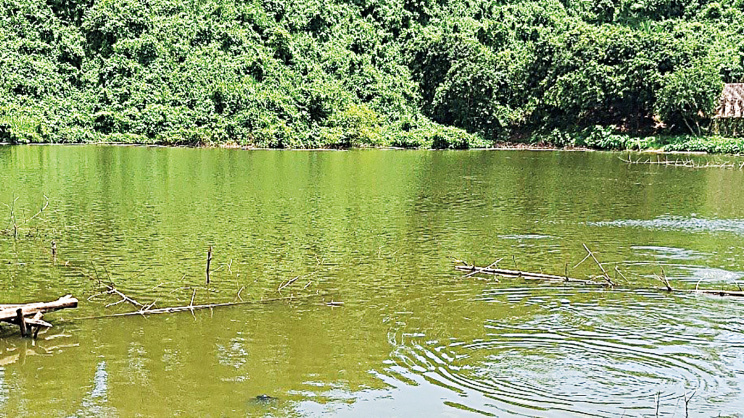
Despite having legal authority over large areas designated as Reserved Forests and Protected Areas since the late nineteenth century, forest governance in Bangladesh has faced persistent challenges. Over the decades, natural forests have declined both in area and ecological quality. In many cases, forest lands have been converted into commercial plantations or gradually lost to encroachment, settlement expansion, and infrastructure development.
The condition of several protected areas illustrates this challenge. Chunati Wildlife Sanctuary, declared in 1986 to protect forest ecosystems and wildlife habitats, has long been regarded as an important conservation site. Yet observations from researchers and conservationists indicate that parts of the sanctuary have suffered from degradation, encroachment, and changes in land use. These situations highlight the continuing difficulty of enforcing forest protection laws and maintaining ecological integrity in protected areas.
Such examples raise broader questions about the effectiveness of forest governance. Strengthening monitoring, enforcement, and long-term conservation planning remains essential if the country’s remaining natural forests are to be preserved.
The rise of plantation forestry
Against this background, debates over plantation forestry have intensified. The Bangladesh Forest Department has historically promoted fast-growing exotic species such as Acacia auriculiformis and Eucalyptus camaldulensis in degraded forest areas. These species were widely introduced under social forestry and crop-sharing programmes, often supported by international development initiatives.
From a production perspective, such species offer certain advantages. They grow rapidly, provide fuelwood and timber within a relatively short time, and can quickly create visible green cover on degraded landscapes. For a country facing increasing demand for wood and energy resources, these characteristics have made them attractive options for plantation programmes.
However, the ecological implications of large-scale monoculture plantations remain widely debated. While fast-growing exotic species can produce timber efficiently, they do not necessarily restore the ecological functions of natural forests. Natural forests support complex biodiversity, including mammals, birds, reptiles, insects, and micro-organisms, along with intricate soil systems and hydrological processes. Recreating these ecological relationships through single-species plantations is extremely difficult.
Bangladesh is also a signatory to several international environmental agreements that emphasise biodiversity conservation and ecosystem restoration. These commitments further highlight the need to evaluate plantation policies carefully in relation to long-term ecological sustainability.
Lessons from regional experience
Recent discussions within the forestry community reflect differing perspectives on this issue. Some officials argue that Bangladesh should reconsider restrictions on planting species such as Acacia and Eucalyptus, citing examples from neighbouring countries like India, where these species are cultivated widely for timber and pulp production.
However, developments within India itself illustrate a more nuanced approach. In the southern state of Kerala, forestry policy has increasingly recognised ecological concerns associated with monoculture plantations. The state’s forestry programmes now emphasise sustainable plantation management, agroforestry, ecological restoration, and biodiversity conservation.
According to the Kerala Forest Department, efforts are being made to integrate traditional practices with modern techniques in order to enhance productivity while conserving ecosystem services. In several areas, policies have also encouraged the gradual restoration of exotic plantations into more natural forest ecosystems that support biodiversity, water regulation, carbon storage, and wildlife habitats.
These developments demonstrate that plantation forestry and ecological restoration need not be mutually exclusive, but they require careful planning and clear conservation priorities.
Restoring indigenous forest ecosystems
Many conservationists and environmental researchers emphasise that restoring degraded forests ultimately requires rebuilding indigenous ecological communities. Native tree species have evolved within local ecosystems over thousands of years and therefore support complex interactions with wildlife, soil organisms, and surrounding vegetation.
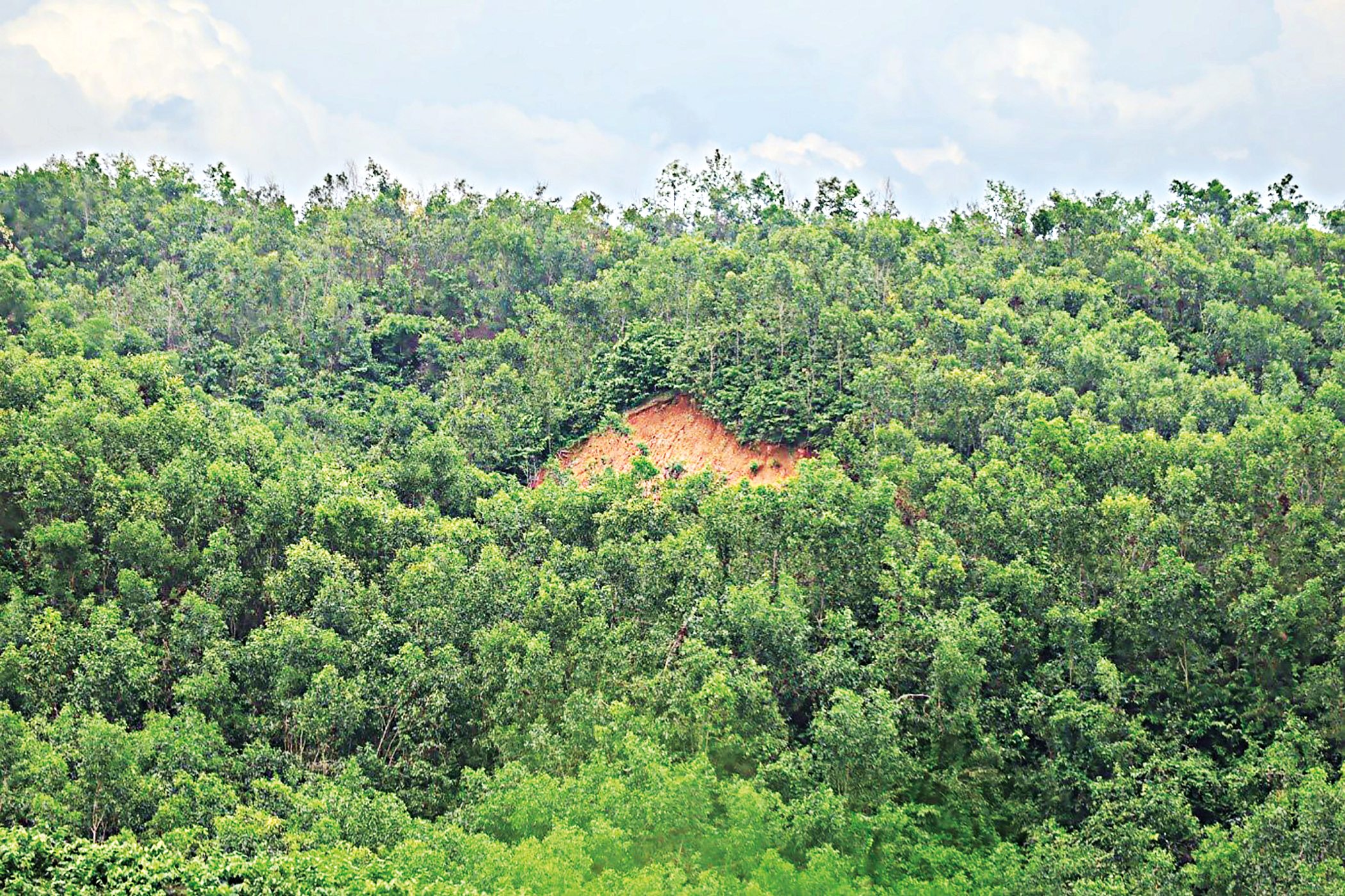
In Bangladesh’s tropical and subtropical forests, indigenous species such as Sal and diverse mixed-evergreen trees provide habitat and food resources for a wide range of wildlife. These forests also play critical roles in stabilising soils, regulating water systems, and maintaining microclimates that support biodiversity.
Planting native species in restoration programmes can therefore help to re-establish ecological processes that monoculture plantations often fail to replicate. While this approach may take longer to produce visible results than fast-growing exotic plantations, it contributes more effectively to long-term ecosystem recovery.
A balanced way forward
A balanced approach may offer the most practical path forward. Fast-growing plantation species could still play a role in designated production forests or community forestry areas, where timber supply and fuelwood production are primary objectives. Such plantations may help reduce pressure on remaining natural forests.
However, in degraded natural forests, wildlife sanctuaries, and biodiversity-rich landscapes, restoration strategies based on indigenous species and ecological principles are likely to produce more sustainable outcomes.
The larger issue, however, goes beyond the choice between exotic and native species. Bangladesh’s forest future ultimately depends on strengthening governance systems, improving monitoring and enforcement, preventing illegal land occupation, and adopting science-based restoration strategies.
Dr Reza Khan is a wildlife biologist and conservationist with over four decades of experience in wildlife research, zoo management, and biodiversity conservation in Bangladesh and the United Arab Emirates.
Send your articles for Slow Reads to slowreads@thedailystar.net. Check out our submission guidelines for details.
Gibbons, kingfishers and the changing world of Adampur Reserved Forest

More than refugees: How Rohingya youth are reclaiming their story
Behind every cup / The mental toll on women tea workers

From Shyamnagar to Kurigram: Women work, but where is the income?
Waiting for April: The other side of migration in the Sundarbans

Where have Bangladesh’s hilsa gone?

Lead poisoning in Bangladesh: A crisis ignored for too long

Who recycles Bangladesh’s garment waste?
Bangladesh running out of options on Rohingya crisis: Is there a way out?