


‘Praise comes with criticism’

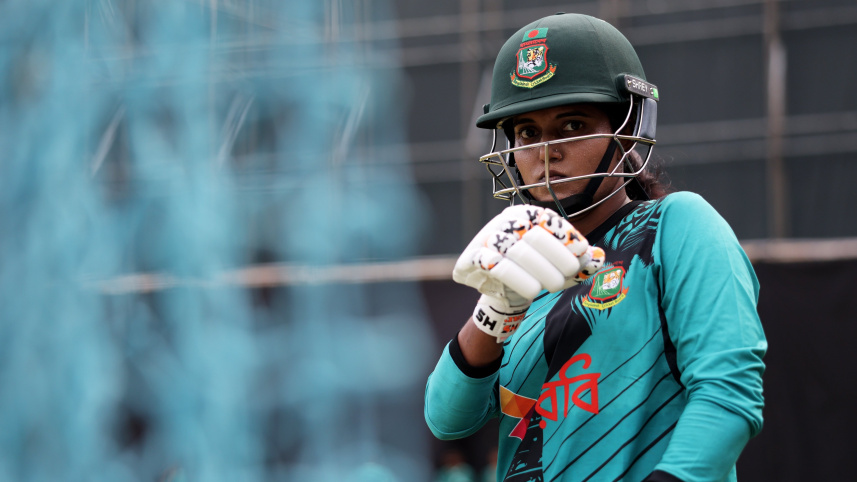
For many years, Bangladesh’s international success depended heavily on the performances of Nigar Sultana Joty. However, that trend changed with the emergence of several match-winners recently. As a result, Joty’s performances sometimes appear ordinary in comparison, and she has often found herself at the receiving end of criticism for not meeting expectations. As Bangladesh head towards their seventh ICC Women’s T20 World Cup, the 28-year-old wicketkeeper-batter shared her plans, expectations, and thoughts on criticism with The Daily Star’s Samsul Arefin Khan during an interview, the excerpts of which are as follows:
The Daily Star (DS): How does it feel to stay abroad during Eid?

Nigar Sultana Joty (NSJ): I’ve stayed away from home for Eid before because of travel just after the Eid day, but this is the first time we are outside the country. It definitely feels bad. People might say cricketers get paid, but the sacrifice of being away from family on Eid cannot be measured by money. We are willing to make this sacrifice for the country to bring home success.
DS: Your families also sacrifice a lot during Eid. What is their impression?
NSJ: Initially, they were very hurt when we weren’t home for the holidays. Now they have accepted it as a duty to the country. While they feel bad, they ultimately feel good knowing their children are playing for the nation.
DS: Bangladesh hardly have experience of playing in England and this is the first time the Tigresses are playing in England for a T20 World Cup. Overall, how are you viewing this tournament?
NSJ: Firstly, we don’t have much experience playing there, though some players have experience playing in Scotland. We will play a tri-nation series there, which will help us adapt to the wickets and conditions. This series will help the team get into shape.
DS: Your first World Cup opponent is the Netherlands. How crucial is that first match?
NSJ: The opening match is always very important because a positive start helps boost the entire team. We have beaten them in qualifiers and played well against them in practice matches before. We will have plans to dominate like we did before.
DS: You had a home series against Sri Lanka and will now play in these conditions. How satisfied are you with the preparation?
NSJ: For the very first time before an ICC event, we are getting an international series for preparation, which is what we always wanted. The BCB provided this, so we can’t say we didn't have good preparation. We’ve played practice matches here too. The team is looking to be in good shape. It depends on how we play on the particular day, but I believe we have the potential to win two to three matches in the World Cup.
DS: Historically, the Tigresses struggle to chase scores above 150. Also, there have been collapses after good starts. How concerning are these?
NSJ: In the qualifiers, we mostly batted first and scored well, so we didn’t get enough practice chasing. Chasing is a weakness we are aware of. In the series against Sri Lanka [last month] in Sylhet, there were overcast conditions, and we wanted to see how our pacers performed since we are usually a spin-dependent team. Definitely we wanted to win the matches but we wanted to win overcoming our vulnerability while chasing. We have been starting well but losing many wickets between 11 to 17 overs and also scoring less runs. We are practicing to minimise wicket losses in the middle overs and improve strike rotation and boundary options.
DS: Previously, there was a lot of dependency on you, but in the last few series, others like Sobhana Mostary and Sharmin Akhter Supta performed consistently. Does this give you more breathing space?
NSJ: It feels good when surrounding players perform; it creates a flexible environment for me. We backed these players even when they failed initially, and now they are doing well for the team.
DS: Bangladesh’s pace bowling pipeline isn’t very strong. The World Cup squad have only two. Is this an added responsibility for them?
NSJ: We have to understand the number of quality pacers we have. Marufa [Akter] and [Fariha] Trisna are being kept continuously with the team. Sometimes we can’t play both, but they are contributing well. We have a lot of trust in them, and our spinners also have the capacity to bowl well on good wickets.
DS: Bangladesh have played since 2014 but could only manage three wins out of six T20 World Cups. Can this team go past these stats this time?
NSJ: The team has learned how to win and perform under pressure. You can see drastic changes in individual players and their hunger to win. Our journey starts with the tri-nation series. Since ICC tracks are usually batting-friendly, if we can score well and our bowling unit performs, our winning chances will increase.
 For all latest news, follow The Daily Star's Google News channel.
 DS: It was mentioned that you and some others are playing with injuries. Is this something you have to just play through?
NSJ: Every player has some small niggles that they manage. If an injury is serious enough to require surgery or months of rest, we wouldn’t be playing. I have some niggles, but they are manageable. I took a break after the ODI World Cup to recover. We deal with these things but don’t let it show on the field.
DS: Because expectations are high, you face a lot of criticism if you don't perform or if the team loses. Is the pressure too high?
NSJ: If I have the habit of hearing praise when I do well, I must have the habit of hearing criticism too. People criticise those they expect things from. I know my capability and what I can contribute. I think It’s a matter of time before I’m back in form, and I am focused on the upcoming World Cup.
Comments