


Spanish symphony silences French heavy metal
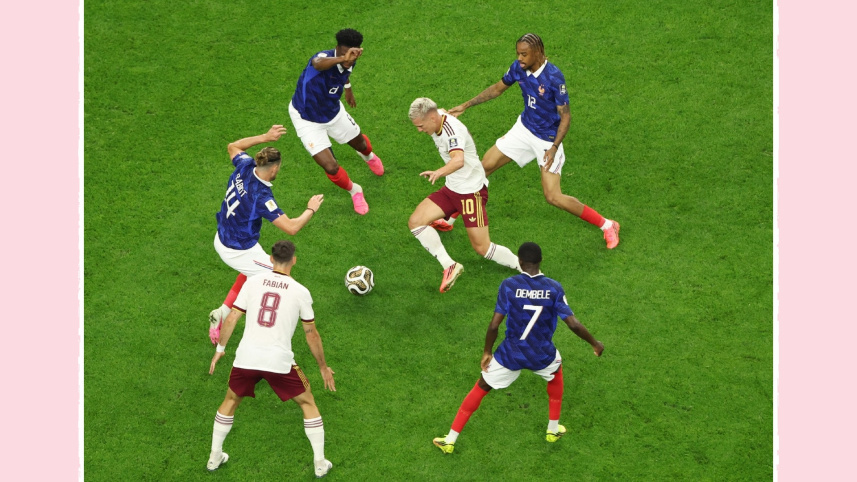
In the theatre of international football, some matches are physical slugfests, while others are tactical battles played at the highest level.
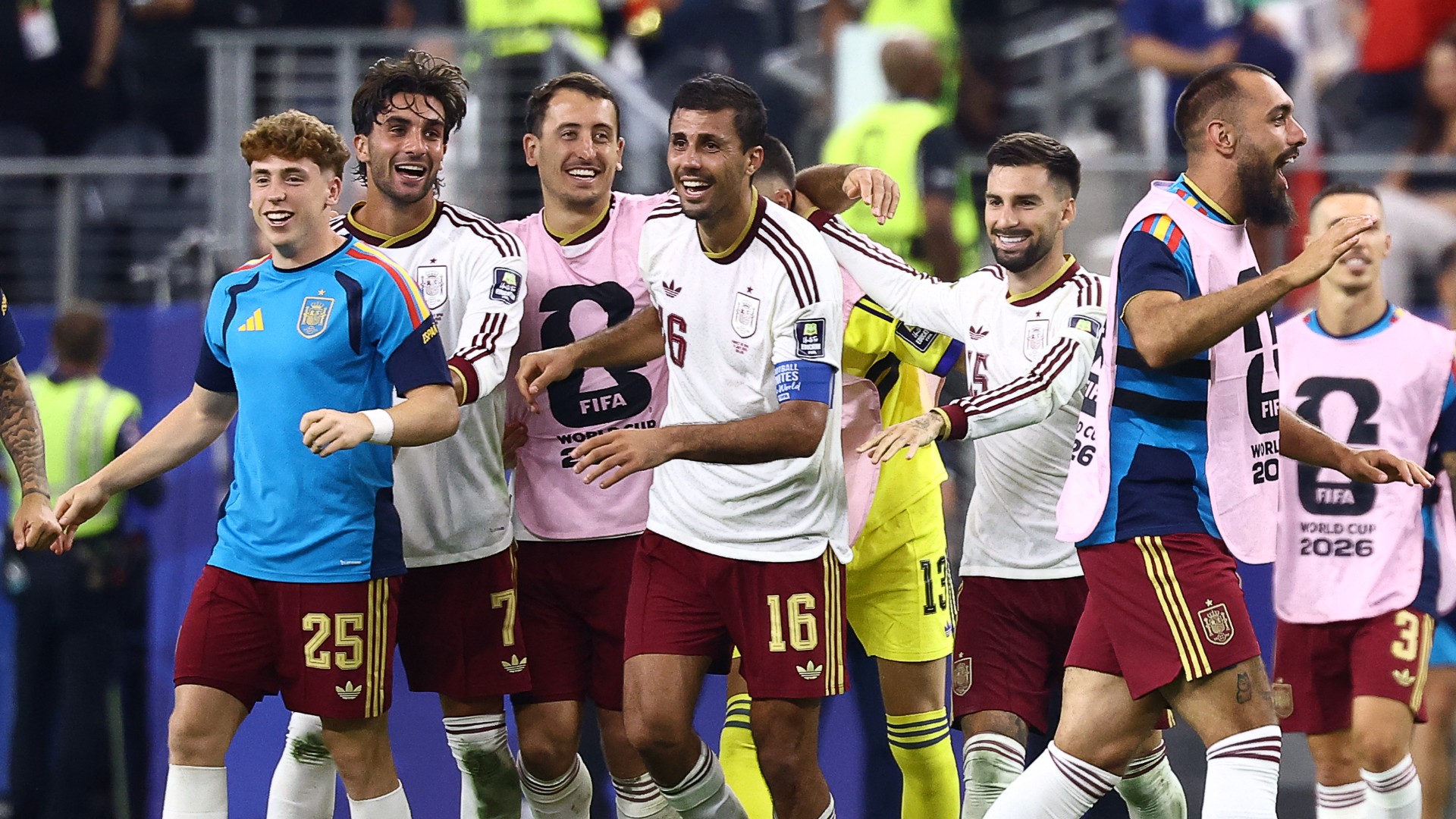
The opening semifinal of the 2026 World Cup in Arlington was a thinking man's masterclass, where Spain completely ran circles around France in a convincing 2-0 victory on Wednesday (Bangladesh time).

By the time the referee blew the final whistle, Les Bleus were left utterly numbed, unable to find their rhythm. It was a classic clash of philosophies – possession versus counterattack – playing out like a grand debate over whether the elegance of classical music is superior to the raw energy of heavy metal.
To appreciate this tactical symphony, one has to cast their mind back 16 years.
In 2010, a formidable German side arrived in the semifinals on the back of scoring sprees against England (4–1) and Argentina (4–0). That Germany team featured Manuel Neuer between the sticks, the ever-efficient right-back Philipp Lahm, and a midfield engine of Sami Khedira, Bastian Schweinsteiger, and Mesut Ozil, with premier poacher Miroslav Klose up front and an unheralded Toni Kroos waiting in the wings on the bench.
Yet, Spain met them with an eleven forged in Barcelona, supported by three Real Madrid players and Joan Capdevila of Villarreal. The midfield quartet of Andres Iniesta, Sergio Busquets, Xavi Hernandez, and Xabi Alonso spun their German counterparts into a dizzying carousel.
The 1-0 scoreline that night was a massive understatement, showing the supreme power of a core of players sharing a singular, telepathic playing style. Back then, the so-called "tiki-taka" was the hottest trend that every other team -- club or country -- wished to integrate into their system.
While Spain lacked some of the fluid magic those Barcelona players enjoyed when linking up with Lionel Messi, their authority on the global stage was a supreme advertisement of their philosophy. Xavi and Alonso eventually transitioned into high-profile managers, and it is easy to predict that Rodri will one day follow suit.
Today, Spain executed their game plan with a grandmaster’s clarity.
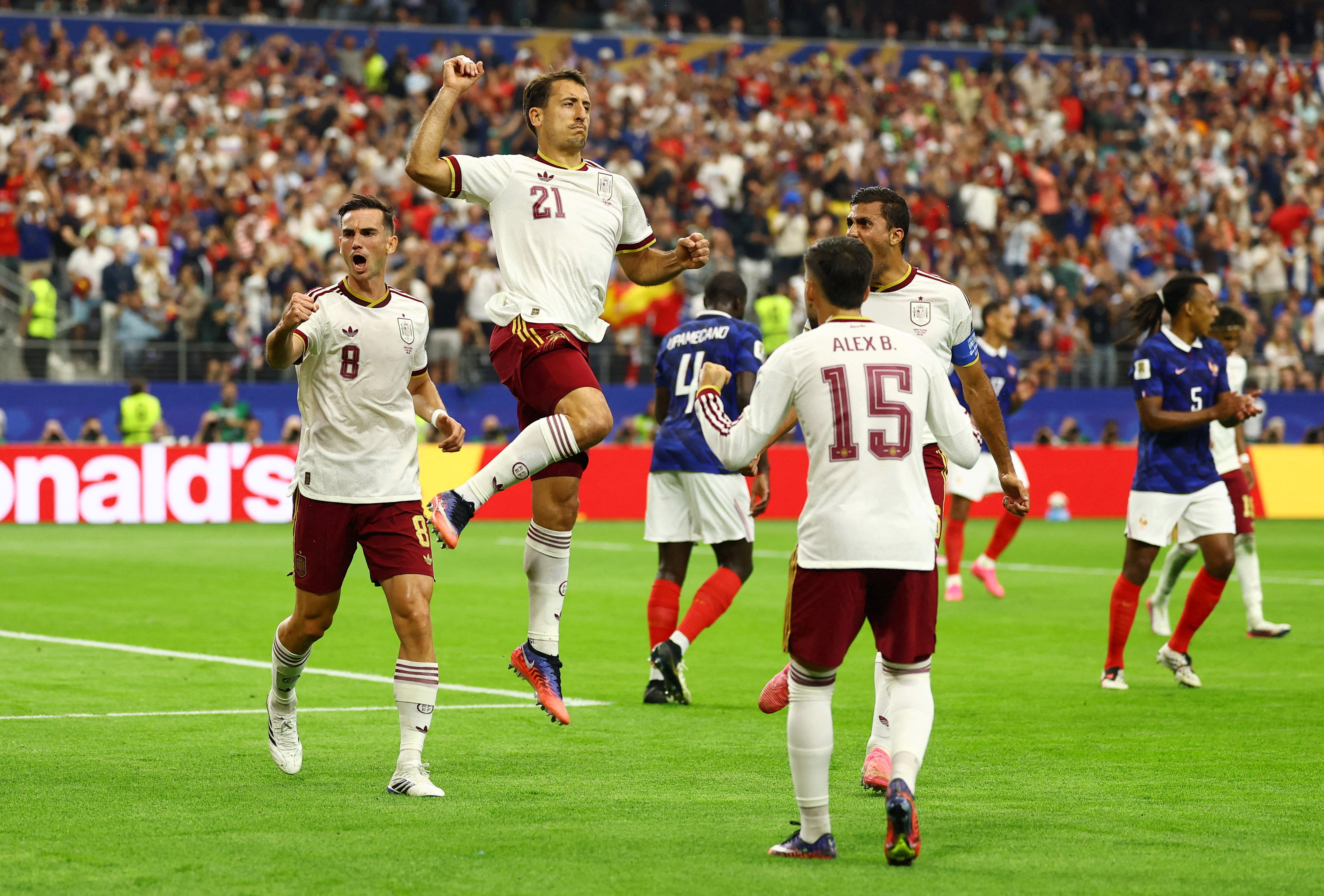
In chess, playing as White gives you a slight head start. While beginners make too many blunders for that advantage to matter, at the grandmaster level, where errors are virtually non-existent, that opening edge is priceless.
In hindsight, Spain got the White pieces at the Dallas Stadium, playing with courage and conviction from the opening to the endgame. While France pinned their hopes on the individual power of their queen and bishops out wide, Spain’s tight pawn structure and clever knights called the shots in the centre. France were left chasing shadows.
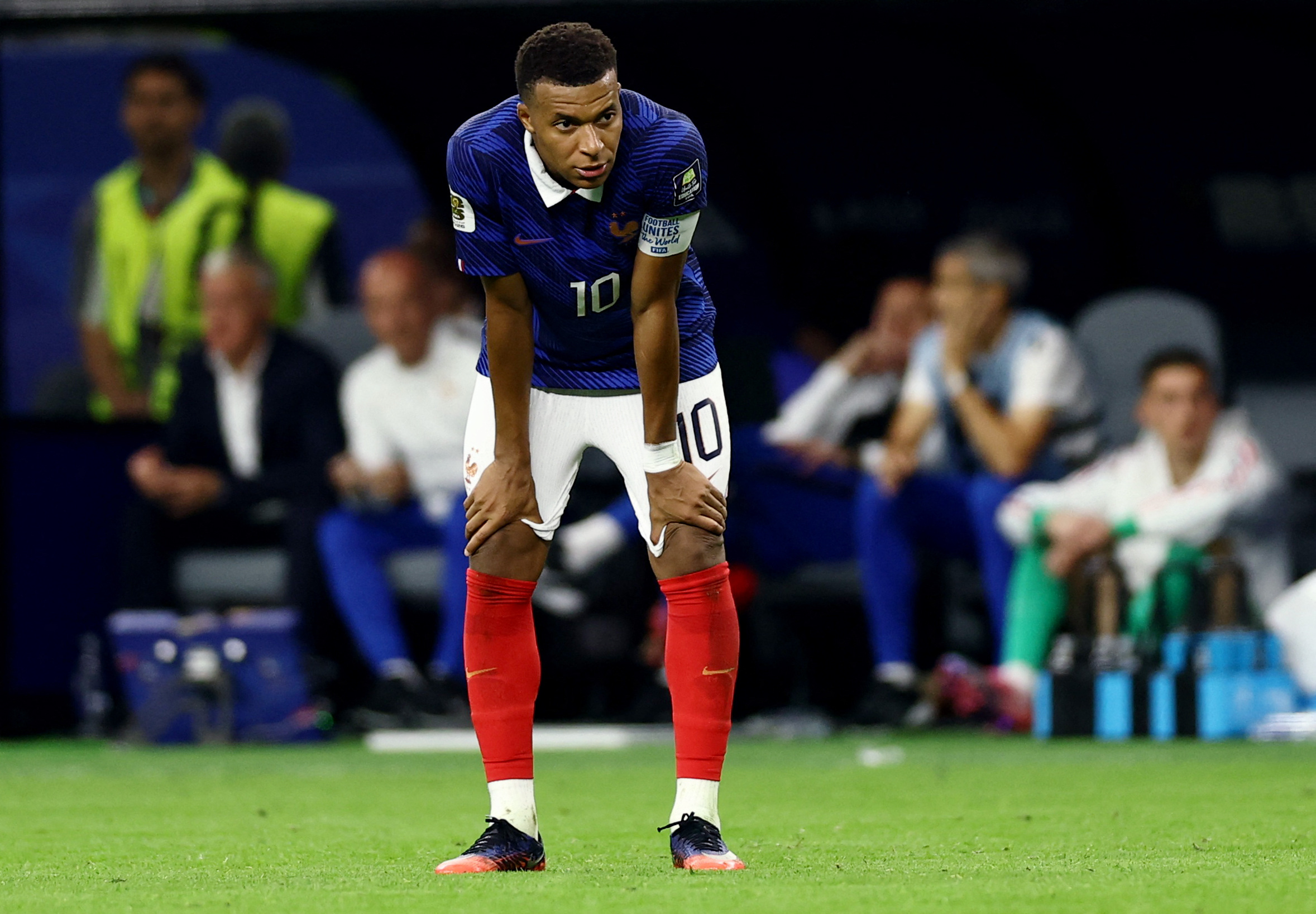
But in high-stakes matches with two supremely talented sides, the midfield battles are where the outcomes are typically decided.
In the heart of the pitch, Rodri had Fabian Ruiz and Dani Olmo in his immediate vicinity at almost all times. This compact shield rendered the French midfield duo of Adrien Rabiot and Aurelien Tchouameni entirely useless, despite the duo being aided by the wandering Michael Olise, reduced to a lost entity.
Before the game, midfield general Rodri, the former Ballon d’Or winner who reads the pitch like a book, warned that Spain would have to dictate the tempo. He told the Guardian, "We’ll have to take the game to where we want it," and they did exactly that, putting the shackles on France's explosive attack.
Although the golden generation popularised that short-passing style, Rodri’s former club coach at Manchester City, Pep Guardiola, had famously despised the term tiki-taka, calling it pointless passing for the sake of it. Spain's modern blueprint, however, was anything but aimless.
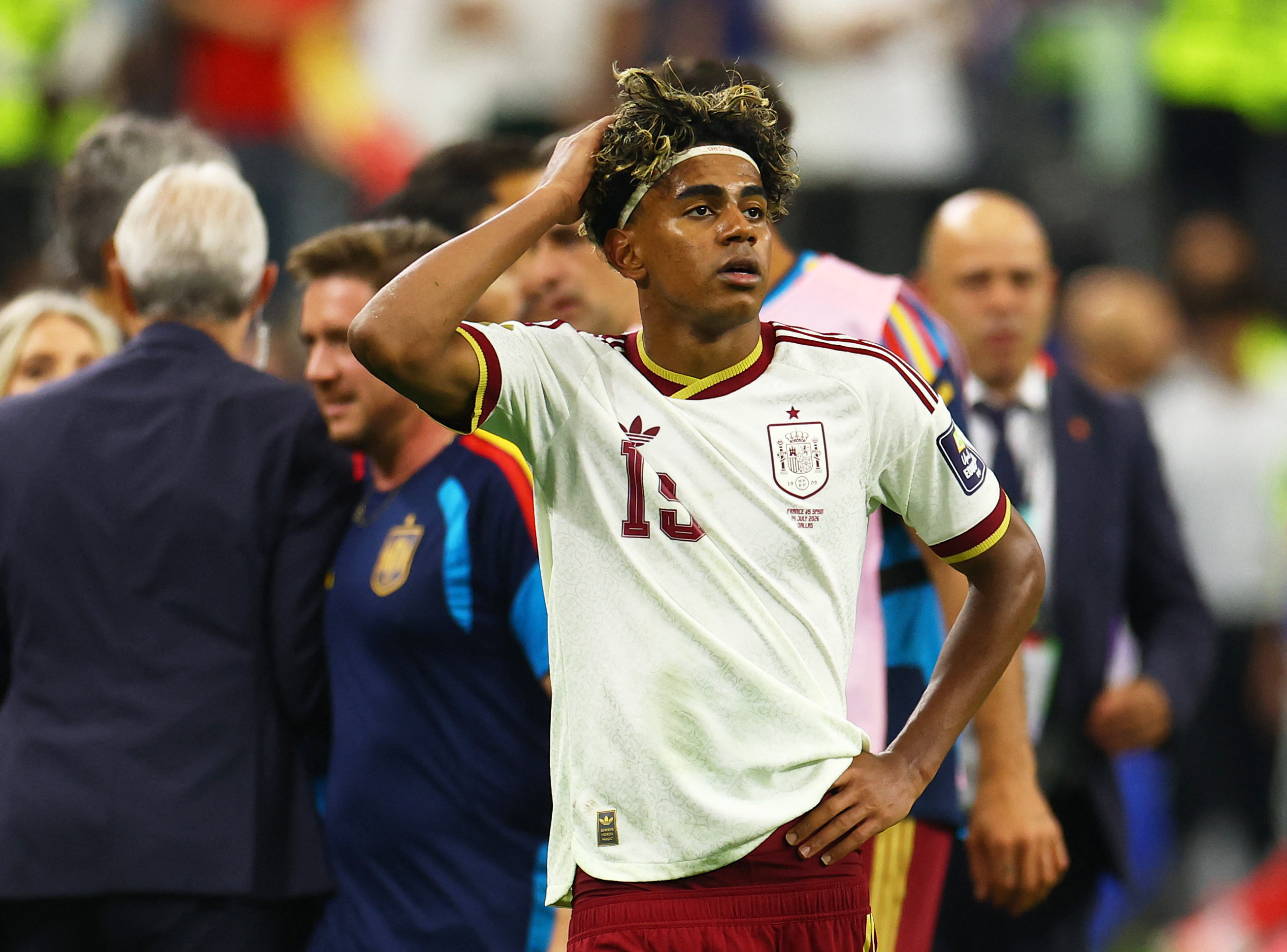
To be fair, all of the Spanish players, even the ones who came off the bench, played as per brief both on and off the ball. This collective discipline was typified by goalkeeper Unai Simon venturing far beyond his box to intercept a deadly counter-attack.
 For all latest news, follow The Daily Star's Google News channel.
 Together, they combined elegance with incredible physical grit, winning the lion's share of the battles on the ground. They completely dominated the air, leaving France with their lowest duel success rate since 1978 and their poorest aerial display in forty years.
France were so thoroughly neutralised they could not even muster a single shot on target until the clock had ticked past the 80-minute mark.
After the game, Spain boss Luis de la Fuente was on cloud nine, declaring that his squad had "recaptured the spirit of 2010."
He praised the humility of his players, describing them as "ordinary, generous people" who put the collective good ahead of personal egos.
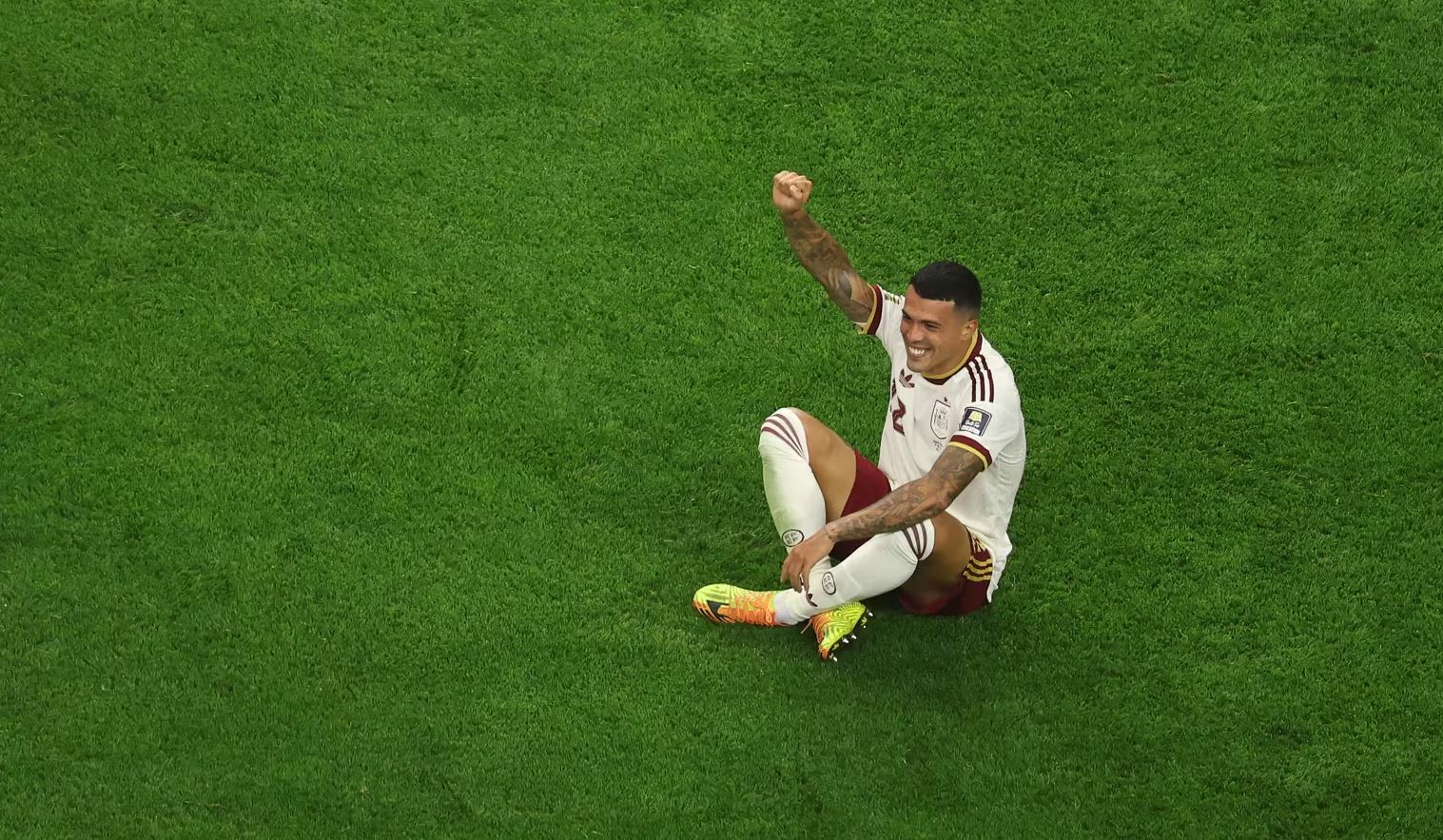
Having now matched Italy's historic 37-game unbeaten streak, Spain stand on the precipice of glory.
A second star has never been so within touching distance for La Furia Roja.
Comments