


The debutants’ hall of fame: When first-timers showed what they’re made of

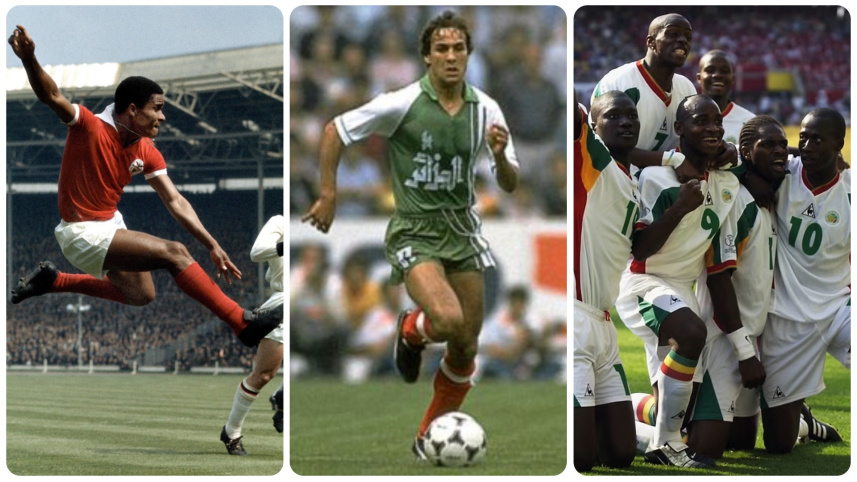
Stepping onto the stage of the FIFA World Cup is a lifelong dream; to arrive for the first time and leave the world astonished is nothing short of heroic.
In the early years of the tournament, Uruguay (1930) and Italy (1934) set an invincible benchmark by winning the title in their debut appearances. In the modern era, however, the World Cup has become increasingly competitive, and for newcomers, the journey often feels like a trial by fire amid a sea of favourites.

Yet some teams have defied the odds, making their mark spectacularly on their very first appearance at football’s grandest stage.
These stories are not merely about wins and losses -- they reshaped the footballing map. From Portugal’s “Eusebio magic” to Croatia’s remarkable rise, each footprint has been a source of inspiration. When teams like Senegal, Costa Rica, Algeria, Saudi Arabia, Wales, Ghana, North Korea, and Nigeria stepped onto the world stage for the first time, they needed little time to shatter the arrogance of established powers.
This feature revisits those fearless debutants who stunned the football world with their brilliance.
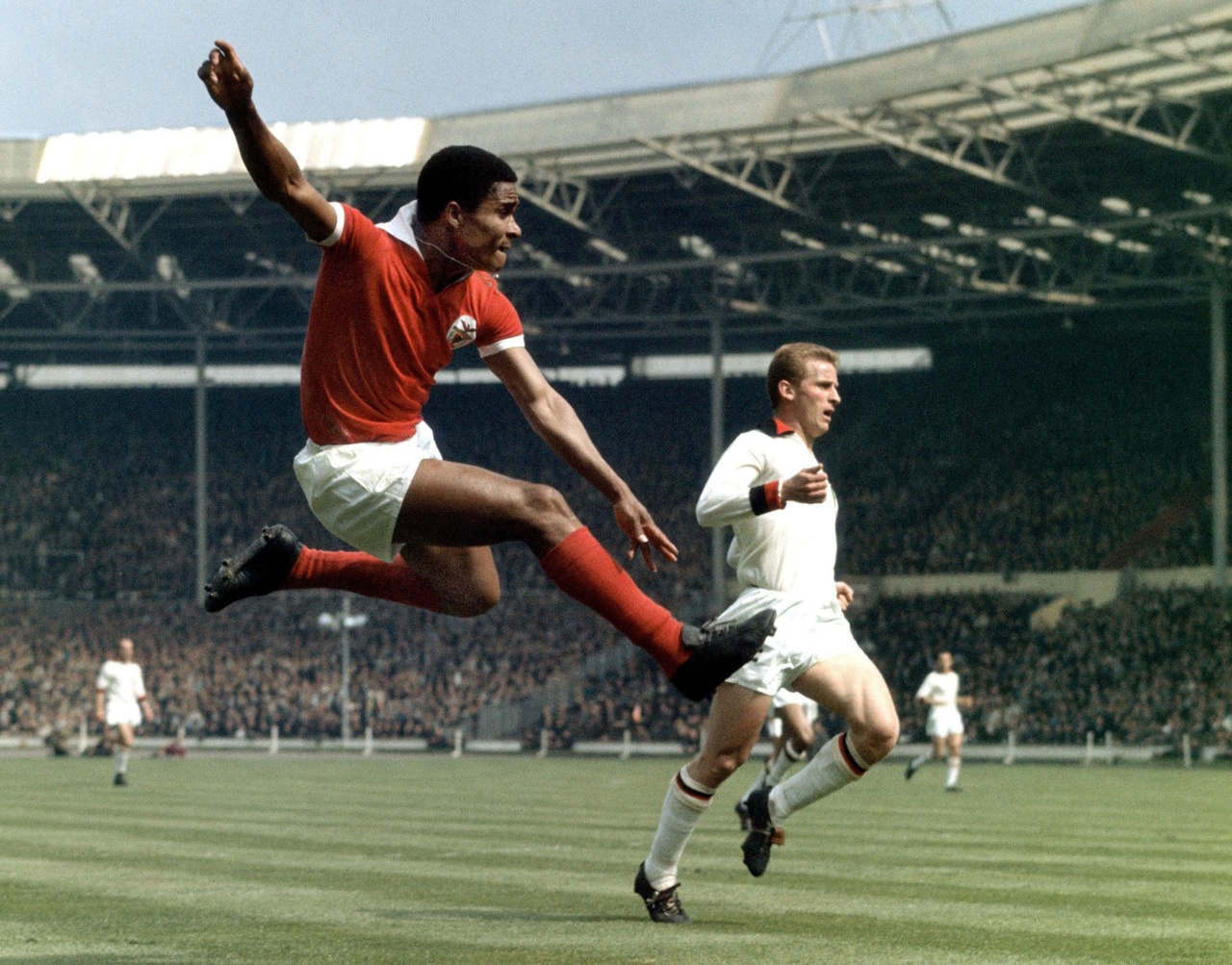
1966: Portugal
Portugal’s debut campaign in 1966 remains one of the finest in World Cup history. Led by the legendary Eusebio, known as the “Black Panther”, the Portuguese dominated the tournament. Their 3–1 victory over reigning champions Brazil in the group stage -- sending Pelé crashing out -- was a major upset. Their quarter-final against North Korea has since become folklore. Trailing 3–0, Eusebio single-handedly scored four goals as Portugal secured a remarkable 5–3 comeback win. Although they narrowly lost to hosts England in the semi-finals, they went on to defeat the Soviet Union and claim third place. Eusébio finished as the tournament’s top scorer with nine goals.
1998: Croatia
Following the breakup of Yugoslavia, Croatia made their World Cup debut in 1998 as a newly independent nation. Under Miroslav Blazevic, their “golden generation” blended technical excellence with fierce patriotism. After progressing from the group stage, they stunned Germany 3–0 in the quarter-finals. Though they led in the semi-finals, they eventually lost to hosts France. Croatia then defeated the Netherlands 2–1 to secure a historic third-place finish. Davor Suker won the Golden Boot with six goals, announcing Croatia’s arrival among football’s elite.
1966: North Korea
North Korea delivered one of the greatest shocks of the 1966 World Cup. Entering as a mysterious and largely unknown side, they were dismissed after a heavy opening defeat to the Soviet Union. But they stunned the world by defeating mighty Italy 1–0, thanks to Pak Doo-ik’s iconic goal. The result saw Italy exit in embarrassment, while North Korea became the first Asian nation to reach the knockout stage. They even led Portugal 3–0 within 25 minutes in the quarter-finals, hinting at a miracle -- before Eusebio’s brilliance ended their fairytale run.
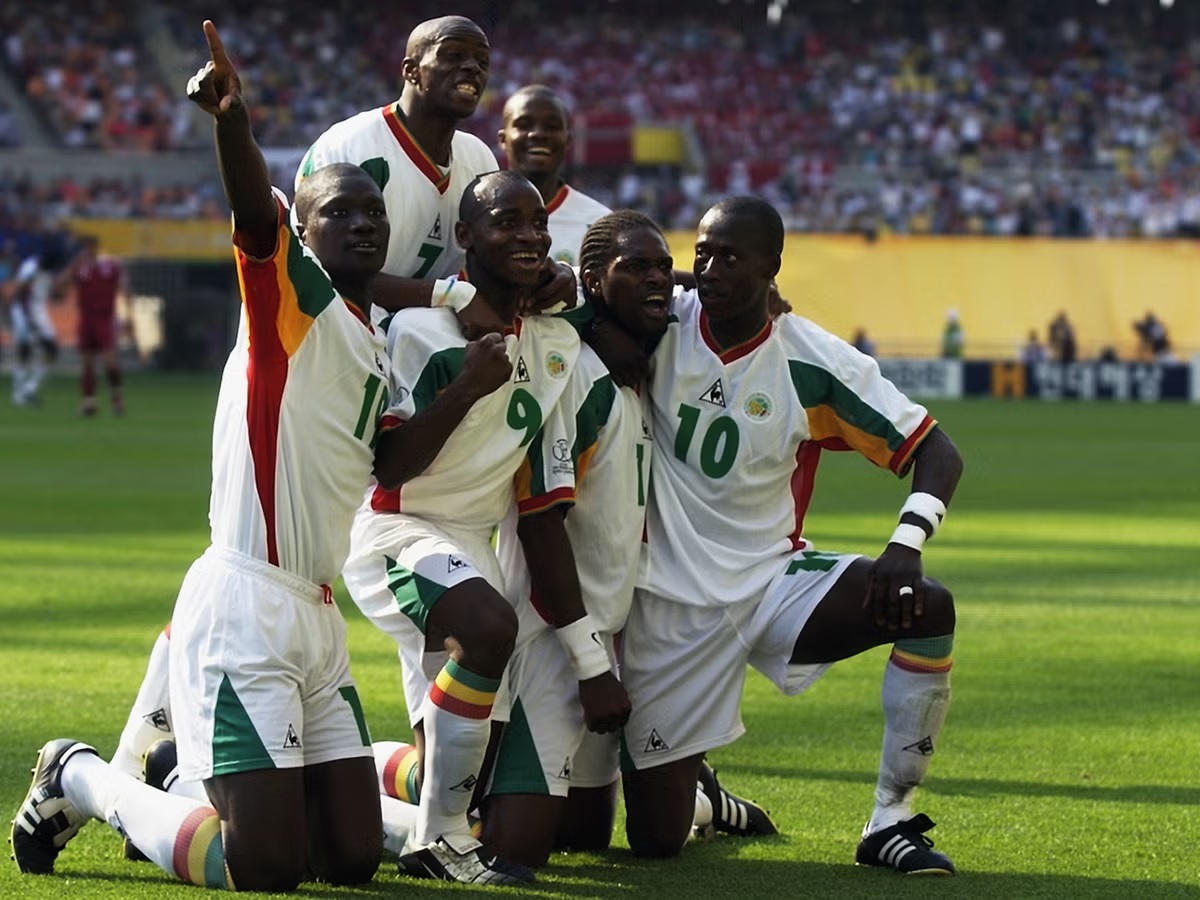
2002: Senegal
Senegal announced themselves in spectacular fashion at the 2002 World Cup, defeating reigning champions France 1–0 in the opening match. Under coach Bruno Metsu, the “Lions of Teranga” played fearless and joyful football that captivated fans worldwide. After navigating a tough group, they beat Sweden in the Round of 16 with a golden goal from Henri Camara. Their journey ended in the quarter-finals against Turkey, but they became only the second African team after Cameroon (1990) to reach the last eight.
1990: Costa Rica
Costa Rica arrived at the 1990 World Cup as rank outsiders but turned expectations upside down under the eccentric Bora Milutinović. Drawn in a group with Brazil, Scotland, and Sweden, they were widely expected to exit early. Instead, they defeated Scotland 1–0 and came from behind to beat Sweden 2–1, securing a place in the knockout stage. Goalkeeper Luis Gabelo Conejo became a national hero with his acrobatic saves. Although they lost to Czechoslovakia in the second round, Costa Rica’s discipline and success placed Central American football firmly on the global map.
1994: Nigeria
 For all latest news, follow The Daily Star's Google News channel.
 Nigeria dazzled at the 1994 World Cup with a squad featuring Finidi George, Rashidi Yekini, and Daniel Amokachi. They announced their arrival with a commanding 3–0 win over Bulgaria. Yekini’s wild celebration inside the net after scoring remains one of the most iconic images in World Cup history. Despite sharing a group with Argentina and Bulgaria, the “Super Eagles” topped the group. Their fast-paced, attacking football thrilled audiences, and they came agonisingly close to the quarter-finals—leading Italy until the 88th minute in the Round of 16 before Roberto Baggio’s brilliance turned the match around.
1994: Saudi Arabia
Saudi Arabia’s debut in 1994 is immortalised by one of the greatest individual goals in World Cup history. Against Belgium, Saeed Al-Owairan produced a Maradona-esque run from his own half to score a stunning goal that secured their place in the Round of 16. They also defeated Morocco and finished ahead of Belgium in the group. Their journey ended with a 3–1 defeat to Sweden in the knockout stage, but they became only the second Arab nation after Morocco (1986) to progress beyond the group phase.
2006: Ghana
Ghana were the only African side to progress from the group stage at the 2006 World Cup. After losing their opening match to eventual champions Italy, they bounced back impressively, defeating the Czech Republic 2–0 and the United States 2–1. Midfielders Michael Essien and Stephen Appiah were instrumental in their energetic performances. Though they lost to Brazil in the Round of 16, this campaign laid the foundation for their memorable quarter-final run four years later.
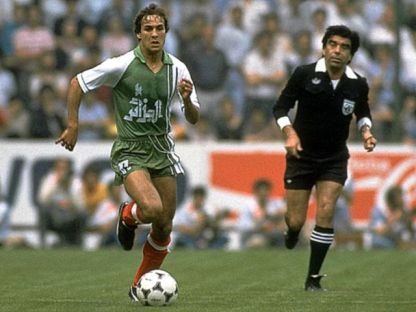
1982: Algeria
Algeria’s debut in 1982 is remembered both for brilliance and injustice. They stunned reigning European champions West Germany with a 2–1 victory, with goals from Rabah Madjer and Lakhdar Belloumi. Despite losing to Austria, they defeated Chile 3–2 and stood on the brink of the second round. However, a notorious match between West Germany and Austria -- engineered to produce a mutually beneficial result -- eliminated Algeria. West Germany’s 1–0 win became infamous as the “Disgrace of Gijon”. The scandal forced FIFA to change its rules, ensuring that final group matches are played simultaneously in subsequent tournaments.
Comments