


The night England denied football a classic


Some defeats are remembered for the pain they leave behind. Others for the greatness they never allowed to happen.
For 55 minutes in Atlanta, England and Argentina looked set to deliver a World Cup semifinal worthy of its billing. Anthony Gordon's superb finish, created by Morgan Rogers' incisive pass, put England ahead with more than 35 minutes of normal time still to play. Lionel Messi had been contained, Argentina were suddenly chasing the game, and the grudge contest had all the ingredients to become one of those nights that live long in football's memory.

It never did. Not because Argentina were irresistible, but because England stopped believing in the football that had put them there.
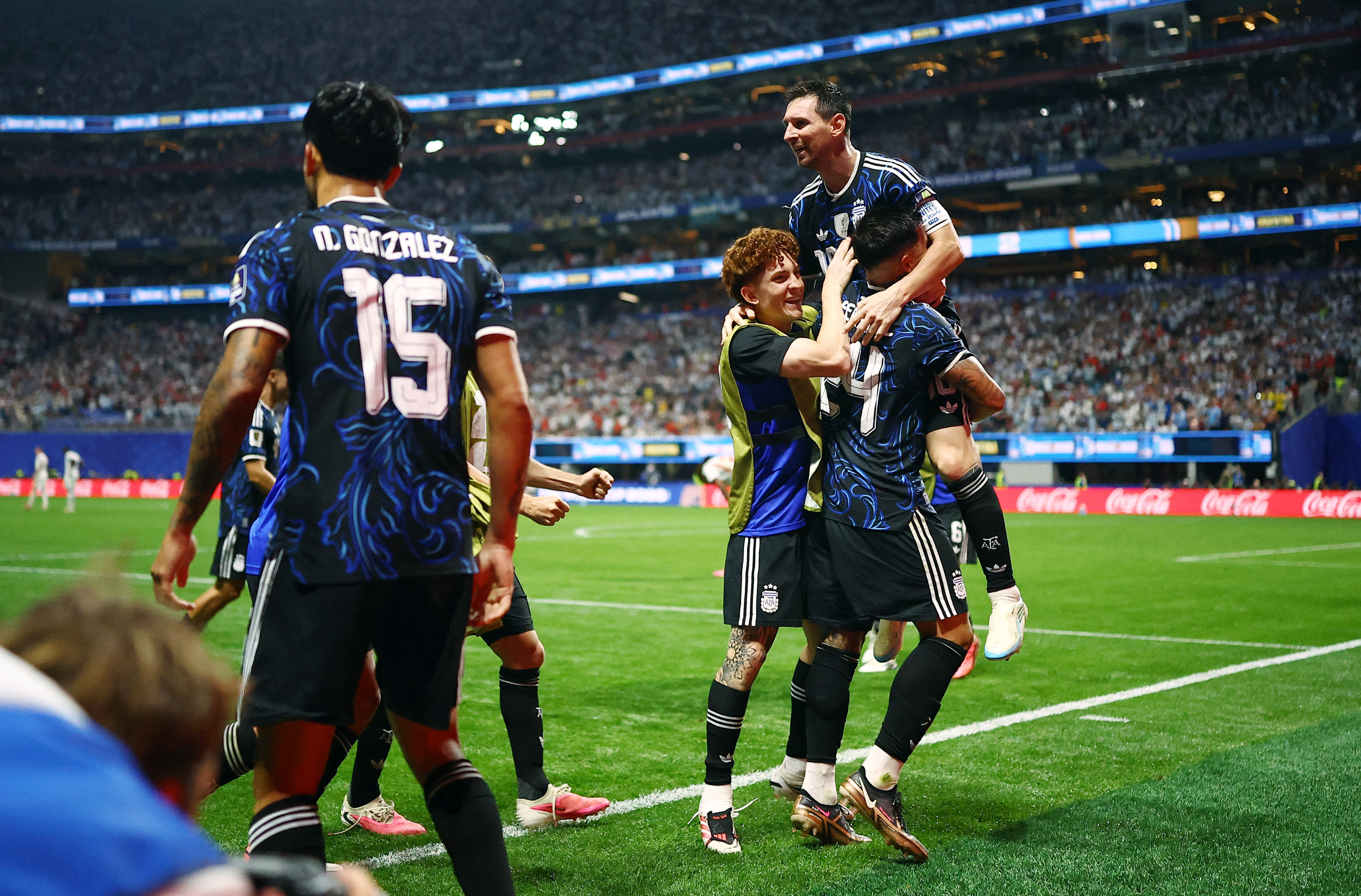
Rather than building on their advantage, England spent the final half-hour trying to protect it. They surrendered territory, abandoned the counter-attacking threat that had unsettled Argentina and gradually allowed the match to drift towards their own penalty area. By the time they realised the danger, the momentum had gone.
And by doing so, they deprived themselves, and to an extent, everyone watching, of the heavyweight contest this occasion deserved.
The irony is difficult to ignore. England hired Thomas Tuchel because they believed he could win the biggest tactical battles. When the biggest tactical battle of all arrived, he abandoned the very strategy that had put England in control.
Once the breakthrough arrived, the game unfolded exactly as England would have imagined before kick-off: Argentina had to attack, leaving gaps behind for England's pace to exploit.
Instead, the German coach changed the picture. The attacking ambition disappeared, England dropped ever deeper and, for the final 25 minutes, Tuchel effectively deployed six defenders to protect a one-goal lead.
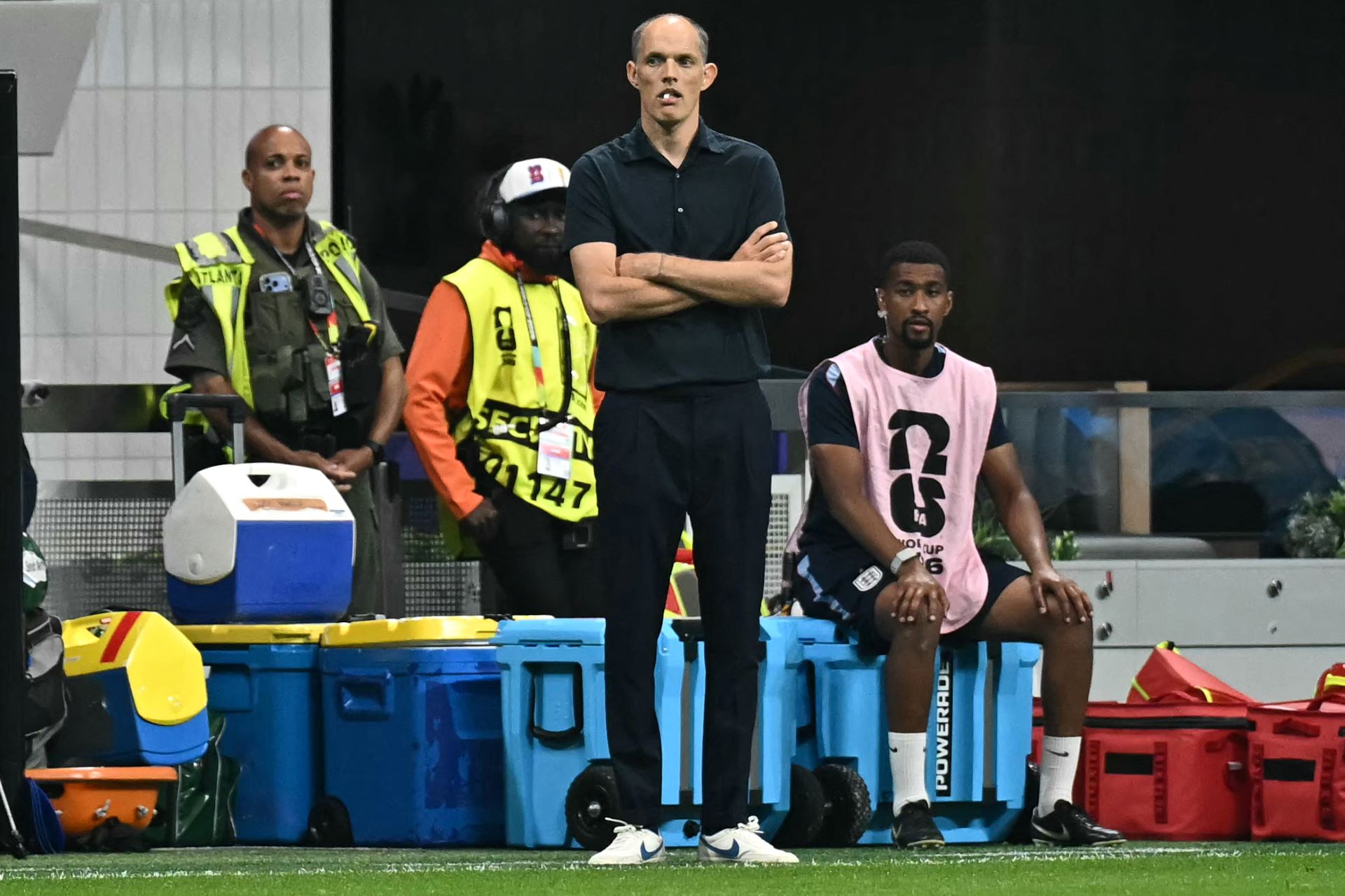
Bukayo Saka stayed on the bench. Marcus Rashford came on at the last minute. Noni Madueke never arrived. England's greatest strength throughout the tournament, their pace and directness in transition, was suddenly abandoned in favour of preserving a fragile 1-0 advantage.
Against Messi’s Argentina, that was a dangerous gamble. And it proved fatal.
Yet this was never solely Tuchel's failure. England's own players described exactly what unfolded.
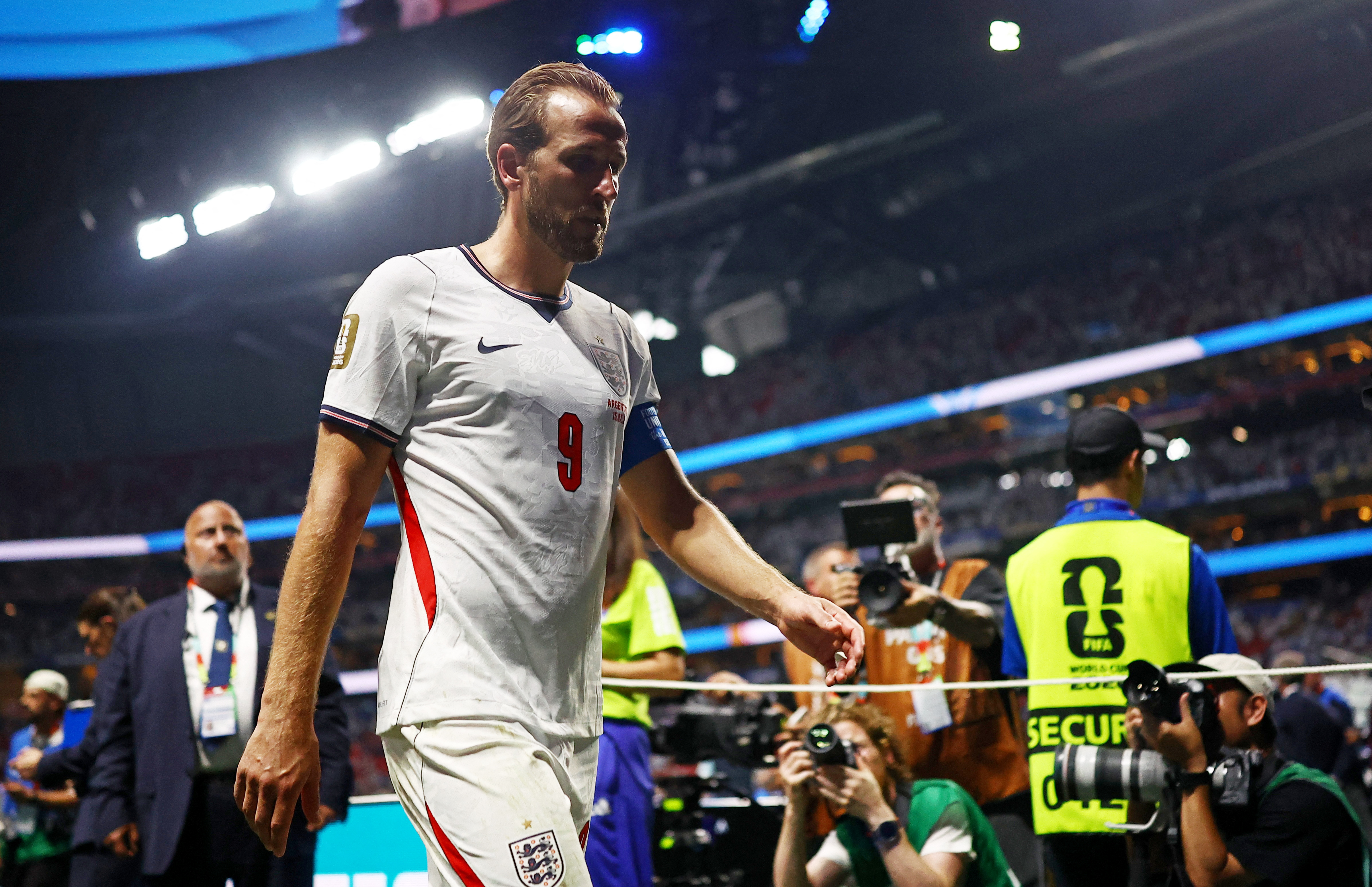
"Once we went 1-0 up we seemed to just try and hold on, which at this level is just not enough," captain Harry Kane admitted afterwards.
"We should have carried on pushing," said Marc Guehi, before adding: "It kind of felt like we scored and then the mentality was go back, defend."
Dan Burn echoed the same sentiment.
"I thought we nailed the game-plan up until we scored," he said. "We got a little bit passive after the goal, defended probably a little bit too deep, and the quality of chances that Argentina were creating felt like it was a matter of time."
The players retreated with the manager. Collectively, England accepted the invitation to defend rather than continue attacking. They stopped asking Argentina questions and concentrated instead on surviving the answers.
Football at the highest level rarely rewards that mentality for long.
 For all latest news, follow The Daily Star's Google News channel.
 By the hour mark, Messi had begun drifting into the spaces England had previously denied him. Enzo Fernandez dictated the rhythm from midfield. Jordan Pickford became increasingly busy.
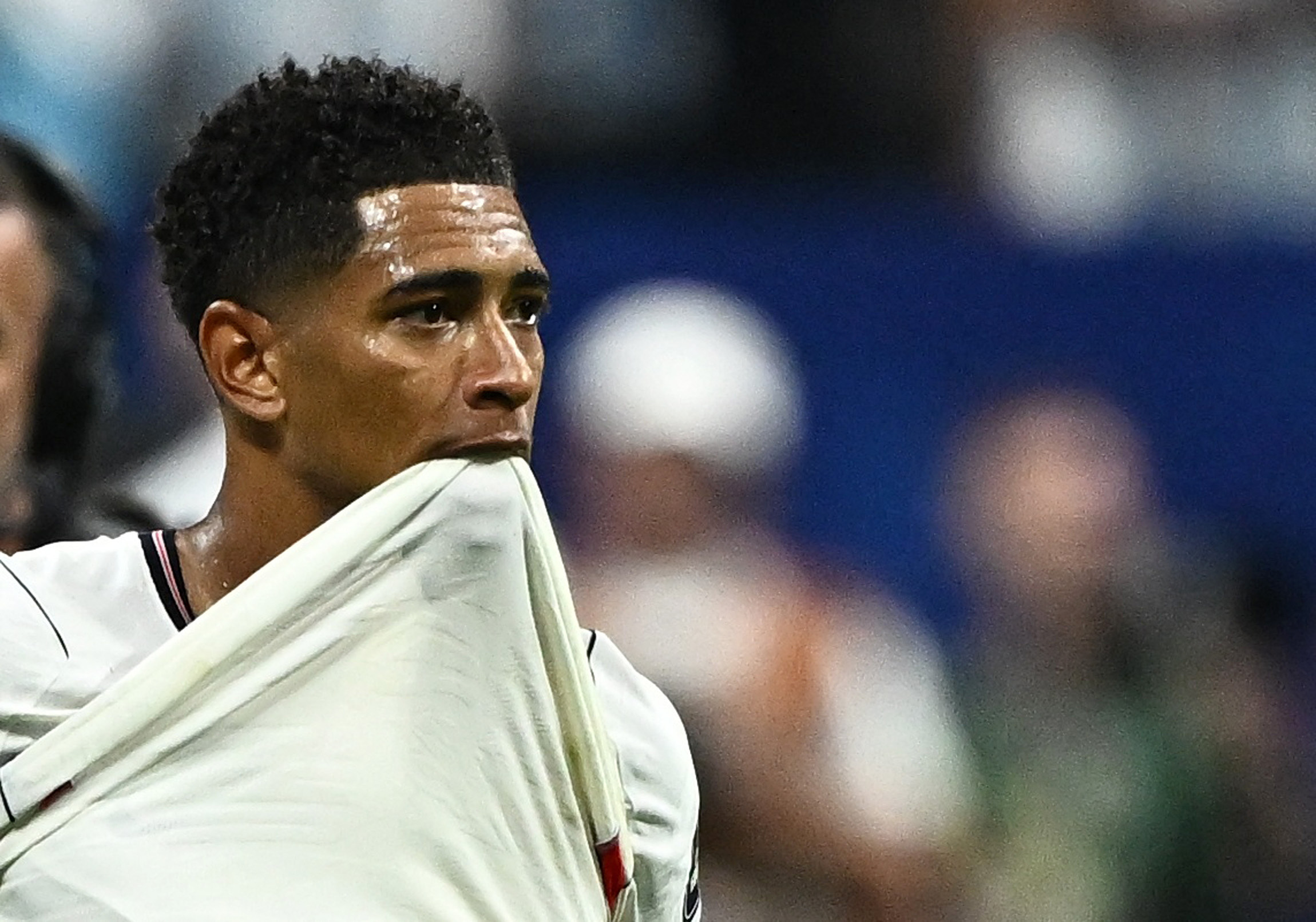
Argentina suddenly sensed "blood in the water". England, meanwhile, looked like a team waiting for the final whistle rather than trying to score the goal that would have settled the contest.
What made the aftermath even more jarring was Tuchel's refusal to acknowledge any of it.
"If it doesn't end up well, it's easy to say that my decisions were wrong," he said. "I have zero regrets. We played one of our best matches, maybe the best."
Zero regrets?
Managers are paid to make impossible decisions in impossible moments. They will inevitably get some wrong. What they cannot afford is to insist nothing went wrong when the evidence says otherwise.
History has a cruel habit of finding England when the stakes are highest. They are now the only nation this century to score first in two World Cup semifinals and lose both, having also surrendered a lead against Croatia in 2018.
Different manager. Different generation. The same self-inflicted ending.
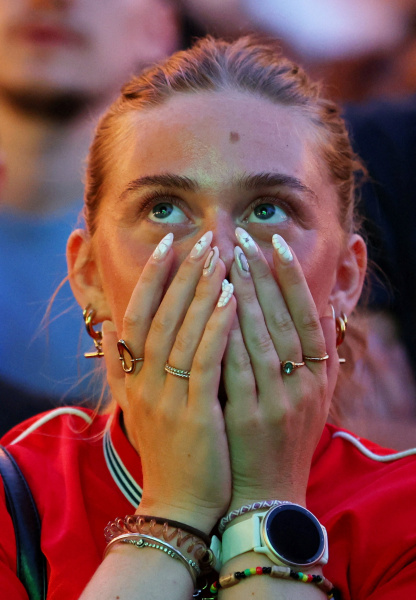
Gordon's goal should have thrown open the door to one of the great World Cup semi-finals. Instead, England quietly closed it themselves.
Sixty years after 1966, England no longer have an excuse to hide behind a lack of talent. This generation is gifted enough to beat anyone. The unanswered question is whether, when history finally presents the moment they have spent decades waiting for, they are brave enough to trust the football that got them there.
Until they do, the hurt will continue.
Comments