


Why mouth ulcers and neck lumps should never be ignored
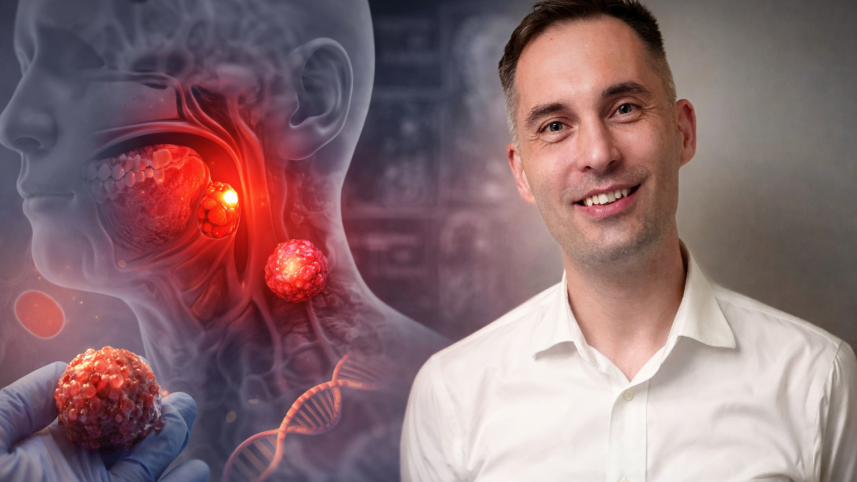
Bangladesh continues to face a disproportionately high burden of head and neck cancers, many of which are detected late. During two separate visits to Dhaka, Dr Szymon Mikulski, Consultant Head and Neck Surgeon at Singapore General Hospital, spoke at length about early warning signs, lifestyle risks, advances in treatment, and why timely diagnosis can make the difference between cure and lifelong disability.
Bangladesh’s burden of head and neck cancer
From his interactions with Bangladeshi patients and doctors, Dr Mikulski observes that head and neck cancers are far more common in Bangladesh than in Singapore. “The volume of cases—particularly advanced cancers—is significantly higher,” he notes. While this gives local surgeons vast clinical exposure, limited resources often mean that care is stretched thin compared to more resource-rich settings.
 For all latest news, follow The Daily Star's Google News channel.
 He believes Bangladesh has no shortage of dedicated clinicians. “What I see is an intense hunger for knowledge and subspecialty training. Surgery is an apprenticeship—it requires years of close mentorship and progressive responsibility.”
Why early detection saves lives
Cancers of the head and neck are staged according to how far they have spread. Early-stage cancers (Stages I and II) are often curable with a single treatment modality—either surgery or radiotherapy. Once disease advances, treatment becomes multimodal and outcomes are less favourable.
“One misconception I often hear is that avoiding surgery means the cancer is less serious,” Dr Mikulski explains. “In reality, it may mean the cancer has already passed the window where surgery could offer a cure.”
Warning signs that should prompt medical attention
Persistent symptoms are the key red flag. Any abnormality lasting more than two to three weeks warrants evaluation.
In the mouth, warning signs include:
- Persistent ulcers
- Bleeding spots
- Hard growths or masses
- Loosening or displacement of teeth
“For people who smoke or chew tobacco, cancers often develop in the groove between the cheek and gums,” he says. “Self-examination of the mouth can be lifesaving.”
In the neck, lumps may arise from lymph nodes, salivary glands, or the thyroid. While many are benign, persistence is crucial. “Benign swellings usually settle. Cancers do not,” he emphasises.
Thyroid and salivary gland lumps: when to worry
Most thyroid nodules and salivary gland tumours are benign. However, certain features raise concern:
Rapid growth over weeks or months
Voice changes or hoarseness
Facial weakness near the ear
Thyroid cancer appears to be increasing globally, largely because of improved detection through ultrasound screening. “Most thyroid nodules are harmless and may never need surgery,” Dr Mikulski explains. Treatment today is more conservative, with some low-risk cancers managed through active surveillance rather than immediate operation.

Lifestyle factors driving cancer risk
Tobacco—smoked or chewed—is the strongest risk factor for head and neck cancer. Alcohol further amplifies this risk, and together they increase cancer risk by up to 35 times. In South Asia, betel nut and smokeless tobacco contribute significantly to oral cancers.
“There is no safe form of tobacco,” Dr Mikulski stresses. “Reducing these habits is the single most effective preventive measure.”
Advances in treatment
Modern head and neck cancer care relies on accurate diagnosis, staging, and multidisciplinary planning. Early cancers often require only one treatment modality, while advanced disease may need surgery combined with radiotherapy, chemotherapy, or newer treatments such as immunotherapy.
Although minimally invasive and robotic surgeries are available for selected cases, Dr Mikulski cautions that “the cornerstone of successful cancer surgery remains complete removal with clear margins.”
A message for the public
Dr Mikulski finds the high rates of oral cancer in Bangladesh “staggering but largely preventable.”
“If there is one message I would leave behind, it is this: do not ignore persistent mouth ulcers or neck lumps, and reduce tobacco and betel nut use as much as possible. Public awareness and early consultation can save lives and preserve quality of life.”




Comments