


Quirky Science
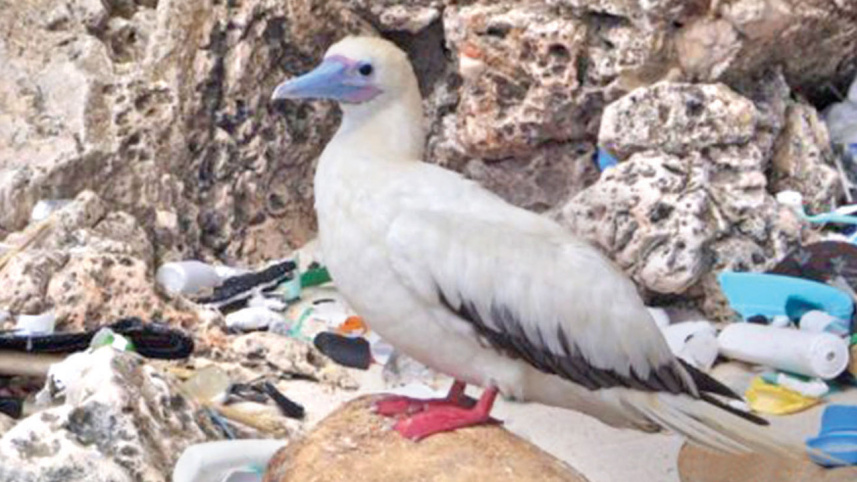
Plastic Sea Birds
Researchers from CSIRO and Imperial College London have assessed how widespread the threat of plastic is for the world's seabirds, including albatrosses, shearwaters and penguins, and found the majority of seabird species have plastic in their gut.

The study, led by Dr Chris Wilcox with co-authors Dr Denise Hardesty and Dr Erik van Sebille and published today in the journal PNAS, found that nearly 60 per cent of all seabird species have plastic in their gut.
Based on analysis of published studies since the early 1960s, the researchers found that plastics are increasingly common in seabird's stomachs. In 1960, plastic was found in the stomach of less than 5 percent of individual seabirds, rising to 80 percent by 2010.
The researchers predict that plastic ingestion will affect 99 per cent of the world's seabird species by 2050, based on current trends.
The scientists estimate that 90 per cent of all seabirds alive today have eaten plastic of some kind.
This includes bags, bottle caps, and plastic fibres from synthetic clothes, which have washed out into the ocean from urban rivers, sewers and waste deposits.
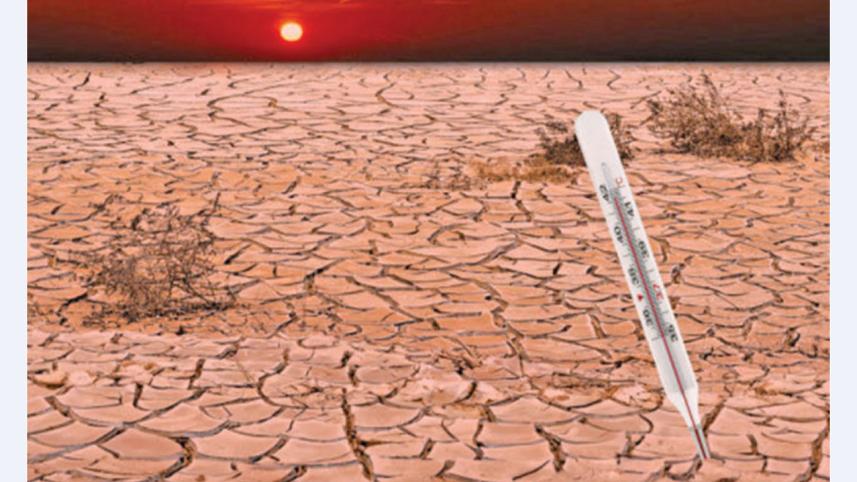
INCREASE IN DROUGHTS
Droughts and heat waves are happening simultaneously with much greater frequency than in the past, according to research by climate experts at the University of California, Irvine. Their findings appear today in Proceedings of the National Academy of Sciences.
A team from UCI's Center for Hydrometeorology & Remote Sensing examined data gathered from ground sensors and gauges during a 50-year-period beginning in 1960. Applying a statistical analysis to the half-century data set, the researchers observed a significant increase in concurrent droughts and heat waves.
"Heat waves can kill people and crops while worsening air quality, and droughts exacerbate those serious impacts," said senior author Amir AghaKouchak, assistant professor of civil & environmental engineering. "With these two extremes happening at the same time, the threat is far more significant."
For the purposes of the study, heat waves were defined as three to seven consecutive hot days, with temperatures in the 90th percentile of the historical record. Droughts were described as extended periods during which precipitation was 20 percent or less of the norm, as measured by the Standardised Precipitation Index.
Source: Sciencedaily.com
 For all latest news, follow The Daily Star's Google News channel.
Comments