


QUIRKY SCIENCE
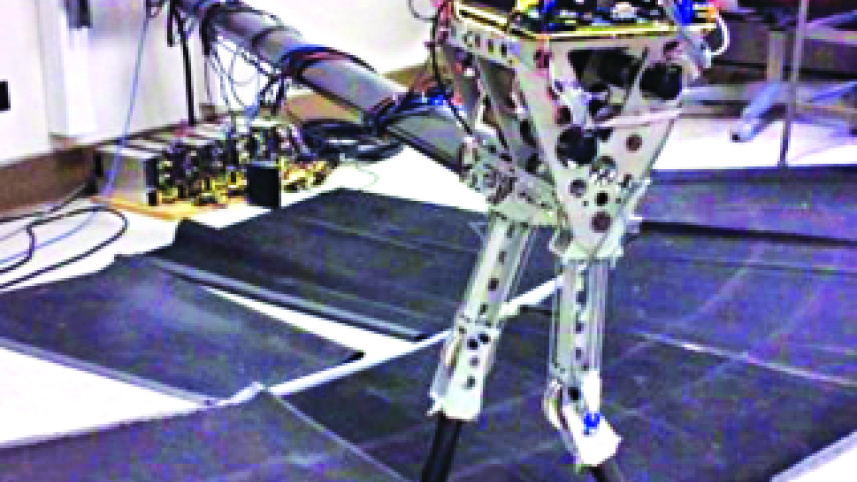
Researchers are turning 'Star Wars' droids into reality
After nearly 40 years of pop culture relevancy, the "Star Wars" saga is continuing this month with the Dec. 18 release of "Star Wars: The Force Awakens." Fans are lining up to see beloved characters return to the screen, including Han Solo and General Leia, and to welcome several new ones, including a variety of droids.
The enduring popularity of and interest in C-3PO and R2-D2 speaks to the fascination many people have with robotics and artificial intelligence. Although no one will have their own C-3PO soon, a number of University of Notre Dame researchers are working to make droids more science fact than science fiction.
Sidney D'Mello, assistant professor of psychology and computer science and engineering, and his colleagues are researching the phenomena of "mind wandering" and are developing a software system that can both detect when a person's focus shifts from the task at hand and get that person to refocus. The researchers' vision is to make computer interfaces intelligent enough to spot a user's waning attention and take action. The system's software tracks a person's eye movements with a commercial eye tracker, a person's facial features with a webcam and the person's interaction patterns. If the system determines that the person's mind is wandering, it can pause the interaction, notify the person, plan a different type of interaction, or tag the interaction for future restudy. Their work also tracks emotions such as confusion, frustration, delight and boredom, in order to increase the bandwidth of interaction to encompass what people think and feel in addition to what they say or do.

MULTIPLYING TEETH, LITERALLY
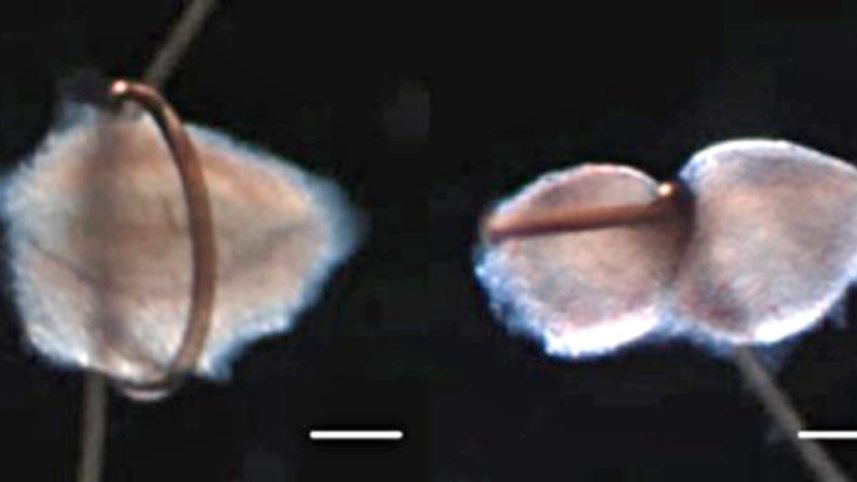
Researchers from the RIKEN Center for Developmental Biology, working with colleagues from the Tokyo Medical and Dental University, have found a way to -- literally -- multiply teeth. In mice, they were able to extract teeth germs -- groups of cells formed early in life that later develop into teeth, split them into two, and then implant the teeth into the mice's jaws, where they developed into two fully functional teeth.
Teeth are a major target of regenerative medicine. According to Takashi Tsuji, the leader of the team, approximately 10 percent of people are born with some missing teeth, and in addition, virtually all people lose some teeth to either accidents or disease as they age. Remedies such as implants and bridges are available, but they do not restore the full functionality of the teeth. Growing new teeth would be beneficial, but unfortunately humans only develop a limited number of teeth germs -- the rudimentary cell groups from which teeth grow.
Source: Sciencedaily.com
 For all latest news, follow The Daily Star's Google News channel.
Comments