


The next construction standard

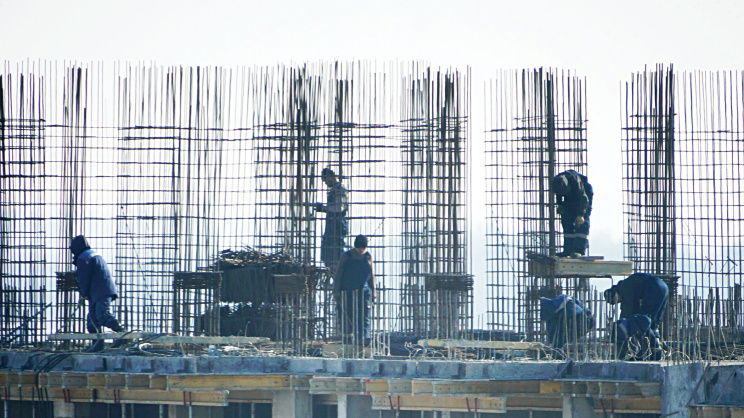
In the rapidly evolving skyline of Dhaka and the expanding industrial corridors of other cities, the skeletal structures of high rises and factories tell a story of immense growth. Bangladesh is currently witnessing a construction boom that is essential for its transition into a middle-income economy. However, this progress comes at a steep environmental and economic price. For decades, the sector relied on traditional, resource-intensive methods that prioritised immediate speed over future stability.
Building for the Future
The shift toward sustainable building is driven by the realisation that construction quality and environmental responsibility are two sides of the same coin. In a delta land prone to extreme humidity, salinity, and seasonal flooding, the durability of materials is paramount. Traditional burnt bricks, for instance, have long been the backbone of local construction, yet they are responsible for significant topsoil depletion and air pollution. Reports from The Daily Star and Prothom Alo have frequently highlighted how the thousands of brick kilns surrounding urban centres contribute to Dhaka often ranking as the city with the worst air quality in the world. As the government moves to phase out these bricks in favour of concrete blocks and alternative materials, the industry is learning that sustainability is synonymous with performance.

This transformation is not just about meeting regulatory standards but about addressing the rising urbanisation and higher expectations for durability. Modern construction must account for the fact that the environment is no longer a static backdrop. Higher temperatures and unpredictable rainfall patterns mean that buildings must be resilient. By choosing materials that reduce waste and energy use, developers are creating structures that can withstand the test of time while minimising their ecological footprint.
Circular Economy Solutions
A prime example of this industrial evolution can be seen in the ceramics sector, which has become a cornerstone of the building material industry in Bangladesh. According to the Bangladesh Ceramic Manufacturers and Exporters Association (BCMEA), the country now hosts 62 ceramic companies with a combined annual production capacity of 207 million square metres of tiles. This scale of production, while economically vital, generates thousands of tonnes of ceramic sludge annually. This residue, a byproduct of intensive water recycling, is rich in calcium carbonate but does not decompose, posing a threat to soil and water bodies if dumped irresponsibly.
Leading the charge in turning this environmental liability into a resource is DBL Ceramics through its TileChalk initiative. This project exemplifies how circular economy principles can be applied to the construction supply chain. By drying, crushing, and refining ceramic sludge, the company has managed to produce high-quality classroom chalk. Within just three months of implementation, 10 tonnes of sludge were diverted from landfills to produce over 21.6 million chalk sticks. This move did more than just clean up an industrial backyard. It lowered production costs for local chalk manufacturers by approximately 40 per cent and revived failing factories, preserving local jobs and reducing the nation’s import dependency on calcium carbonate.
Driving Competitiveness through Sustainability
The success of such circular initiatives has gained international acclaim, securing a Bronze Award at Spikes Asia 2026 and a Silver Lotus at ADFEST 2026. These accolades mark a rare instance of a Bangladeshi industrial approach gaining recognition for creative B2B and sustainable Lotus categories. However, the true impact lies in the decision to make these recycling formulas open source. By sharing the technical formulation across the industry, the sector has signalled a shift toward a collective responsibility model.
This open approach ensures that the entire industry can transition toward zero dumping of ceramic sludge. It also addresses the plastic-based tool dependency in classrooms by repurposing broken tiles into lightweight, reusable slates. As Bangladesh continues its journey toward becoming a developed nation, the adoption of these green standards is becoming a requirement for global competitiveness. Bangladesh already leads the world in the number of LEED-certified green garment factories, a trend that is now influencing the commercial and residential real estate sectors.
In conclusion, the construction boom in Bangladesh is at a crossroads. The path of least resistance leads to environmental degradation and rising long-term costs. The alternative path, paved with sustainable materials and circular economy initiatives, offers a blueprint for a resilient future. By transforming waste into value and prioritising durability over temporary savings, Bangladesh can ensure that its urban growth is not just rapid but also enduring. A sustainable future is built by those who see potential where others see only waste.
 For all latest news, follow The Daily Star's Google News channel.
Comments