


Sweet, Social, Slightly Dangerous: The post ramadan shock

After a month of fasting, restraint and carefully timed meals, Eid arrives like a cheerful relative who insists you eat first and ask questions later. Breakfast returns. So do sweets. Visits multiply. Sleep becomes optional. It is joyful, deserved and, for many bodies, slightly overwhelming.
Eid-ul-Fitr is not a festival of excess in the dramatic sense, but it is a sudden shift. For thirty days your system adapted to long fasting hours, lighter daytime intake and disrupted sleep. Then, almost overnight, everything changes. The secret to enjoying Eid without feeling sluggish, bloated or regretful by day three is not restriction. It is rhythm.

The sweet strategy
Let us start with the obvious. Sheer khurma, semai, firni, mishti from multiple houses and a generous aunt who believes love is measured in ladlefuls. Sugar is the headline act of Eid-ul-Fitr.
The most common mistake is beginning the day with dessert. After Ramadan, your blood sugar response can be unpredictable. Starting with something savoury such as eggs, yoghurt or even a simple paratha gives your body a steadier base. When the sweets arrive, enjoy them, but think in terms of tasting rather than conquering. A small bowl still tastes like celebration.
Spacing sweets out through the day also helps. Three small servings across visits feel far better than three full bowls in one sitting. This matters especially for anyone with diabetes, high blood pressure or those hovering close to the pre-diabetic line, which is more common in our region than many realise.
Protecting your digestion
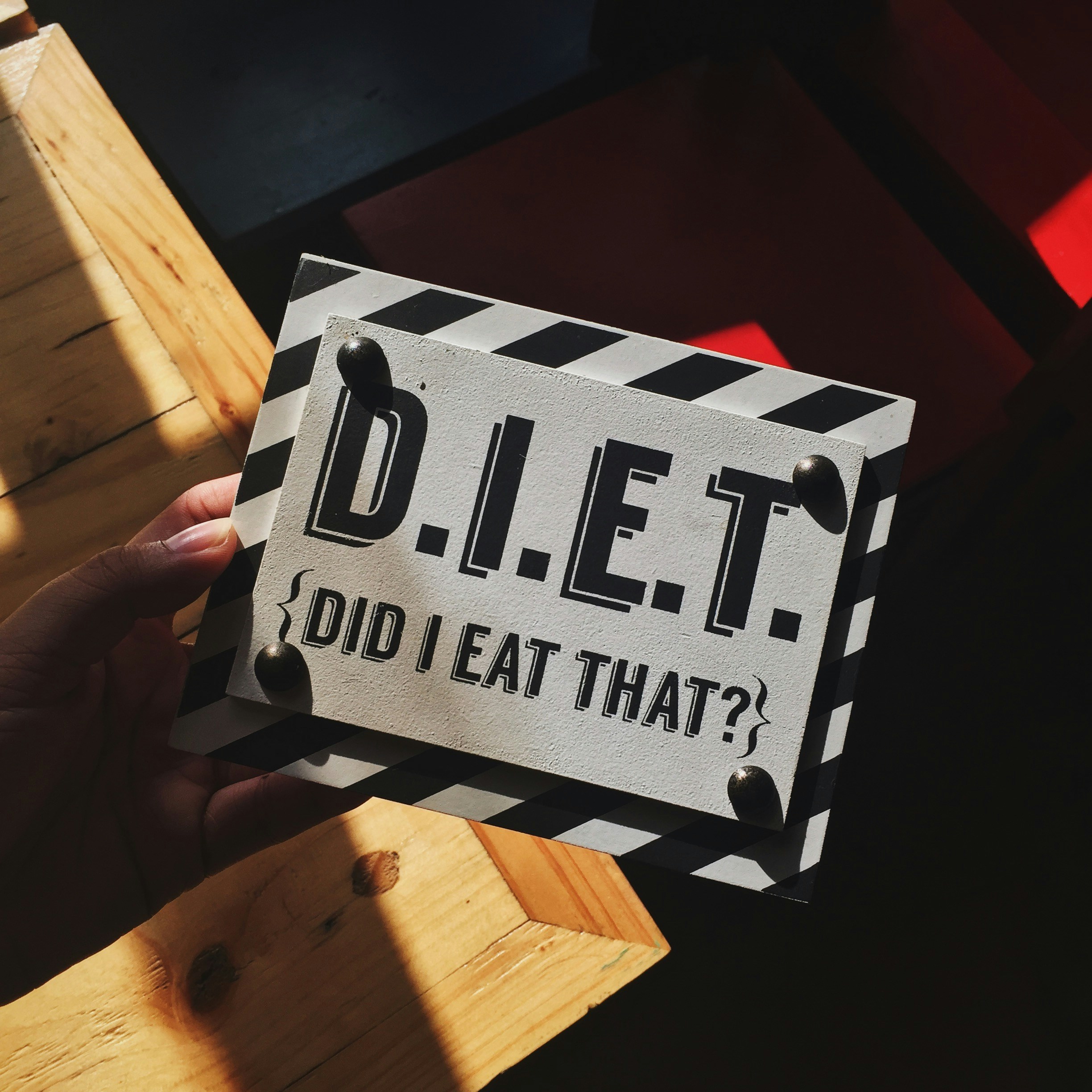
Ramadan resets your sense of portion. Eid hospitality does the opposite. Tea follows sweets, snacks follow tea, and someone always insists you have not eaten enough.
Eat slowly and stop before you are completely full. A short walk after a heavy visit will help digestion far more than reaching for an antacid. Lying down straight after a rich meal usually means acidity and bloating.
Hydration matters too. Many people drink less water than they realise during Ramadan, then replace it with fizzy drinks on Eid. Have water before dessert, not instead of it. Coconut water or fresh lime keeps you refreshed without adding to the sugar overload.
Resetting sleep without losing the fun
Ramadan sleep schedules are famously chaotic. Eid can stretch them further with late-night gatherings and early morning prayers. A few days of poor sleep can amplify cravings, fatigue and irritability.
Try nudging your bedtime gradually back towards normal. Keep caffeine earlier in the day. If you need a nap, make it short and restorative rather than disappearing for half the afternoon. Rested people make better food choices and feel more patient during long visiting rounds.
Heat, hygiene and common sense
With Eid falling at the end of March, the warmth is already settling in. New outfits may look festive, but heavy fabrics and long hours outdoors can quickly lead to dehydration and fatigue. Choose breathable clothing, avoid peak afternoon heat where possible, and make sure children and elderly family members drink water regularly, even if they say they are fine.
Food safety matters too. Refrigerate leftovers within a couple of hours and reheat properly. Festive kitchens are busy, and a little attention to hygiene goes a long way in preventing an unwanted post-Eid stomach upset.
Empty roads are not harmless roads
Eid in Dhaka brings a rare sight: empty streets. What usually crawls begins to flow. It feels liberating, but it can be deceptive. Clear roads tempt speed, and late-night drives seem harmless when traffic is light.
There was a time when Mohammadpur was the meme for getting mugged after dark. Now the joke is that any quiet pocket can play that role. Holidays often see spikes in accidents and opportunistic crime because people relax their guard.
Drive sensibly, avoid poorly lit detours and keep valuables discreet. An empty street is not automatically a safer one.
The emotional side of celebration
Eid is joyful but demanding. Hosting pressure, gift expenses and family dynamics can quietly drain your energy. Build in short pauses between visits. Even a few quiet minutes can help you reset and stay present. Children feel it too. Sugar highs and broken sleep often mean mood swings. Keep some structure, offer treats earlier in the day and balance sweets with proper meals.
Eid is meant to be savoured. Celebrate with awareness, and you carry its warmth rather than its aftereffects.
 For all latest news, follow The Daily Star's Google News channel.
Comments