


The Devotion Beneath Your Fingertips

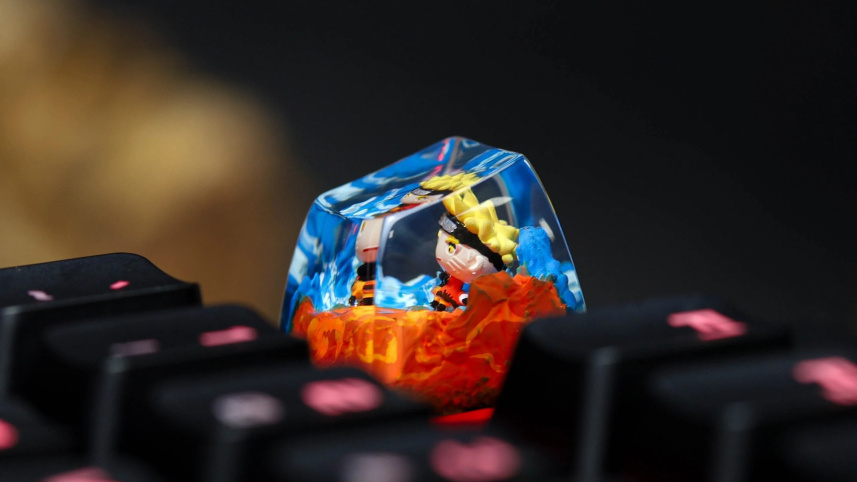
There is a particular kind of joy that arrives in a padded box, bubble-wrapped and postal-stamped, containing nothing more than a set of plastic squares. To the uninitiated, it might seem absurd, perhaps even wasteful, to spend upwards of BDT 20,000 on a collection of tiny caps designed to sit atop keyboard switches. But within the mechanical keyboard community, keycap collecting is a craft.
The community that has grown around mechanical keyboards over the past decade is one of the most detail-oriented hobbyist cultures in technology. Where others upgrade their phones or chase the latest graphics card, the keyboard enthusiast obsesses over something far more tactile, far more personal: the individual feel, sound and appearance of every single key beneath their fingers. And at the very top of that hierarchy of desires sits the keycap.
Profile Is Everything
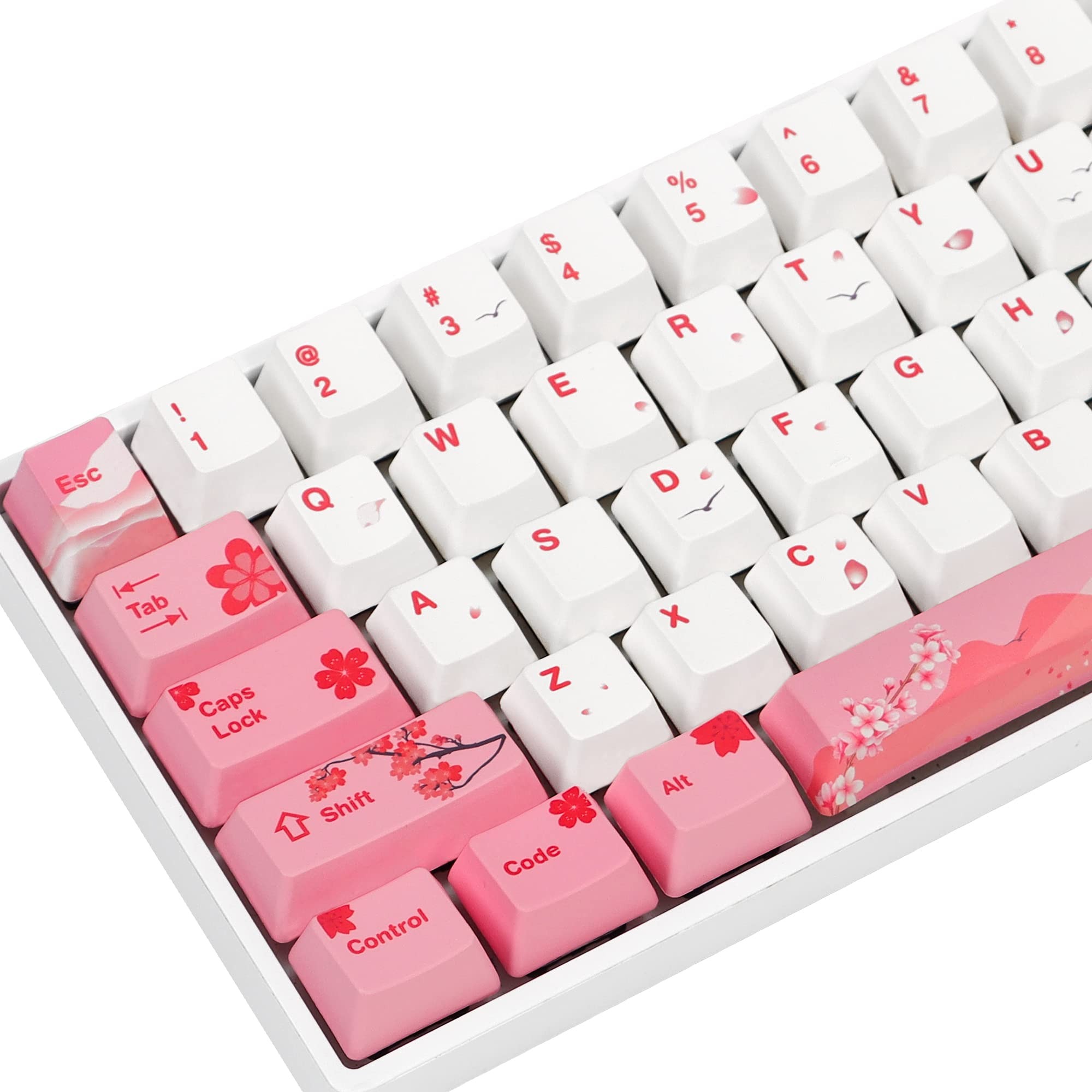
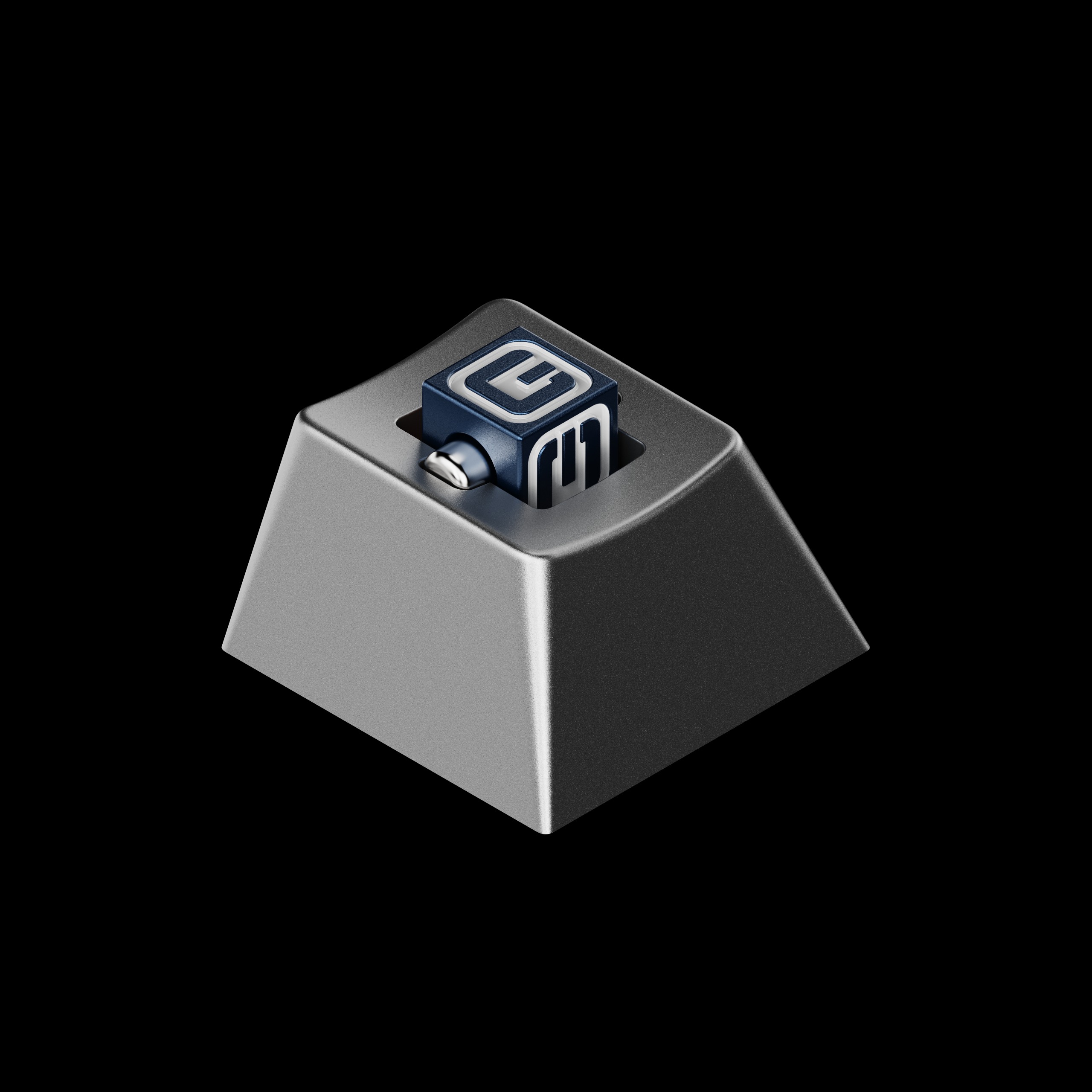
Ask any seasoned collector what they look for first, and before they ever mention colour, they will tell you: profile. Profile refers to the sculpted shape and height of the keycap, and it varies dramatically between manufacturers and standards. The SA profile is tall and spherical at the top, lending a vintage typewriter quality to the typing experience. Cherry profile, favoured by the German manufacturer GMK, is lower, more cylindrical and widely considered the enthusiast's benchmark. XDA and DSA offer uniform, flat profiles for those who prefer a consistent height across every row.
Each profile produces a different acoustic signature, the beloved "thock", and a different typing angle. Collectors will spend hours debating which profile suits which switch, which desk mat, which chassis material. It is, in the truest sense, a system of variables in constant, delightful negotiation.

The Material Question and Why It Matters More Than You Think
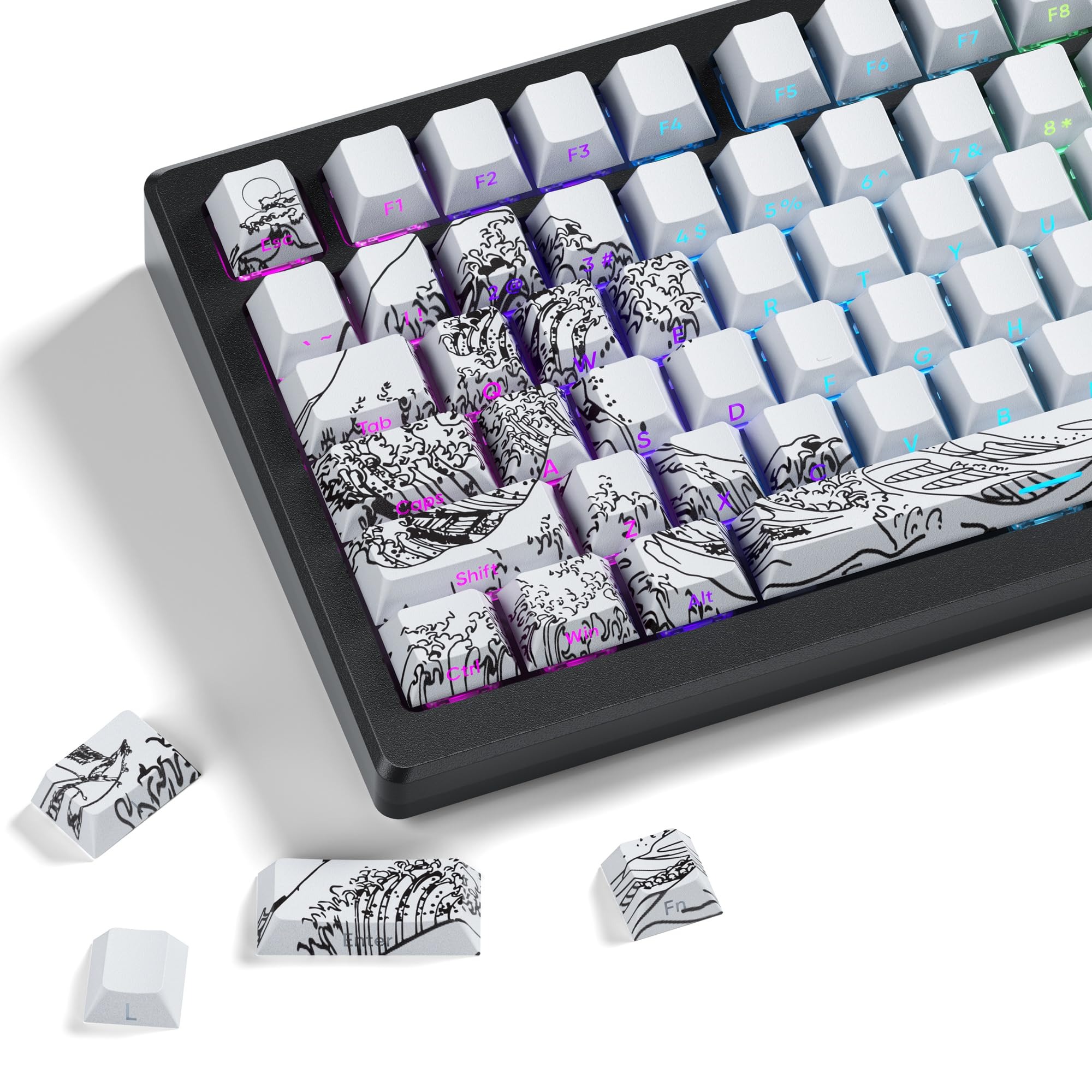
Here is where the culture becomes particularly unforgiving. Material selection is the single most decisive factor in whether a keycap set is taken seriously within the community, and it divides the market sharply between the aspirational and the regrettable.
The majority of budget keycaps are made from ABS plastic, acrylonitrile butadiene styrene, a widely used thermoplastic that is inexpensive to manufacture and relatively straightforward to mould. For the first few weeks, ABS keycaps can look perfectly fine. They hold colour well and print crisp legends. The problem, however, manifests over time and with use. ABS has a low resistance to friction. As fingers glide across the surface daily, the texture slowly degrades. What begins as a matte, tactile finish gradually becomes smooth, greasy, and reflective. Collectors call this "shine," and within the community, it is considered deeply undesirable — a mark of cheap materials and poor longevity. An ABS keycap after six months of daily use looks, as one forum regular put it, like someone has been rubbing a chip shop counter. No self-respecting collector would stand for it.
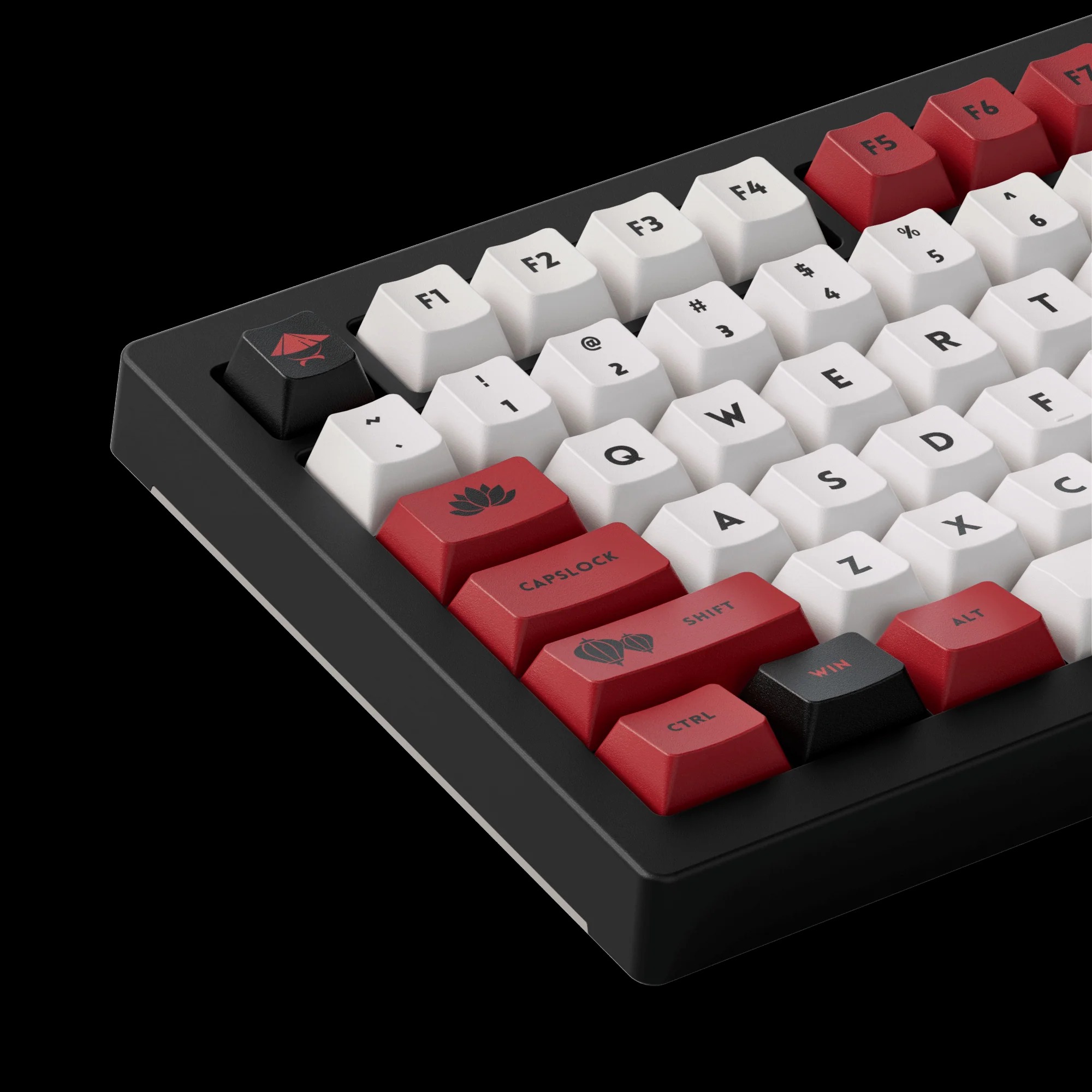
The material of choice for serious collectors is PBT — polybutylene terephthalate. Denser, harder, and with a notably higher melting point than ABS, PBT resists shine almost entirely. Even after years of daily use, a high-quality PBT keycap retains its original texture. It feels the same on day one as it does on day five hundred. That consistency — that integrity of surface — is precisely what the enthusiast is paying for. PBT also produces a slightly deeper, more satisfying acoustic profile when typed upon, contributing to the coveted thock that drives so much of keyboard culture.
How They Are Made
The manufacturing of premium keycaps is a more sophisticated process than most outsiders would expect. The dominant method for high-end sets is double-shot moulding. In this technique, two separate injections of plastic form a single keycap. The first shot creates the legend: the letter, number or symbol as a solid plastic element. The second shot then forms the outer shell of the cap around it. The result is a keycap where the legend is not printed on, but physically embedded within the material itself. It cannot scratch off, fade, or wear away. Double-shot legends will outlast the keyboard, the desk, and arguably the enthusiast.
The other widely respected method is dye-sublimation, in which dye is thermally pressed into the surface of the plastic at such high temperatures that it fuses at a molecular level. The ink does not sit on top of the surface; it becomes part of it. Dye-sub is particularly popular for PBT keycaps due to PBT's higher heat tolerance. What collectors are emphatically not interested in is pad printing, a surface-level ink application common in budget sets, nor laser etching without infill, both of which fade, chip, or wear through with extended use.
Colourways, Group Buys and the Artisan World
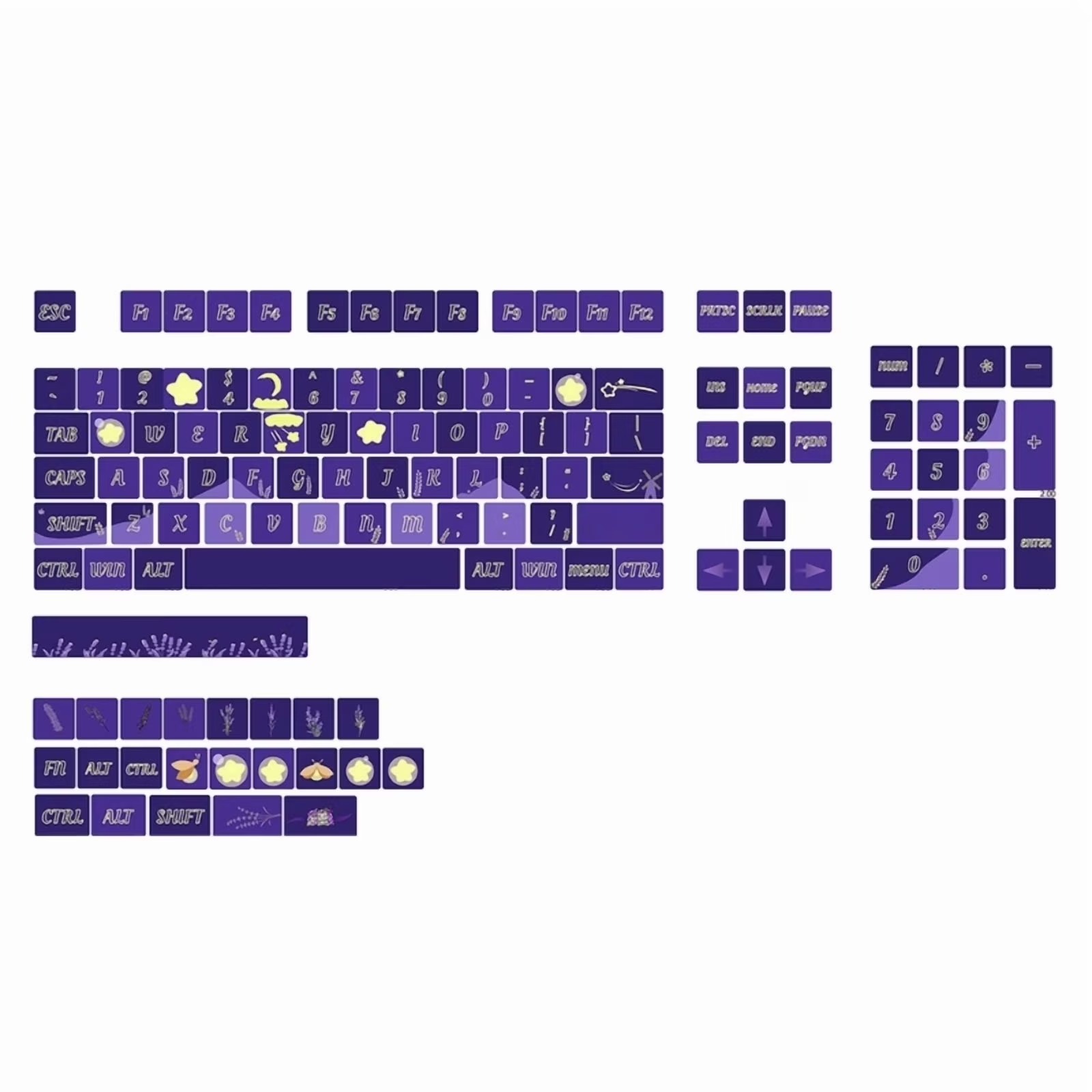
Beyond material and profile lies the endlessly creative world of colourway design. Keycap sets are released in themed collections, inspired by retro operating systems, cyberpunk aesthetics, Islamic geometric patterns, and more. Most premium sets are sold through a group buy: a pre-order model where a designer partners with a manufacturer, opens orders for a limited period, and fulfils the run once minimum numbers are met. Wait times can stretch to eighteen months. The anticipation is, for many, part of the experience. A base kit from a respected manufacturer such as GMK, ePBT, or Signature Plastics can fetch well over BDT 25,000 at retail.
 For all latest news, follow The Daily Star's Google News channel.
Comments