


Silent signs of kidney stones

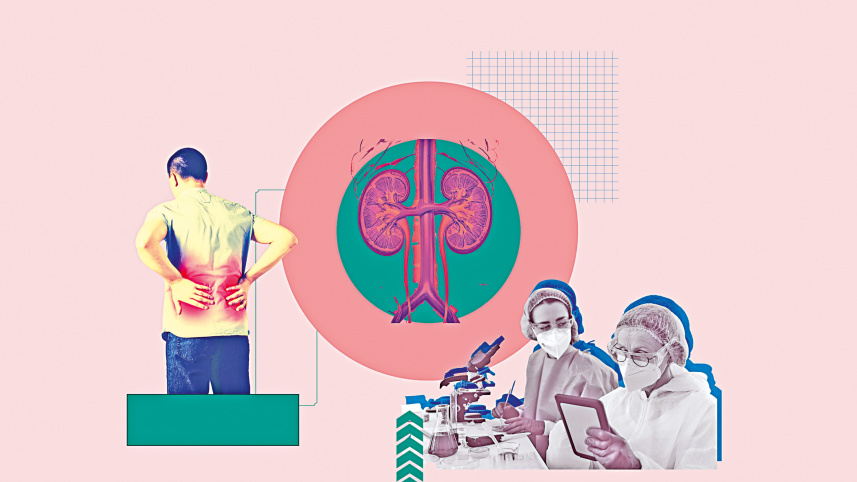
Kidney stones are hard, solid masses made from minerals and salts. These form inside your kidneys when waste products in the urine build up. They can be as small as a grain of sand or grow as large as a pearl. According to Professor Brigadier General Dr Mamun Mostafi (Retd.) everyone is at risk. He explains that it is not true that only men get them. He says that any male, female, or child can have this stone disease.
Why These Stones Form Daily

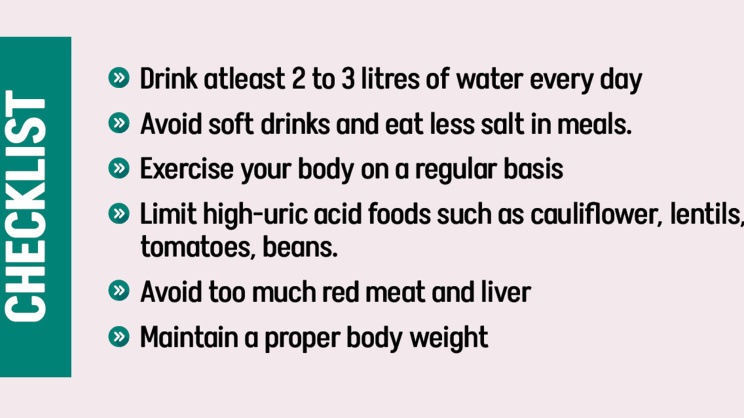
Stones form when your urine has too many chemicals and not enough water. When you are dehydrated, these chemicals stick together and turn into crystals. Over time, these crystals grow into stones. Dr. Mostafi notes that people with certain genetic conditions or high levels of uric acid are more likely to have this problem. He warns that eating too many foods with high oxalate, such as spinach or starfruit, can make things worse. If the urine is diluted, crystals cannot form. But if you drink less water, those chemicals become concentrated and turn into stones.
Common Signs To Watch For
Finding a stone early is very important. You might feel a sharp pain in your side or see blood in your urine. Some stones do not cause symptoms right away. However, Dr. Mostafi advises seeking medical attention if you have a history of pain in the soft side of your body. He also notes that any evidence of blood in the urine should be investigated immediately. If the stone is small, you might pass it on your own by drinking lots of water and taking medicine.
Treatment
For larger stones, doctors choose specific surgeries. One is Shockwave Lithotripsy which uses sound waves to break stones. Another is Retrograde Intrarenal Surgery where a scope goes through natural paths. For very big stones, Percutaneous Nephrolithotomy requires a small cut in the back. Dr. Mostafi explains that the choice depends on the stone size and position. He notes that modern ways like laser surgery or laparoscopic surgery are common. However, open surgery remains an option to cut and bring the stone out.
Kidney stones are often painful but entirely manageable through early detection and healthy habits. Staying properly hydrated and following a balanced diet are your best tools for prevention. If symptoms occur, consult a urologist immediately to discuss advanced surgical options or oral treatments. Prioritising your kidney health today is the best way to ensure a pain-free and much healthier future.
 For all latest news, follow The Daily Star's Google News channel.
Comments