


So you want to paint a wall but too afraid to do so
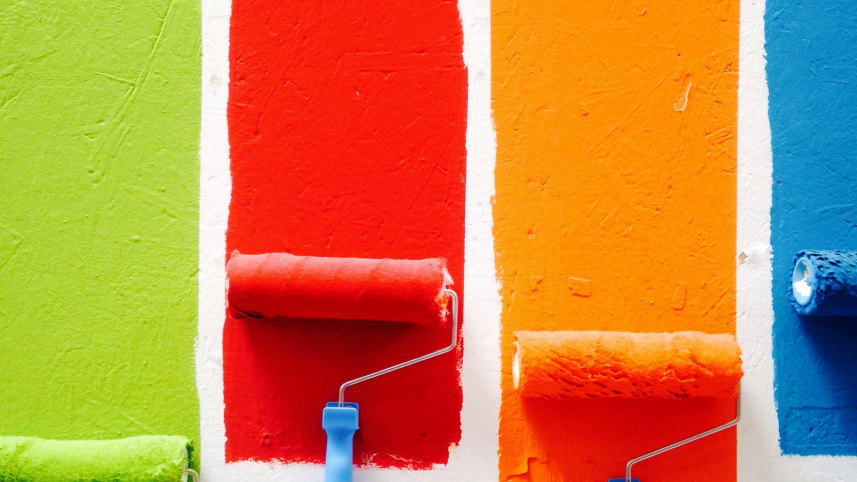
Painting a wall sounds simple enough until you are halfway through and realise how quickly it can go wrong. Uneven patches, visible roller marks, paint where it absolutely should not be, and a colour that looks nothing like what you imagined under shop lighting. It is one of those jobs people either avoid entirely or underestimate completely. In reality, it sits somewhere in between. Very doable, but only if you respect the process.
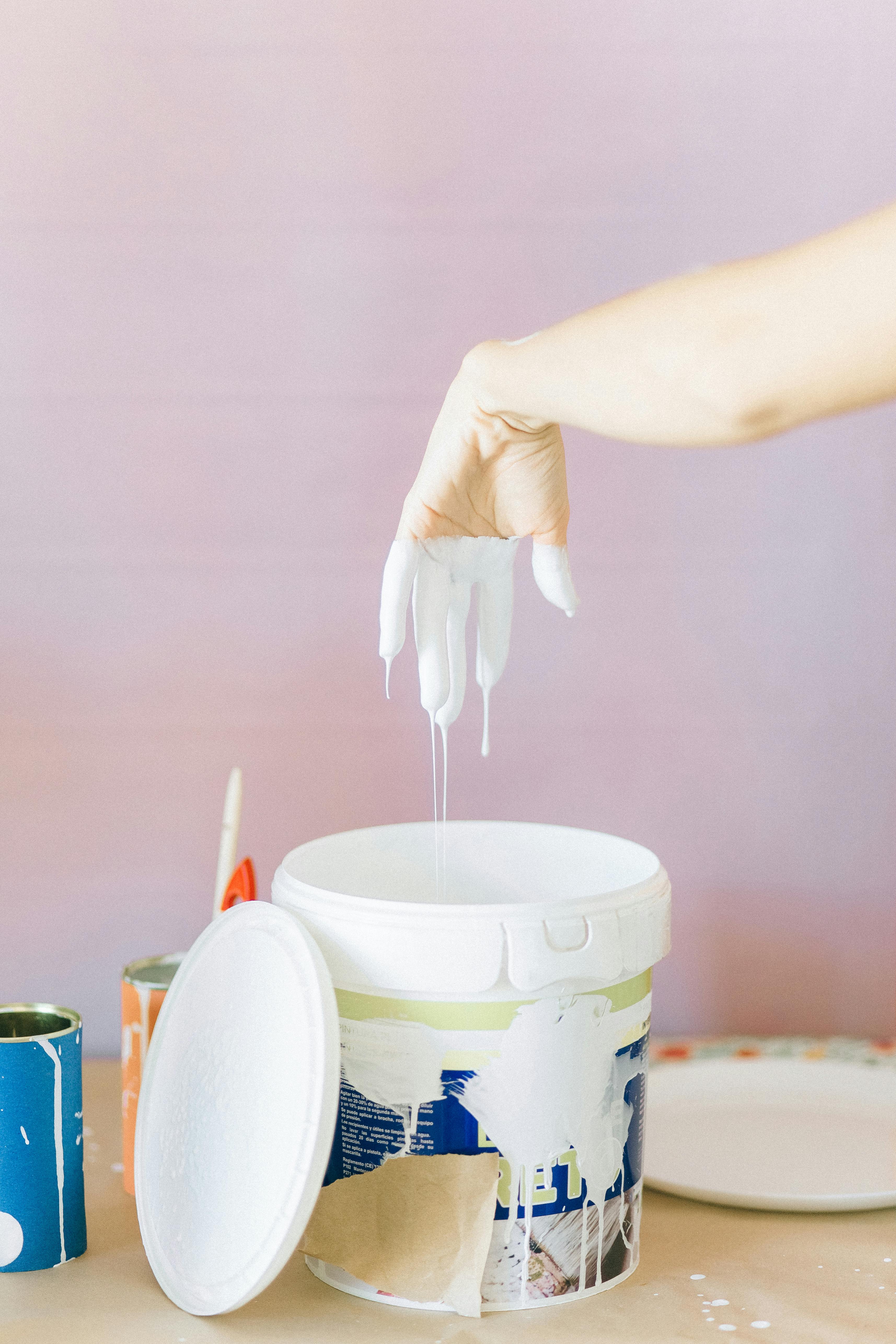
If you are starting out, a single highlight wall is the safest entry point. It limits cost, effort, and the scale of any mistakes. Pick a wall that is relatively clean and uninterrupted. The fewer edges and fixtures you need to work around, the easier it is to get a clean finish. Think of it as practice with a visible payoff. Once you get it right, the rest of the room stops feeling intimidating.
The part that matters most is the part people rush through. Surface preparation decides how your wall will look long before the paint goes on. Even a wall that looks fine will have dust, slight unevenness, or old marks that paint will not hide. A quick clean, light sanding, and filling any small cracks will make the final result look deliberate rather than accidental. Skipping this step is the most common reason DIY paint jobs look off.

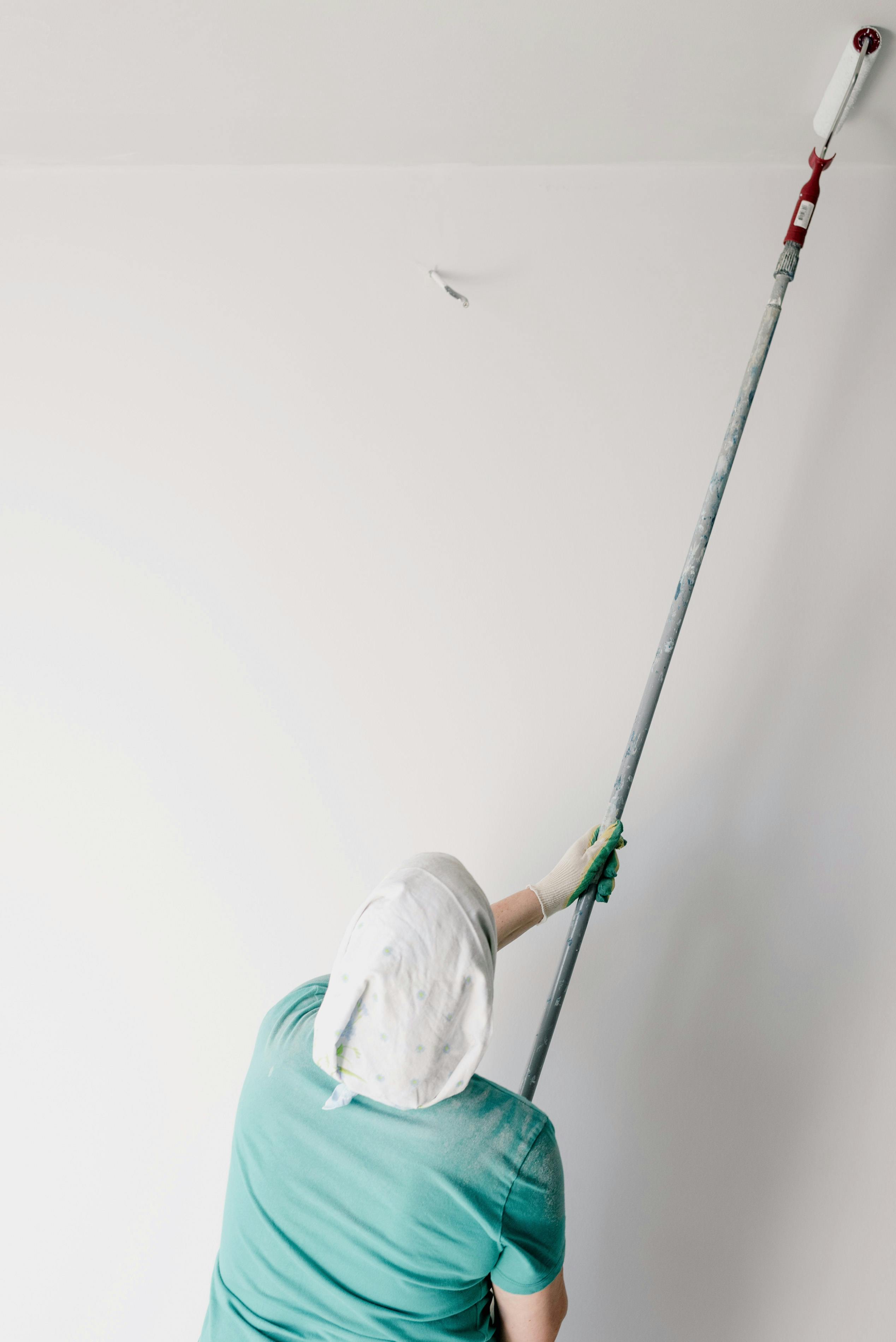
When it comes to painting, patience shows. Start by carefully painting the edges and corners with a brush. It feels slow, but it frames everything that follows. The roller then fills in the rest, and this is where most beginners either rush or overload. Thin, even coats work better than trying to finish in one go. The first coat will look patchy. That is normal. The second brings consistency. Darker shades often need a third.
Colour choice also affects difficulty more than most expect. Lighter shades are forgiving. Greys are predictable. Deep colours, especially greens, blues, and reds, demand more care. They reveal uneven application quickly and often need extra coats to settle evenly. What looks rich and bold on a sample card can become streaky on a wall if applied too quickly.
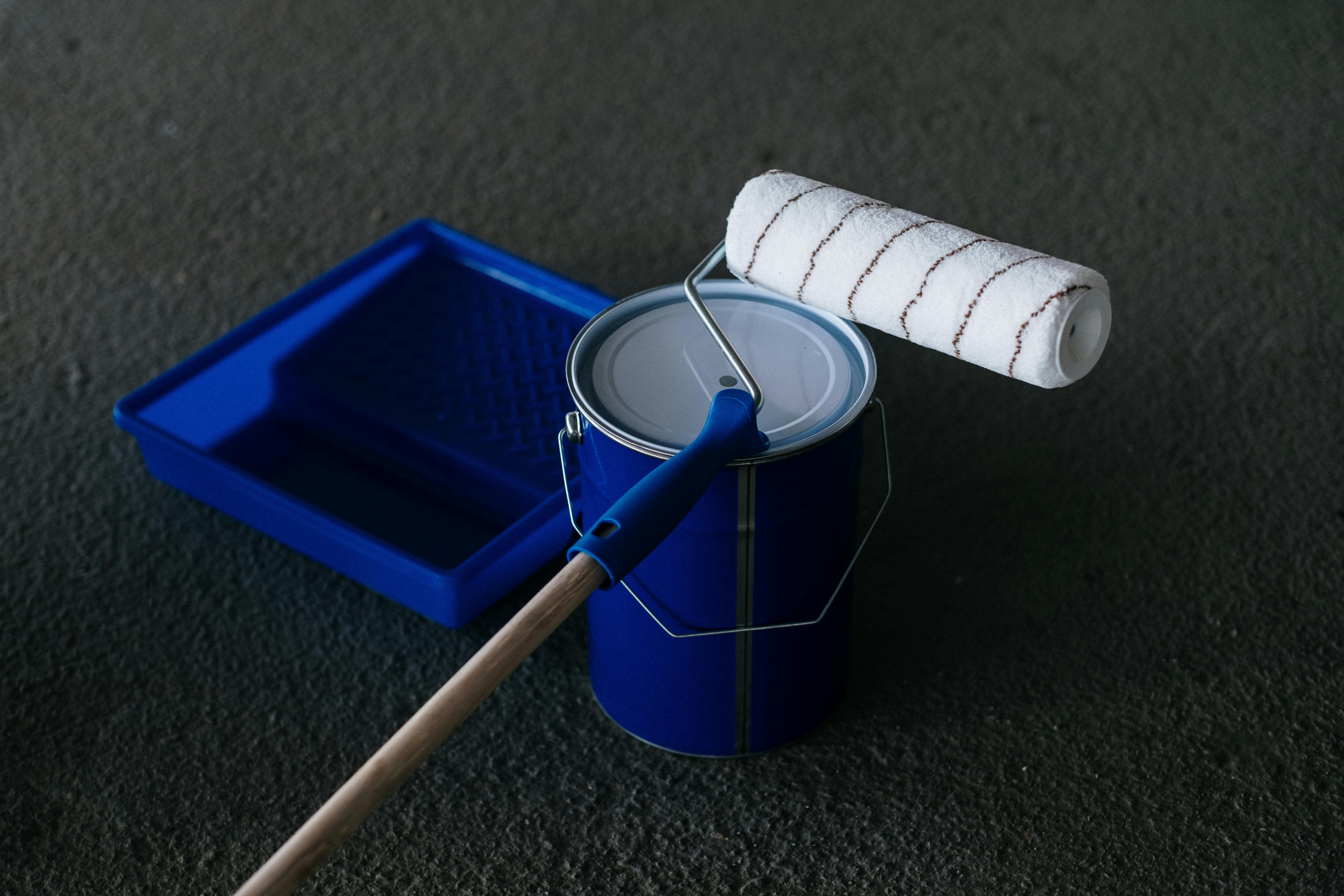
Distemper is the cheapest and most basic option, suitable for low-use areas or temporary fixes, but it has a chalky finish, stains easily, and does not last long, so you may find yourself repainting sooner than expected. Plastic emulsion, on the other hand, is the more practical everyday choice for most homes. It gives a smoother finish, is more durable, resists stains better, and can often be wiped clean, making it ideal for living rooms, bedrooms, and even light-traffic corridors. The trade-off is cost, as emulsion is more expensive upfront, but it tends to last longer and look better over time. In simple terms, distemper saves money now but costs you in maintenance later, while plastic emulsion costs more initially but delivers a cleaner, more durable finish that holds up to real household use.
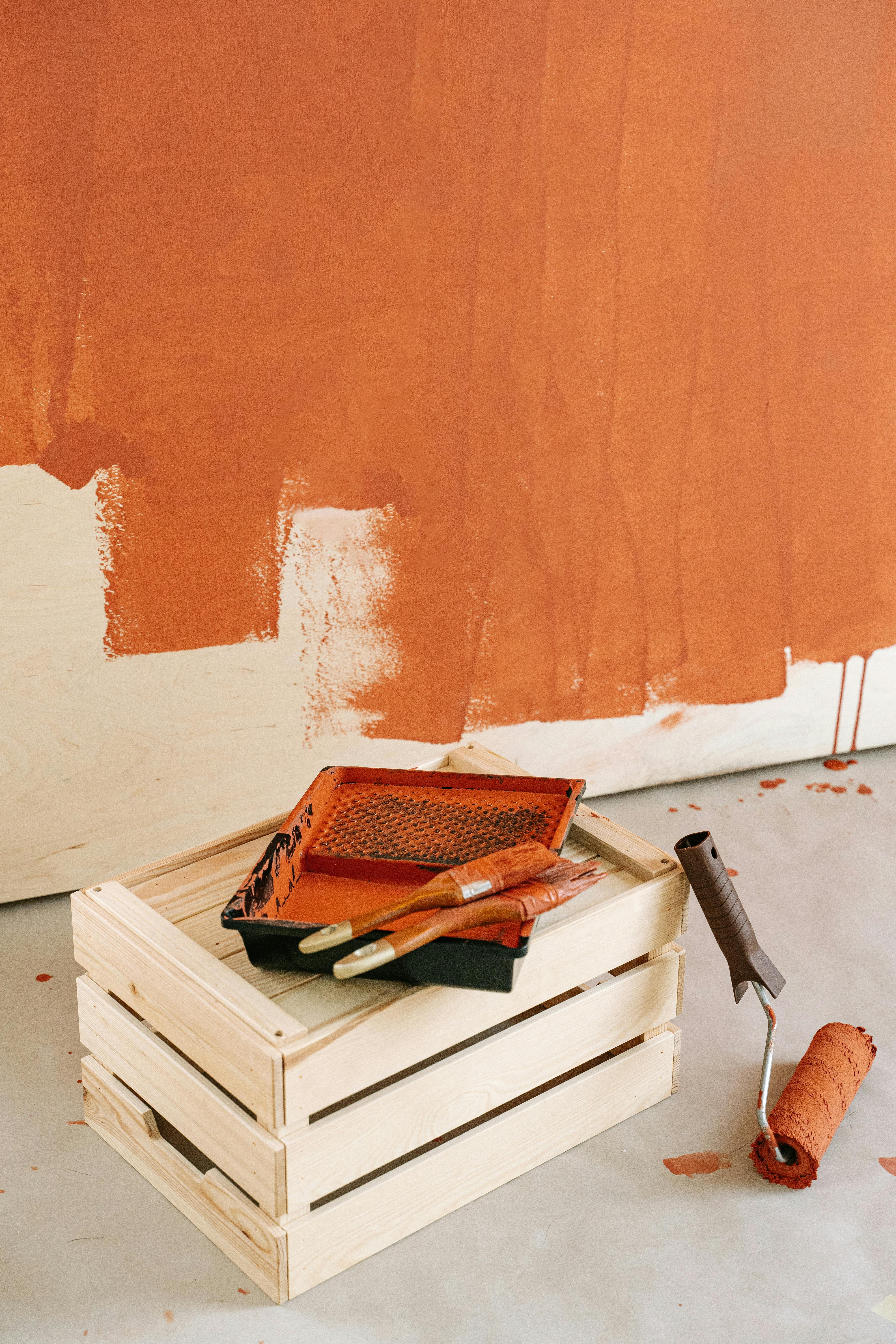
In terms of cost, this is one of the more accessible home upgrades. A litre or two of paint, basic tools, and primer if needed will usually stay within a modest budget. What you are really investing is time and attention. As for costs, start small and easy. Aim for one wall. Rollers cost under 300 BDT. Paint brushes (2-4 inches) are under 250 BDT. A litre of primer and regular distemper paint will be under 300 BDT each. Custom selected paint can range between 400-600 BDT. You can get a batch mixed up at any paint store around your ‘kacha bazar’. You select a colour, the computer will mix it up.
The risks are real, but manageable. Paint can drip. Edges can bleed if not masked properly. Floors, fabrics, and nearby surfaces can suffer if not covered. Most of these mistakes are preventable with a bit of care upfront. And even when something does go wrong, paint is forgiving. You can correct it, repaint it, and move on. The only permanent damage tends to be the kind you leave on things you forgot to protect.
For anyone hesitating because it feels too easy to mess up, that hesitation is actually useful. It forces you to slow down and do it properly. Painting is not difficult, but it is not careless work either. Treat it with a bit of respect, and even a first attempt can look like it was done by someone who knew what they were doing.
 For all latest news, follow The Daily Star's Google News channel.
Comments