


Not every Harry Potter fan is ready for a Black Snape; that’s exactly why it matters

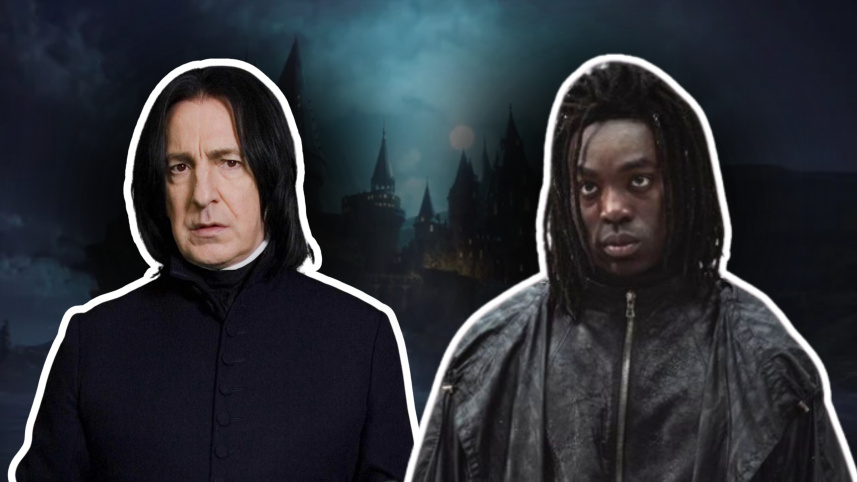
The first teaser for HBO’s Harry Potter series dropped yesterday, giving fans a vivid first look at Hogwarts, its iconic characters, and a reimagined take on JK Rowling’s world. The trailer set the tone for the upcoming adaptation, and sparked both excitement and debate.
While many reacted with nostalgia and curiosity, one casting choice quickly became the centre of attention: Paapa Essiedu, a British actor of Ghanaian heritage, as Severus Snape.

Some netizens praised the fresh interpretation and welcomed the audacity of rethinking a character long associated with Alan Rickman’s unforgettable portrayal. Others criticised the move, arguing it strays from the books’ description of Snape as pale and sallow and “changes the story.”
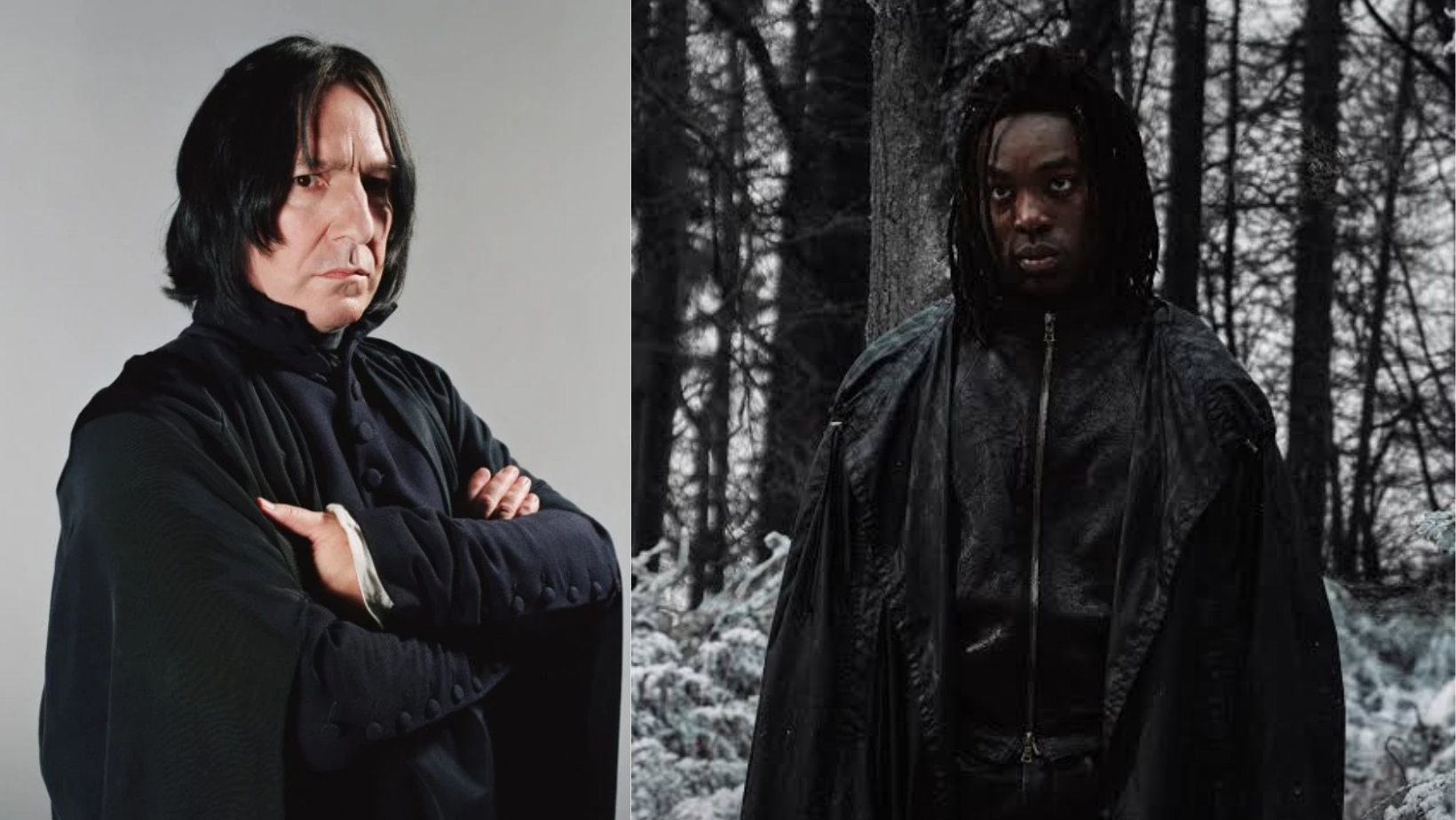
Social media, in particular, became a battleground for these debates, exposing broader anxieties over race, representation, and adherence to beloved source material.
The conversation around a Black Snape is not new. From the moment Essiedu’s casting was announced in April 2025, controversy followed. Beyond disagreements about faithfulness to the original books, the actor has faced racist abuse, including messages warning him to quit or even threatening his life.
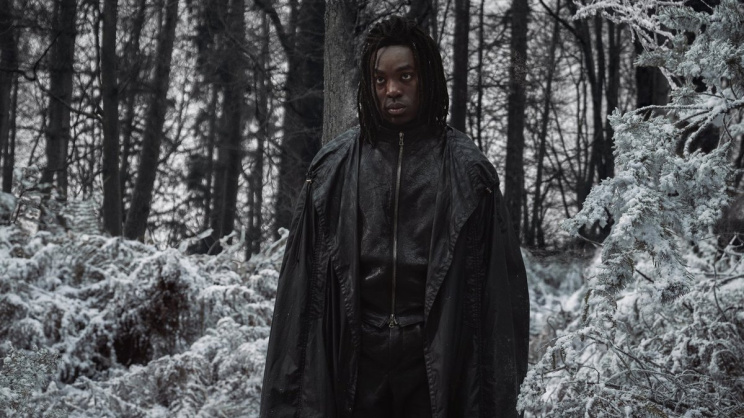
Essiedu told media that he has received messages like “Quit or I’ll murder you” and “I’m going to come to your house and kill you.” While he doesn’t expect real harm, he said, “nobody should have to encounter this for doing their job” and admitted, “I’d be lying if I said it doesn’t affect me emotionally.”
At the same time, he has made it clear that the backlash strengthens his resolve to make the role his own and to bring visibility to a world that once felt out of reach for many young viewers.
Beyond the backlash, there are strong reasons why a Black Snape could work brilliantly.
Snape stands as perhaps the most psychologically intricate and morally ambiguous figure in the Harry Potter universe, a character shaped by isolation, unrequited love, inner conflict, and, ultimately, redemption. Any adaptation that hopes to do him justice must engage deeply with that complexity, and Essiedu’s track record suggests he is more than capable of meeting the challenge.
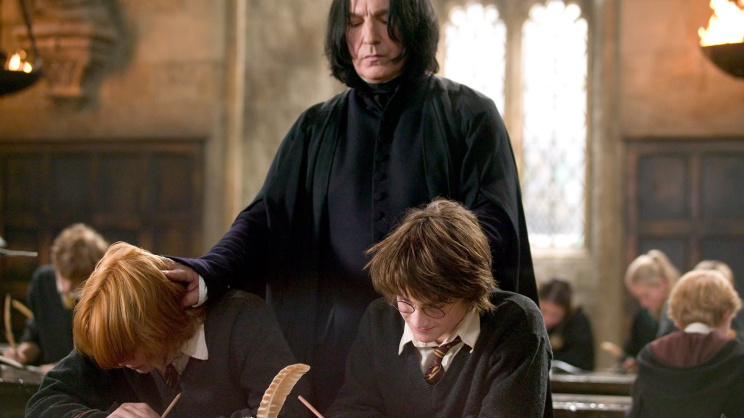
Across screen and stage, from "I May Destroy You" to the acclaimed "Death of England", Essiedu has shown a gift for inhabiting emotional complexity and inner conflict, qualities central to any compelling portrayal of Snape.
Theme-wise too, casting Essiedu does not fundamentally alter Snape’s story. His experiences of bullying, social exclusion, and his eventual turn to the Death Eaters, followed by heroic sacrifices, can resonate more powerfully when seen through the lens of someone who has faced systemic barriers.
A Black Snape does not automatically make the story about race, but it deepens themes of marginalisation, resilience, and the search for acceptance, inviting viewers to reconsider vulnerability and moral conflict in a fresh, relevant way.
This approach is consistent with previous Harry Potter productions. The stage play "Harry Potter and the Cursed Child", which premiered in London in 2016, featured a Black actor in a major role, in the form of Noma Dumezweni as Hermione Granger. Hermione’s race was never specified in the original books, and casting her as Black underscored that the essence of a character lies in personality and values rather than skin colour.
The production proved that diverse casting could enrich the story without undermining Rowling’s universe, and it set a precedent for reimagining familiar characters thoughtfully and inclusively. Similar choices in international productions also saw Black actors portraying other key roles, reinforcing that Hogwarts can be a space of imaginative diversity.
Many detractors insist they would have been comfortable with other characters, such as Dumbledore or McGonagall, being reinterpreted racially, but Snape’s arc sparks more discomfort. This is understandable: Harry and his friends’ suspicion and bullying of Snape could, in a contemporary context, appear as racialised aggression.
Still, instead of diminishing the narrative, these dynamics could enhance it, offering a modern lens on prejudice, power, and moral ambiguity. Essiedu’s nuanced acting could ensure the character remains faithful to Rowling’s vision while also providing a thoughtful reinterpretation for today’s audience.
JK Rowling herself has been at the centre of controversy in the past, particularly for comments considered transphobic. Some assumed this might lead her to object to Essiedu’s casting. Yet, Rowling did not oppose him.
Her decision not to intervene is significant: it allows the production to embrace diversity while maintaining creative independence. It also demonstrates that the creative team can separate personal beliefs from storytelling choices, which is vital for an inclusive reimagining of a beloved franchise.
Ultimately, the success of a Black Snape will depend on the writing, direction, and performance, but the potential is enormous. Essiedu’s talent, combined with thoughtful production choices, could make this HBO adaptation a defining reinterpretation of the Harry Potter universe.
 For all latest news, follow The Daily Star's Google News channel.
Comments