


As cities grow, wildlife fights to survive

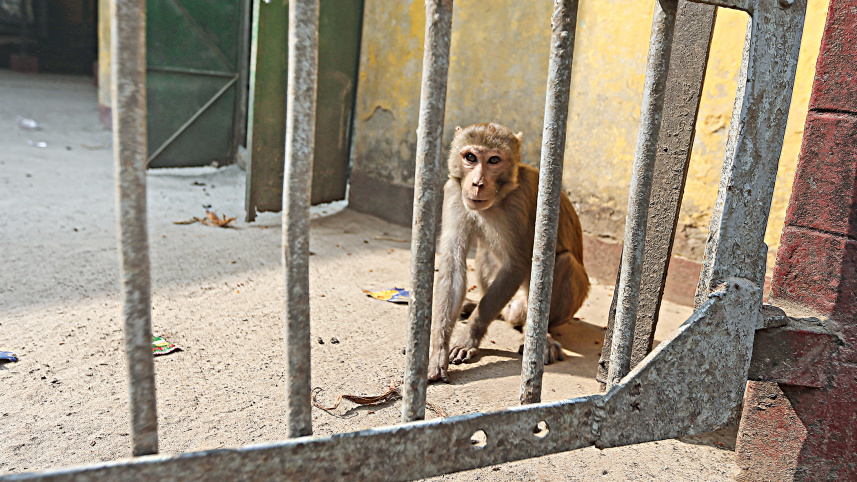
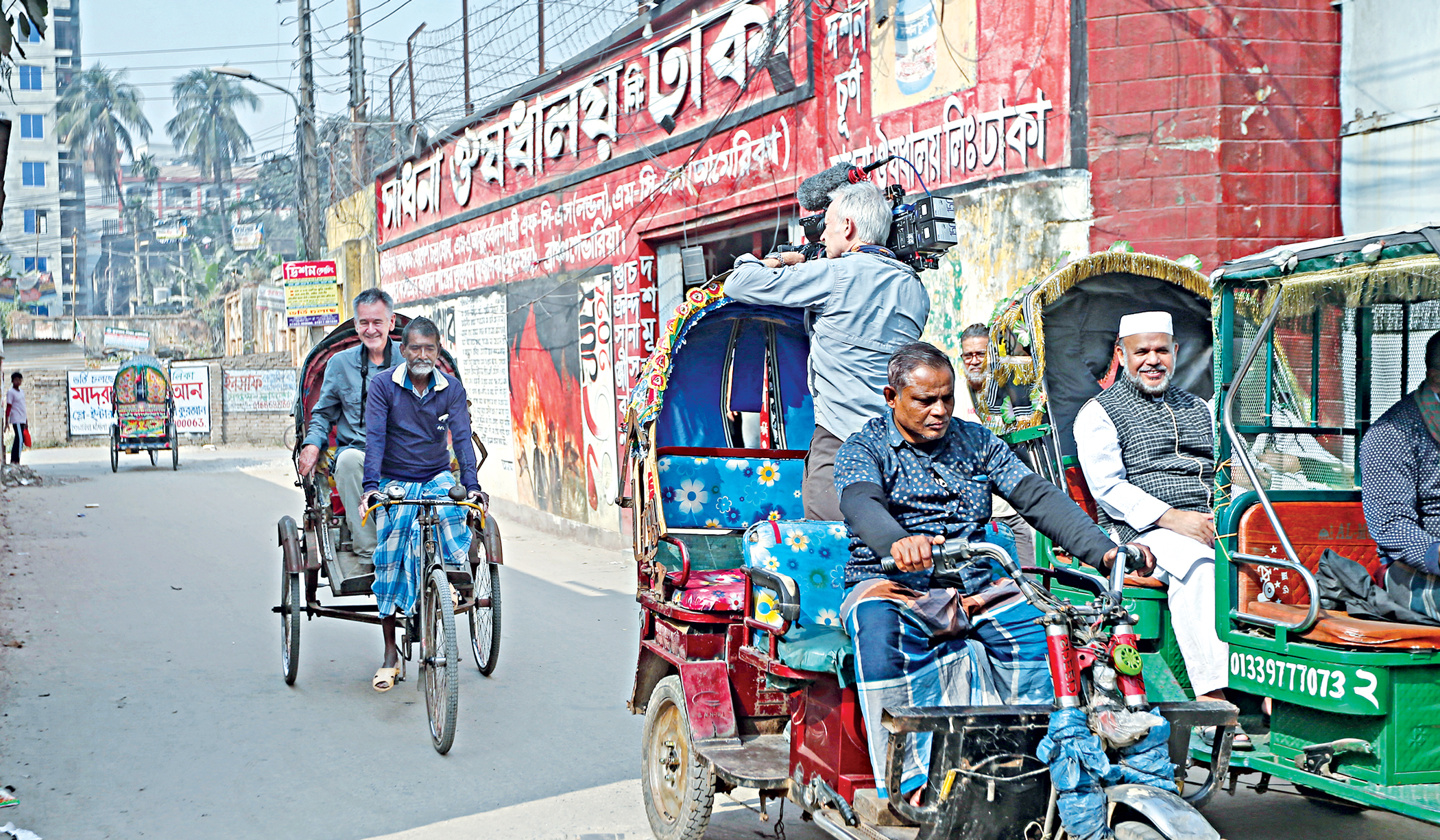
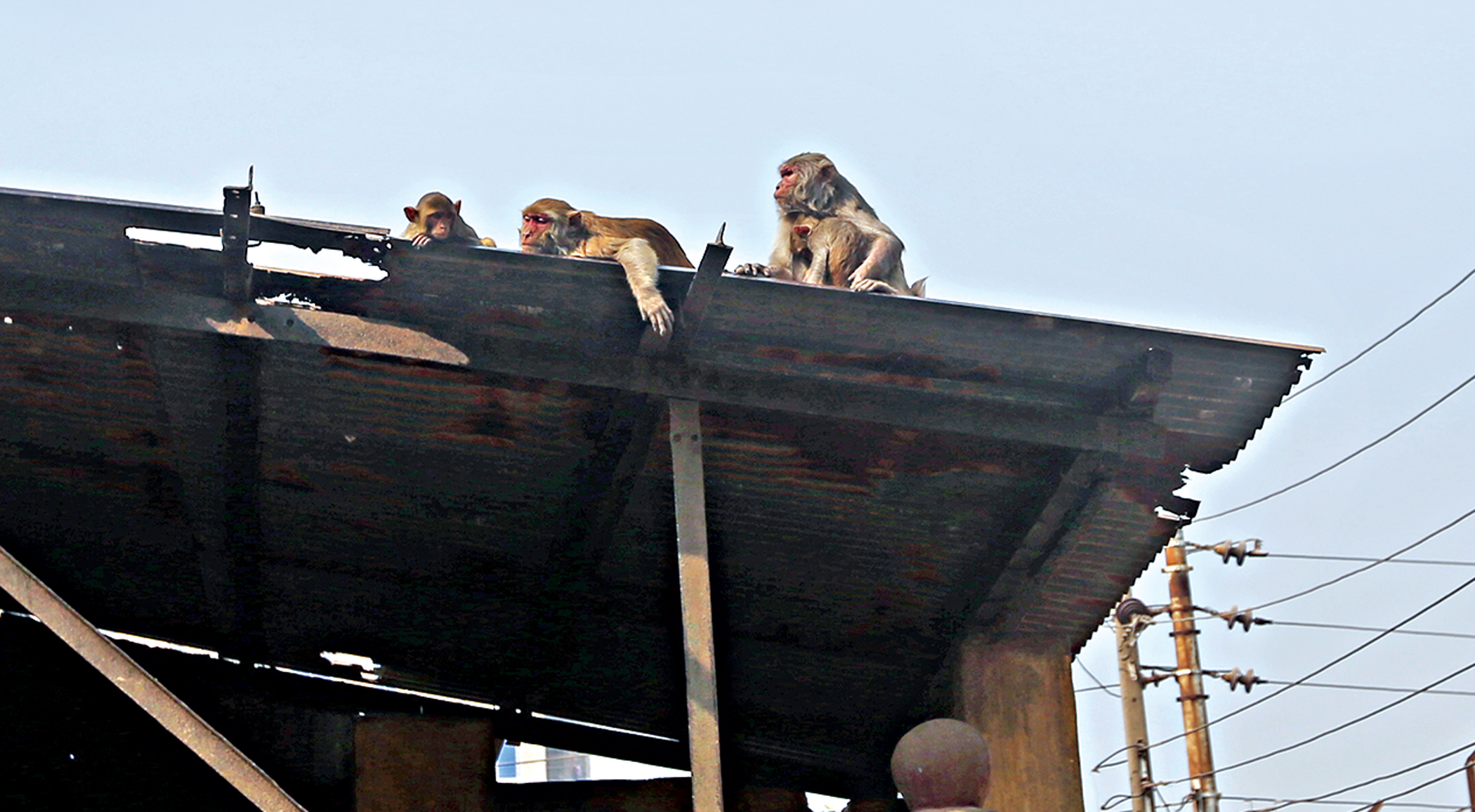
The January morning chill had given the narrow lane of Dinanath Sen Road in Gendaria a lazy and tranquil feel. It is home to Shadhana Aushodhalay, an herbal medicine store in old Dhaka. The building’s longstanding tenants are a complex group of highly social Rhesus macaques, who pay the rent with their majestic camaraderie.
Without a care for the chaotic world around them, these creatures share Dhaka, our polluted, crowded megapolis, with us humans, the selfish lot that rarely cares about the diversity of urban wildlife. Basking in the sun, it was quite surprising to see the frolicking monkeys, because the general perception among residents is that wildlife is scarce and poorly preserved.

That is true to an extent. Yet, interestingly, despite being one of the most densely populated countries on earth, with a staggering 175 million people, Bangladesh still has wildlife. And some people want to protect the last fragments of wild Bangladesh.
The people of Bangladesh need to value the importance of wildlife in its natural habitat. For the first time, an international documentary titled Wild Bangladesh, dedicated solely to the country’s wildlife, is being produced, aiming to inspire ecotourism while promoting the protection of its rich biodiversity.
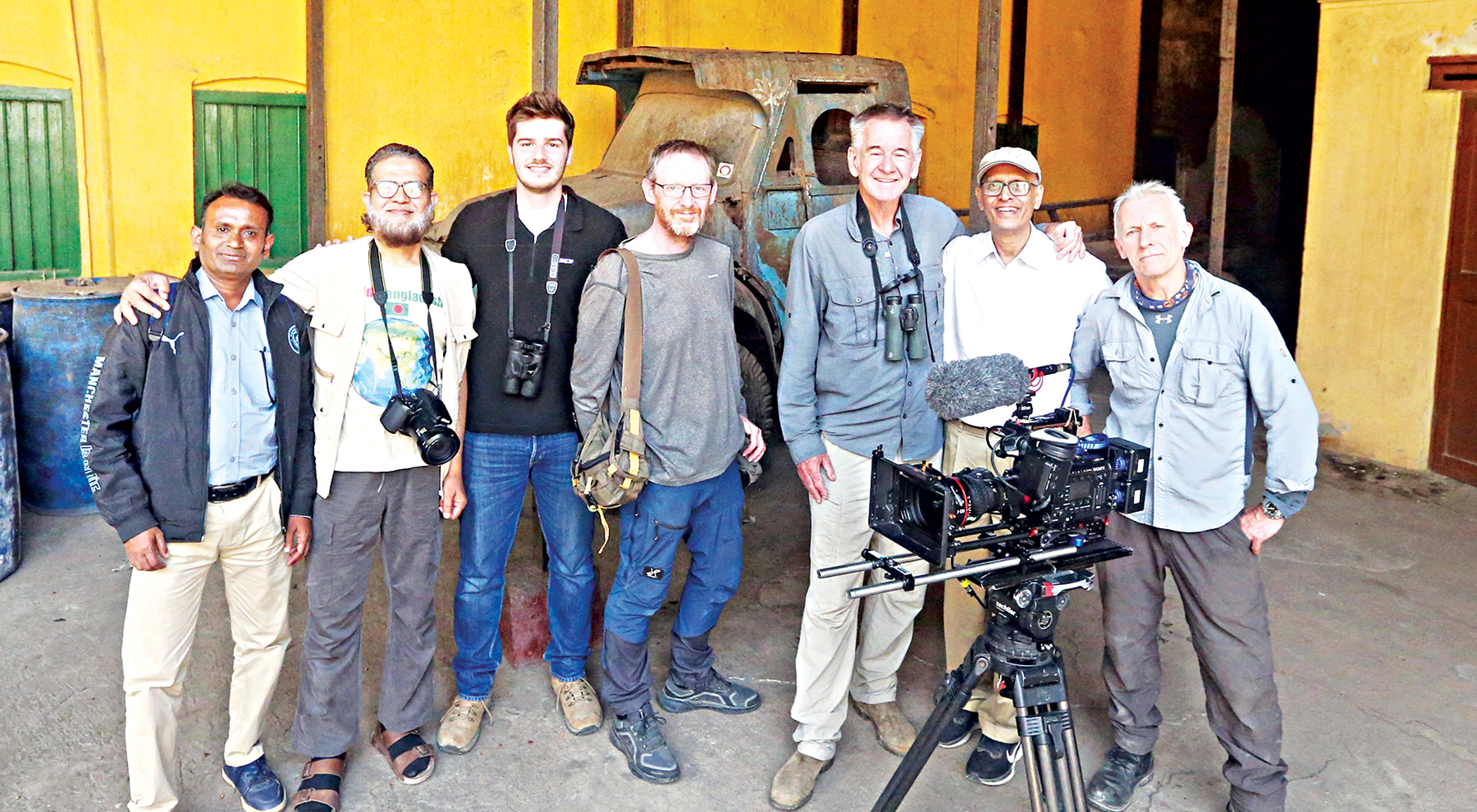
“People won’t protect what they don’t know about. One such consideration is protecting pangolins, one of the most critically endangered animals on earth, and the endangered masked finfoot, a bird once found in India and Thailand but now gone from those countries. Bangladesh is its last stronghold,” says Nigel Alan Marven, the steadfast British naturalist and conservationist impassioned about wildlife in Bangladesh.
“The film highlights Bangladesh’s rich biodiversity and the efforts of passionate locals protecting wildlife. It celebrates wildlife, acknowledges threats, and aims to inspire protection,” Nigel says, reflecting on his experience of working with experts such as Prof Md Anwarul Islam, CEO of WildTeam and former professor and chairman of the Department of Zoology at Dhaka University.
Prof Anwar, one of the coordinators of the film, a Bangladesh-UK joint venture, is optimistic that Wild Bangladesh will promote ecotourism by raising awareness and building emotional connections between wildlife and local communities.
“Communities want to see tangible benefits from conserving wildlife, because nature becomes a low priority when people worry about the cost of living. Conserving wildlife benefits local people economically through ecotourism. The film will showcase the rich biodiversity of the country and tell success stories of how, by engaging communities, Bangladesh’s wildlife and its habitats are conserved.
“In the Sundarbans, where there are reasonable populations of tigers, the Village Tiger Response Team’s role in tiger conservation is one such story. The film will prove how ‘seeing is believing’ is fundamental for both wildlife conservation and ecotourism,” says Anwarul Islam.
URBAN WILDLIFE
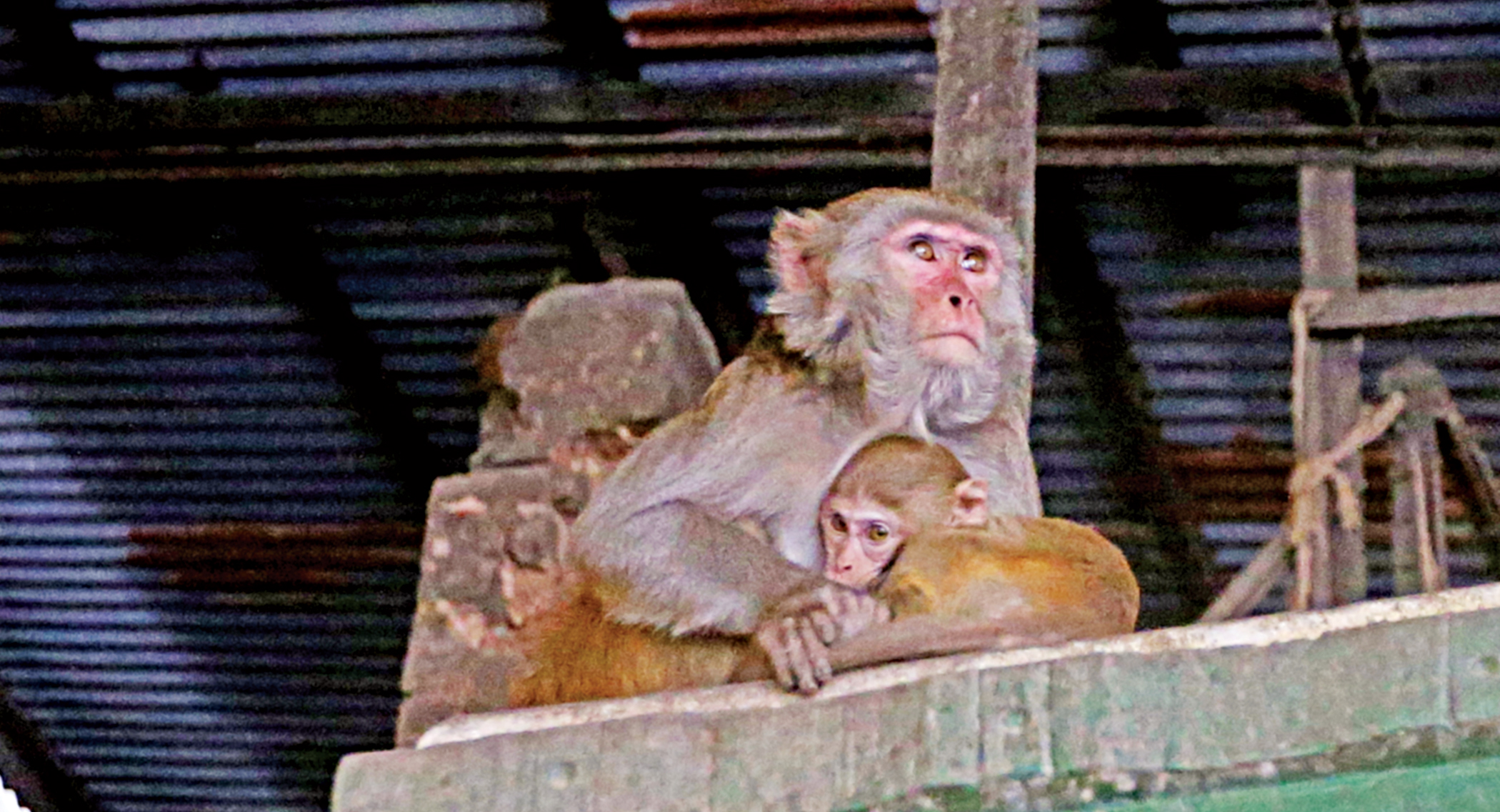
Twenty years ago, Dhaka boasted more wildlife than it does today. Mongooses, for one, were everywhere. Versatile animals such as macaques, mongooses, flying foxes and other creatures are now barely hanging on. Porcupines still exist near the suburbs, but jungle cats, golden jackals and fishing cats can no longer survive in the city centre.
The loss of green spaces and road expansion have removed trees, hampering the existence of urban wildlife. The botanic gardens remain good habitats for birds such as orange-headed thrushes, owls and other colourful species. Fruit bats, or flying foxes, with wingspans of 1.5 metres, still roost there, even though roadside trees have been removed for road expansion. Golden jackals survive on the outskirts, along with small pockets of mongooses and fruit bats, but their numbers are declining. Even adaptable creatures such as macaques are becoming increasingly rare.
There was once a rich population of elephants here, even twenty years ago, but now fewer than 500 remain. Habitat destruction and the refugee influx from Myanmar have worsened the situation. Bangladesh is doing a commendable job helping refugees, but forests are being cut down to accommodate them.
“There is, however, a sanctuary effort. A friend rescued an elephant from a circus; she’s now 25 years old and living in tea plantations. The sanctuary aims to take in elephants from circuses or from Dhaka so they can live in relative contentment. Collective action could protect them. It’s possible, as shown by Singapore, where urban otters live in the city centre thanks to protected waterways,” Nigel notes.
Protecting green spaces is key. If we do not protect them, Dhaka will become lifeless. The bottom line is that Dhaka must preserve its remaining gardens, greenery, green corridors, rough grasslands and patches of trees so that city animals can survive.
It used to be a city of parks, but as one of the fastest-growing megacities in the world, green spaces are disappearing. Bangladesh faces stiff challenges from refugees and climate change, particularly rising sea levels. These issues must also be considered.
ECOTOURISM AND ITS PROSPECTS
 For all latest news, follow The Daily Star's Google News channel.
 Ecotourism, though still largely untested, is becoming increasingly important in Bangladesh. With the documentary presenting the country’s varied and colourful wildlife and creating awareness, ecotourism may bring positive benefits.
It helps people realise that wildlife is more valuable alive than dead and provides income opportunities. The challenge, however, is that it must be managed carefully. If countries such as Costa Rica can show how successful ecotourism can be, it can work here too.
For tourists on short stays in Dhaka, the Botanical Garden can be a superb choice, with flying foxes hanging from trees and many bird species in the bamboo groves. The real potential of ecotourism, however, lies in Lawachara and Satchari National Parks, as well as the Sundarbans.
Forest reserves or preserved patches can charge entry fees for birdwatching and wildlife viewing. At least ten people Nigel knows have visited Bangladesh to see rare birds found nowhere else.
Young Bangladeshis are already guiding birdwatchers. Haris Deb Barma in Satchari, for example, earns his living as a bird guide, showing visitors species in the Satchari and Lawachara reserves.
“You can see Hoolock gibbons there. Bangladesh has ten species of primates, many of which are found in those parks. They are also excellent for birdwatching, with special ponds excavated so birds come to drink,” Nigel notes.
Bangladeshis are working to protect turtles, stop overfishing and conserve forest patches with pangolins. Turtles are being reintroduced into the wild after being bred in captivity to boost populations. In Lawachara Reserve, rangers are being trained to protect rare species such as the elongated tortoise from poaching and trade.
“It was amazing to learn that most of the Sundarbans is in Bangladesh. I thought it was in India. We saw children singing about the Sundarbans and its importance. We filmed honey collection there. Infrastructure is a challenge. Foreigners visiting Rangamati or the Sundarbans need proper accommodation. In the Sundarbans, tourists stay on comfortable live-aboard boats. There are nice hotels if you know where to look, especially with local experts like Professor Anwar,” Nigel says, outlining an eco-visit to Bangladesh.
Mahfuz Russel, a passionate environmentalist and founder and executive director of the Pittachhara Forest and Biodiversity Conservation Initiative in East Khedachara, Matiranga, Khagrachhari, has been working to set up ecotourism initiatives to preserve rainforest patches. He is doing a formidable job of recovering and regenerating the habitat of Pittachhara Forest.
“Russel has valuable ideas about how ecotourism could develop in Bangladesh. The country lacks infrastructure now, but with strategically placed eco-lodges and accommodation, it could work well and contribute to habitat protection.
“There’s still hope. The documentary celebrates wildlife. Of course, we touch on the problems animals face, but it’s a starting point. Hopefully, people will watch it, realise what’s still in the country, and do their utmost to protect it.” Nigel remains optimistic.
Photo: Firoz Ahmed
Comments