


Russia's move could secure nuclear deal
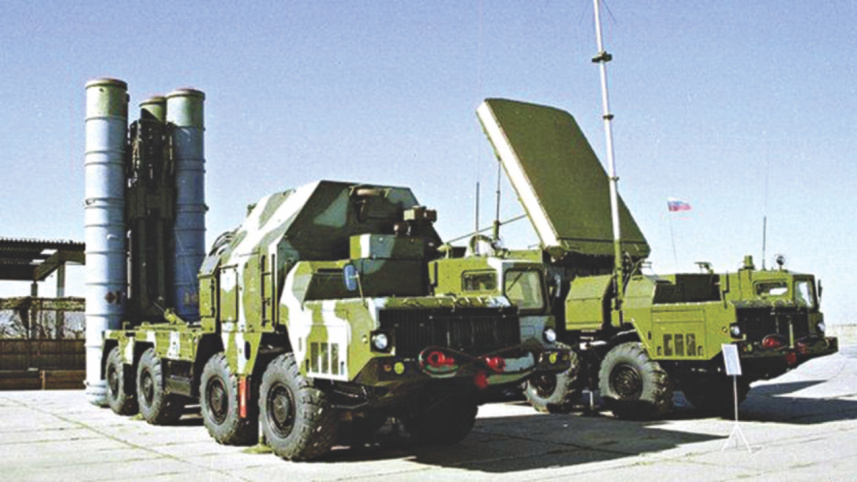
Russia's decision to supply Iran with the S-300 missile air defence system was seen by critics in Israel and the United States as proof this month's framework nuclear agreement was already making Tehran more of a threat.
But some experts said the controversial move could make it difficult for Iran's enemies to propose air strikes against its nuclear facilities, thus bolstering the case for a diplomatic solution.

"The goal of the Russians is certainly not to help out the West, but nor do they want to see a nuclear Iran," said Francois Heisbourg, chairman of the Geneva Centre for Security Policy.
"This S-300 deal could be a way of ensuring Tehran stays in line with the negotiations."
The announcement serves two purposes -- demonstrating to Tehran the advantages of sticking with the nuclear talks, while also making military alternatives more difficult for its opponents, said Jeremy Binnie, Middle East editor of IHS Jane's Defence Weekly in London.
"It is a carrot to Iran. But it is also a stick against US and Israeli officials who say the military option is still on the table," he said.
Israel and many US officials, particularly among the Republicans, have opposed the nuclear accord, saying air strikes are the only way to prevent Iran getting the bomb.
Iran currently lacks the sort of sophisticated air defences that could take down modern fighter planes.
The capabilities of the S-300 are not fully known and have yet to be tested in a real-world combat situation.
"We are talking about the really dark arts of air defence here," said Binnie.
But the S-300 would be a major upgrade of the country's defences, and the updated V-series being offered by Russia will also allow Iran to intercept missiles fired by regional foes such as Saudi Arabia.
It may not be a match for the latest US planes, said Andrey Bablitskiy, from the PIR think tank in Moscow, "but they could make an operation more costly and make them think twice".
 For all latest news, follow The Daily Star's Google News channel.
Comments