


Beyond the clutter: Understanding hoarding disorder
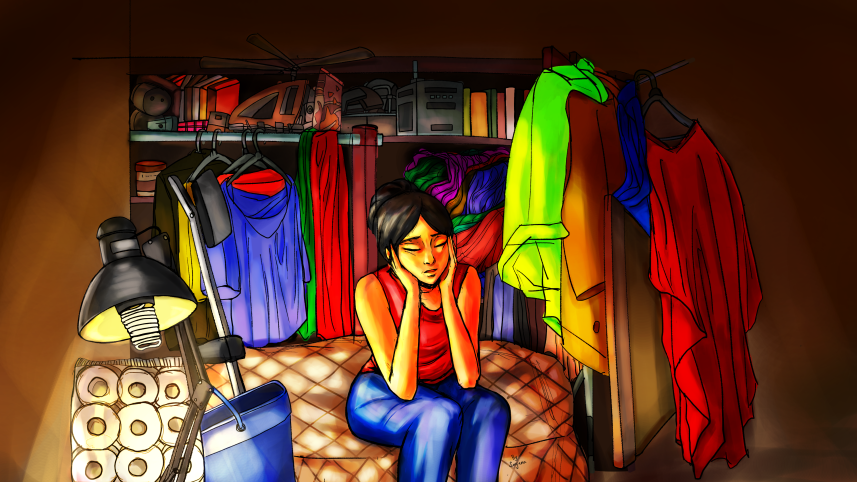
There is a particular discomfort that arises when we encounter disorder. It’s not the everyday kind, like an unmade bed or a cluttered desk; it is a deeper, more persistent chaos that resists being tidied away.
Our instinctive response is often judgment. We ask why someone would live like this, why they would not simply clean up, and why they would allow things to spiral so visibly out of control. Through this lens, a messy space is judged as careless, and a clean one as responsible.

Hoarding disorder is often mistaken for irresponsibility, but it is actually a complex condition rooted in anxiety, trauma, and fear of loss. It is not just about clutter but also the distress of discarding possessions, something our language around “mess” rarely acknowledges.
In South Asian households, this misunderstanding is further complicated by culture. Accumulation is often normalised, even encouraged. Old clothes are saved for future use, broken electronics are stored with the promise of repair, and containers are placed inside other containers because throwing them away feels wasteful, almost immoral.
“One day, it might be useful” is a philosophy moulded by histories of scarcity and survival. Within this context, the line between habit and harm becomes difficult to draw. What feels practical often masks emotional distress, and what looks like caution can actually be compulsion. Hoarding disorder often remains invisible within families for this very reason, absorbed into everyday domestic logic until it becomes impossible to ignore.
When the disorder does surface, the response can often be an intervention without understanding. Ultimatums replace conversation when forced clean-ups are framed as solutions. Shame wears the deceptive mask of concern. Yet, research consistently shows that removing possessions without consent can intensify anxiety and reinforce the very behaviours families hope to eliminate.
Without addressing the emotional attachment underlying the disorder, the clutter returns. What lingers most is not relief, but humiliation. Hoarding disorder is one of the hardest mental illnesses to treat precisely because insight is often limited and shame runs deep. Admitting the need for help requires vulnerability, something our achievement-driven, appearance-conscious culture does not readily permit yet.
Empathy is even scarcer in the digital age. On social media, hoarding disorder has been transformed into content. Platforms like TikTok are saturated with “CleanTok” videos documenting dramatic home clean-outs, complete with time-lapse footage and triumphant reveals.
These videos generate millions of views, offering audiences a sense of catharsis through visual transformation. What they rarely offer is context. The psychological aftermath is almost never shown. Recovery is rarely mentioned, and it is reduced to labelled bins and colour-coded drawers. In turning hoarding disorder into spectacle, the internet flattens mess as entertainment and healing as aesthetic satisfaction.
This portrayal reinforces a dangerous narrative that curing mental illness should be quick, visible, and visually pleasing. That if someone truly wanted to change, they would. That disorder is a choice.
For young audiences already navigating a culture of comparison and perfectionism, these messages are particularly harmful. They suggest that recovery must be productive, orderly, and publicly legible. There is little room for slow progress, emotional contradiction, or relapse.
Hoarding disorder is either dismissed as laziness or absorbed into cultural habits until it becomes unmentionable. Women, especially, bear disproportionate blame for domestic disorder, held responsible for untidy spaces without recognition of emotional labour or psychological strain.
Perhaps this is why hoarding disorder remains so poorly understood. It does not announce itself dramatically. It accumulates quietly, room by room, object by object, until it becomes easier to look away than to ask uncomfortable questions. Understanding it requires us to recognise that mess is not always laziness and cleanliness is not always virtue.
Healing is rarely cinematic and does not lend itself neatly to viral clips. But if conversations about mental health are to be meaningful rather than performative, they must make space for conditions that are slow, uncomfortable, and resistant to easy solutions. Sometimes what looks like clutter is grief; what looks like disorder is fear. And sometimes, holding onto things is simply the only way someone knows how to feel safe.
References:
1. American Psychiatric Association (2022). Diagnostic and Statistical Manual of Mental Disorders, 5th Edition, Text Revision.
2. Harvard Health Publishing (2024). Hoarding: What to Know About This Mental Health Disorder.
3. International OCD Foundation (2023). Understanding Hoarding Disorder.
Zara Zubayer is a half-pianist, occasional grandma (she knits), and collector of instruments she never learns. Suggest a new hobby she won’t commit to at zarazubayer1@gmail.com
 For all latest news, follow The Daily Star's Google News channel.
Comments