


Shackled to its tone: Project Hail Mary falls short despite its charm
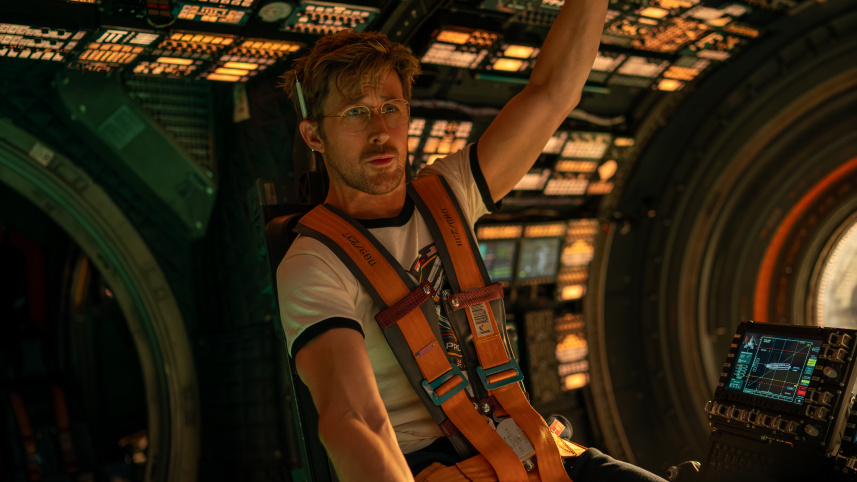
Project Hail Mary has been widely praised for its optimism, for being "hopecore", and there’s undeniably plenty here that is fun. It’s lively and carried by an effortlessly charismatic Ryan Gosling. It follows Ryland Grace, who wakes up alone in space with no memory of how he got there, only to slowly realise he’s on a mission to stop the sun from dying and wreaking havoc on life on Earth. The film is engineered to please, and for long stretches, it succeeds.
But that very impulse to constantly please, to keep things breezy, becomes its biggest limitation.

The film feels locked into its own tonal box. It insists on being "fun" even when the narrative often demands something heavier. When Grace first encounters an alien spacecraft, the film rushes to avoid any real sense of awe or terror. Instead of a moment of brief existential rupture, it becomes just another beat in a buoyant rhythm. It plays like a subversion of the first-contact trope, but ends up robbing both Grace and the audience of a rollercoaster of emotions.
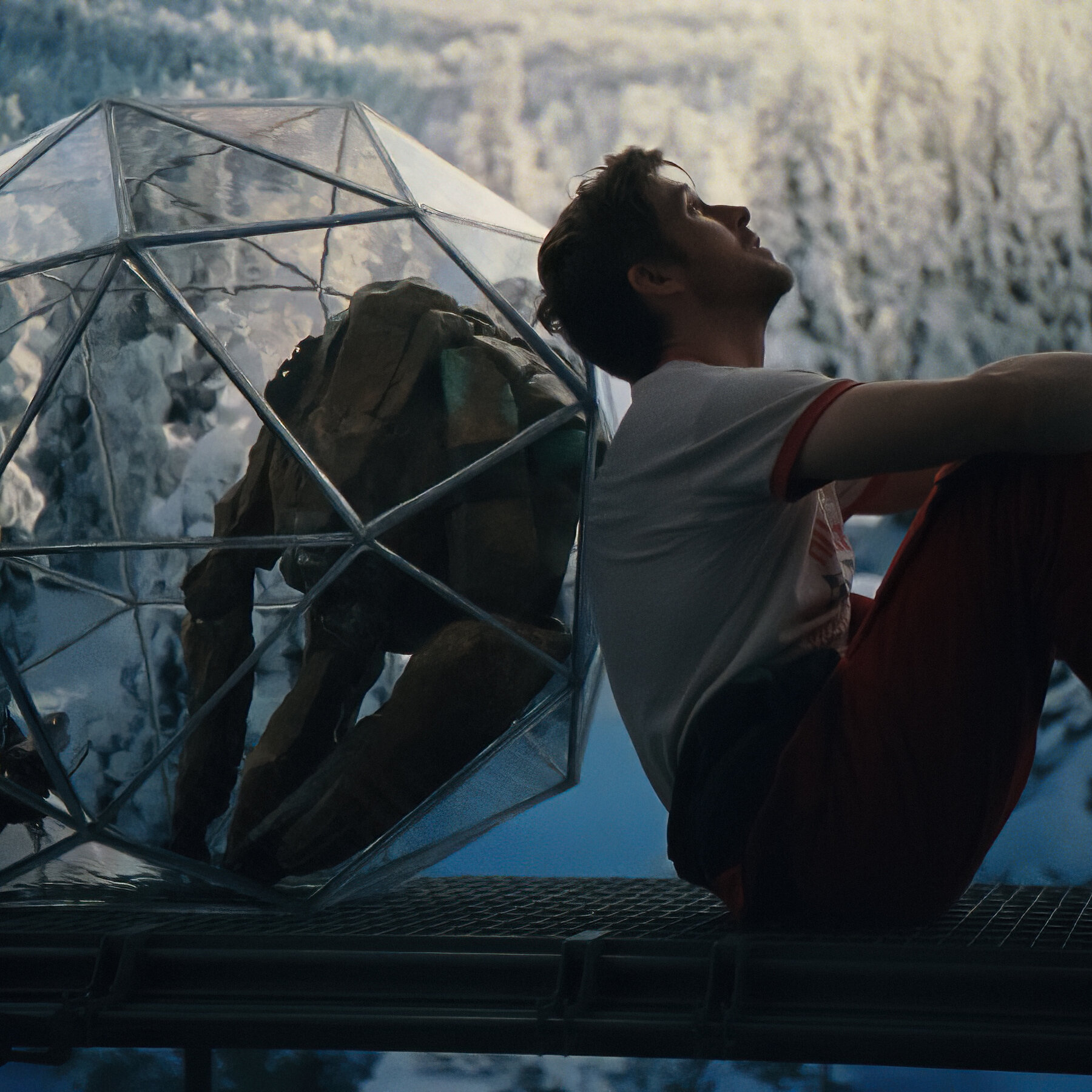
One could argue that Grace’s constant quipping reveals his character, but the film rarely looks beneath the surface. He often feels faintly aware of the audience watching him. When authentic human emotions are sacrificed for the sake of maintaining a "safe" tone, immersion falters.
The fragmented flashbacks seem untethered to sensory triggers or internal struggle, which might have worked as non-linear storytelling. But because Grace’s amnesia is initially framed with high stakes, the film’s failure to clarify what he gradually remembers versus what is being told to us creates a disconnect between his journey and the viewer.
The film’s most compelling narrative choice is the revelation of why Grace took on this self-sacrificing mission, a brilliant subversion of the reluctant hero archetype. The relationship between Grace and his alien buddy, Rocky, is the heart of the story, and it mostly works. However, if a story hinges on a bond, that bond needs more meat to it than banter. It needs evolution that reveals deeper dimensions of each character beyond anecdotes, without which the emotional payoffs feel muted. This also manifests as a pacing issue. Exceeding two and a half hours, the film doesn't deepen the inquiry of its central dynamic enough to justify its length.

In one sequence, as they approach a giant planet made of swirling green gas, there’s a moment of genuine wonder. Yet, the awe is undercut with self-awareness. Rocky asks what Grace is doing, and Grace replies, “Having a moment." It's almost like the film is afraid to let any emotion linger other than levity.
In contrast, Mad Max: Fury Road is also a film about hope, friendship, and redemption in a decaying world. But its climax hits with such catharsis because it allows its characters to move through a full emotional spectrum. The movie is funny, dire, absurd, epic, and introspective at the right times without sacrificing one for the other.
Project Hail Mary has its share of emotional peaks and valleys, but they feel like checked narrative boxes rather than earned milestones. The film is reluctant to sit with its darker moments, patting the audience on the head as if to say, "Don't be too sad, everything will be fine. Here's a joke." Gosling sheds tears (he’s an incredible crier), and composer Daniel Pemberton’s score soars (the Spider-Verse films are proof of his talent), but these elements feel like all-too-visible hands of storytellers trying to pull at heartstrings.
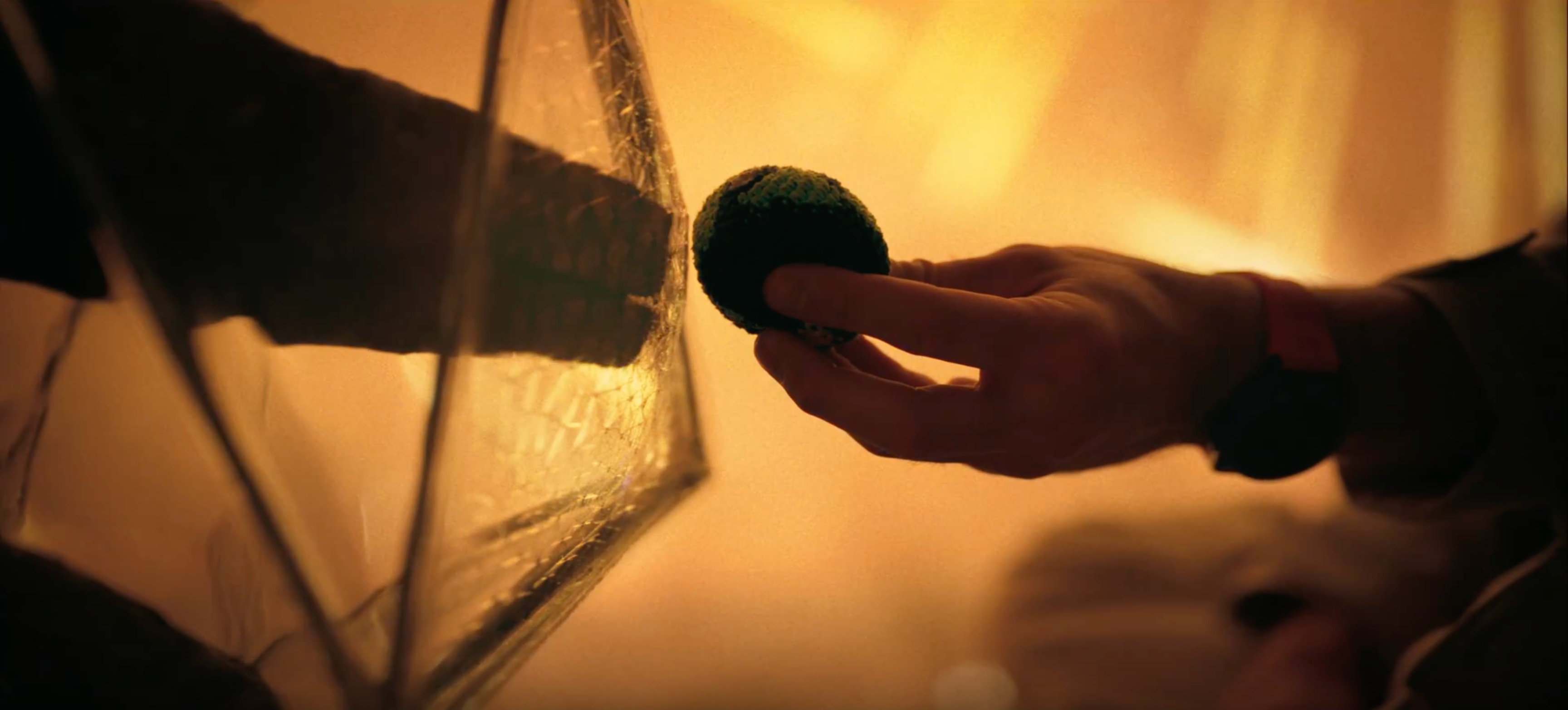
There is nothing wrong with a spacefaring buddy comedy being just fun. But when a story places characters in situations that demand a deeper interrogation of theme and psyche, honouring those needs doesn’t mean shifting into "doom and gloom". It simply means emotional honesty, which provides fuel for a story’s eventual triumphs. Without it, grand gestures of sacrifice, swelling music, and cosmic imagery become mere shorthand to conjure awe out of thin air.
The film attempts to paint hope on a vast, colourful canvas – centring on two species saving each other through friendship. Yet hope resonates most profoundly when it emerges from a genuine confrontation with the depths of despair.
Interstellar’s docking sequence—and the movie as a whole—is a gripping depiction of the indomitable human spirit because the preceding chunk of the film didn't shy away from characters butting heads and wallowing in despair. Project Hail Mary has its versions of those sequences, but without deeper access to its characters or fully reckoning with its stakes, they never quite land.
What remains is a film that is funny and charming, with a brilliantly designed alien and a delightful Ryan Gosling wrapped in beautiful sweaters, but ultimately one with not much else to latch onto.
Miazee Abrar drowns in daydreams and writes stories for worms.
 For all latest news, follow The Daily Star's Google News channel.
Comments