


Witchwave: The sound of digital dissociation
The twilight sky is a beautiful mess—a bleeding of dusty rose and soft magenta slowly choked by a velvety navy blue—when you stumble alone upon a forgotten churchyard, where the cathedral stands not as a house of worship but as a hollowed carcass of stone. Here, the headstones lean at impossible, jagged angles, as if the earth itself has grown weary of holding the dead. The only sound is the rhythmic, discordant croak of nocturnal birds from distant half-dead trees.
Shift the perspective to modern sprawl, and the occult melancholy and weariness remain chillingly consistent. From your lonely balcony, the world beyond has been drained of colour, reduced to the sickly, flickering amber of distant streetlights struggling against the rain. The city is a monolith of wet, grey concrete, exhaling a cold mist that blurs the jagged edges of the surrounding high-rises.
In both scenes, the feeling is identical: a stalled, claustrophobic silence born from dissociation itself. Witchwave transforms that feeling into sound.
“Witchwave” is less a fixed genre and more an umbrella term that dissolves into adjacent microgenres—witch house, dark wave, dream pop, and other fragments of electronic sounds. At its core, what unites them is not a specific sound but a shared internet-born emotion.
Structurally, witchwave refuses the logic of conventional music: there is no arc, no earned resolution, no satisfying release—only instrumental loops that cycle until time starts feeling less linear and more trance-like. This refusal extends into the production itself: synthesisers are stretched and compressed into texture, reverb makes vocals sink into near-unintelligibility as if dissolving into space, and compression and distortion artefacts are left deliberately intact. The result is music that sounds less like a recording and more like a memory—imprecise, atmospheric, and heard as though through a wall.
This is where witchwave becomes strangely intimate. Unlike polished pop music, which carefully shapes sound into a clear beginning and end with some catchy verses sprinkled in between, witchwave avoids closure. Lyrically, the genre returns to the same emotional wreck: isolation, emotional numbness, nostalgia untethered from any specific past, and a persistent sense of existential dislocation. In doing so, it achieves something that pop rarely does: it sounds like an actual interior life, as if late-night consciousness has finally found a voice.
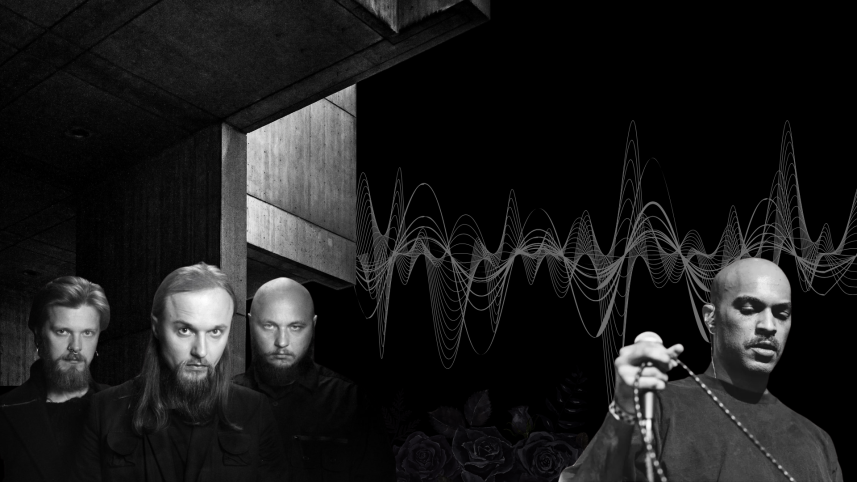
The artists associated with this space arrive at the same emotional coordinates through entirely different routes. Snow Strippers and Suicide Idol weaponise hyperpop excess—hedonism cranked so high it short-circuits; dissociation achieved not through emptiness but through overload. Crystal Castles and Mr.Kitty draw from darker electronic traditions, using fractured synths and industrial cold to produce emotional collapse as texture. Molchat Doma sounds like bleak concrete made audible—post-punk restraint and brutalist geography turned into a feeling of urban psychic weight. Pastel Ghost and Mareuxdrift into dream pop, their atmospheres gauzy and half-dissolved. The methods are entirely unlike each other. But each one deposits the listener in the same place.

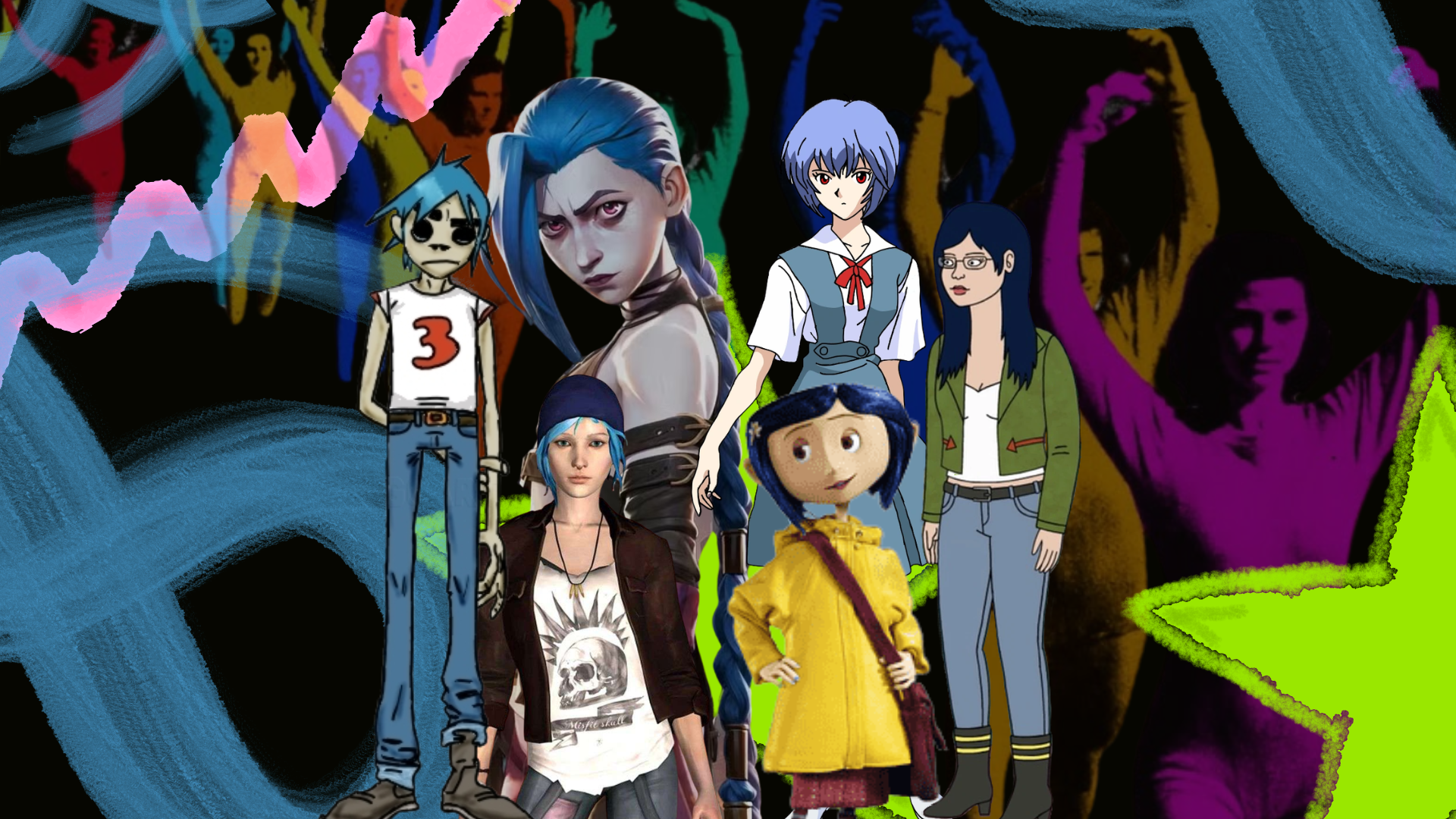
But why does it feel so specific now? Because witchwave was not created outside contemporary digital life—it emerged inside it, and it reflects its structure. The doomscrolling feed has already trained us to experience time as non-linear, a present moment perpetually interrupted by myriads of other moments—viral grief immediately scrolled and replaced by a silly cat video; nostalgic edits of gothic castles and supernatural landscapes; algorithmic fearmongering about the future—predictions of economic collapse, climate catastrophe, and the imminent replacement of human labour by machines.
The result is a strange emotional state. We are constantly suspended between past and future, reality and imagination, presence and absence. Concepts like liminality—the feeling of being stuck between states—and anemoia—a nostalgia for a past you never lived—come closest to describing it. The listener of witchwave does not recognise the music because it explains these feelings. They recognise it because they already live inside them.
But more than anything, witchwave is a feeling that resists explanation until it is heard. If you want to understand it, not as a concept but as an atmosphere, you listen—start with a track like Crystal Castles’ Crimewave, or the dreamlike haze of Pastel Ghost’s Beach House. Not because they define witchwave, but because they let you feel what it is trying to describe.
Mueen Walee Maheer is an aspiring polymath who is currently a master of none but a fan of many. Send him a new obsession at mueenwaleemaheer@gmail.com
 For all latest news, follow The Daily Star's Google News channel.
Comments