


Small businesses that female literary characters would bring to an Eid mela
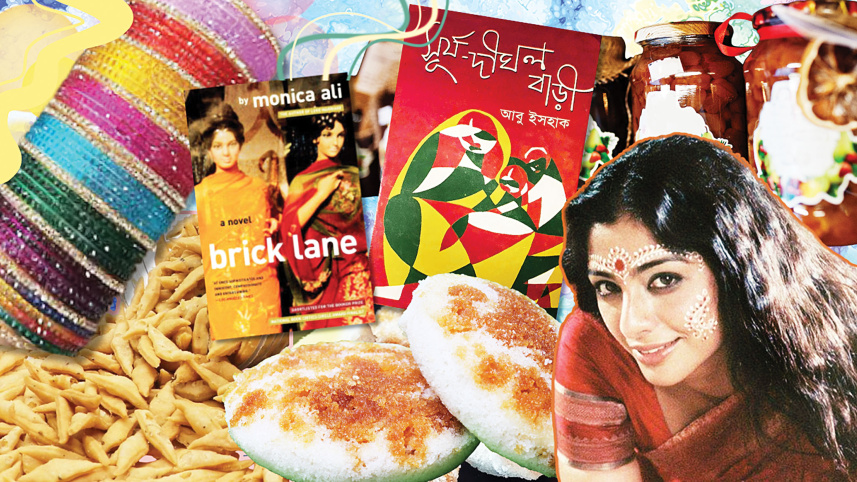
Strings of light stretch across the streets, storefronts glow a little brighter than usual, and the air seems to carry the quiet excitement of Eid drawing near. All across the city, there are melas at nearly every corner. Even if you had no plans to go, the endless stream of photos and videos is enough to give anyone a serious case of FOMO. Somewhere between the excitement and the indecision about which mela to visit and what to buy, one cannot help but admire the women behind these ventures. Seeing so many thoughtful, creative businesses come alive makes it exciting to imagine what our literary women might have brought to the Eid mela scene.

A woman might come for achar and leave with an infused oil and strict instructions on how to warm it. A tired college student would buy tea masala and leave with balm tucked into the bag, as though the stall itself had noticed the shadows under her eyes. That is what would make her corner impossible to forget. It would feel like being read.
Ashima Ganguli from The Namesake by Jhumpa Lahiri (2003)
Steam would gather first on the inside of steel lids, then on people’s memories. Fried onions darkening at the edges, roasted jeera, cardamom cracked open, ghee warming somewhere just out of sight. Her stall would be full of things that look simple until you look closer. Jars of homemade snacks sealed with care. Spice blends packaged in small paper packets. Slim recipe booklets tucked between trays, holding dishes people learn only in kitchens where someone always says, “a little more of this.” There would be gift boxes packed for students in hostels, newly married couples, and relatives abroad. Small cards tied to some of them, saying what to serve when guests arrive unannounced, what tastes best with evening tea, what to make when homesickness becomes louder than hunger. Ashima would not only be feeding people but arranging memories neatly enough to carry home in a bag.
Joygun from Surjo Dighol Bari by Abu Ishaque (1955)
Her stall would be the one people circle back to after all the walking and calculating. No glittering signboard, no shelves pretending abundance. Just things laid out with the kind of order that comes from knowing every item must earn its place. Small, thoughtful bundles made for people who need things to work. An iftar pack of two peyajus, two begunis, and a handful of chola, handed over in a simple leaf plate. A dry breakfast pack of muri, chira, and gur for the next morning. Fresh bhapa pitha for anyone craving warmth on the spot, but also ready-to-steam pitha bundles with rice flour and coconut-molasses filling so customers can take them home and make more with little effort. For children, tiny packets of batasha, nimki, and roasted nuts still make room for a little joy. Handwritten notes might lean against a few items. Best when one meal has to stretch into two: saves both fuel and time. That would be the real intelligence of Joygun’s corner. It would understand the consumer before they need to explain themselves: the mother who wants the table to feel festive but is counting every taka in her head, the family that cannot afford extravagance and still refuses to let the day look bare.
Nazneen from Brick Lane by Monica Ali (2003)
Nothing on her racks would begin where it ended. That would be the first thing. A tote bag cut from an old saree’s achol. A blouse whose sleeves clearly belonged to another orna once. Blankets pieced together from softened cotton scraps that still remember their previous life. Even the prettiest things at her stall would carry a history stitched into them somewhere. You could imagine women standing in front of the display and suddenly recognising a familiar print, the kind that once lived in mothers’ wardrobes and old trunks. Off to one side would be the busiest corner of all, a small table where people bring worn-out clothes and ask if they can be turned into cushion covers, patchwork potlis, a child’s frock, a new tote. Someone might be choosing scraps for a custom bag, pressing two pieces together, changing her mind. She knows what it means to live inside something already cut out for her and still, slowly, patiently, make room within it. Nothing at her stall would be discarded too easily.
Tilo from The Mistress of Spices by Chitra Banerjee Divakaruni (1997)
Rows of spices would catch the light like little omens. Reds, ochres, deep browns, green flecks caught in glass. Nearby, achars would glow jewel-bright in jars, oils steep with herbs, and small tins of balm wait among folded paper packets tied with thread. Instead of neat cards saying turmeric or cloves, there would be notes that sound almost like secrets. For restless sleep. For heaviness after long afternoons. For kitchens that need better luck. People would arrive thinking they wanted one thing and leave with another, because Tilo is not the sort of seller who simply hands over what was asked for. She would watch a customer hesitate between two jars and already know which belongs in her hand. A woman might come for achar and leave with an infused oil and strict instructions on how to warm it. A tired college student would buy tea masala and leave with balm tucked into the bag, as though the stall itself had noticed the shadows under her eyes. That is what would make her corner impossible to forget. It would feel like being read.
Deepa from Satkahon by Samaresh Majumdar (1989)
A knot of students would always be gathered there, trying not to look too invested. One flipping through planners and trying to act casual. Another testing three pens with far too much seriousness. Two more bent over a stack of notebooks, arguing over which cover looks more like someone who has their life together. Planners with proper monthly grids. Folders for certificates and exam papers. Desk organisers, sticky notes, study lamps, candles for nights when the power goes out but the work does not stop. But that would only be half of it. Scholarship lists tucked into clear sleeves. Interview prep cards. Somewhere in the middle of it all, Deepa herself answers the questions young people do not always know where to take. Which subject leads where. Whether one bad result ruins everything. What to do if money is tight. How to begin. She would never run a stall that treats ambition like a cute accessory. Hers would be the kind of place where someone comes to buy a notebook and leaves feeling a little less embarrassed by how badly they want more from life.
Agnila Roy is slightly offended that exams arrived at the same time as the melas. Send her your favourite startup story at agnilaroyy@gmail.com while she misses them all.
 For all latest news, follow The Daily Star's Google News channel.
Comments