


Middle East war challenges and opportunities for Bangladesh
There is no denying that any war between two or more nations carries a huge financial cost, apart from human casualties, including deaths, partial and permanent disabilities, loss of property and damage to infrastructure and strategic installations. It becomes particularly tragic when civilians are targeted, whether deliberately or accidentally. Over the past few decades, the Iran-Iraq war, the Kuwait war, the Russia-Ukraine war and the relentless bombing in Gaza have demonstrated the devastating consequences of conflict, with the global economy suffering significantly. The recent US-Israel attack on Iran is a serious development that is reshaping the geopolitical landscape of the Middle East and gradually affecting the wider world. Many Middle Eastern and Gulf countries are exposed to the risks of escalation because of the presence of US military bases. Unfortunately, there is no visible sign of a ceasefire. In recent years, increasing migration of Israeli citizens, mostly to Europe, has created economic and social pressures there. At this stage, it is unclear where the global political and economic order is heading.
Like many other countries, Bangladesh is feeling the strain, even as it seeks to steer a damaged economy towards stability and prosperity. A large number of non-resident Bangladeshis work in the Middle East, which is the second largest source of foreign exchange earnings. If businesses in the region close or suffer financial hardship, many workers may lose their jobs in the short term. Economic priorities in Middle Eastern countries could shift sharply. Unless the conflict takes a different turn, several Gulf states may face heavy financial burdens linked to US war spending.

At the same time, uncertainty over fuel supplies from the Middle East has made the global economy more vulnerable. The cost of goods and transport has already begun to rise, with little sign of easing. Countries with fragile economies and modest growth are being hit hard, and Bangladesh is among them. These are the direct impacts.
Bangladesh’s main export earnings come from the readymade garments sector, with North America and Europe as key markets. There is growing concern that the world economy is moving towards recession. If that happens, demand for Bangladeshi exports is likely to fall, reducing export volumes and earnings.
Pressure from foreign debt repayments will be another crucial challenge. The release of committed funds is becoming more difficult if debt covenants are not fully met. Existing foreign loans are already high relative to repayment capacity. Even new loans on concessional terms would add to future repayment obligations and increase financial strain.
Yet within this difficult situation lies opportunity. Middle Eastern and Gulf countries may need large-scale rehabilitation and reconstruction projects. Bangladeshi workers in the Middle East, Malaysia and Singapore have proved themselves hard working, loyal and skilled, particularly in construction.
Alongside skilled workers, there will also be demand for semi-skilled and unskilled labour. Bangladeshi construction firms could also find scope to expand their operations. Some oil-rich Middle Eastern countries may be reluctant to favour allies of Israel in awarding contracts, potentially diverting jobs and business to others. Bangladesh’s prospects will depend on how efficiently and strategically the government acts, and how effectively it manages diplomatic relations.
The world appears to be passing through a dark and uncertain period. It is difficult to say when clarity will emerge. Bangladesh must remain cautious and pragmatic, managing its limited resources wisely. Any misguided decision could prove costly, and economic growth could suffer further setbacks.
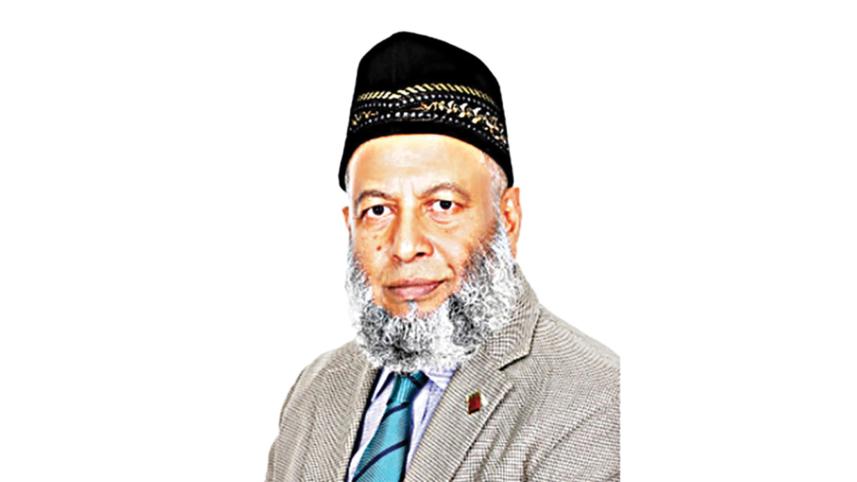
The writer is a senior partner of Hoda Vasi Chowdhury & Co and a past president of ICAB
 For all latest news, follow The Daily Star's Google News channel.
Comments