


Turning leather waste into economic value
Bangladesh’s leather sector is widely recognised as one of the country’s key export industries. Yet beneath this success lies a largely overlooked reality: a significant portion of the industry’s material flow ends up as low-value or hazardous waste despite being rich in recoverable resources such as collagen, proteins, fats, fibres and chromium compounds. Millions of hides processed annually generate tens of thousands of tonnes of tannery solid waste that remains largely underutilised. This waste stream is not merely a disposal burden but a continuous supply of valuable raw materials capable of supporting high-value industries.
In many developed economies, similar by-products are integrated into profitable secondary industries, forming the foundation of circular bioeconomies. In Bangladesh, however, these materials remain fragmented, informally handled and largely excluded from mainstream industrial planning. As a result, opportunities for value addition, import substitution and industrial diversification remain untapped. A key concern is the country’s growing dependence on imported products that could potentially be produced domestically from tannery waste, including collagen peptides, pharmaceutical-grade gelatine, cosmetic ingredients, organic fertilisers and biodiesel feedstocks. This reliance causes a continuous outflow of foreign currency and exposes the economy to external price volatility. At the same time, Bangladesh exports comparatively low-value semi-processed leather. Developing a domestic tannery waste valorisation industry would help substitute imports with local production and strengthen economic self-reliance.

The environmental situation is also becoming increasingly critical. Recent assessments indicate that more than 8.5 million hides and skins processed annually generate around 30,500 tonnes of tannery solid waste, including fleshing, trimmings, chrome shaving dust, buffing dust and leather scraps. With improved environmental compliance and certifications such as Leather Working Group (LWG) approval, tannery utilisation at Savar could rise from 30-40 percent to 90-95 percent. While this would improve export competitiveness, it would also increase waste generation to 60,000-90,000 tonnes a year. This expansion carries major climate implications. Organic tannery waste decomposes under anaerobic conditions in landfills, releasing methane, a greenhouse gas far more potent than carbon dioxide. Without intervention, emissions will increase significantly as production scales up.
Environmental impacts extend beyond greenhouse gases. Leachate from decomposing waste contaminates soil and groundwater, threatening water safety and reducing agricultural productivity. Chromium-containing waste, particularly shaving dust and wet-blue trimmings, poses additional risks through improper handling and unethical use in poultry and fish feed. Open dumping contributes to air pollution, foul odours and public health concerns around industrial zones such as Savar. Despite these challenges, tannery waste presents a strong opportunity for integration into global high-value markets. Demand for bio-based products is expanding rapidly in cosmetics, pharmaceuticals, renewable energy, sustainable materials and agriculture. Collagen-based products alone represent a multi-billion-dollar global industry.
Formal recognition of tannery waste valorisation as an independent industrial sector is therefore essential. At present, it exists without dedicated policy support, industrial classification or investment frameworks. Proper recognition would enable structured development, policy incentives and improved access to financing, strengthening Bangladesh’s transition towards a circular economy. The sector also offers strong potential for private investment across bio-refineries, renewable energy plants, biochemical processing, pharmaceutical and cosmetic intermediates, and organic fertiliser production. With rising global demand for sustainable products, early investment could position Bangladesh as a regional hub for green industrial development. Public-private partnerships, foreign direct investment and technology transfer will be essential.
Ultimately, the future of Bangladesh’s leather industry will depend on whether it continues with a linear production model or transitions to a circular, resource-efficient system.
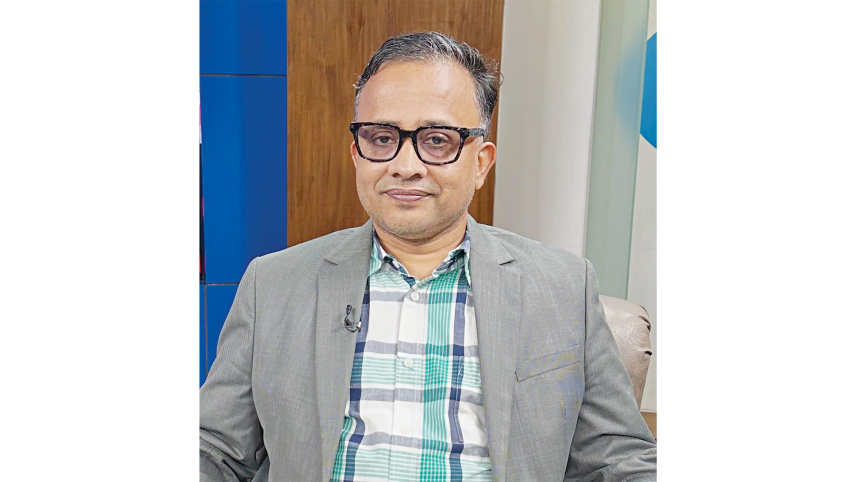
The writer is a professor and former director of Institute of Leather Engineering and Technology
 For all latest news, follow The Daily Star's Google News channel.
Comments