


War exposes critical gaps in Bangladesh’s energy sector
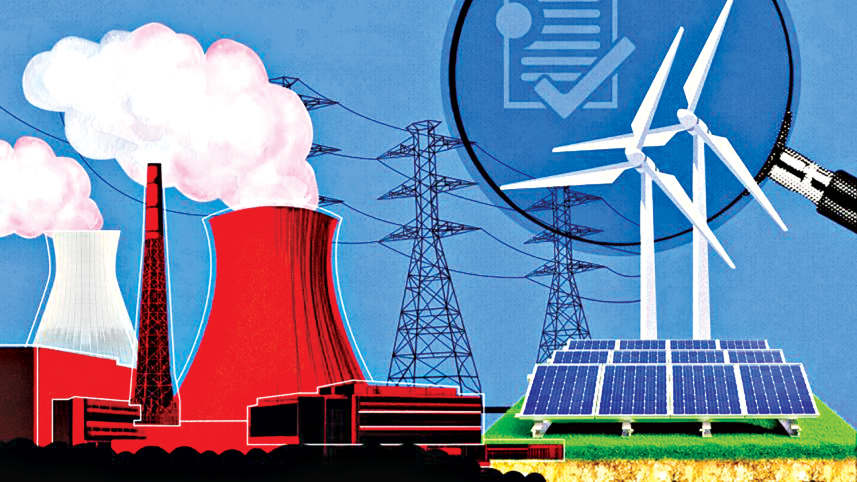
The war in the Middle East has exposed weaknesses in Bangladesh’s energy sector, highlighting long-standing gaps in planning and implementation, speakers said at an event yesterday.
They stressed that the country must increase both offshore and onshore gas exploration and diversify energy import sources to ensure long-term energy security.

To attract local and foreign investment in solar and renewable energy, they suggested reducing tariffs, offering low-interest loans, cutting bureaucratic delays, and ensuring strong political commitment.

The event, titled “Navigating the Global Energy Shock: Impact on Bangladesh and Way Forward”, was organised by the Dhaka Chamber of Commerce & Industry (DCCI), in collaboration with the Bangladesh Sustainable and Renewable Energy Association and the Infrastructure Development Company Limited, at the DCCI auditorium.
ENERGY SECURITY ‘CRITICAL’
“Country’s energy security is in a critical state, like a patient on its deathbed,” said Prof M Shamsul Alam, dean of the Faculty of Engineering of Daffodil University and vice energy adviser to the Consumers Association of Bangladesh.
He said only short-term fixes are being used instead of long-term solutions.
“Industries and other sectors are already suffering as emergency measures replace proper planning,” he added.
To attract local and foreign investment in solar and renewable energy, speakers suggested reducing tariffs and offering low-interest loans
Alam also claimed that during the Awami League government’s tenure, structural problems were deliberately created across the energy supply chain, including oil, gas, and electricity.
He stressed these problems existed from the ministry level down to companies and licensing authorities, leading to favouritism and unequal access to licences, especially in sectors like CNG and LPG.
“This allowed a few groups to gain control, while others were denied fair opportunities. The government has yet to address these systemic issues,” he said.
Alam criticised the lack of collective action among business leaders. “Some individuals managed the crisis through personal influence, but most organisations stayed silent out of fear of government retaliation,” he said.
Despite his efforts to bring stakeholders together and present evidence, support was limited, reflecting the lack of a strong, united voice from industry bodies, he added.
Alam further alleged that the interim government has worsened the crisis, with the sector’s deficit rising from about Tk 40,000 crore to Tk 63,000 crore.
He added that there has been no meaningful progress in renewable energy or in attracting capable investors.
On governance, Alam said state-owned companies are operating with profit motives. “Around 75 such entities are contributing to higher costs in the sector. The government should not make a profit from energy,” he said, calling for transparency on how much these companies earn and return.
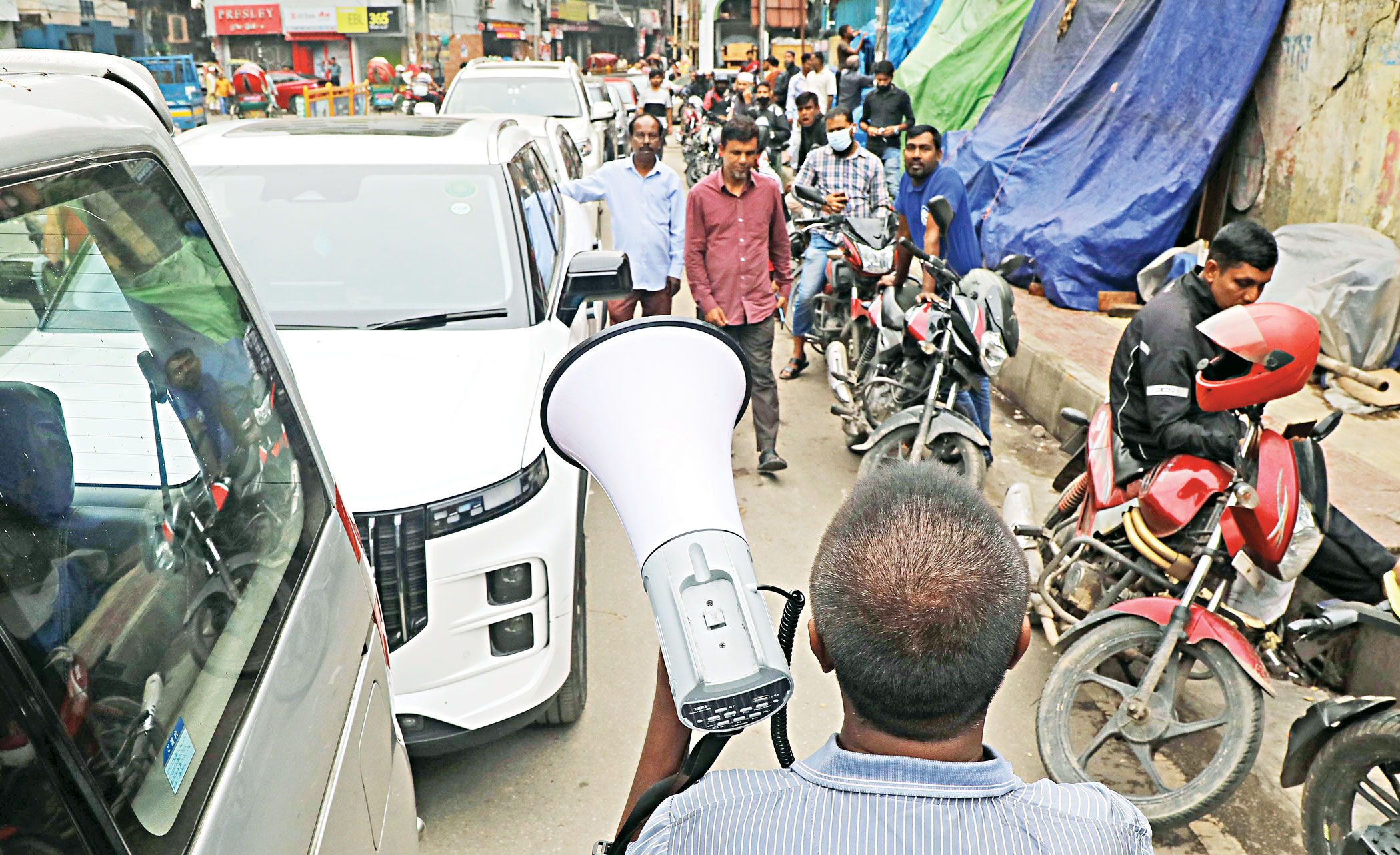
DCCI President Taskeen Ahmed warned that reserves of diesel, octane, and petrol are gradually declining. He said import delays could cause major disruptions to transport, power generation, and other sectors.
“Every $10 rise in global oil prices increases Bangladesh’s annual spending by about $1 billion. If prices go above $120 per barrel, the extra cost could reach $4-5 billion a year, raising government losses and increasing production and business costs,” he said.
 For all latest news, follow The Daily Star's Google News channel.
 BARRIERS TO RENEWABLE ENERGY
Zahidul Alam, senior vice-president of the Bangladesh Sustainable and Renewable Energy Association, said a 27-30 percent duty on imported solar power equipment is a major obstacle to the sector’s growth.
He suggested offering at least a one-year duty-free facility for batteries used in solar projects.
Vidiya Amrit Khan, vice-president of the Bangladesh Garment Manufacturers and Exporters Association, said that in Europe, widespread solar power use has helped reduce the impact of the energy crisis.
“But the situation in Bangladesh is very different,” she added, calling for better coordination among government agencies in the power sector and expressing concern over the lack of initiatives to address challenges following the country’s LDC (least developed country) graduation.
Brig Gen (retd) Md Shahid Sarwar, member for power at the Bangladesh Energy Regulatory Commission, said renewable energy could help address both current and future energy crises.
However, he added, long-term energy security for industry and other sectors still requires increased offshore and onshore natural gas exploration.
Md Obaidur Rahman, secretary of the Ministry of Industries, said Bangladesh has long faced persistent energy shortages, which have worsened due to ongoing geopolitical tensions in the Middle East.
He added that while the country needs 600,000 tonnes of fertiliser by June, there is currently a shortage of 400,000 tonnes because of production disruptions.
Comments