


Global bond investors calling for fast rate hikes
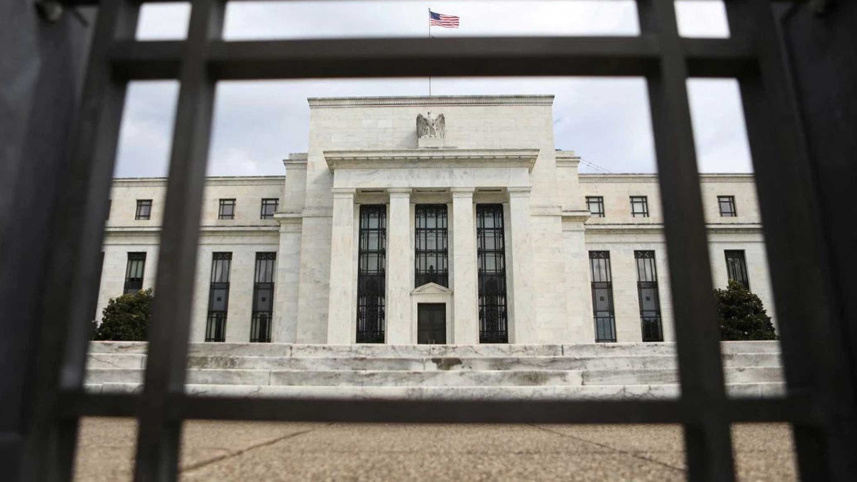
A series of surprise actions by some of the world's largest central banks fretting about runaway inflation has left bond investors battered. Now, a growing chorus of investors is calling on policymakers to move fast to end the uncertainty.
Until central banks are able to bring down inflation, some investors said, markets will not have any certainty about rates. Their best way forward may be to get to neutral interest rates -- the level at which monetary policy is neither stimulating nor restricting the economy -- as fast as they can, the investors said.
 For all latest news, follow The Daily Star's Google News channel.
 "We're seeing these sort of rate hikes in an economy that is clearly slowing, and it creates this extraordinary uncertainty on how much will inflation come down and how much the Fed will have to go," said Rick Rieder, chief investment officer of global fixed income at BlackRock, the world's largest asset manager.
"Sometimes the markets can take some time to adjust to it, but in the long run it's a better way to go," Rieder told Reuters in an interview.
Both DoubleLine Capital Chief Executive Jeffrey Gundlach and billionaire investor Bill Ackman in recent days also have called for higher rates by the Federal Reserve.
Central banks, especially the Federal Reserve, have faced criticism that they have acted too slowly in taming inflation. Investors said that has led to ugly surprises, such as the Fed's larger-than-anticipated rate rise on Wednesday in the wake of the highest US inflation reading in more than four decades.
"Playing catch-up is harder now as the central bank let ... the first best policy response slip through its fingers" last year, said Mohamed El Erian, chief economic adviser at Allianz and chair of Gramercy Fund Management.
Fed Chair Jerome Powell said last week that the US central bank's target was to bring inflation down without a sharp slowdown in economic growth or a steep rise in unemployment, acknowledging that the path was becoming more challenging.
The Federal Reserve hiked rates on Wednesday by 75 basis points – its biggest raise in nearly three decades – and committed to delivering more big moves. Central banks across Europe also raised rates, in some cases by amounts that shocked the markets.
The moves wreaked havoc in bond markets, already in the throes of their worst start to a year in history.
Ahead of the Fed's hike, two-year Treasuries hit their highest yield since the 2008 global financial crisis and benchmark 10-year yields - an important barometer for mortgage rates and other financial instruments - climbed to their highest level in over a decade.
In Europe, Germany's 10-year Bund yield hit an eight-year high, at 1.93 per cent, last week. In Switzerland, 10-year yields were set to end the week almost 50 basis points higher and set for their biggest weekly surge since March 2020.
Higher prices are bruising consumers by eroding savings while higher rates increase borrowing costs. US housing finance giant Freddie Mac said last week the average contract rate on a 30-year fixed-rate mortgage rose by more than half a percentage point to 5.78 per cent, the greatest one-week jump in 35 years.


Comments