


Inflation latest tough dish for US hospitality industry
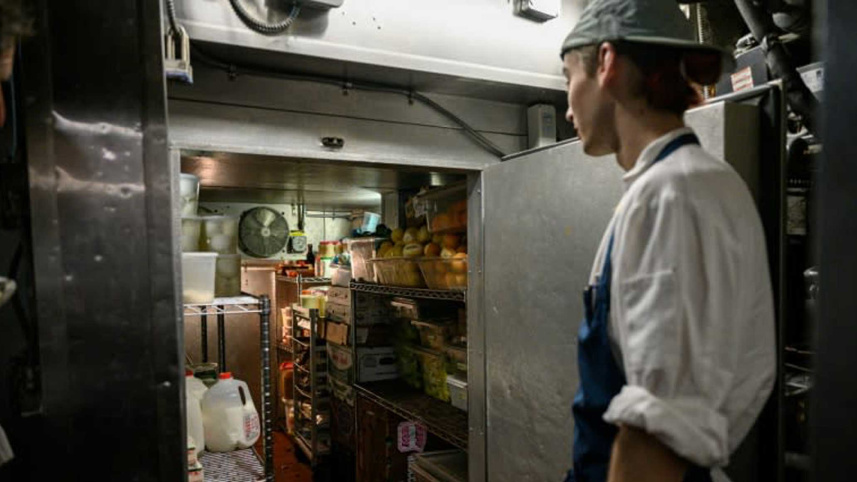
New York restaurateur James Mallios has long prided himself on culinary authenticity, spending more for sunflower oil because it is used in Greece to fry foods.
But prices of the product more than tripled after Russia's invasion of Ukraine, which sidelined a major sunflower oil exporter, requiring a pivot to canola oil if Mallios's small restaurant and catering business was going to survive.
 For all latest news, follow The Daily Star's Google News channel.
 Canola oil isn't the same at all, but "there are bigger problems in the world," Mallios says with a shrug.
More than two years into Covid-19, hospitality companies are no longer shocked by the pandemic's upheaval and the shape-shifting nature of the chaos.
They have been through the lockdown phase and its relaxation; the optimism of the post-vaccine period and the subsequent Omicron surge that reduced consumers and dashed hopes the pandemic was over; and the ongoing debates over whether Covid has become "endemic" and what that could mean for business.
Now they are dealing with inflation, a vexing monster in a consumer-facing industry at a time when shoppers are frustrated by higher gasoline prices.
At Amali, Mallios's Manhattan restaurant, canola oil is no bargain either, in part because of increased demand from other restaurateurs who are also substituting for sunflower oil. Prices of canola oil have roughly tripled to $65 a jug, a major drag for an essential ingredient that isn't even the main course.
"When you talk about things like butter, salt, fat that goes into pretty much every dish and those prices are increasing two and three and four times," Mallios says. "That's really where we see the pain the most." Companies in the hospitality industry are trying to be creative as they ride out the inflation wave, hoping for relief but not really expecting it anytime soon.
"There's absolutely no way to conquer this with price," Mallios says. "The market will not bear raising the price of a hamburger by $30." After decades of anemic inflation in a dynamic that baffled economists, consumer price pressures have returned with a vengeance over the last year, the result of factors that include supply chain backlogs, the Ukraine war, Covid-19 manufacturing halts and strong consumer demand.
The Federal Reserve is under pressure to aggressively respond later this week after last Friday's ugly consumer price index report that showed an 8.6 percent rise compared with a year earlier.
May's grim price action included the largest 12-month increase in the food-at-home index since 1979 and the biggest monthly increase in dairy products since 2007. Cereals, meats and fruits all had significant increases.
While inflation is a drag on all companies, hospitality has many small businesses with fewer means to offset losses on one product with profits from another good.
Olivier Dessyn, who owns three bakeries in New York, has raised prices -- but not by much, only five or 10 cents on a pain au chocolat.


Comments