


Oil-shortage fallout will ooze slowly but surely
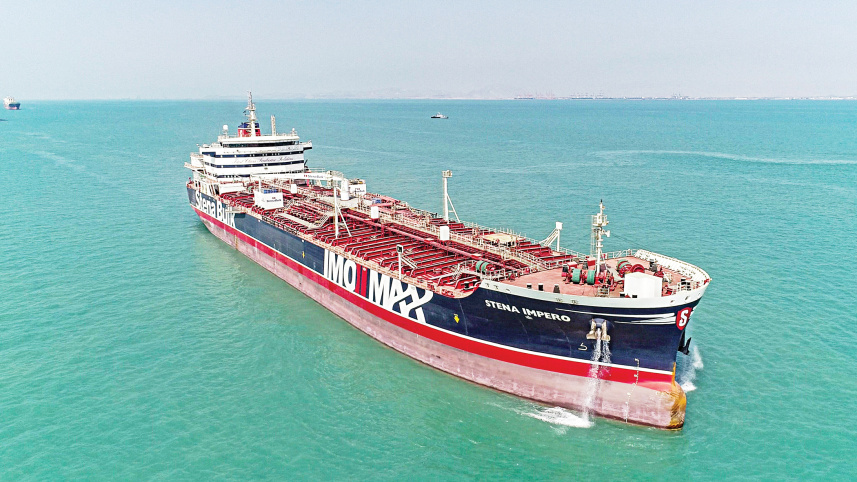
Just as when oil spills, a shortage seeps slowly. Fallout from a blocked Strait of Hormuz, which typically carries 20 percent of the world’s supply, will spread steadily across the planet.
The directional part is simple. Because days in transit cost money, ships prioritize geographically closer markets. Some 80 percent of oil flowing through the Strait goes to Asia, according to the International Energy Agency. About 95 percent of Japan’s oil imports come from the Middle East. Tankers that left the Gulf on February 27, the day before the United States and Israel attacked Iran, reached those ports.

Pain radiates from there. Exports to Europe are smaller, with even less destined to the Americas. Once these shipments stop, however, price signals will brighten. A gallon of US diesel retails for $5.49, the American Automobile Association says. Although it’s 46 percent higher than a month ago, it pales next to places like Singapore, where it’s now more than $15 a gallon. Coastal US producers are already exporting higher quantities, causing local prices to rise.
Jet fuel is getting hit hard and other refined products are next in line. Gulf countries have been adding facilities to convert crude into feedstocks, lubricants and more. Many can no longer ship overseas. The Middle East, for example, exported more than $10 billion of kerosene tailored for aircraft engines last year. Much of it is now inaccessible, leaving big importers like Europe critically short of supplies. Prices have more than doubled, even faster than Brent crude. For unhedged airlines, their expenses will rise 25 percent, based on IEA figures and current prices.
Furthermore, Mideast crude tends to be denser and contains more impurities, making it cheaper. Asian plants are generally equipped to refine it. They must now pay up for pricier light, sweet oil, and probably generate less output.
The goods that can be made also will vary. While refineries have some wiggle room, a barrel of WTI, the US oil benchmark, generates significantly more heavy naphtha, the main precursor to gasoline, than Arabian Heavy. And heavy oil can be turned into more asphalt and ship fuel. US producers are being signaled to drill more, which will translate into proportionally extra gasoline, leaving other customers wanting.
US truckers are bound to feel the pinch more severely than car drivers. Removing so much crude from the system, however, will push up prices far and wide. Whether it’s transportation, manufacturing or farming, big users of oil and its byproducts will all suffer. The impact is just a matter of how much and when.
US and Israeli attacks on Iran that started on February 28 have led to the closure of the Strait of Hormuz, which normally carries about 20 percent of the world’s oil and refined products, to nearly all shipping traffic.
 For all latest news, follow The Daily Star's Google News channel.
Comments