


Shekel surplus weighs down Palestinian economy
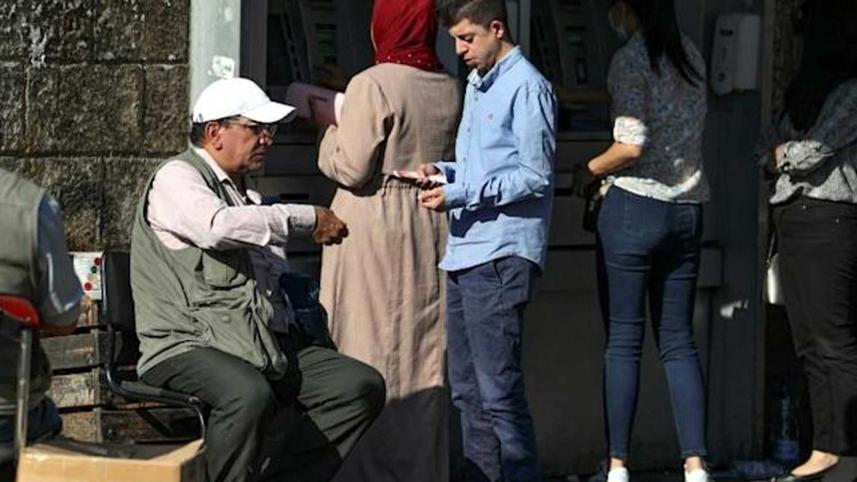
Palestinian businesses flush with too much Israeli cash: it may not be the most talked about aspect of the occupation, but experts warn it is a growing concern for the Palestinian economy.
Palestinians in the West Bank use the Israeli shekel but, beyond that commonality, the two financial systems are dramatically different.

In Israel, as in many advanced economies, digital payments are rapidly growing, taking the place of transactions once done with bills and coins. But in the West Bank, a territory under Israeli military occupation since 1967, cash is still king.
Tasir Freij, who owns a hardware store in Ramallah, told AFP he now has to pay a two percent commission to deposit paper money because his bank is reluctant to receive it.
"This is a crisis... and we are feeling its effects," Freij told AFP. Much of the paper money is brought in by the tens of thousands of Palestinians who work inside Israel or Jewish settlements in the West Bank, and who get their wages in cash.
Experts and business people say the buildup of hard currency risks stifling the Palestinian financial system.
Freij fretted that buying goods from abroad typically requires converting shekels into foreign currencies, especially dollars or euros, but the abundance of shekels in the market has forced him to accept painfully unfavourable rates. The Palestinian Monetary Authority, which functions as the central bank in the West Bank, has warned that paper shekels are building up because it has no way to return the hard currency to Israel.
PMA governor Firas Melhem told AFP that the cash buildup was "a very worrying problem," causing headaches for banks and businesses.
 For all latest news, follow The Daily Star's Google News channel.


Comments