


Govt to borrow Tk 5,000 crore more from banks
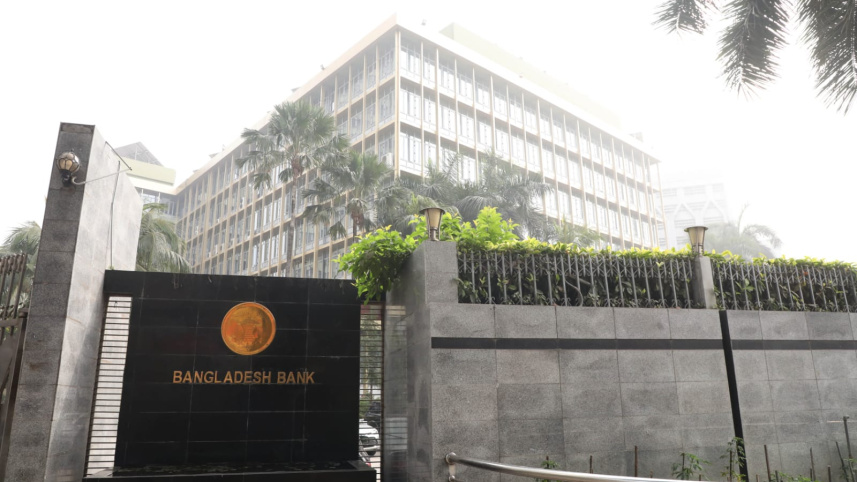
The government is set to borrow an additional Tk 5,000 crore from the banking sector through a special auction of 91-day treasury bills on April 8, according to Bangladesh Bank (BB) officials.
This will be the new government's second such off-cycle borrowing in just over a week, which will effectively push the total bank borrowing for the fiscal year 2025-26 (FY26) well past the full-year target set in the budget.

The surge in borrowing comes as the government struggles to balance rising expenditure against weak revenue mobilisation.
Spending pressures have mounted from several fronts: emergency fuel oil purchases amid elevated global energy costs linked to the US-Israeli war on Iran, new welfare initiatives, including the family card scheme and farm loan waivers, and broader expansion in public outlays, said officials familiar with the matter.
Election expenditure by the interim government had also drained state funds.
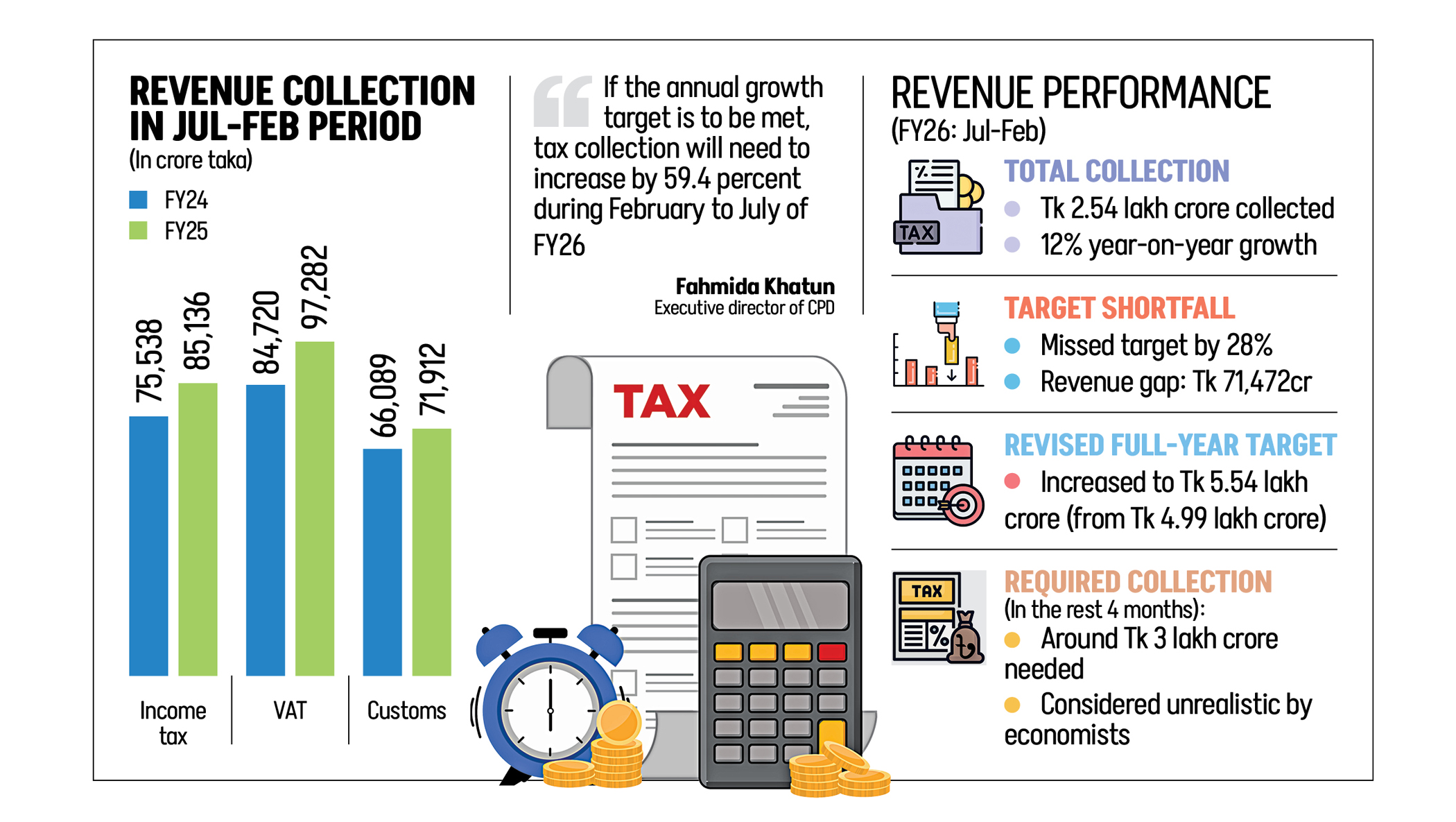
At the same time, the National Board of Revenue fell short of its eight-month collection target by 28 percent, leaving a gap of Tk 71,472 crore.
According to central bank data, the government had already raised Tk 5,000 crore through a similar special auction on April 1. Combined with regular borrowing, the two tranches will effectively breach the Tk 1,04,000 crore ceiling set for banking system borrowing in the FY26 budget.
Between July last year and April 1, the interim government and the new BNP-led government had together borrowed at least Tk 1,03,526 crore, or 99.54 percent of the annual target, with nearly three months of the fiscal year still remaining.
A year earlier, net borrowing over the same period stood at Tk 27,739 crore.
Of the amount borrowed, so far, this fiscal year, Tk17,386 crore came from the central bank directly, Tk 71,575 crore from commercial banks, and Tk 9,564 crore from non-bank sources.
As per the FY26 budget, borrowing targets from non-banking systems and foreign sources were set at Tk 21,000 crore and Tk 96,000 crore respectively.
Analysts note that borrowing directly from the central bank carries particular inflation risks. However, a structural factor has enabled the current pace of commercial bank borrowing: anaemic private sector credit demand.
Private sector credit growth fell to a decade-low of 6.03 percent in January and remained unchanged in February, BB data show. With few private borrowers, commercial banks have been willing to lend to the government instead.
"The government generally borrows through special treasury bills when its demand for funds increases," said Md Ezazul Islam, director general of the Bangladesh Institute of Bank Management.
"Weak revenue collection could also be driving the special auction."
The government finances budget deficits and public expenditure by issuing treasury bills -- short-term instruments -- and bonds for longer tenors. These are sold through the central bank to commercial banks, financial institutions, and individual investors, and are considered low-risk investments.
With banking system borrowing already at the annual ceiling and the fiscal year not yet done, economists warn the trajectory raises fresh concerns about inflation, crowding out of private investment, and longer-term fiscal sustainability.
 For all latest news, follow The Daily Star's Google News channel.
Comments