


Govt to import 1.15 lakh tonnes of fertiliser amid supply concerns
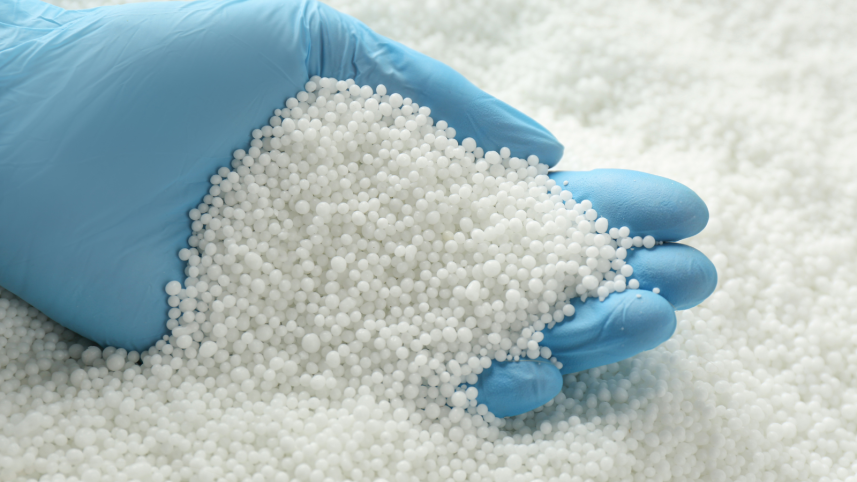
The government is set to import 115,000 tonnes of fertiliser from Canada, Russia, and Saudi Arabia, aiming to build up stocks amid concerns over the supply of the vital crop nutrient due to the US-Israel war on Iran and China’s export ban.
The procurement includes 75,000 tonnes of muriate of potash (MOP) and 40,000 tonnes of bulk granular urea. The combined cost of the purchase is ৳505 crore, according to a decision the Cabinet Committee on Government Purchase (CCGP) took yesterday (August 19).

The panel approved three separate proposals from the Bangladesh Agricultural Development Corporation (BADC) and the industries ministry at a meeting at the Secretariat.
Under one proposal, BADC will import 40,000 tonnes of MOP from the Canadian Commercial Corporation (CCC) under a state-level agreement for $15 million, at $377.63 per tonne. The cost in local currency will be ৳187 crore.
The agency will also procure another 35,000 tonnes of MOP from Russia’s Foreign Economic Corporation (Prodimorg) under a state-level deal for $13 million, or ৳164 crore.
Under another approved proposal, the industries ministry will import 40,000 tonnes of bulk granular urea from Saudi Arabia’s SABIC Agri-Nutrients Company for $17 million, or ৳213 crore. The urea, the most widely used fertiliser in Bangladesh, will cost $430 per tonne, according to the meeting document.
Bangladesh, which depends heavily on imports for chemical fertiliser, is projected to require 5.8 million tonnes of the crop input in fiscal year 2026-27, as domestic production remains constrained by the diversion of gas to power generation and other industrial uses.
However, the Middle East war situation has raised concerns over fertiliser supplies, as Bangladesh imports a significant portion of its fertiliser from the Middle East.
By the end of this week, Bangladesh’s stocks of triple superphosphate (TSP), MOP, and diammonium phosphate (DAP) stood below safe levels, according to the agriculture ministry.
The stock of MOP fell to nearly half of the safe level. However, the stock of urea remained above the safe level of 500,000 tonnes.
 For all latest news, follow The Daily Star's Google News channel.
Comments