


Successful RMG cooperation a symbol of Korea-Bangladesh ties: ambassador
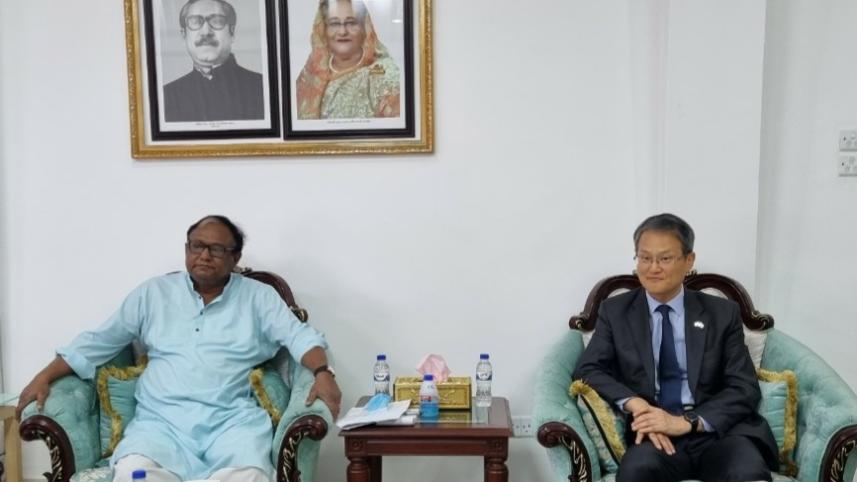
The readymade garment sector cooperation between Korea and Bangladesh has been the symbol and model of successful bilateral ties for the past five decades, said South Korean Ambassador Lee Jang-keun.
The South Korean embassy is now preparing a documentary on Korea-Bangladesh RMG cooperation as part of its preparation of the 50th anniversary of diplomatic relations next year, he said.

The ambassador also appreciated the indispensable contribution the Korean companies made to the birth and growth of Bangladesh's RMG sector since late 1970s.
He made the comments during a meeting with Commerce Minister Tipu Munshi at the minister's office at the secretariat in Dhaka on March 13.
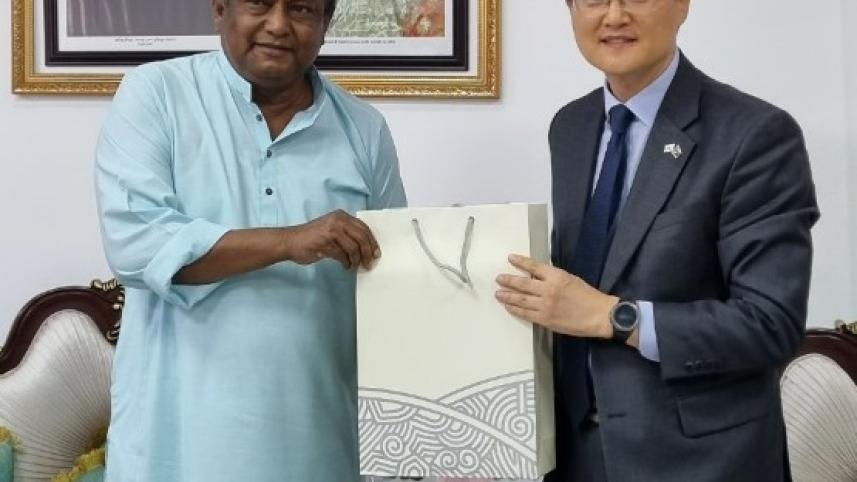
The ambassador said the joint venture between Korean company Daewoo Corporation and Desh Garment of Bangladesh in 1978 led to the birth of Bangladesh's RMG industry.
The Korean companies, including Youngone Corporation, which operates Korean Export Processing Zone in Chattogram, were not only the first foreign investors in Bangladesh RMG sector but still the largest foreign investors in this sector.
At present, Korea is the fifth largest foreign direct investor in Bangladesh in terms of the accumulated stock investment volume and RMG sector accounts for more than 70 per cent of Korea's investment in Bangladesh, which reached over $1.3 billion in 2021.
Based on the success stories of cooperation in the RMG sector, Korea hopes to make other success stories in other sectors in the coming years, Lee Jang-keun said.
At the meeting, the ambassador highlighted that the trade volume between the two countries reached a historic height in 2021 crossing $2.1 billion after almost 10 years of stagnation.
Both sides agreed to make continuous effort to further expand the bilateral trade and to diversify the trade items.
Korea has been providing duty and quota-free access to the Korean market to 95 per cent of Bangladesh products since 2012.
On this occasion, the ambassador also stressed the need for giving equal treatment to Korean companies in case of export benefits such as the cash incentive.
Currently, the foreign companies operating in the export processing zones (EPZs) are not eligible for the benefits.
Korea is the largest investor in the EPZs across the country with 72 companies operating in the zones.
 For all latest news, follow The Daily Star's Google News channel.
Comments