


The rise of wedding content creators
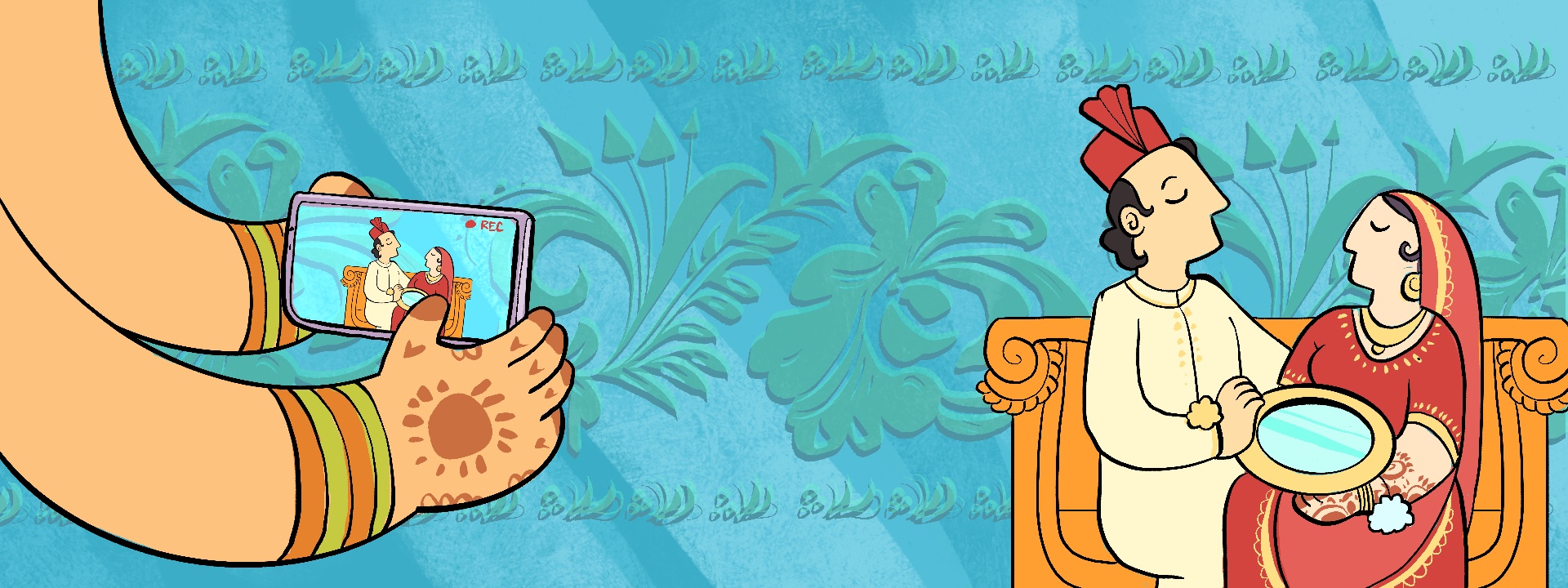
Most people want to remember how their wedding felt. They want to remember how it looked, how it sounded, and ultimately, how it happened, not just for themselves but also for their guests. It’s an important occasion where documentation matters.

Wedding photography, of course, has existed for decades and has evolved into a form of storytelling; different photographers bring different aesthetics in how they film and photograph a couple’s day.
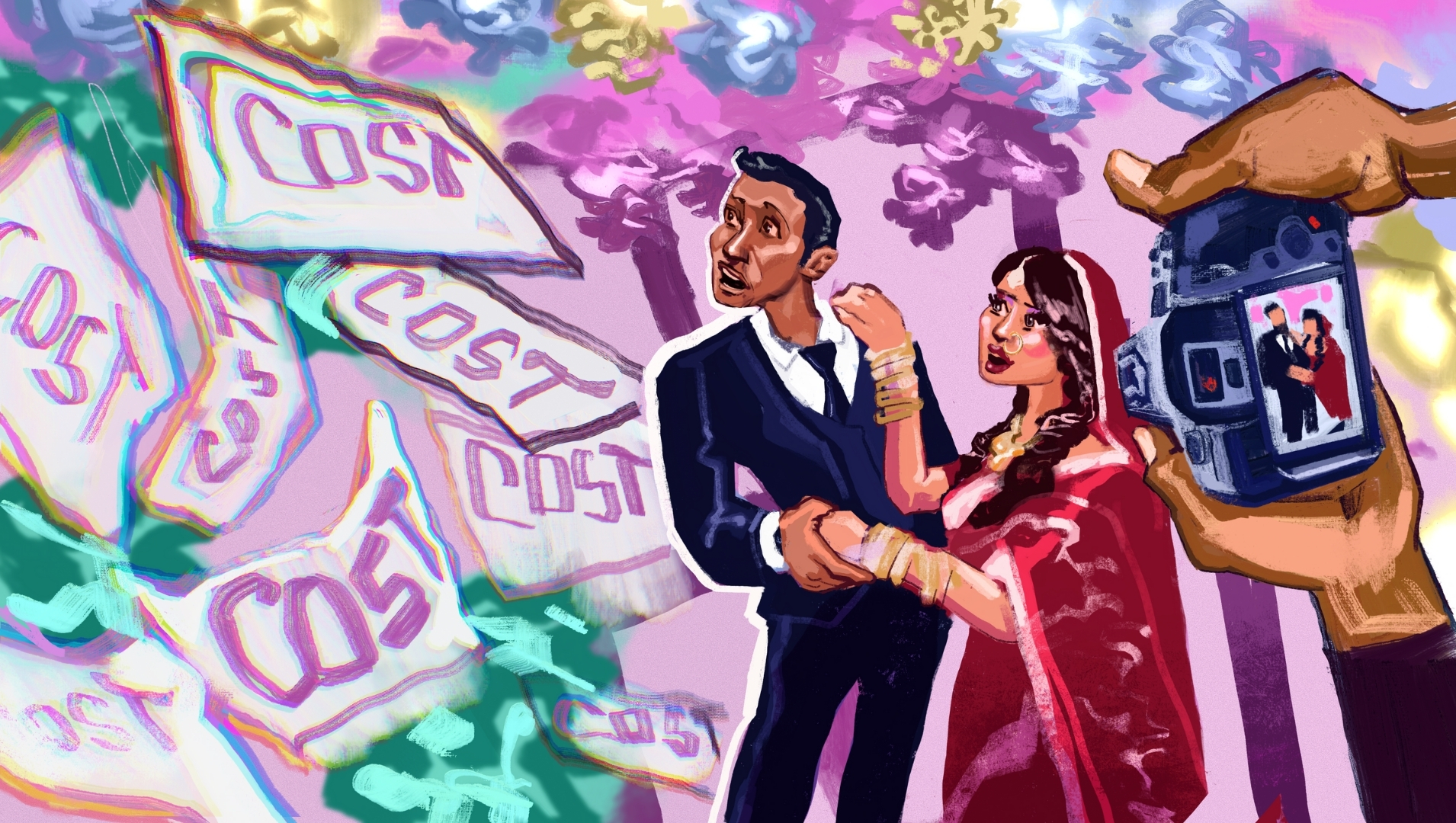
Somewhere between attending one too many weddings, I began to notice something new: the wedding content creator. Despite being a fairly new concept that I hadn’t even heard of last year, it had suddenly become common enough that I saw one at nearly every wedding event I attended this year.
“We chose a wedding content creator because we wanted the real, in-between moments captured as they happened,” says Naila Ahsan, 25, operations coordinator at Sol Health Technologies. “Parents’ raw, unfiltered reactions, quick hugs, happy tears, funny comments, little traditions, the dance floor energy, even the food and all the thoughtful details we put so much planning into. These moments come and go fast, and we didn’t want them to be missed.”
She explained her reasons for opting for this specific service. “I wanted short videos I could rewatch anytime without digging through long footage. The clips are created as quick reels, making them easy to save, share, and revisit. Because they’re in portrait mode, they fit perfectly on Instagram and Facebook stories, reels, and TikTok.”
She also highlighted the relative quickness of delivery of these short-form videos. She adds, “Another big reason is timing—content creators usually deliver videos much sooner than traditional cinematography. I wanted something fast that I could post while the excitement was still fresh.”
Despite it being a new thing, it makes sense. With the rise of reels, wedding content is nowadays all over the algorithm, so it begs the question: who’s filming these and editing them, and what weddings are they from? If there’s demand for it, supply rises, as is expected.
Disha Hossain, 23, a student at North South University and founder of Wedding Content Creator Bangladesh (WCCB), shared her thoughts on what goes on behind the scenes. “As the first person to introduce this concept in Bangladesh, there was immense curiosity around it, and that curiosity quickly turned into demand. In my very first season, 61 brides booked our service, proving that this shift was not temporary but transformational,” she states.
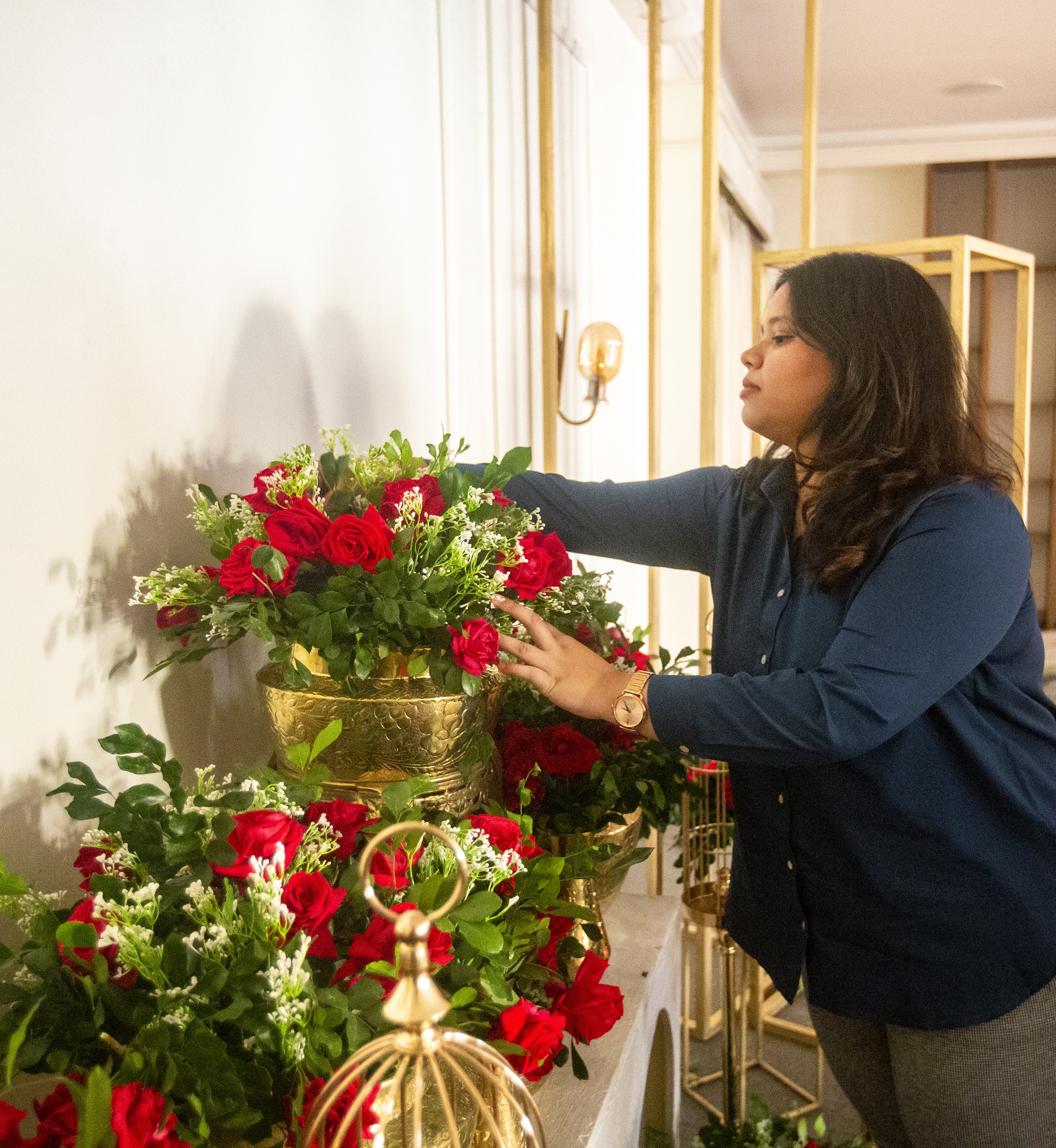
She elaborated on the usage of a smartphone, which allows her to capture moments instantly and edit them in real time. She explains, “I love to focus on raw and natural moments rather than perfectly posed shots. Professional photography is more structured and cinematic; it’s something you preserve in albums and frames.”
She shared that the content she makes is made for instant sharing and repeated viewing. It captures behind-the-scenes emotions, spontaneous reactions, the exciting side of weddings and small in-between moments that often get missed. “It’s less about perfection and more about authenticity. I now have three dedicated teams working under WCCB to manage the growing demand,” she says.
Even though it might seem like an easy job, just filming on a phone, there’s more to it than that. The reels must feel natural but still intentional, need to follow trends without looking forced, have to be in the moment, and also be of good quality. It’s a balance between not interfering and still being present enough to catch what matters.
“Wedding content creation is different from any other content creation, such as food or photoshoots. The moment that happens only happens once; there are no retakes. You also have to be observant to catch the moments right before they happen.” Ayesha Afrin Ahona, 23, a digital content creator, explains.
She pointed out another sensitive aspect: the wedding content creators have to make sure that they don’t overwhelm the couple; they’re already very busy with photoshoots, guests, and the feelings. Hence, they must be intuitive and understand what their clients want before they ask.
She elaborates, “The most interesting and fun thing is that every couple has their own aesthetics. Some love reels that capture the emotional side; some couples prefer the fun ones, while others enjoy a storytelling one. So, I love trying to understand how to curate content that specifically is what they’re looking for.”
Part of this rise is also about how weddings are experienced now. They’re no longer just private family events; they’re shared digitally almost in real time. Guests post stories before the event even ends, and also, couples want something they can look at the next morning, while everything still feels fresh. Traditional wedding films are still valued, but they take time, so wedding content fills that gap.
However, Naila Ahsan referred to the financial aspect of hiring wedding content creators. She says, “It can be expensive, especially since wedding content creators are still relatively new in Bangladesh, and the service can feel premium. Not all team members’ work may match your exact taste, and sometimes you still need to give direction on what you specifically want captured. Some parents or older family members may not fully understand why you would want both a cinematographer and a content creator, so it can feel like double coverage.”
Regardless, if a prospective couple chooses to have someone dedicated to capturing these moments, there’s the appeal of convenience. Guests don’t have to hold up their phones all night; friends and siblings can stay present instead of worrying about getting the perfect clip, and the couple doesn’t have to rely on receiving several videos from different people. Everything is organised, edited, and ready. And in a world where people love posting and viewing stories, not having to worry about this is another box ticked off for the bride and groom.
 For all latest news, follow The Daily Star's Google News channel.
 It’s important to note that while this doesn’t replace photography or cinematography, there is a possibility that it exists alongside them. One preserves the wedding as a polished story, and the other captures how it felt in between. In the end, maybe it isn’t surprising at all because weddings have always been about holding onto something that passes too quickly. The only thing that has changed is how we choose to hold onto it.
Tinath Zaeba is an optimistic daydreamer, a cat mom of 5 and a student of Economics at North South University. Get in touch via tinathzaeba25@gmail.com.
Comments