


UNDP to improve lives of poor people in Dhaka city
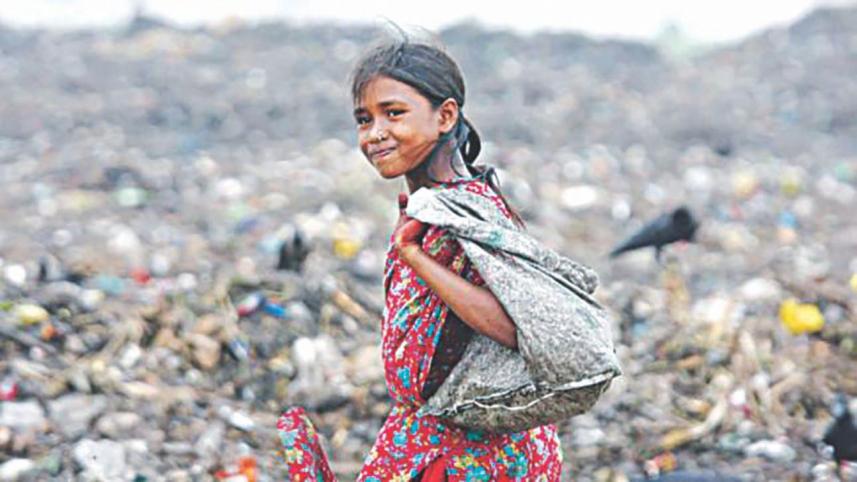
UNDP today launched a six-year-long project for improving the standard of living of the city’s four million poor people.
The project titled Livelihoods Improvement of Urban Poor Communities Project (LIUPCP) will be implemented in collaboration with the Ministry of Local Government, Rural Development and Local Government Division, according to a press statement.
 For all latest news, follow The Daily Star's Google News channel.
 Major activities under the project include climate-resilient housing for the low-income urban poor; strengthening community organizations in informal settlements; skills and employment generation for women and girls; improving resilient infrastructure and strengthening pro-poor urban management, policy and planning.
Ashekur Rahman, head of Poverty and Urbanization, UNDP Bangladesh, said the project is designed to reach initially the unserved urban population in Bangladesh.
In project interventions, women and people with disabilities will get priority, Rahman added.
Addressing the launch of the project at the Dhaka South City Corporation’s Mayor Mohammad Hanif Auditorium, its mayor Mohammad Sayeed Khokon said while income inequality has been increasing in one hand, the population is also increasing rapidly.
“To escape the environmental crisis, many landless villagers have been migrating to the city. While trying to search for livelihood and economic solvency to alleviate their poverty, they are facing many crises. This is making a negative impact on the other city-dwellers,” he said.
UNDP Resident Representative Sudipto Mukerjee said “UNDP has been working for more than a decade to eradicate urban poverty in Bangladesh. And for this, we’ve always had the United Kingdom’s Department for International Development (DFID) by our side.
“The new project's objective is to achieve long-term sustainable growth by eradicating urban poverty and to achieve Sustainable Development Goals by 2030,” he said.
He added that Bangladesh cannot transition from a low-income country to a middle-income country without considering a large number of poor people residing in the city.


Comments