


Sales down as brickfields opt for high-sulphur coal imports
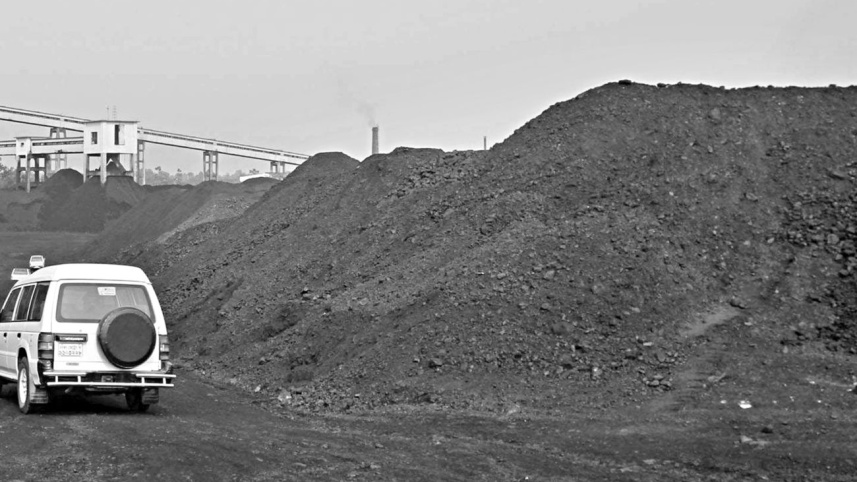
Usually peak season for coal sales across the country, this winter has not proved especially promising for Dinajpur's Barapukuria Coal Mining Company (BCMCL), a subsidiary of Petrobangla and the sole producer of domestic coal.
Despite the high quality of the local product, which according to BCMCL officials holds better heating value than imported coal, many brickfield operators have taken advantage of falls in global coal prices by using imported fuel instead.
 For all latest news, follow The Daily Star's Google News channel.
 As well as income loss for the domestic industry, the use of imported coal is a serious health and environmental hazard because imported coal has much higher sulphur content.
In recognition of enhanced price competition, the coalmine authority cut its sales price twice within the space of a month. Originally selling for Tk 13,600 per tonne, the rate currently stands at Tk 9,000 per tonne.
But for coal users, most significantly brickfield operators, imported coal is available for Tk 7,800 per tonne. "Our coal is better in quality than any imported coal," says Aminuzzaman, the managing director of BCMCL. "The price reflects its quality."
It's a message that does not seem to be swaying brickfield owners who traditionally account for BCMCL's second largest customer segment, after the nearby 250 megawatt Barapukuria coal-fired power plant which consumes nearly 2,200 tonnes of domestic coal daily.
Furthermore, the rate reduction by BCMCL was implemented late. "It would have been better if they cut the price two months ago," says Avijit Sarker of Thakurgaon's Ma Bricks. "The brick burning season started then." In the interim many kilns have made other fuel arrangements.
Due to the downturn in sales to brickfields, Barapukuria mine currently holds around 2.5 lakh tonnes of coal in its yard, waiting for buyers, according to a BCMCL official. This season, BCMCL could not sell even 20,000 tonnes to local kilns.
Yet the global decline in coal prices may not be the only reason few kiln operators have purchased BCMCL coal. Allegations are rife that many brickfields are using wood fuel, with monitoring of the practice slack across the district. BCMCL officials have appealed to the environment ministry to look into the increasing tendency for kilns to use wood.
Comments