


15 years later, ‘Zindagi Na Milegi Dobara’ still finds new meaning

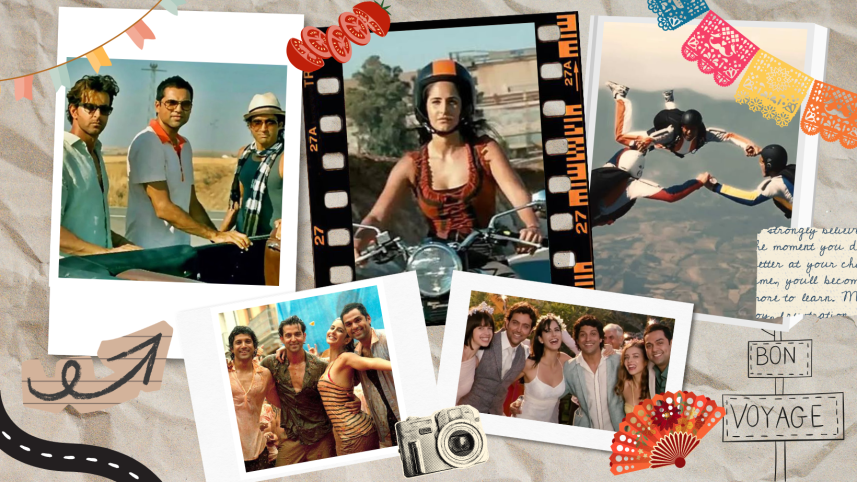
I first watched “Zindagi Na Milegi Dobara” when I was 17. Like every teenager who stumbled upon the film, I was convinced adulthood was going to look a lot like that: a road trip with your closest friends, questionable singing in the car, spontaneous detours, life-changing conversations, and enough freedom to lose track of the date. Seven years later, at 24, I still return to the film every once in a while. The scenery still takes my breath away, the playlist still makes me want to pack a bag, and Farhan Akhtar’s poetry still lands exactly where it should. Yet every rewatch feels like a different film.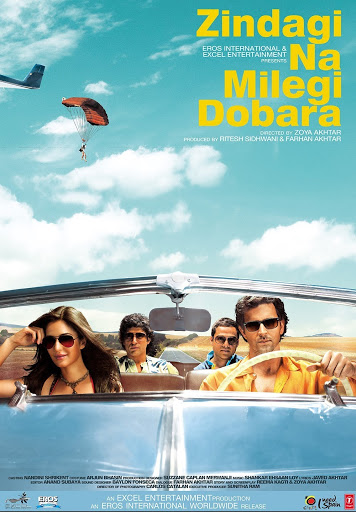
Perhaps that is why “Zindagi Na Milegi Dobara” has remained one of Bollywood’s most beloved coming-of-age films fifteen years after its release. It never relied on twists or spectacle to stay relevant. It simply understood something timeless about growing up. Most films ask us to remember their characters but “Zindagi Na Milegi Dobara” asks us to find ourselves in them.
At 17, I thought Arjun was just another workaholic whose priorities would never make sense to me. At 24, his obsession with productivity feels strangely familiar. Kabir’s uncertainty about the life he had carefully planned feels more human than confusing. Imran’s humour feels less like comic relief and more like someone choosing laughter while carrying emotional baggage. The characters have not changed. We have. That is surprisingly rare.
Many coming-of-age films become snapshots of a particular generation. “Zindagi Na Milegi Dobara” continues to evolve because its emotional core evolves with its audience. Of course, the film also gave Bollywood some of its most unforgettable cinematic moments. The opening drive through Spain. The underwater silence during the scuba-diving sequence. The rush of the Running of the Bulls. The chaos of La Tomatina. Even fifteen years later, those scenes feel immersive rather than extravagant. They invite us into the journey instead of merely asking us to admire it.
Then there is the soundtrack. Few Hindi film albums have aged as gracefully. “Khaabon Ke Parindey” still sounds like freedom. “Senorita” remains impossible to hear without smiling. “Sooraj Ki Baahon Mein” captures the warmth of friendship in a way few songs manage.
Farhan Akhtar’s poems deserve a legacy of their own. They appear sparingly, never interrupting the narrative, gently reminding us to slow down and pay attention. Years later, lines from “Toh Zinda Ho Tum” continue to surface in graduation speeches, travel captions, and social media posts, proving that the film’s words have travelled far beyond its runtime.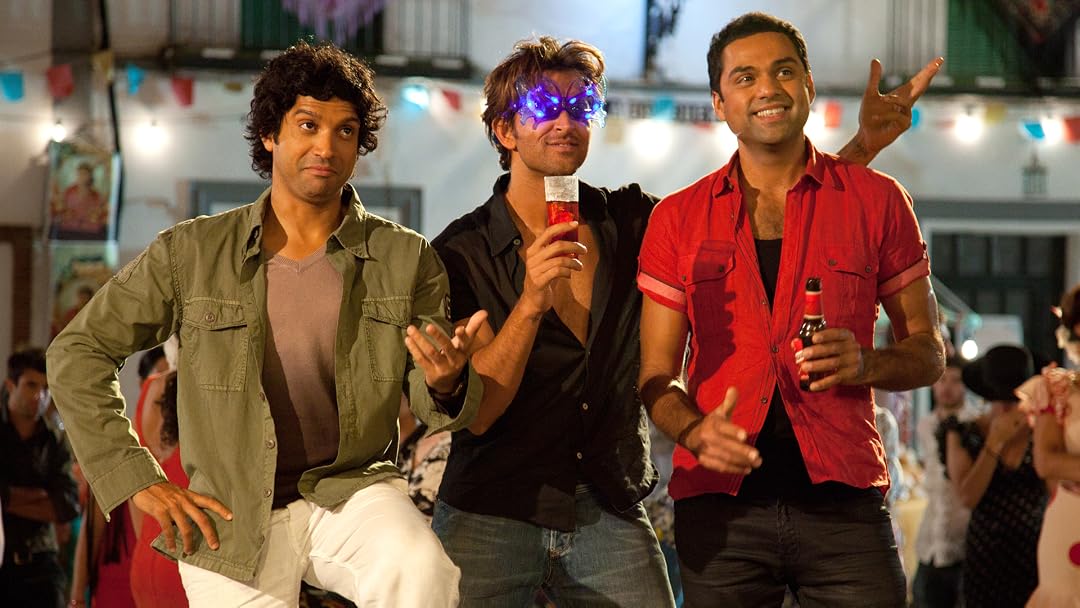
Yet “Zindagi Na Milegi Dobara” has influenced culture in ways that extend beyond cinema. It gave an entire generation a shared fantasy. Mention a “Zindagi Na Milegi Dobara” trip, and nobody asks for an explanation. The phrase has become shorthand for a road trip with friends before life gets too busy—or perhaps because life already has.
Very few films manage to leave behind a phrase that enters everyday conversation. “Zindagi Na Milegi Dobara” did.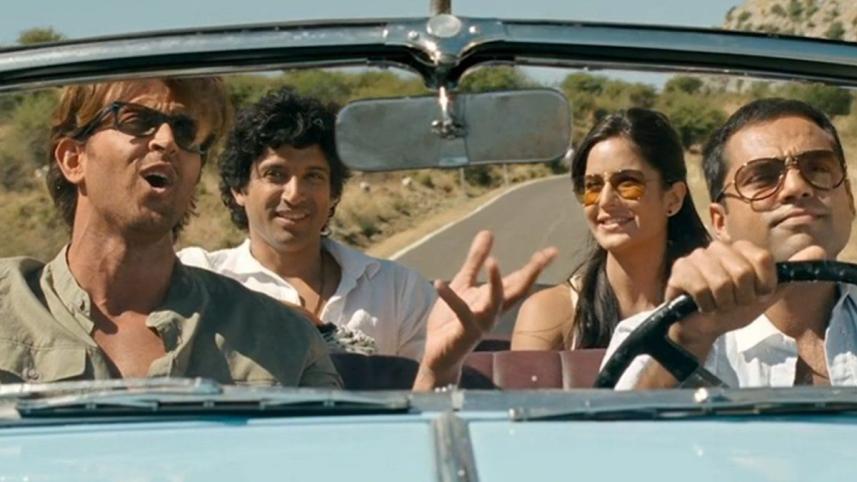
Ironically, the fantasy has changed over the years. When the film was first released, many of us dreamed about Spain. Today, the destination almost feels secondary. The dream is finding a week when everyone’s calendars align. The road trip that once seemed adventurous now feels aspirational for an entirely different reason. That shift says as much about us as it does about the film.
Looking back, the film never really romanticised travel. It romanticised presence. It celebrated uninterrupted conversations, uncomfortable honesty, old friendships, and the courage to pause while life raced ahead. Those ideas feel even more relevant in an era in which every moment competes with a notification.
Fifteen years later, the film continues to welcome new audiences while rewarding older ones with fresh meanings. Teenagers discover it as an adventure. Young professionals revisit it as a gentle reminder. Perhaps, years from now, another rewatch will reveal something else entirely.
Maybe that is why we still keep returning to it. Maybe that is why, somewhere in almost every friendship group, there is still a conversation waiting to happen. And maybe one day we will finally get into that car. Maybe the destination will look nothing like Spain. Maybe the itinerary will have fewer adventures and more cups of tea at roadside cafés. Maybe we will spend more time catching up than sightseeing. And maybe that was always the point.
Fifteen years later, “Zindagi Na Milegi Dobara” still reminds us that life has never been measured by the places we visit. It is measured by the people sitting beside us while we get there.

 For all latest news, follow The Daily Star's Google News channel.
Comments