


Baishakh is incomplete without Porabari’s chamcham: Dola

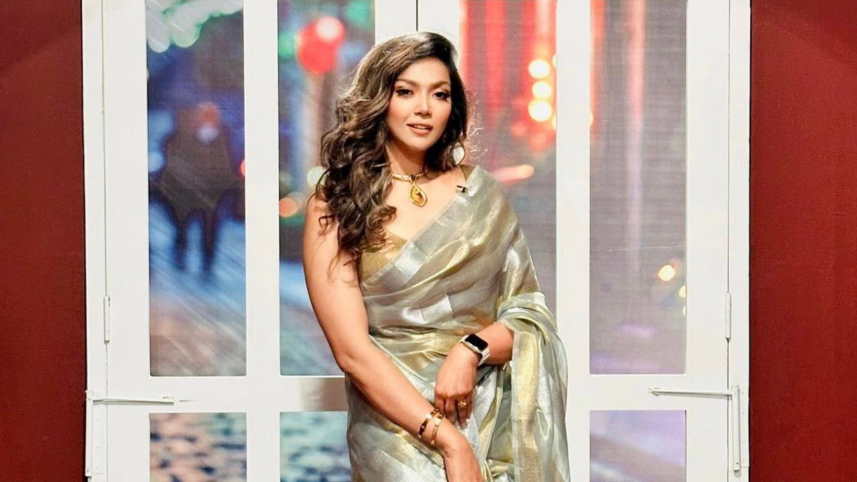
Singer Dola Rahman, who has recently voiced multiple songs for Eid, has shared her fondest memories of Pahela Baishakh, reflecting on how the festival shaped her love for music and culture.
“My favorite memories are from childhood,” she recalls. Growing up in a joint family surrounded by relatives, Dola remembers celebrating Baishakh indoors with games, singing, and dancing—activities deeply rooted in Bangali culture. Afternoons were spent visiting fairs, followed by family gatherings, creating a festive spirit she still cherishes.

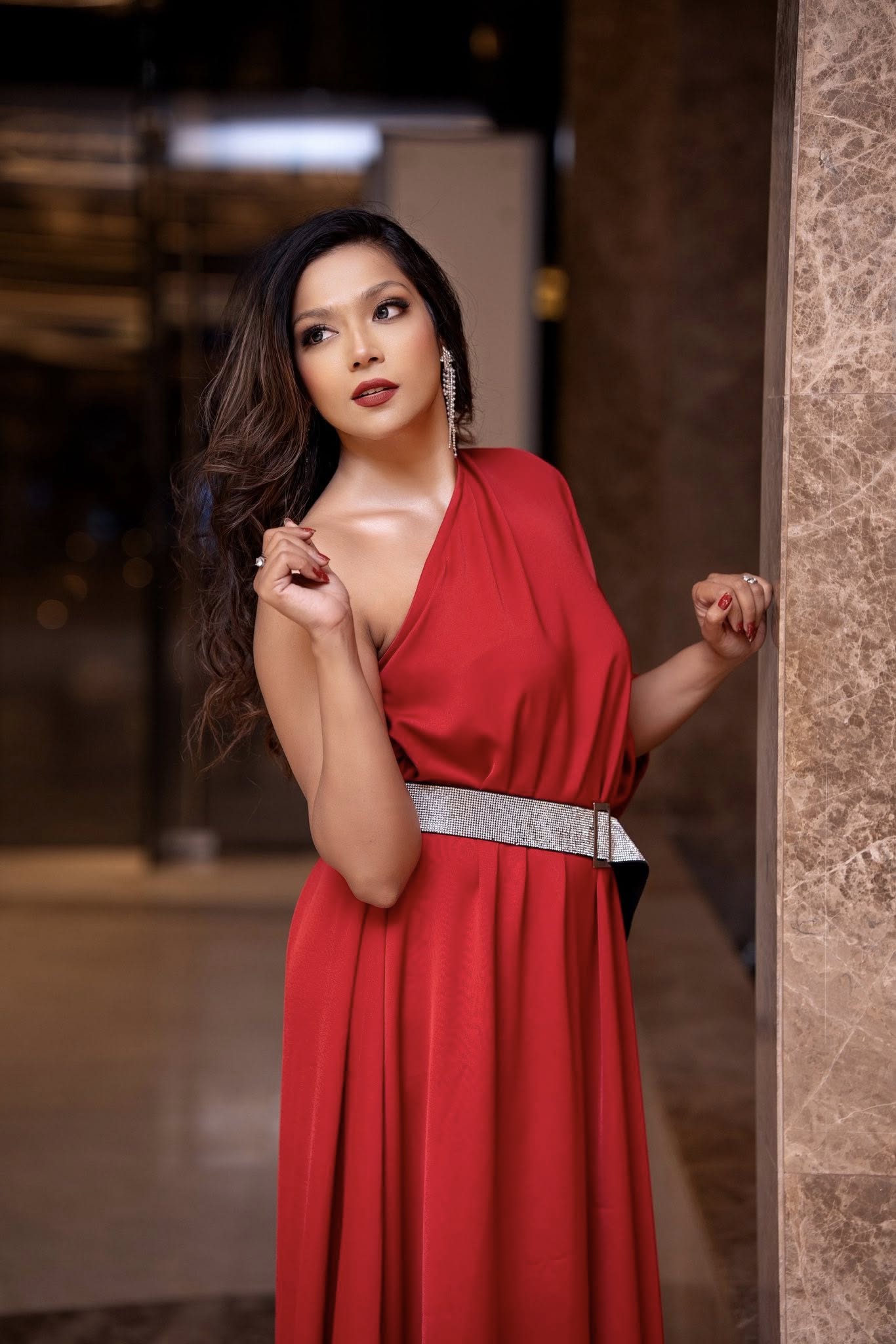
“Since childhood, I was always at the center—‘Dola, start singing,’” she laughs. Both she and her brother, Adit, were encouraged equally, a foundation that nurtured her musical journey. Her repertoire was eclectic, influenced by her mother’s love for classic Bangla songs, and over time it expanded to include modern tracks, Eid releases, and a special Baishakh song like “Banglami.”
For Dola, performing during Pahela Baishakh carries a special energy. “It truly feels like a colorful festival. Everyone comes to listen, we perform together, wear traditional outfits—it’s a complete celebration. Performing in that atmosphere is such a blessing.”
While her shows often feature her original songs, she sometimes incorporates Bangla folk tracks familiar to audiences. “If there’s a Baishakh program after Eid, I’ll definitely perform ‘Chand Mama’ and ‘Bilet Raja’. I also love ‘Komolay Nritto Kore’—it connects well with the spirit of Baishakh.”
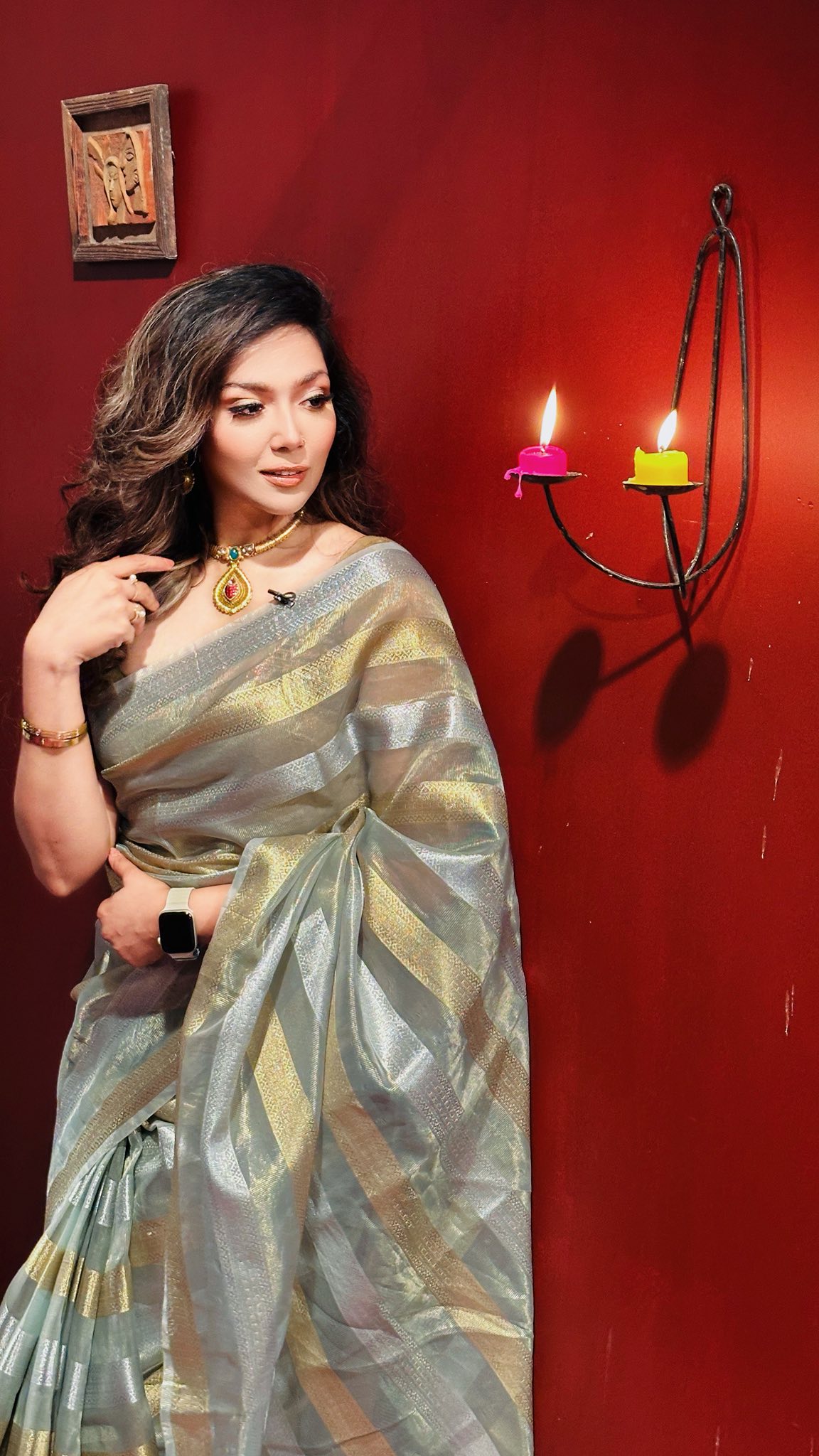
Though her busy schedule limits how many events she can participate in, Dola continues to honor her childhood traditions. “Earlier, we’d wear sarees in the morning, enjoy panta-ilish with chira, doi, and sweets, then roam the Baishakhi fairs. Now, work keeps me from doing it like before, but I hope to go out at least once this year.”
Her love for sweets remains unwavering. “Porabari’s chomchom or rosogolla—Pahela Baishakh morning isn’t complete without them. I’m a total sweets freak, trust me.”
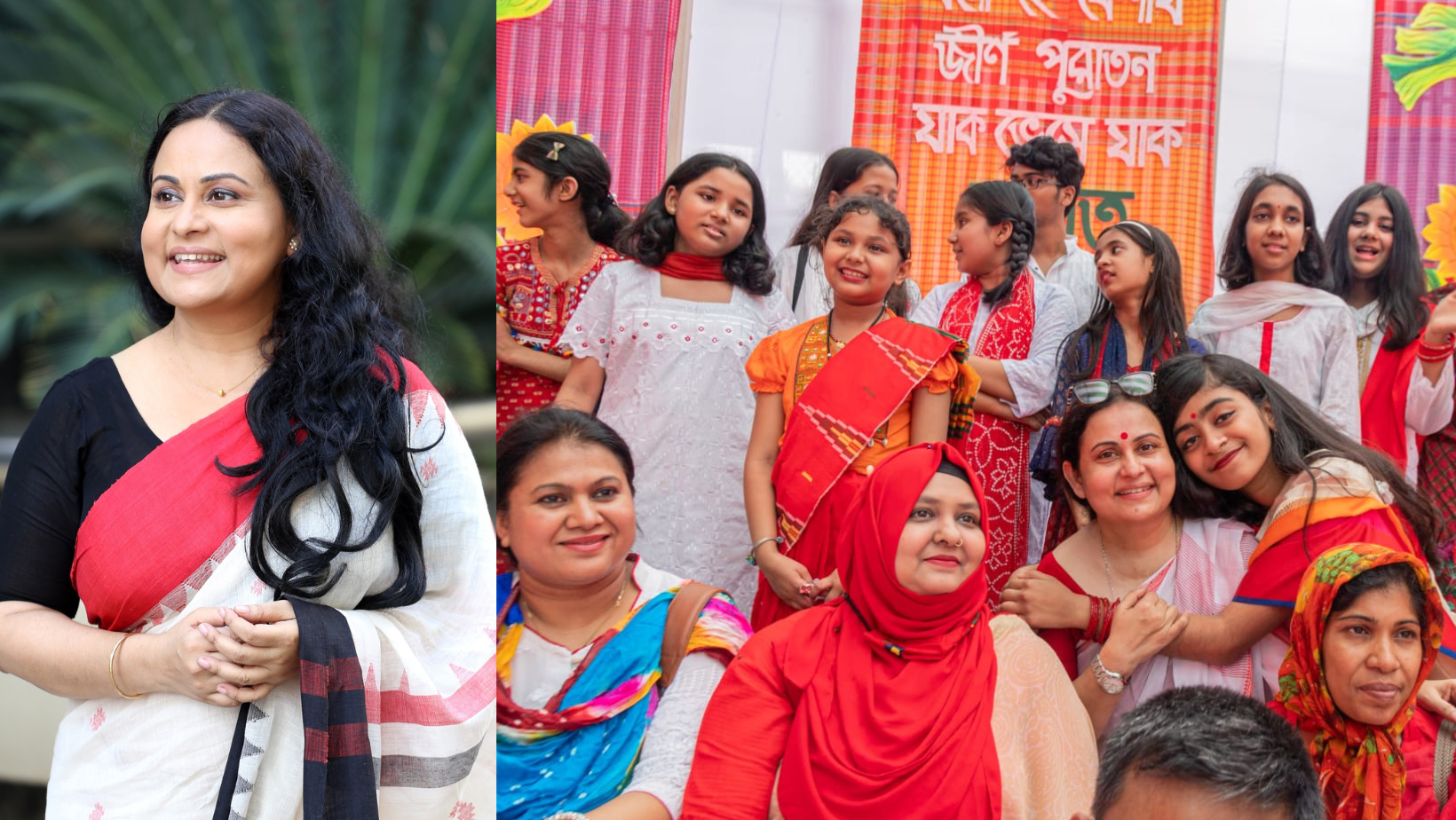
For Dola, Pahela Baishakh is not just a celebration—it is a living memory, a family ritual, and a vibrant stage for music and culture.
 For all latest news, follow The Daily Star's Google News channel.
Comments