


How cinema shaped today’s favourite aesthetics

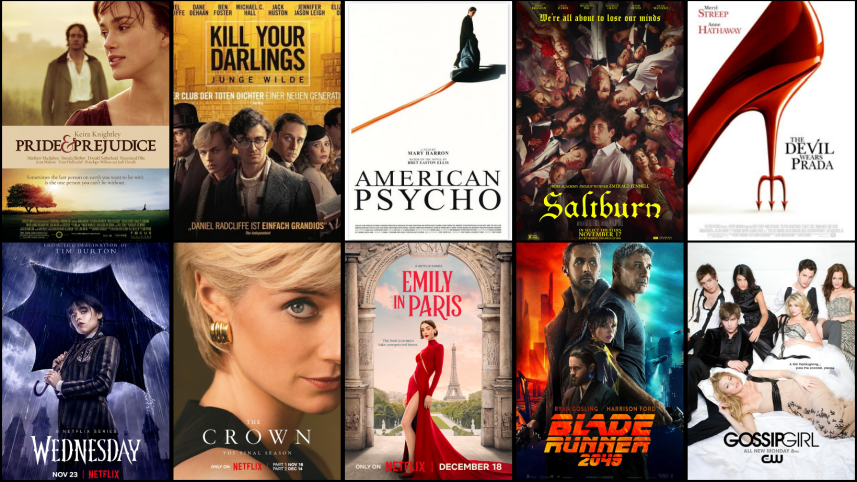
Over the past few years, the internet has developed an unusual habit of categorising people into aesthetics. No longer confined to fashion magazines or niche online communities, labels such as “clean girl”, “old money”, “dark academia”, “cyberpunk” and “cottagecore” have become part of everyday vocabulary. At first glance, they appear to describe little more than clothing styles or interior design preferences. In reality, they function as something much larger: complete cultural identities.
To identify with one of these aesthetics is not simply to dress a certain way. It often signals the films you watch, the television shows you binge-watch, the music you stream, the books you display, and even the life you aspire to live. Somewhere along the way, taste stopped being a collection of individual interests and became a carefully curated package. However, the most fascinating part is that social media did not invent most of these identities. It merely gave them names. Their foundations were laid decades earlier by filmmakers, television creators, musicians and writers who built fictional worlds so compelling that audiences wanted to inhabit them. Today’s algorithms have simply transformed those worlds into lifestyles, where every aesthetic now comes with its own cultural canon.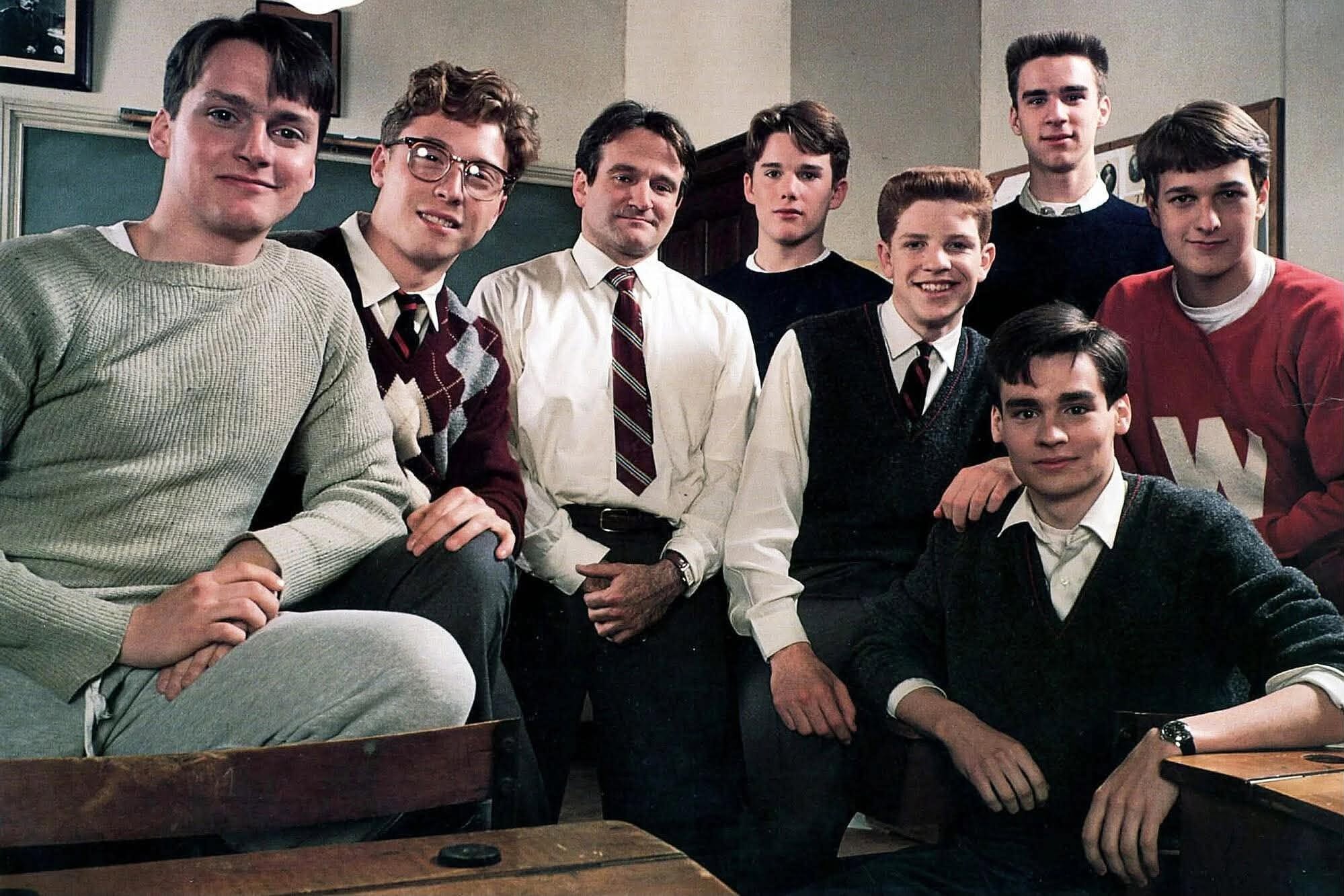
Take “dark academia”, perhaps one of the clearest examples of how media shapes identity. While the aesthetic is often reduced to tweed blazers, candlelit libraries and fountain pens, its appeal rests on a carefully constructed fantasy that cinema and literature have spent decades perfecting. Films like “Dead Poets Society”, “Kill Your Darlings”, the “Harry Potter” series and “Wednesday” romanticise learning as something almost sacred. Universities become Gothic castles. Libraries glow under warm lamps. Rain feels poetic rather than inconvenient. Reading is transformed from a task into a personality trait. The aesthetic extends naturally into the works of Donna Tartt, Oscar Wilde and Sylvia Plath, accompanied by classical music and jazz playlists that reinforce the illusion.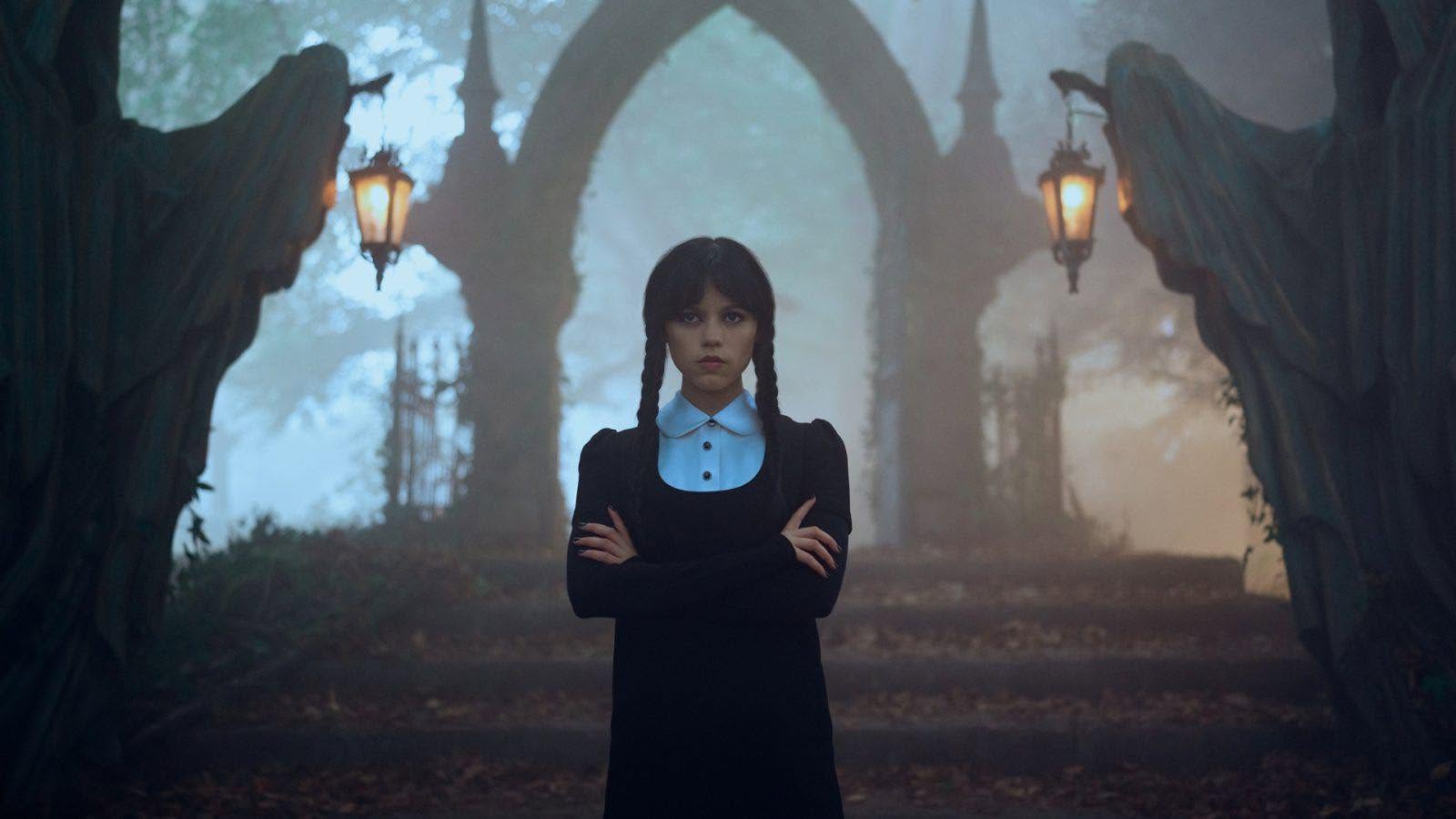
“Cottagecore” follows a similar formula. Floral dresses and embroidered blouses are only the surface. The identity assumes a love for stories like “Little Women”, “Pride and Prejudice”, “Anne with an E” and “The Secret Garden”. Its soundtrack belongs to Hozier, Bon Iver and Taylor Swift’s “Folklore” and “Evermore”. Baking bread, collecting wildflowers and spending weekends away from the city become symbols of a slower, more intentional life. Whether or not that life is attainable matters less than the feeling it evokes.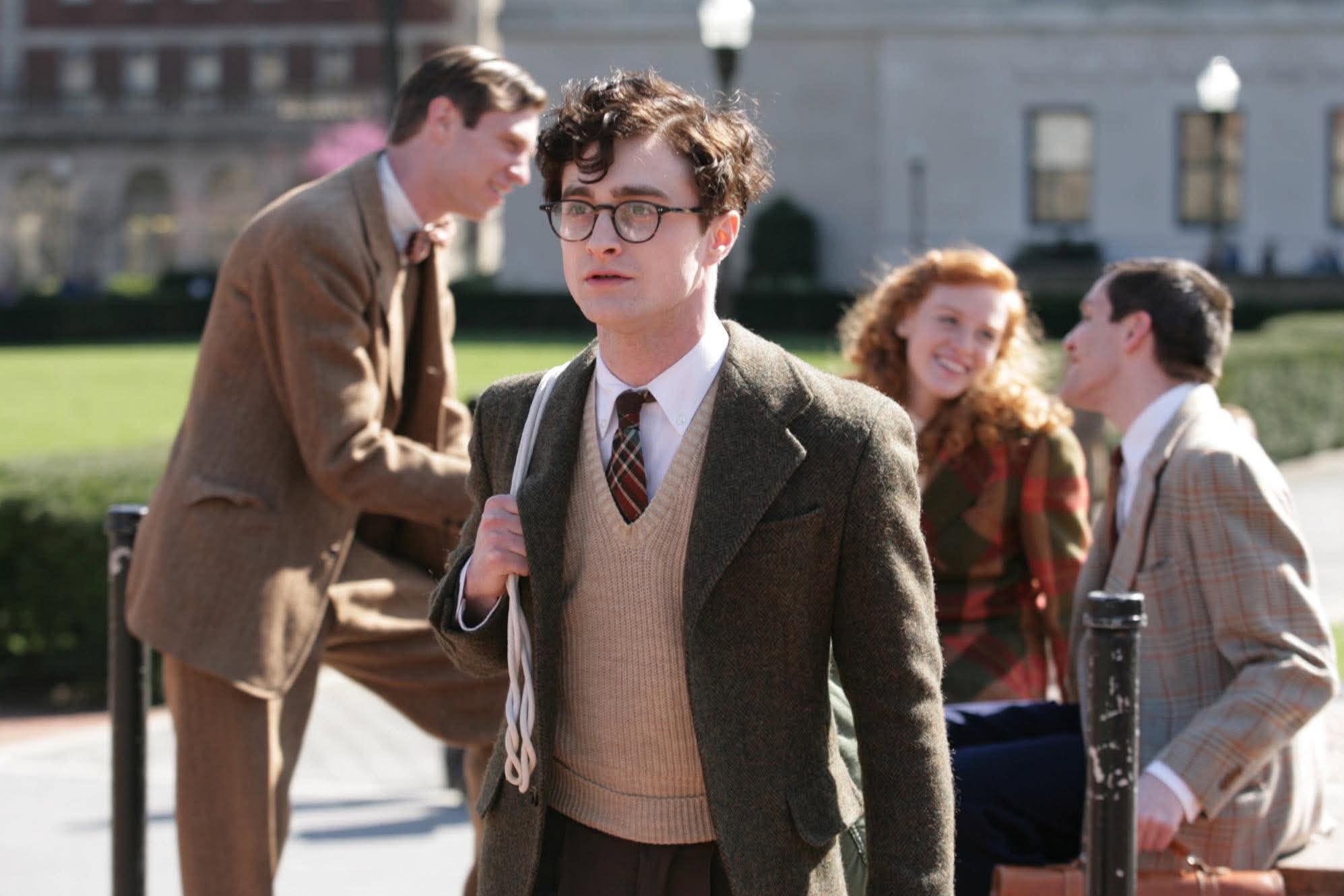
Even aesthetics centred around wealth rely heavily on fiction. The internet’s fascination with “old money” extends far beyond cashmere sweaters and pearl earrings. It draws heavily from the restrained luxury portrayed in “Succession”, the inherited privilege of “The Crown”, the polished glamour of “Gossip Girl” and the sun-drenched elegance of “The Talented Mr. Ripley”. What is remarkable is that many of these stories are deeply critical of wealth and status. “Succession” is fundamentally a tragedy about power and family dysfunction. “Saltburn” dismantles the fantasy of aristocratic privilege. Yet online, their visual language has been detached from their themes. The cautionary tale disappears; the aesthetic survives.
The “clean girl” identity works in much the same way. It is often associated with minimalist fashion, slicked-back hair and understated make-up, but its cultural influences stretch well beyond beauty tutorials. Nancy Meyers’ films built entire worlds around immaculate kitchens, soft neutrals and effortless domestic elegance. Wellness culture added matcha, Pilates and skincare routines. Contemporary celebrities and influencers completed the picture. Together, they produced not just a style but an aspirational way of living, one defined by order, discipline and quiet luxury.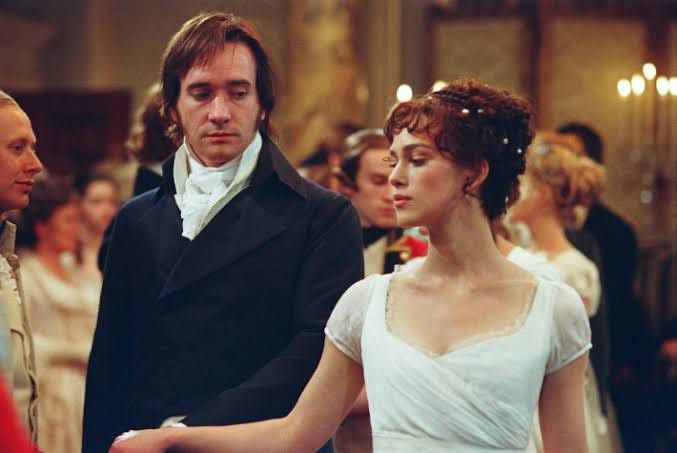
Other aesthetics lean unapologetically into fiction. “Cyberpunk” has become one of the internet’s most recognisable visual identities, despite being rooted in worlds that were never meant to be aspirational. Neon-lit skylines, futuristic fashion and glowing gaming set-ups owe an obvious debt to “Blade Runner”, “Blade Runner 2049”, “Ghost in the Shell”, “Akira”, “The Matrix” and “Cyberpunk: Edgerunners”. These stories warn of surveillance, corporate power and technological alienation. Yet their striking visual language has escaped the narrative entirely. The dystopia became a mood board. The same transformation can be seen in “coquette”, where lace, satin ribbons and pearls are only part of the equation. To embrace the aesthetic is also to embrace the dreamy melancholy of Lana Del Rey, the pastel worlds of Sofia Coppola’s “Marie Antoinette” and “The Virgin Suicides”, vintage perfume bottles, handwritten letters and romantic poetry. The films, music and fashion are inseparable; together, they construct a personality.
Perhaps no identity illustrates this relationship between media and self-presentation better than the internet’s “it girl”. Her wardrobe may feature designer handbags and tailored blazers, but the character is equally built on cultural references. She has watched “The Devil Wears Prada”, “Emily in Paris” and “Gossip Girl”. She drinks coffee from independent cafés, documents city walks and curates playlists as carefully as outfits. Fashion may be the entry point, but the media completes the persona.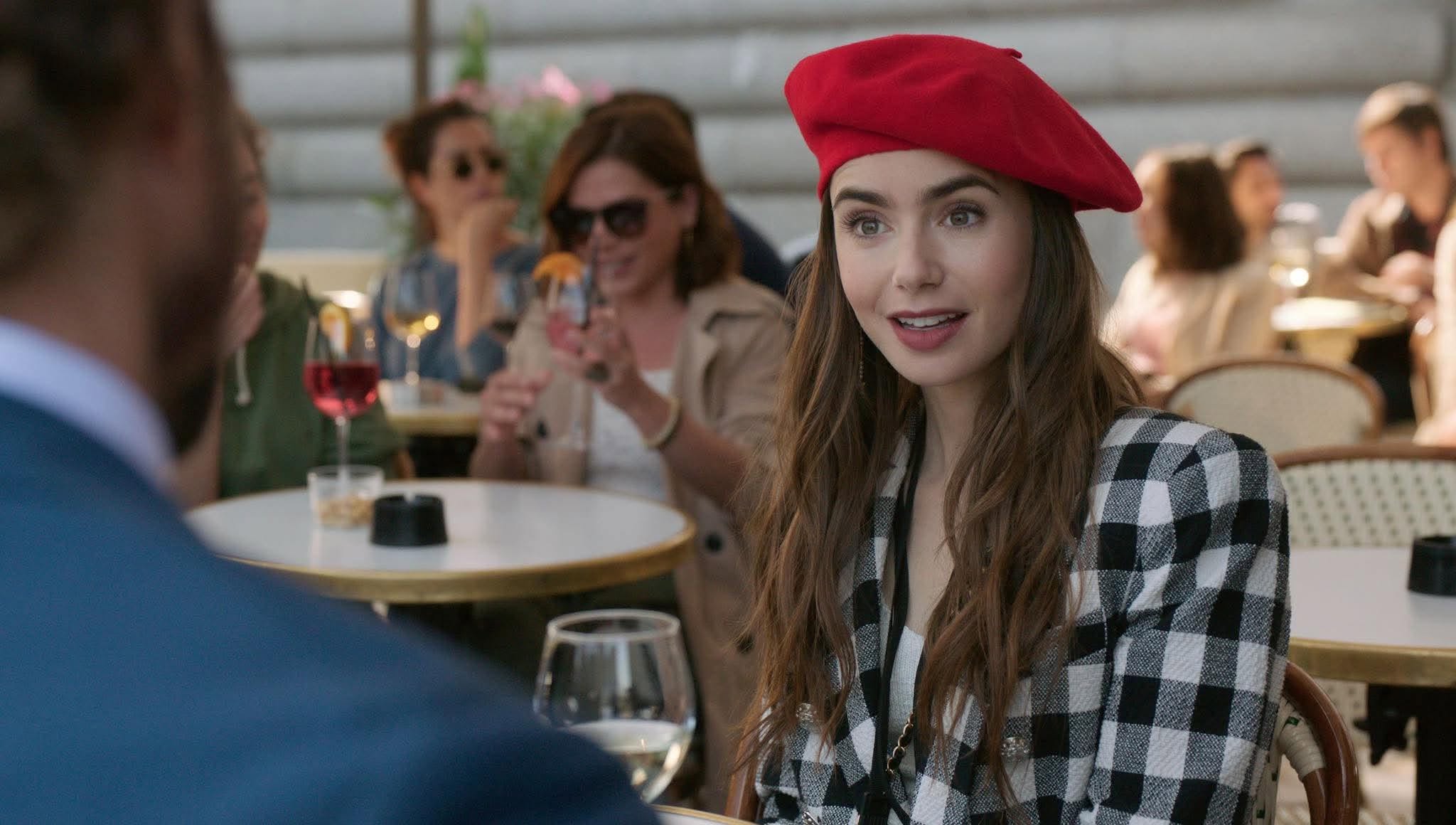
Even masculinity has not escaped aesthetic packaging. The internet’s “film bro”, or “performative male”, identity is immediately recognisable. Leather jackets, vintage cameras, black coffee and vinyl records form the visual shorthand, but the real markers lie elsewhere. There is a predictable affection for “Fight Club”, “Drive”, “American Psycho”, “Taxi Driver”, “Blade Runner 2049”, “The Batman” and “La Haine”. Arctic Monkeys, Radiohead and slow-burning indie playlists complete the picture. The irony, of course, is that many of these films were intended as critiques of toxic masculinity, alienation or consumer culture. Online, however, they have become badges of identity instead.
And this may be the defining characteristic of internet aesthetics: they collapse culture into recognisable bundles. A person no longer simply enjoys a particular film or musician. Their media choices are increasingly interpreted as evidence of belonging to a larger identity. Loving Lana Del Rey invites assumptions about your wardrobe. Watching “Dead Poets Society” suggests an affinity for “dark academia”. Mention “Succession”, and people may imagine quiet luxury before they think of corporate satire.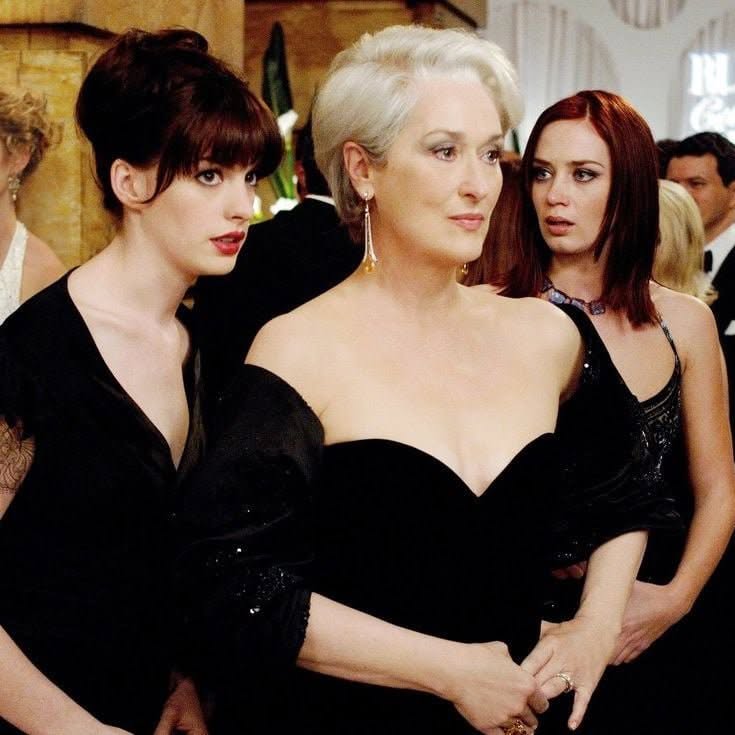
Algorithms reinforce these connections. Watch one video about “cottagecore”, and your feed quickly fills with period dramas, folk music, rustic recipes and countryside photography. Search for “old money”, and you are served capsule wardrobes, classical music, European travel guides and “The Crown” edits. Platforms do not simply recommend content; they assemble cultural ecosystems.
The result is a curious shift in how we consume media. Films and television shows are increasingly treated not only as entertainment but also as entry points into identities. Watching certain titles becomes almost a prerequisite for belonging to an aesthetic community. Cultural consumption becomes performative, not necessarily because people are being inauthentic, but because the internet rewards identities that are immediately recognisable.
There is, of course, nothing new about art influencing fashion or lifestyle. Audrey Hepburn inspired generations to embrace elegant silhouettes. David Bowie reshaped ideas of gender and performance. Music has always created subcultures, and cinema has long dictated trends. What is new is how neatly these influences have been packaged. Instead of borrowing a hairstyle from a favourite actor or a jacket from a beloved film, we now inherit an entire cultural canon. The films, the playlists, the books, the cafés, the clothing and even the personality arrive together.

Perhaps that explains why internet aesthetics have proven so enduring. They do more than tell us what to wear. They offer ready-made identities in an era when identity itself feels increasingly fluid. And in doing so, they remind us that some of the internet’s most influential trends were never really born online at all. They were first imagined on film sets, written into television scripts and recorded in music studios, long before they found a name in a TikTok hashtag.

 For all latest news, follow The Daily Star's Google News channel.
Comments